
A New Era of Inclusion: The Inaugural Easterseals Disability Arts & Culture Awards (The DARCYS)
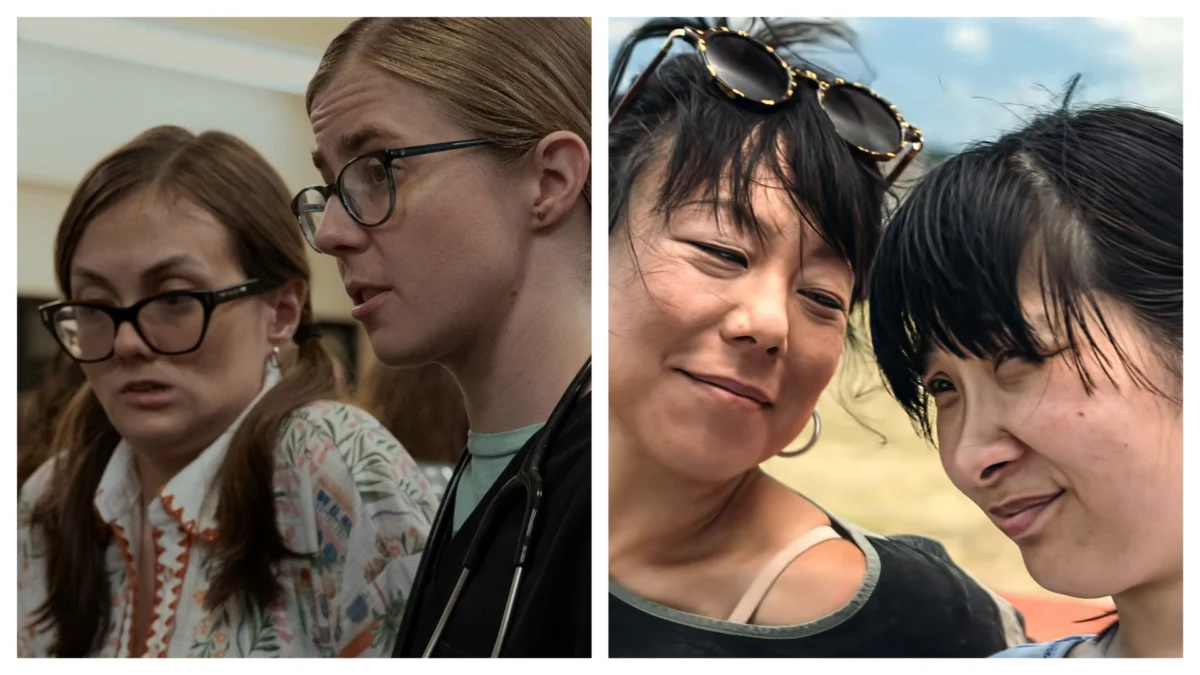
The landscape of entertainment has long struggled to move beyond tired tropes and superficial portrayals of the disability community. However, this past Saturday at the historic Barker Hangar in Santa Monica, a major milestone was reached in the fight for authentic representation. The inaugural Easterseals Disability Arts & Culture Awards, colloquially and officially known as "The DARCYS," signaled a profound shift in how the industry recognizes, celebrates, and integrates the voices of disabled creators.
Formerly known as the Media Access Awards—a fixture in Hollywood advocacy since 1979—the rebranding to The DARCYS represents more than just a name change. It is a strategic evolution, aiming to center the disability experience within the broader cultural conversation about diversity, equity, and inclusion (DEI) in film, television, and digital media.
The Ceremony: A Night of Recognition and Artistry
The evening was a star-studded affair, blending the prestige of traditional industry award shows with a grassroots passion for advocacy. Comedian and disability advocate Tina Frim served as the night’s host, guiding the audience through a ceremony that felt both intimate and revolutionary.
The atmosphere was electric as industry heavyweights and emerging talents shared the same space, united by the goal of elevating the status of disabled storytellers. One of the highlights of the evening was a powerful performance by Lachi, the award-winning artist and disability culture leader, whose presence underscored the night’s theme: that disability is a vital, creative, and necessary component of the cultural fabric.
Key moments of the evening included the presentation of the inaugural DARCYS Legacy Award to Geri Jewell, a pioneer who paved the way for disabled actors in mainstream television. Additionally, the Christopher Reeve Emerging Talent Award was presented to Vincent Rutley, a recognition that includes a $5,000 grant to support the career development of actors living with paralysis—a practical investment in the future of the industry.
Chronology of Change: From Media Access to The DARCYS
To understand the weight of this event, one must look at the historical trajectory of advocacy within Hollywood. The predecessor to this event, the Media Access Awards, spent over four decades fighting for visibility at a time when disabled characters were almost exclusively played by non-disabled actors and written by non-disabled writers.
A Legacy Transformed
The transition from the Media Access Awards to The DARCYS was not merely an aesthetic choice; it was a structural one. By partnering with Film Independent—the organization behind the acclaimed Spirit Awards—Easterseals Southern California has effectively moved disability representation from a niche advocacy niche into the heart of the independent film community.
The selection process for the inaugural winners was rigorous and intentionally inclusive. The committees responsible for vetting nominees consisted of filmmakers, critics, former Media Access honorees, and representatives from various industry guilds. Most importantly, a majority of these committee members are themselves individuals with disabilities, ensuring that the recognition was granted by those who truly understand the nuance of the lived experience.

The Winners: Celebrating Excellence Across Mediums
The winners of the first-ever DARCYS reflect a diverse array of storytelling, from gritty dramas to poignant documentaries and influential social media content.
Feature Films and Documentaries
In the feature film category, Horsegirls emerged as the standout, taking home the Best Feature award. The film, directed by Lauren Meyering and written by Meyering and Mackenzie Breeden, was lauded for its authentic portrayal of its protagonists. In the realm of performance, Anna Sargent secured the Best Performance in a Feature award for her role in the Sundance breakout Take Me Home, a performance that resonated deeply with audiences and critics alike for its vulnerability and depth.
The documentary category saw The Haunting of Pennhurst claim the top prize. The film, directed and produced by Mike Attie, Katarina Poljak, and Nathan R. Stenberg, offered a stark, essential look at institutionalization and the history of disability, marking a significant win for documentary filmmaking that centers on social history and advocacy.
Scripted and Unscripted Television
The scripted series category was dominated by the HBO Max drama The Pitt. Not only did the show win for Best Scripted Series, but it also took home the award for Best Achievement in Casting Ensemble. The show’s creator, R. Scott Gemmill, alongside his team, was recognized for a casting strategy that prioritized authenticity, featuring talent such as Tal Anderson, Jessica “Limer” Flores, Victoria Mack, and Christopher Thornton.
In the performance category for scripted series, Daniel Monks took home the award for his role in All Her Fault, a testament to the increasing demand for disabled actors to be cast in complex, multi-dimensional roles rather than one-note, tragedy-adjacent characters.
The unscripted sector, often ignored in traditional awards, was represented by Renegades, which won Best Unscripted Series. The series, created by Day Al-Mohamed, demonstrated the power of the format to highlight the real-world impact and history of disability activism.
Digital Innovation
The inclusion of a "Best Social Creator" award acknowledges the reality of the 21st-century media landscape. Cassidy Huff (@CassHuff) took home the inaugural award, highlighting the critical role that social media creators play in shaping public perception of disability. In an era where digital content often reaches wider audiences than traditional cinema, this category serves as a vital bridge between modern technology and advocacy.
Implications: The Road Ahead for Hollywood
The establishment of The DARCYS serves as a litmus test for the entertainment industry. For years, the argument against authentic casting and hiring has been one of "availability" or "marketability." The DARCYS effectively dismantle these excuses by showcasing a robust, talented, and commercially viable pool of disabled professionals.

Challenging the "Inclusion" Narrative
Industry leaders are beginning to recognize that disability is not just a diversity box to check; it is a creative asset. As Nancy Weintraub, Chief Advancement Officer at Easterseals Southern California, noted, the goal of these awards is to "change how disability is seen and represented across entertainment and media." By rewarding projects that integrate disabled talent both in front of and behind the camera, The DARCYS are creating a blueprint for what a more inclusive industry should look like.
The Role of Institutional Partnerships
The collaboration between Easterseals and Film Independent is a masterclass in how non-profits can influence corporate entities. By aligning with a powerhouse like Film Independent, Easterseals has ensured that The DARCYS are not just an "advocacy event," but a legitimate industry awards ceremony that carries weight in the awards season conversation.
Official Responses and Industry Impact
The reaction from the creative community has been overwhelmingly positive. Shawn Davis, Co-Executive Producer of The DARCYS and the Film Independent Spirit Awards, emphasized that this is a "new chapter" for the industry. His statement highlighted the importance of broadening perspectives, acknowledging that when stories are told by those who have lived them, the resulting art is inevitably more resonant and impactful.
The attendees—a list that included veterans like Marlee Matlin alongside rising stars—suggests a unified front. When legends of the industry show up to support emerging talent, it signals a generational shift. The presence of such a high-profile cohort at the Barker Hangar suggests that the industry is finally ready to move past the tokenism that has plagued disability representation for decades.
Conclusion: A Barometer for Future Progress
The inaugural DARCYS were more than just a ceremony; they were a declaration of intent. By enshrining the achievements of creators like R. Scott Gemmill, Daniel Monks, and the teams behind Horsegirls and The Pitt, the industry has set a new standard for what is expected.
The real test will be in the coming years. Will this momentum translate into more disabled-led projects being greenlit by major studios? Will we see a shift in the way casting directors approach disability? The DARCYS provide the data and the visibility to argue that such a shift is not only possible but necessary.
As we look toward the 2027 awards cycle, the industry is now equipped with a clear, established benchmark. The DARCYS are here to stay, and with them, the promise that the stories of the disability community will no longer be told about them, but by them. This is not just a win for disabled creators; it is a win for the future of storytelling itself.
