
Exploring the Global Cinematic Landscape: A Deep Dive into Cinema Scope Issue 97
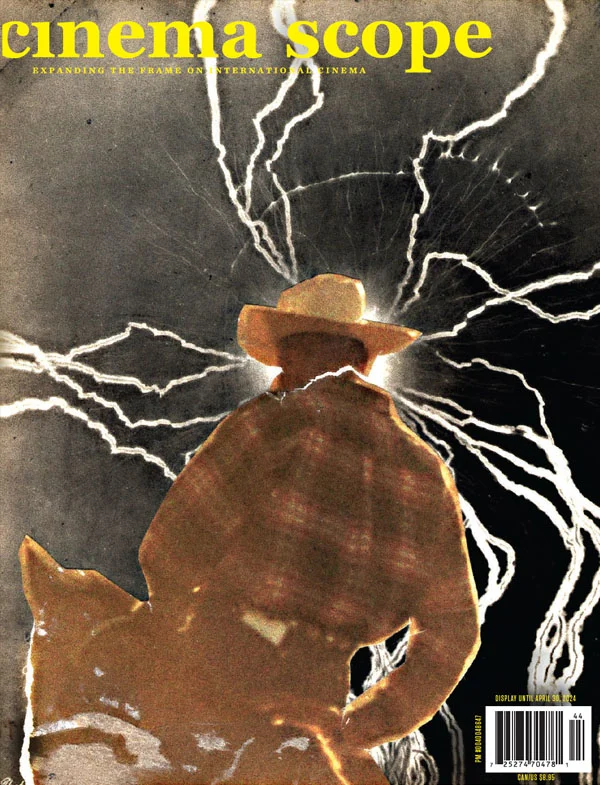
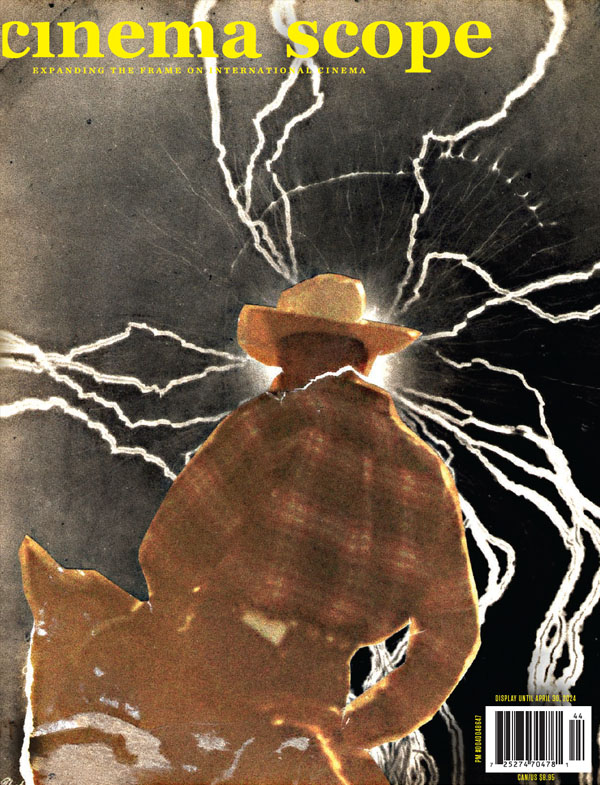
The release of Cinema Scope Issue 97 marks a significant moment for cinephiles and academic film critics alike. Renowned for its rigorous intellectual engagement with both contemporary releases and historical cinematic artifacts, the magazine continues to serve as a vital repository for film theory and criticism. This latest issue offers a sprawling, multifaceted examination of the industry, moving from the intimate reflections of auteur-led interviews to critical reassessments of modern blockbusters and the somber recognition of recently departed legends.
In this era of fragmented media consumption, Cinema Scope maintains its commitment to the long-form essay and the in-depth interview, providing a necessary counter-narrative to the fleeting nature of modern digital discourse.
Main Facts: A Comprehensive Overview of Issue 97
Issue 97 of Cinema Scope is structured into four primary pillars: Interviews, Features, Columns, and Currency. Each section serves a distinct function in the broader dialogue of film studies.
The Interviews section highlights current masters of the medium. Beatrice Loayza’s conversation with Ryusuke Hamaguchi regarding his film Evil Does Not Exist serves as a centerpiece, offering a window into the director’s contemplative process. Complementing this are discussions with Alex Ross Perry, Rodrigo Moreno, and Dimitris Athiridis, each delving into the technical and thematic underpinnings of their respective projects.
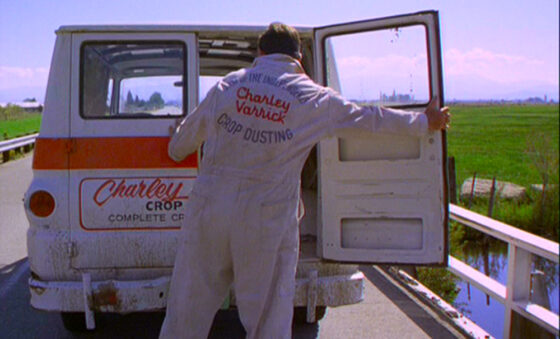
The Features section expands the scope to broader historical and social inquiries, such as the roundtable on Don Siegel’s Charley Varrick and Erika Balsom’s investigation into the First International Women’s Film Seminar.
The Columns and Currency sections provide the critical bedrock for the issue, offering memorial tributes to Terence Davies and Vincent Grenier, alongside reviews of high-profile contemporary titles like Martin Scorsese’s Killers of the Flower Moon and David Fincher’s The Killer.
Chronology of Cinematic Discourse
The development of this issue reflects a synthesis of current festival circuits and archival scholarship. The editorial process began with the identification of key auteur-driven narratives emerging from the late 2023 festival season, culminating in the publication of Issue 97.
- October 2023: Initial outreach for interviews with filmmakers like Ryusuke Hamaguchi and Alex Ross Perry.
- November 2023: Curatorial work on the "Deaths of Cinema" tributes, ensuring that the legacy of figures like Terence Davies and Vincent Grenier was treated with appropriate gravity.
- December 2023: Finalization of the "Currency" reviews, capturing the critical reception of end-of-year tentpole releases such as Poor Things and Priscilla.
- January 2024: Publication of Issue 97, serving as a definitive critical summary of the preceding season.
Supporting Data: Thematic Pillars of the Issue
The thematic strength of this issue lies in its refusal to adhere to a single critical framework. Instead, it employs a "multi-lens" approach:
1. The Auteur in Conversation
The interviews provide a rare, unmediated look at the creative labor behind films like The Delinquents and exergue – on documenta 14. By focusing on the "how" rather than just the "what," these pieces allow readers to understand the material conditions of independent filmmaking in the 2020s.
2. Historical Re-evaluation
Through features like Christoph Huber’s roundtable on Charley Varrick and Thom Andersen’s exploration of Los Angeles as a cinematic space, the magazine bridges the gap between classic Hollywood and contemporary experimentalism. This reinforces the idea that cinema history is not a static timeline but a dynamic, ongoing conversation.

3. Cultural Memorialization
The "Deaths of Cinema" section is particularly poignant in Issue 97. The tributes to Terence Davies and Vincent Grenier are not merely obituaries; they are analytical engagements with the filmmakers’ entire bodies of work, providing a blueprint for how a legacy is preserved in writing.
Official Perspectives and Editorial Stance
Mark Peranson, the editor of Cinema Scope, frames this issue within the context of an evolving, sometimes volatile industry. In his Editor’s Note, he addresses the friction between streaming dominance and the preservation of the theatrical experience.
The editorial perspective is clear: cinema is an art form that demands patience. By dedicating space to dense, analytical pieces on experimental video art—such as Jesse Cumming’s look at Tulapop Saenjaroen—and deep-cut film seminars, the magazine asserts its independence from the algorithmic trends that dictate much of contemporary film journalism. The editorial team positions Cinema Scope as a guardian of "slow cinema" and rigorous aesthetic inquiry.
Implications: The Future of Film Criticism
The publication of Issue 97 carries several implications for the future of film writing and consumption:
The Resilience of Print and Long-form Journalism
Despite the migration of most film discourse to social media, Cinema Scope proves that there is a significant, hungry audience for deep-dive criticism. The complexity of the articles included—such as the analysis of Will Hindle’s Chinese Firedrill—suggests that the intellectual standard for film writing remains high.
The Shift Toward Global Perspectives
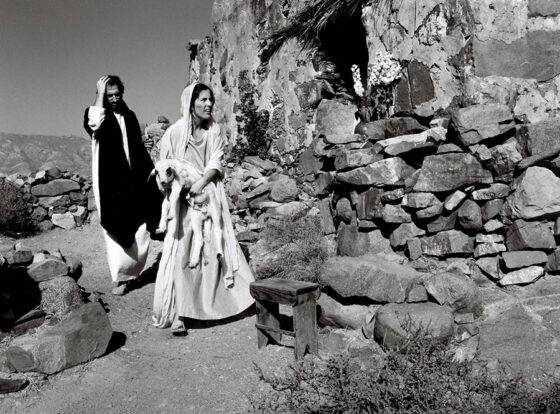
The inclusion of international perspectives, from the Argentinean production of The Practice to the Greek documentary focus of exergue, highlights a move away from US-centric criticism. This globalized outlook is essential for a contemporary understanding of how cinema reflects and refracts political and social realities across borders.
The Critical Response to the "Streaming Era"
The reviews in the "Currency" section, particularly of major studio films like The Killer and Killers of the Flower Moon, demonstrate that even within the context of major platform distribution, traditional critical evaluation remains relevant. By analyzing these films alongside more niche, festival-bound projects, Cinema Scope asserts that all cinema—regardless of its distribution model—deserves the same level of intellectual scrutiny.
A Call for Archival Awareness
By highlighting works like the First International Women’s Film Seminar, the magazine encourages a broader engagement with film history. It suggests that contemporary filmmakers are not working in a vacuum but are part of a lineage that must be constantly rediscovered and re-contextualized.
Conclusion: A Vital Archive
Issue 97 of Cinema Scope serves as more than just a periodical; it acts as a critical archive of the modern era. Through its carefully curated interviews, rigorous features, and poignant memorial tributes, it offers a map of the current cinematic landscape.
For the reader, the issue provides a roadmap to understanding not just the films themselves, but the systems of power, memory, and artistry that create them. Whether through the lens of a veteran critic like Jonathan Rosenbaum or the fresh analytical perspective of contributors like Deragh Campbell, Cinema Scope continues to push the boundaries of what film criticism can be. In a time where the "death of cinema" is frequently discussed, this issue stands as a robust testament to its ongoing vitality and its capacity to sustain deep, meaningful, and enduring intellectual engagement.
As the industry faces new technological and economic challenges, the need for platforms like Cinema Scope—which treat film as an essential cultural artifact—becomes increasingly critical. Issue 97 is, ultimately, a reaffirmation of the belief that film matters, and that the act of writing about it is a vital part of the creative process itself.
