
Marvel’s Star Wars: The Book of Boba Fett #4: A Deep Dive into the High-Stakes Comic Adaptation
Main Facts
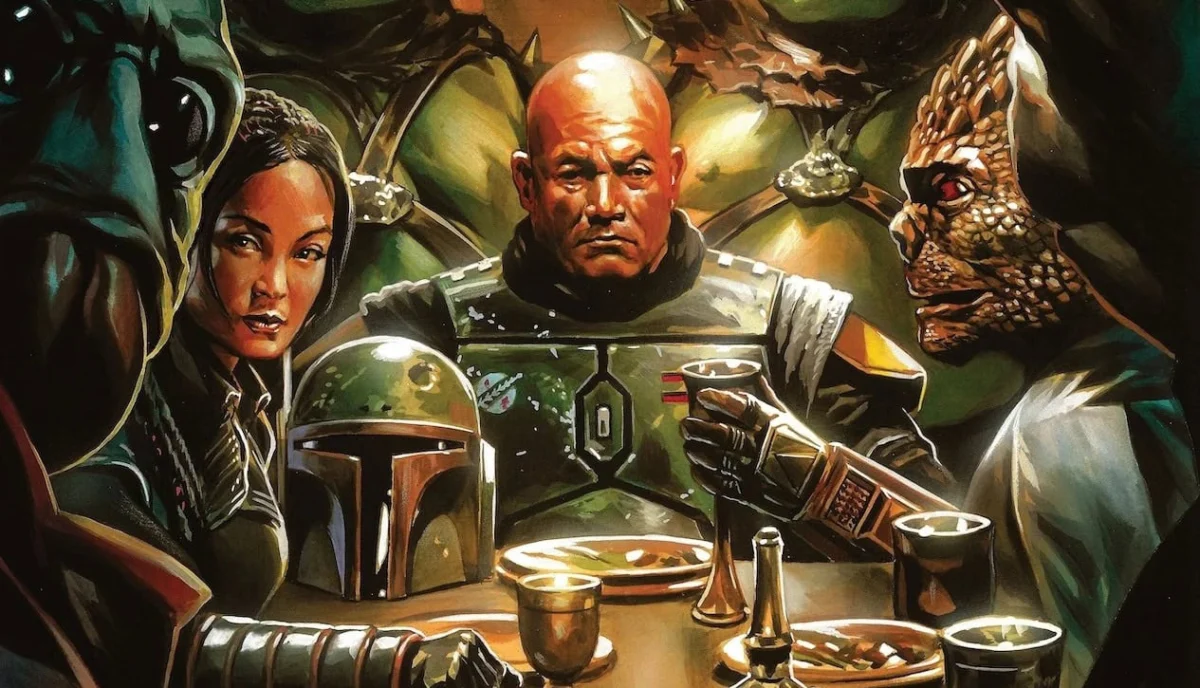
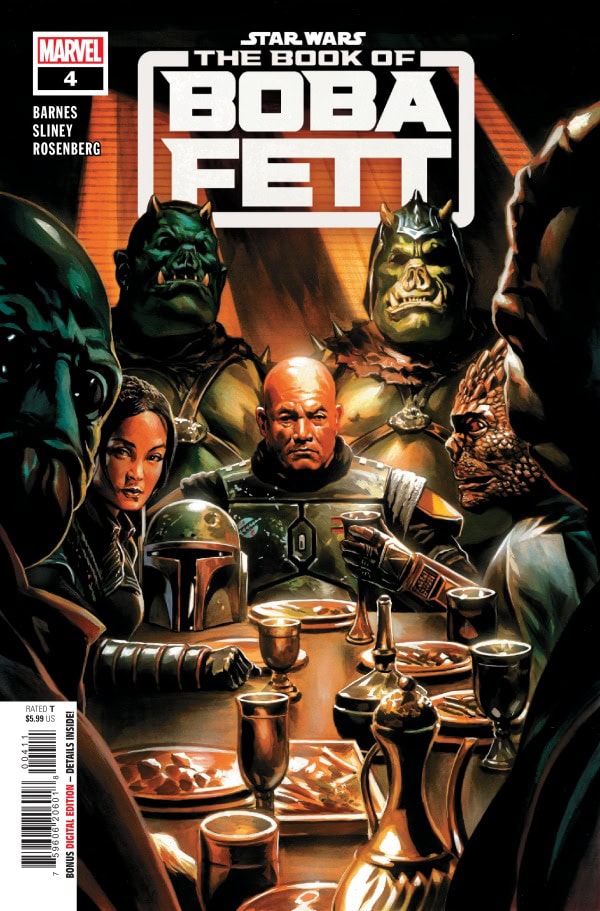
The expansion of the Star Wars universe within the medium of sequential art continues to gather momentum this week. Marvel Comics is officially releasing the highly anticipated fourth issue of its comic book adaptation of the hit Disney+ streaming series, Star Wars: The Book of Boba Fett. Scheduled to hit comic book shops and digital platforms this Wednesday, the issue carries a cover price of $5.99 and places readers right back into the perilous underworld of Tatooine.
At the center of this latest installment is a race against time and mortality. The official solicitation text provided by Marvel sets a breathless pace:
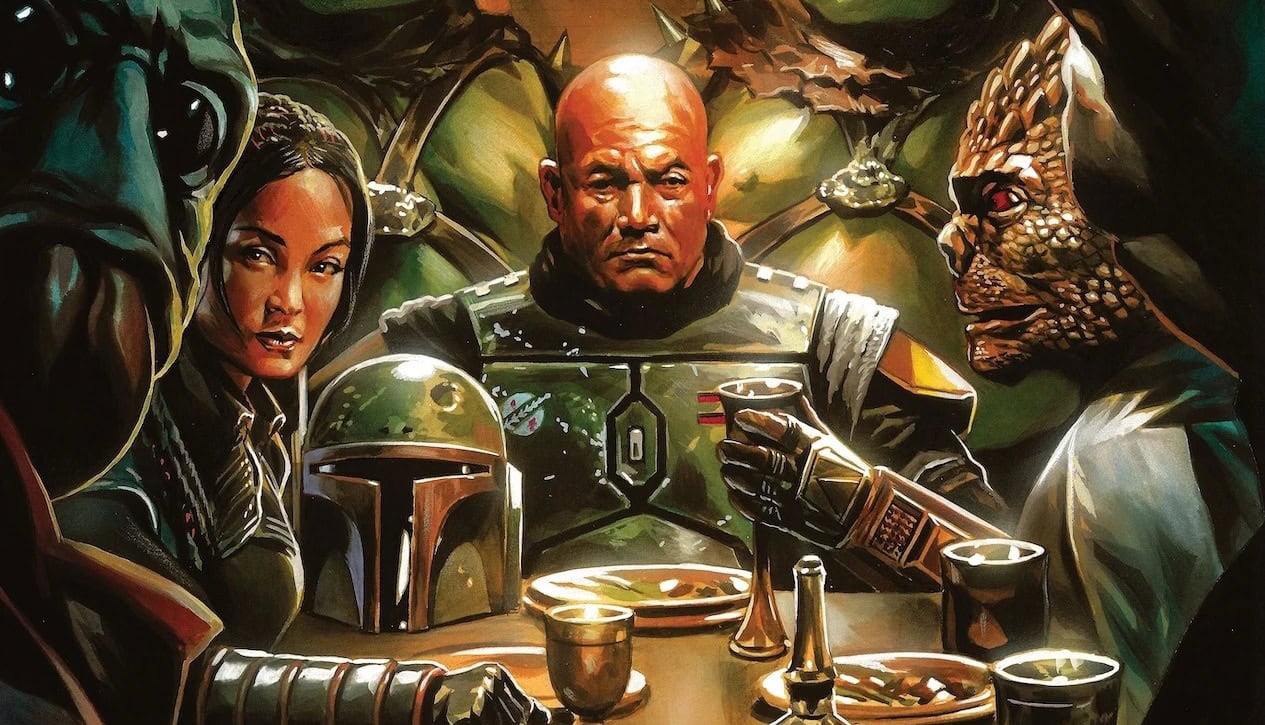
“THE GATHERING STORM! BOBA FETT must rescue FENNEC SHAND! Can even THE MODIFIER bring her back from the brink of death?”
This issue bridges crucial gaps in the narrative, bringing fans back to the critical juncture where the legendary bounty hunter Boba Fett must secure the survival of his elite mercenary partner, Fennec Shand. With breathtaking interior artwork and a faithful translation of the television screen’s gritty aesthetic to the printed page, issue #4 represents a major turning point in the comic’s adaptation arc. Fans looking to secure their digital copies can add the issue to their pull lists via platforms such as Amazon Kindle and ComiXology.
Chronology of the Storyline
To fully appreciate the narrative weight of Star Wars: The Book of Boba Fett #4, it is essential to trace how the story has evolved both on television and in Marvel’s ongoing comic book adaptation.
From Screen to Page
When Disney+ originally premiered The Book of Boba Fett in late 2021, it aimed to fill in the decades-long blanks regarding the fan-favorite bounty hunter’s survival following his apparent demise in the Sarlacc pit during the events of Star Wars: Episode VI – Return of the Jedi. The series chronicled Boba Fett’s ascension to crime lord supremacy in Mos Espa, alongside his flashbacks with the Tusken Raiders and his fateful partnership with the deadly assassin Fennec Shand.
Marvel’s comic book adaptation, which has been rolling out methodically, seeks to recapture these beats while offering the unique visual flair of traditional comic book panels. Issue #1 established the shifting timelines of Tatooine’s harsh deserts and the underworld politics of Jabba the Hutt’s former palace. Subsequent issues steadily escalated the tension, culminating in the harrowing events that lead directly into this week’s release.
The Anatomy of Issue #4
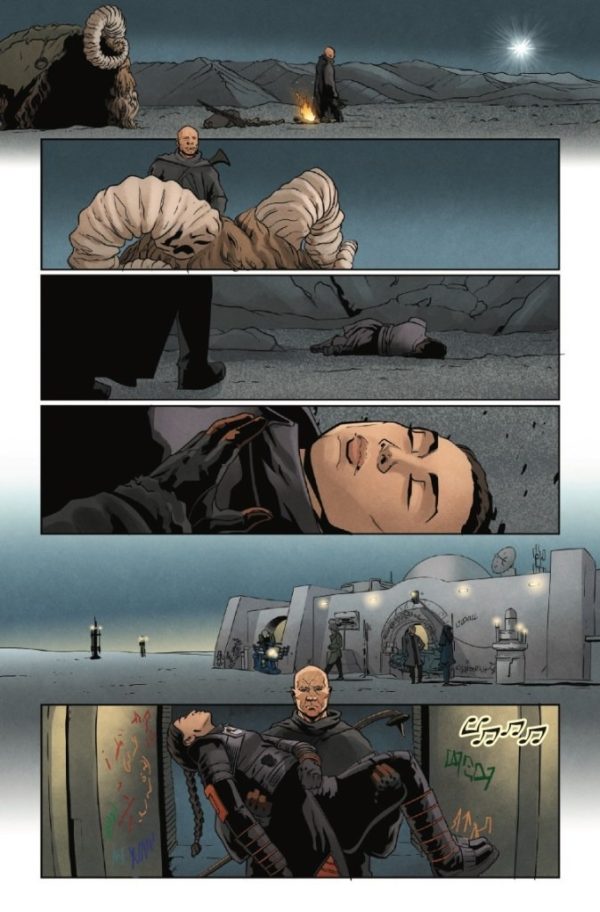
Issue #4 focuses heavily on the immediate aftermath of Fennec Shand’s near-fatal encounter on the sands of Tatooine—an event originally etched into fan memory during the live-action series. Boba Fett, bound by a mixture of survival instinct, mutual respect, and the practical need for a competent ally, must physically haul Shand’s broken body across the unforgiving dunes.
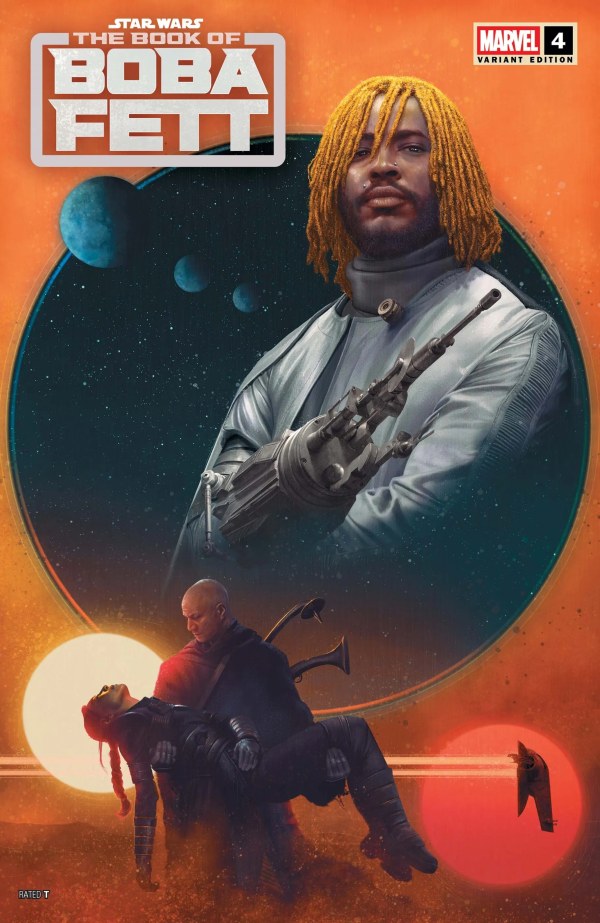
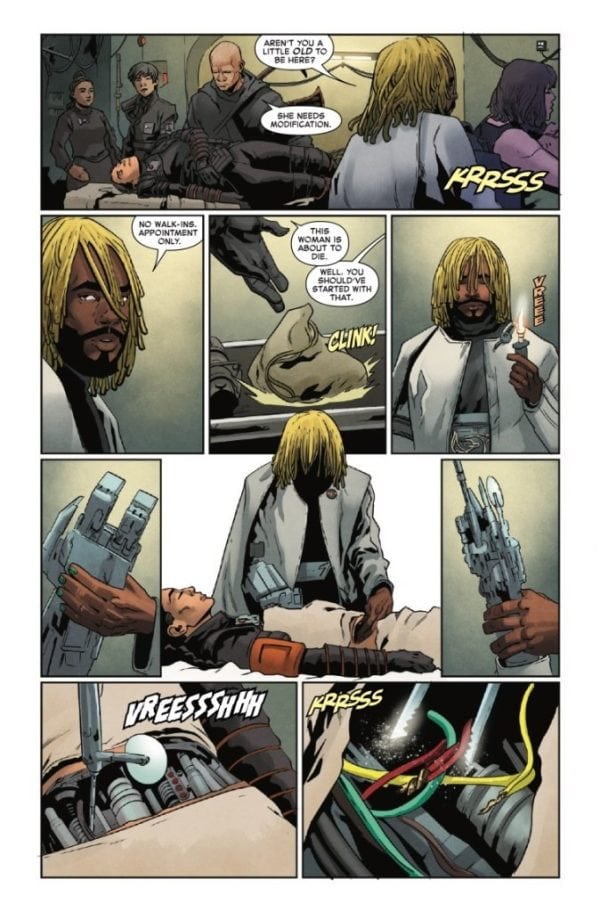
The preview pages released by Marvel detail the grueling journey and the desperate arrival at the underground medical establishment run by "The Modifier"—the cybernetic artisan who previously saved Shand’s life in the television series by outfitting her torso with mechanical life-support technology. The chronology of this issue relies on intense, claustrophobic pacing, contrasting the vast, empty hazards of the Dune Sea with the sterile, high-tech horror of the Modifier’s operating suite.
Supporting Data and Publication Details
For collectors, completionists, and casual readers alike, understanding the publication metrics and availability of Star Wars: The Book of Boba Fett #4 is vital for building a complete collection.
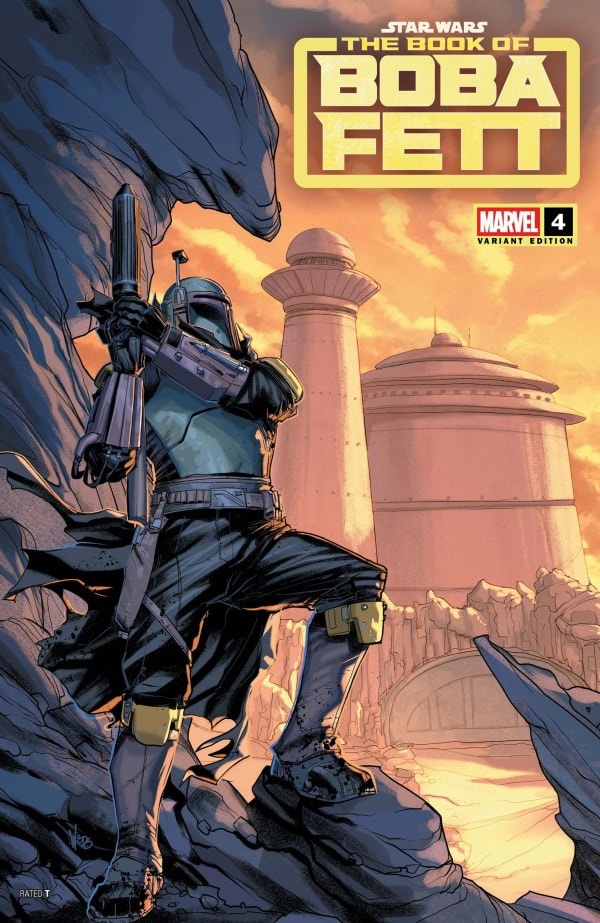
- Publisher: Marvel Comics
- Release Date: October 28 (with digital and physical distribution hitting shelves globally)
- Cover Price: $5.99 USD
- Format: Standard comic book floppy / Digital web-reader format (via Kindle, ComiXology, and Marvel Unlimited ecosystems)
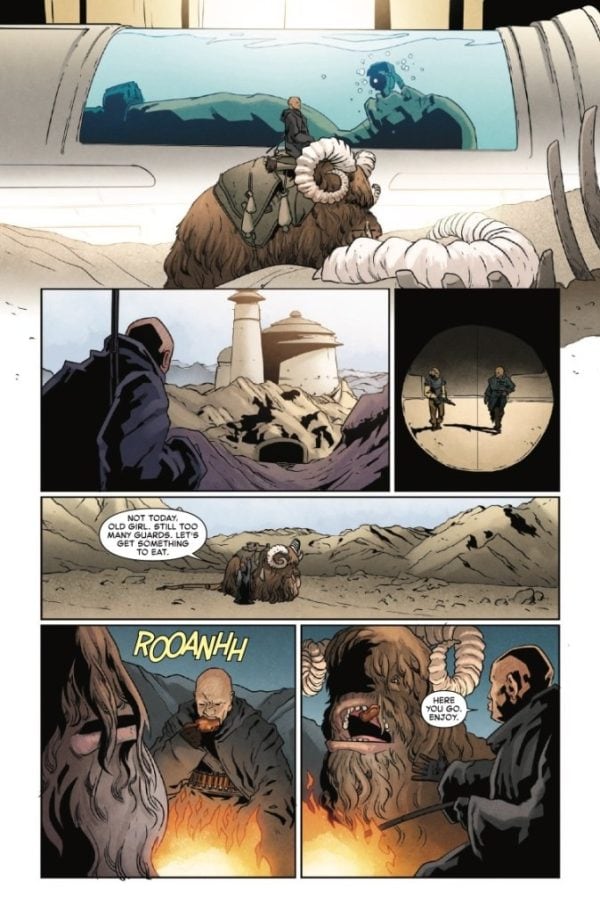
- Page Count & Preview Assets: The issue spans standard modern pagination, supported by a multi-page interior preview showcasing line art, inked panels, and lettered dialogue sequences that highlight the dramatic interplay between Boba Fett, Fennec Shand, and the mysterious Modifier.
The adaptation team has meticulously mapped out these panels to mirror the cinematic framing of Jon Favreau and Dave Filoni’s original television direction, while leaning into the illustrative strengths of comic book panels to emphasize character internality and atmospheric tension.
Official Responses and Creative Direction
While Marvel has kept strict confidentiality regarding any surprise cameos or expanded lore additions in the later pages of this specific issue, the broader strategy behind the Star Wars adaptation line speaks volumes about the synergy between Lucasfilm’s streaming initiatives and Marvel’s publishing wing.
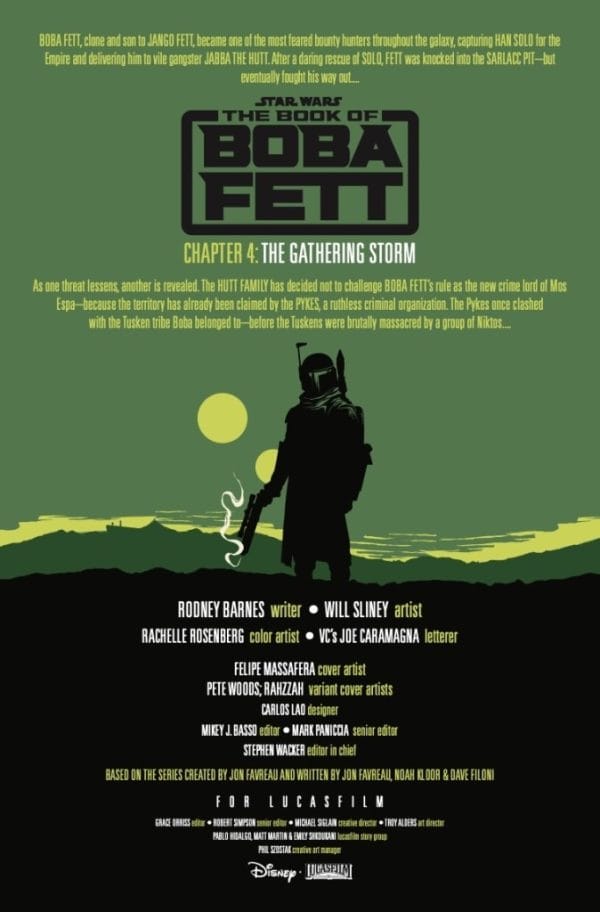
Executive editors and publishing leads have repeatedly emphasized that adapting Disney+ live-action properties is not merely about tracing over old lines. Instead, these comic runs are designed to serve as definitive companion pieces. By translating television scripts into comic scripts, creators are given room to breathe life into quieter moments, offering deeper psychological insights into characters like Boba Fett—a man transitioning from a silent, stoic executioner of contracts into a nuanced community leader and daimyo.
Furthermore, the character of Fennec Shand, brought to iconic live-action life by Ming-Na Wen, receives an expanded sense of agency and vulnerability in the comic format. The interplay between Fett and Shand is framed not just as a business arrangement, but as a symbiotic bond forged in the fires of near-death experiences. The creative team’s approach to depicting the Modifier’s cybernetic interventions relies heavily on body horror mixed with sci-fi wonder, maintaining the gritty, lived-in aesthetic that defined the Outer Rim elements of the live-action series.
Broader Implications for the Star Wars Expanded Universe
The release of Star Wars: The Book of Boba Fett #4 carries several notable implications for the future of transmedia storytelling within the franchise.
1. The Value of Transmedia Adaptations
In an era where Disney+ series dominate the live-action landscape, some fans initially questioned the necessity of adapting these same stories into comic book form. However, Marvel’s approach has successfully demonstrated that comic adaptations can bridge the gap for readers who prefer sequential art, while offering archival value for die-hard collectors. It cements the events of the streaming series firmly within the broader, interconnected tapestry of canon literature that includes novels, junior readerships, and ongoing cosmic series like Star Wars and Darth Vader.
2. Deepening the Underworld Lore
Tatooine has often been dismissed in pop culture discourse as a simple, backwater desert planet. Yet, projects like The Book of Boba Fett—and by extension, Marvel’s adaptation—recontextualize the planet as a complex geopolitical chess match involving spice cartels, Tusken culture, and remnants of the Hutt syndicate. Issue #4 reinforces this gritty criminal ecosystem by focusing intensely on underground survivalism, back-alley cybernetics, and the harsh transactional nature of life in the Outer Rim.
3. Sustaining Fan Engagement Between Seasons
With live-action television schedules often requiring years of post-production, multi-year gaps between seasons are standard industry practice. Comic book adaptations act as a vital bridge, keeping core characters like Boba Fett and Fennec Shand fresh in the minds of consumers. By keeping the brand active on comic racks every month, Marvel ensures that the momentum built by the streaming series continues to convert into stable readership and merchandising engagement.
As Star Wars: The Book of Boba Fett #4 arrives on stands this week, fans are invited once more to pull their hoods tight against the twin suns, step into the criminal underbelly of Mos Espa, and witness the desperate medical miracle that saved one of the galaxy’s most dangerous duos.
