
Decoding the Marvel Timeline: Where Does Disney+’s VisionQuest Actually Fall in the MCU?
As the Marvel Cinematic Universe (MCU) continues to expand across both movie theaters and streaming platforms, tracking its intricate chronology has become a daunting task for even the most dedicated fans. Since the monumental narrative shift introduced in Avengers: Endgame—which famously leaped five years forward from 2018 to a post-blip 2023—keeping tabs on when specific stories take place has felt like chasing a moving target.
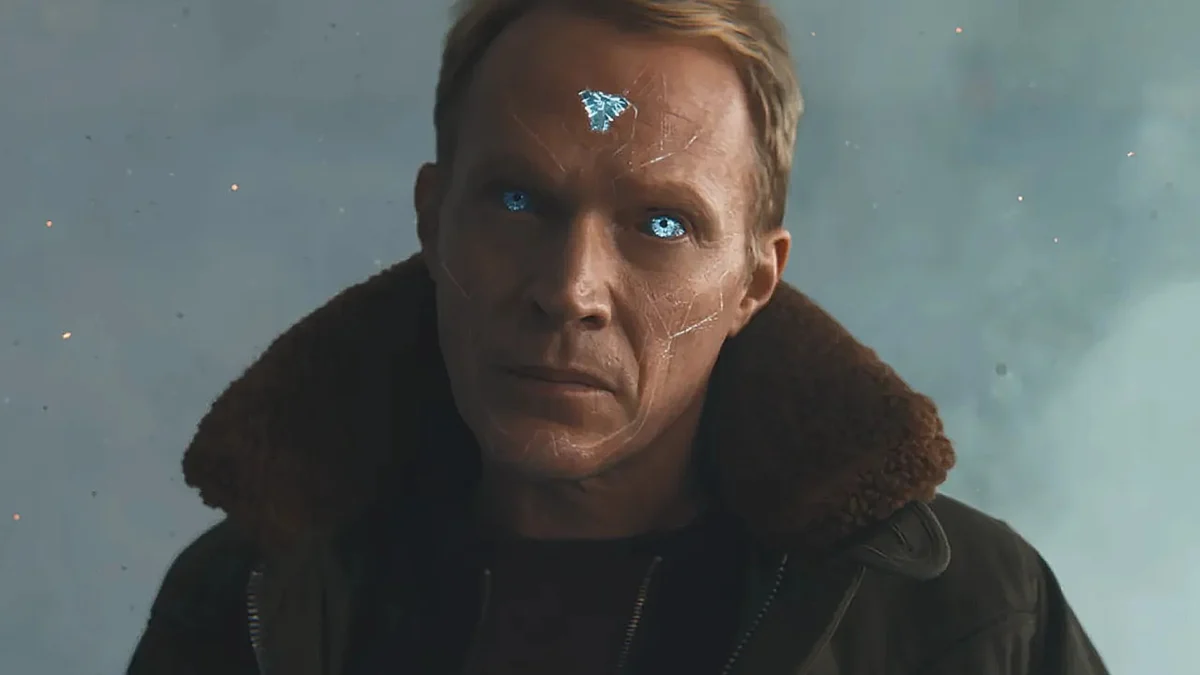
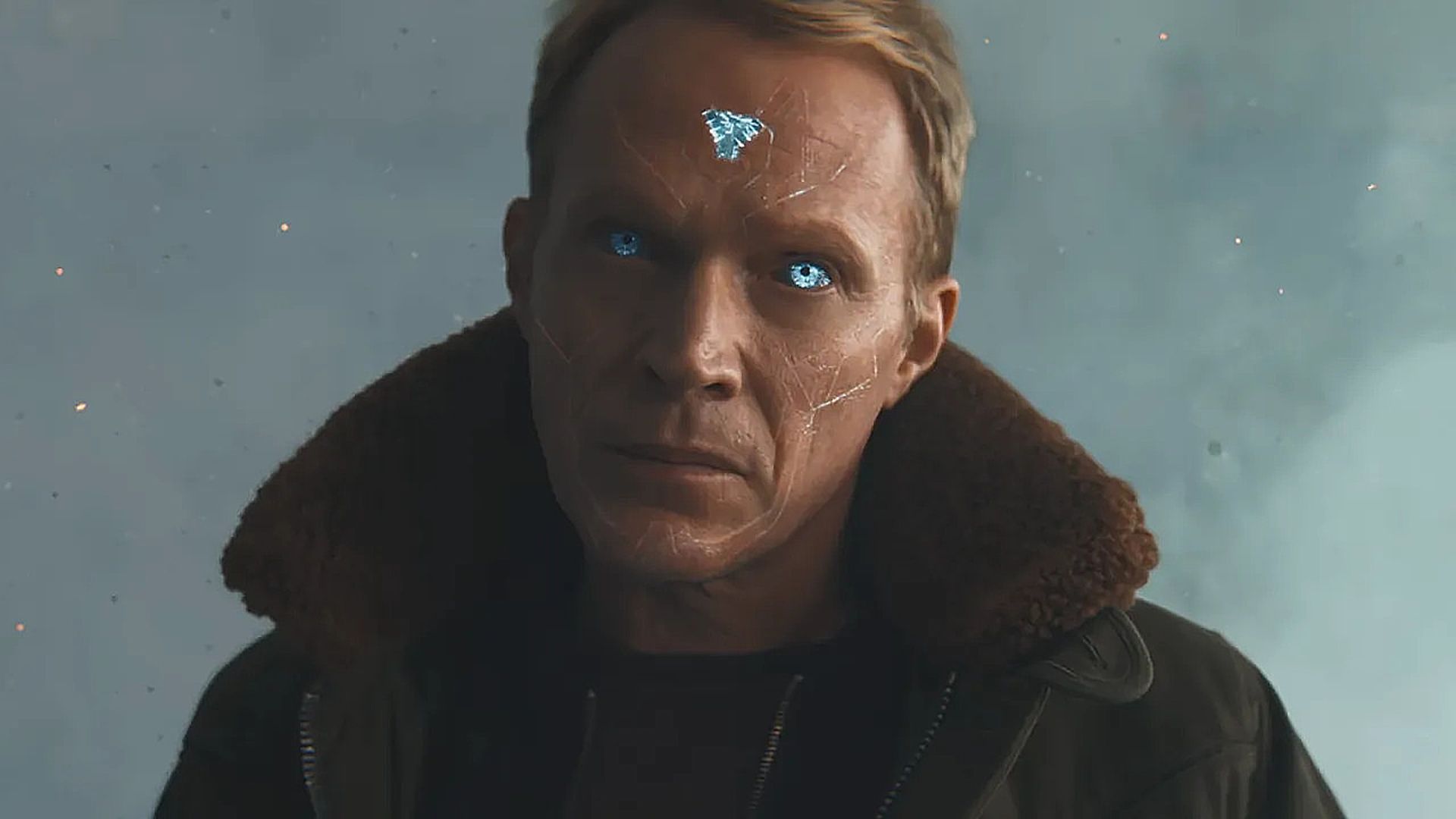
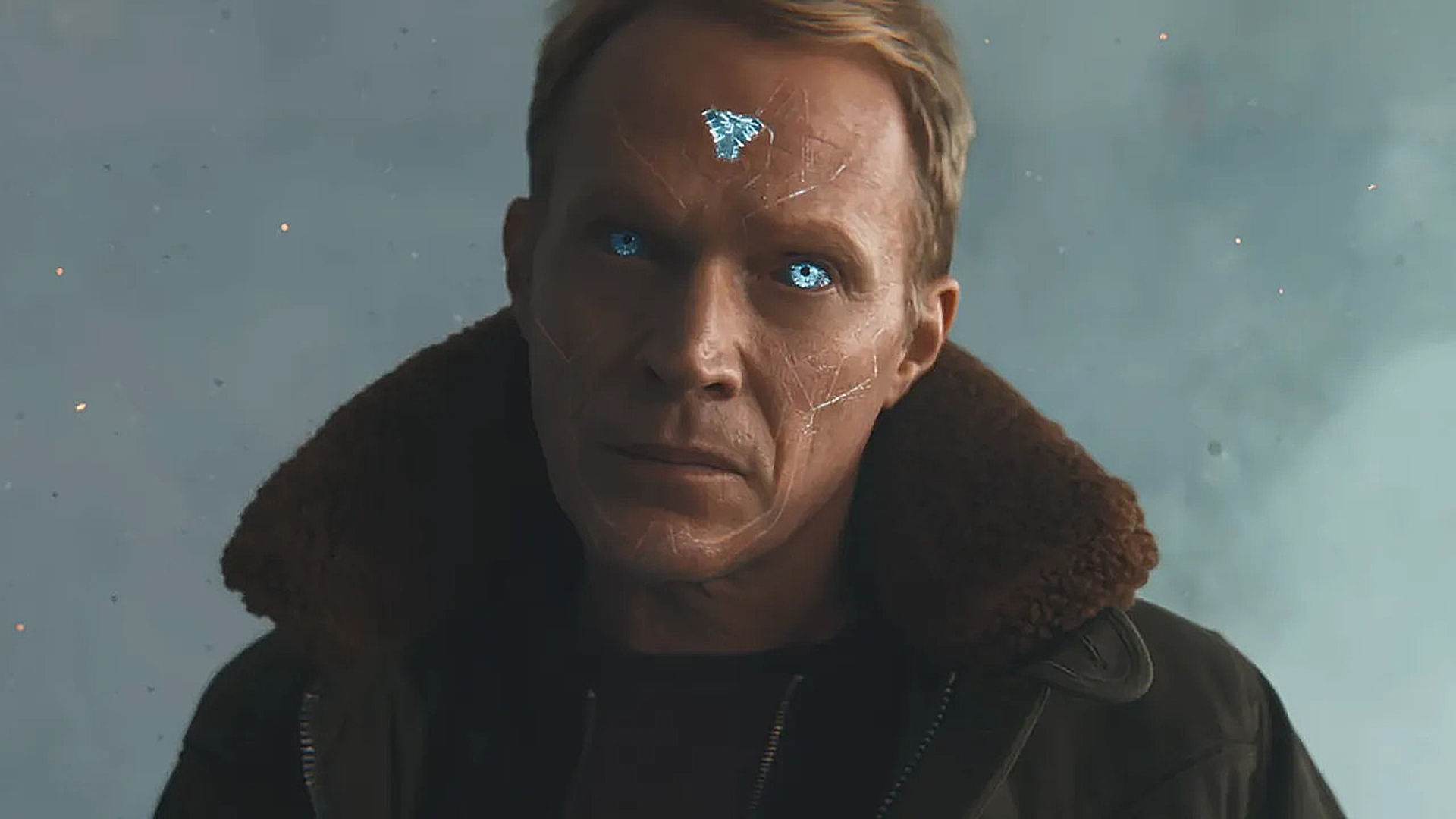
The latest entry to spark continuity debates is Marvel Television’s highly anticipated Disney+ series, VisionQuest, starring Paul Bettany as the titular synthetic hero. Ahead of the show’s October premiere, conflicting statements from star Paul Bettany and showrunner Terry Matalas led many fans to believe the series was anchored in 2024. However, in an exclusive interview, showrunner Terry Matalas clarified the confusion, firmly establishing that VisionQuest takes place in the MCU’s current present day—specifically around the year 2027.
Main Facts: Setting the Record Straight on VisionQuest
The debate surrounding the placement of VisionQuest on the broader MCU calendar has finally been put to rest by those steering the creative ship.
- The Showrunner’s Clarification: In interviews leading up to the series debut, showrunner Terry Matalas confirmed that VisionQuest is set squarely in the MCU’s modern-day timeline, running concurrently with recent cinematic releases like Spider-Man: Brand New Day.
- The Timeline Year: While fan speculation previously leaned toward a 2024 setting—largely based on early cast comments—Matalas affirmed that internal clues within the series point firmly to a 2027 timeframe.
- The Creative Team: Headlined by Paul Bettany returning as the complex synthezoid, VisionQuest serves as a critical pillar in Marvel’s Phase 6 slate on Disney+, exploring the fallout of Vision’s reawakened identity and missing memories.
Chronology and the MCU: The Long Road from Endgame to 2027
To understand why VisionQuest being set in 2027 comes as a surprise to many, one must look back at how the MCU’s timeline has evolved over the past decade.
The Post-Endgame Jump
When Avengers: Endgame hit theaters in 2019, its narrative conceit divided the franchise into two distinct eras: the pre-Blip era and the post-Blip era. Following the five-year time jump in the film’s opening act, the MCU’s primary timeline was pushed forward to the year 2023.
For several years subsequent to Endgame, Marvel projects operated within a compressed window relative to our real-world calendar. While audiences were watching releases in 2021 and 2022, many of those stories were technically transpiring in 2024 within the fictional universe. This created a temporal gap where the MCU was operating a few years ahead of real-world progression.
The Convergence of 2027
With the arrival of Phase 5 and the stepping stones into Phase 6, the fictional timeline has begun to draw closer to a synchronized state with real-world progression, though notable temporal shifts remain.
WandaVision, which aired in early 2021, took place shortly after the events of Avengers: Endgame, placing its narrative firmly in the year 2023. In the finale of that series, White Vision—reprogrammed and imbued with the memories of the original Vision—flew away to parts unknown, leaving his fate wide open.
When Paul Bettany spoke with Rotten Tomatoes regarding the upcoming series, he suggested that VisionQuest would pick up the synthezoid’s story "around a year or so" after the events of Westview. Naturally, fans calculated that if WandaVision occurred in 2023, a one-year gap would place VisionQuest in 2024. However, Matalas’s recent clarifications dispel this, indicating that significantly more fictional time has passed for Vision between his departure in Westview and the events of his solo series.
Supporting Data: Untangling the Fan Theories and Miscommunications
The confusion surrounding the exact date of VisionQuest highlights a broader systemic issue within long-running interconnected franchises: the challenge of maintaining an airtight internal canon.
The Bettany-Matalas Discrepancy
The root of the 2024 theory stemmed directly from Paul Bettany’s interpretation of the production timeline during press engagements. Because actors often shoot scenes out of order or focus intimately on character arcs rather than macro-timeline mathematics, broad estimates can easily miss the mark.
Matalas addressed this discrepancy directly, noting that "it feels like it’s been longer than a year" since the events of WandaVision. Furthermore, eagle-eyed viewers tuning into the early episodes of VisionQuest will encounter contextual dialogue and visual markers that explicitly place the series in 2027.
Parallels with Spider-Man: Brand New Day
Matalas explicitly linked the events of VisionQuest to the timeline of Spider-Man: Brand New Day. By aligning the Disney+ streaming series with the latest theatrical Spider-Man adventures, Marvel is signaling a cohesive block of storytelling within Phase 6. Because Brand New Day anchors itself in the contemporary modern-day status quo of the MCU—widely accepted by continuity sleuths to be hovering around 2027—VisionQuest fits snugly into this broader narrative tapestry.
Official Responses: Behind the Scenes of the Creative Vision
Bringing a character like Vision back to the forefront requires careful coordination between Marvel Studios executives, writers, and directors to ensure that narrative threads from past projects—such as Avengers: Age of Ultron, Captain America: Civil War, Avengers: Infinity War, and WandaVision—are honored.
Terry Matalas, known for his critically acclaimed work on sci-fi television, approached the series with a firm grasp on the character’s philosophical and existential dilemmas. In interviews leading up to the series premiere, Matalas emphasized that the goal of VisionQuest was not merely to drop the character into a nostalgic checklist of past events, but to explore what a sentient being with infinite computational power and fragmented memories does when forced to find a new purpose in a rapidly changing world.
"When you look at where Vision is, he isn’t just picking up the pieces the next day," creative insiders note regarding the tonal shift of the series. "He has had years to wander, to contemplate his existence, and to figure out what humanity—and his own synthetic humanity—actually means to him."
Implications for Phase 6 and Beyond
The confirmation that VisionQuest takes place in 2027 carries significant weight for the broader trajectory of the Marvel Cinematic Universe as it marches toward its next major crossover events.
- Narrative Maturity: By setting the story several years after WandaVision, Marvel allows its characters room to grow organically off-screen. Vision is no longer defined entirely by his relationship with Wanda Maximoff; instead, he is forging an independent identity in a world that has moved past the trauma of the Blip.
- Phase 6 Cohesion: As Marvel coordinates its streaming output with its theatrical slate, establishing a firm timeline anchor helps reduce narrative friction. Fans attempting to map out the Multiverse Saga will find that Phase 6 projects are beginning to form a tighter, more synchronized chronological cluster.
- Future Crossovers: Knowing that VisionQuest runs concurrently with stories like Spider-Man: Brand New Day gives theorists a clearer picture of the geopolitical and technological landscape of the MCU. With various enhanced individuals operating in this window, the stage is being set for larger systemic threats to challenge a world that is still grappling with the evolution of AI, magic, and cosmic intervention.
As all eight episodes of VisionQuest roll out on Disney+, viewers can dive into the series knowing precisely where it sits on the timeline: right in the pulsing, modern-day heart of the MCU’s 2027 landscape.
