Illuminating the Meiji Era: Inside Kyoto Animation’s Breakthrough Netflix Series Sparks of Tomorrow
While manga frequently claims the lion’s share of the spotlight when it comes to source material for Japanese animation, light novels continue to prove themselves as fertile ground for sweeping, cinematic adaptations. A prime example is Hiro Yuki’s acclaimed light novel 20 Seiki Denki Mokuroku (translated as 20th Century Electricity Catalog). Brought to the screen by legendary studio Kyoto Animation under the direction of Minoru Ota, the resulting Netflixseries, Sparks of Tomorrow, has captivated audiences worldwide.
Set against the atmospheric backdrop of early 20th-century Kyoto during the historical Meiji era, the series follows two visionary brothers whose ultimate ambition is to replace outdated steam technology with the revolutionary power of electricity. However, their dreams are abruptly shattered when one brother is called to war and perishes on the battlefield. Years later, a fateful encounter at a local shrine thrusts the surviving brother, Kihachi Sakamoto, into the path of a young girl harboring an unexpected connection to his late sibling—reigniting a dormant desire to change the world.
Behind the narrative core lies an artisanal triumph of 2D animation, artistic direction, and technical wizardry. Sparks of Tomorrow pushes the boundaries of traditional anime production, blending naturalistic storytelling, comedic chibi interludes, and surrealist psychological landscapes into a singular, breathtaking visual identity.
Chronology of Production: From Concept Art to Streaming Screen
The realization of Sparks of Tomorrow required years of meticulous planning, cross-departmental collaboration, and deliberate artistic risks led by Director Minoru Ota and Art Director Mr. Takayama.
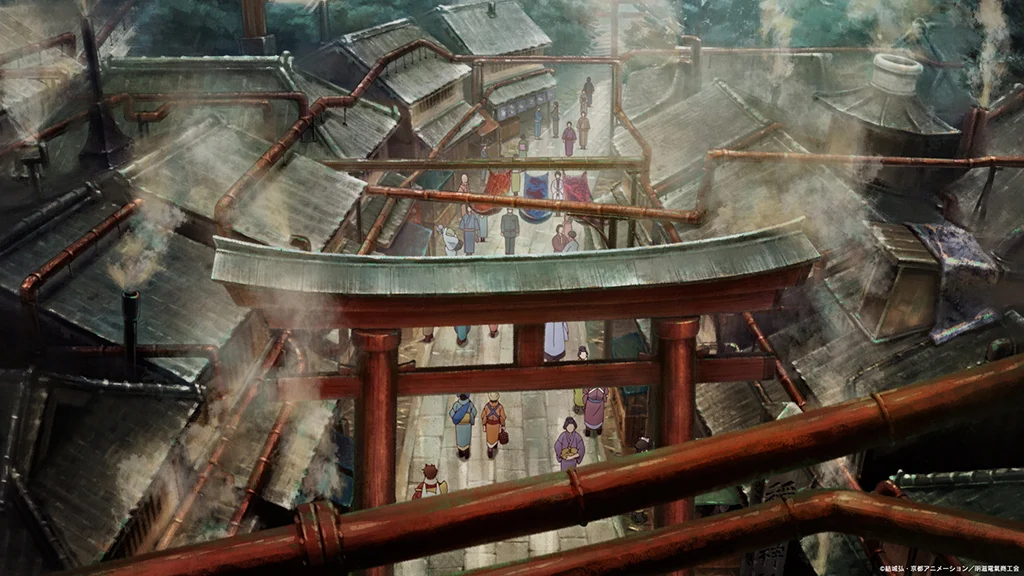
Phase One – World-Building and Urban Design: Production began with the conceptualization of an alternate-history Meiji-era Kyoto. Ota compiled early reference illustrations of the city’s real-world architecture—characterized by pale wood and gray roof tiles—and overlaid an intricate, winding network of industrial steam pipes to establish a steampunk aesthetic.
Phase Two – Color Palette Refinement: Initial concept designs were dominated by heavy brown tones. Finding them lacking in visual poetry, the team pivoted. By anchoring the city’s base in cool blues and pairing it with natural blue skies, they achieved a striking atmospheric balance that mirrored both societal stagnation and historical authenticity.
Phase Three – Experimental Animation Techniques: To illustrate Kihachi’s genius and internal psyche, the production team deployed complex collages, fantasy cutouts, and harmony cels handled directly by the art department rather than the traditional painting team. Certain mind-bending sequences demanded over 100 distinct assets per cut, pushing the studio’s pipeline to its absolute limits.
Phase Four – Climax and Delivery: The production culminated in elaborate compositional feats, including the integration of 3D digital elements with painterly 2D backgrounds during an explosive rooftop escape, setting the stage for the series’ emotional and mechanical payoffs in its final episodes.
Supporting Data & Technical Craftsmanship
The visual language of Sparks of Tomorrow is defined by a deliberate clash of contrasting motifs, innovative compositing methods, and rigorous spatial calculations.
The War of Motifs: Steam vs. Electricity
Ota utilized opposing visual elements to mirror character psychology and societal progress:
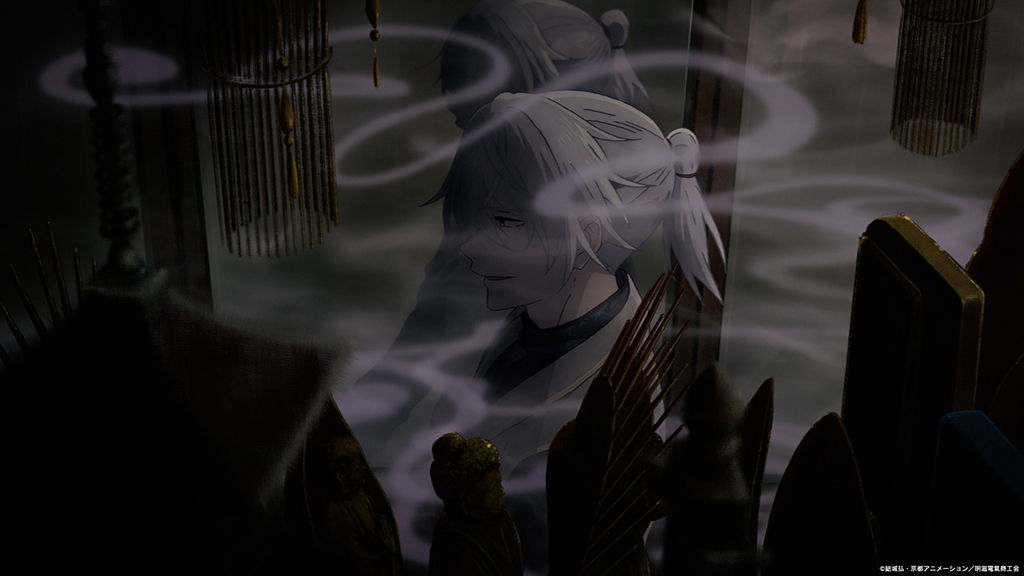
Steam and Smoke: Serving as the visual motif for societal stagnation and emotional paralysis, steam environments were painstakingly crafted by the background team and enhanced by compositing artists who injected subtle color harmonies into the smoke. For character Yosuke Momokawa, the pervasive steam reflects his reliance on past securities, preventing his personal growth.
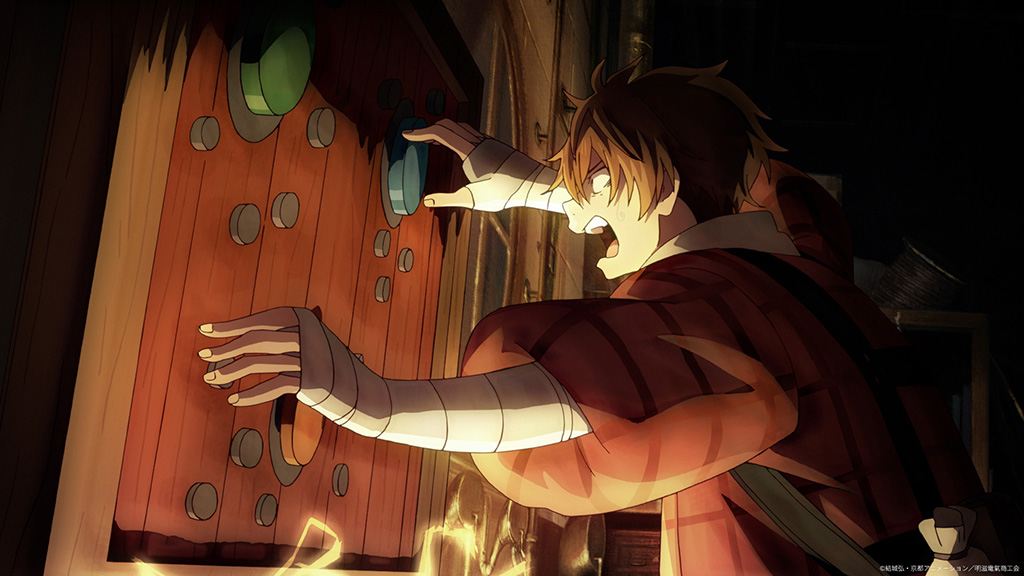
Electricity: In stark contrast, electricity radiates optimism. Lightbulbs cast warm yellow hues onto surrounding buildings and characters, projecting hope. Whenever electrical elements appear—whether through a glowing bulb, the rhythmic turning of a screw in Episode 7, or musical cues—they signal a breakthrough in human potential.
Overcoming the 2D/3D Divide
The production relied primarily on traditional 2D animation, featuring painterly brushstrokes across backgrounds. Integrating angular 3D digital assets into these fluid, hand-painted spaces presented a massive hurdle.
Director Ota likened the challenge to folding a flat photograph in half: “Does it make the image look more three-dimensional? No. The picture is folded, but the image remains flat. Similarly, making 3D elements look natural in 2D animation is not easy and takes specific expertise.” To preserve the integrity of the hand-drawn aesthetic, digital animation was intentionally kept to a minimum and executed exclusively by a select few senior artists.
Subverting Traditional Lighting
To evoke Kihachi’s deep-seated fear of darkness and the oppressive atmosphere of the era, Ota discarded standard anime lighting conventions:
"In anime, what is supposed to be dark is traditionally drawn with surprising brightness… I chose to strip the screen of the sense of security that comes with visibility by making the main lines of the animation cels white and removing the intrinsic color of the characters and the background. This way, I plunged the characters into true darkness."
Official Responses and Creative Insights
Director Minoru Ota has been vocal about the collaborative spirit and uncompromising vision that drove the production. Reflecting on his leadership style, Ota noted that he purposefully kept instructions to animators abstract to encourage individual creative exploration:
"I had many in-depth discussions with each animator until we reached the kind of expression we desired. The main staff and I overcame similar challenges in the early stages of production, so I also had their support as we achieved the targeted quality."
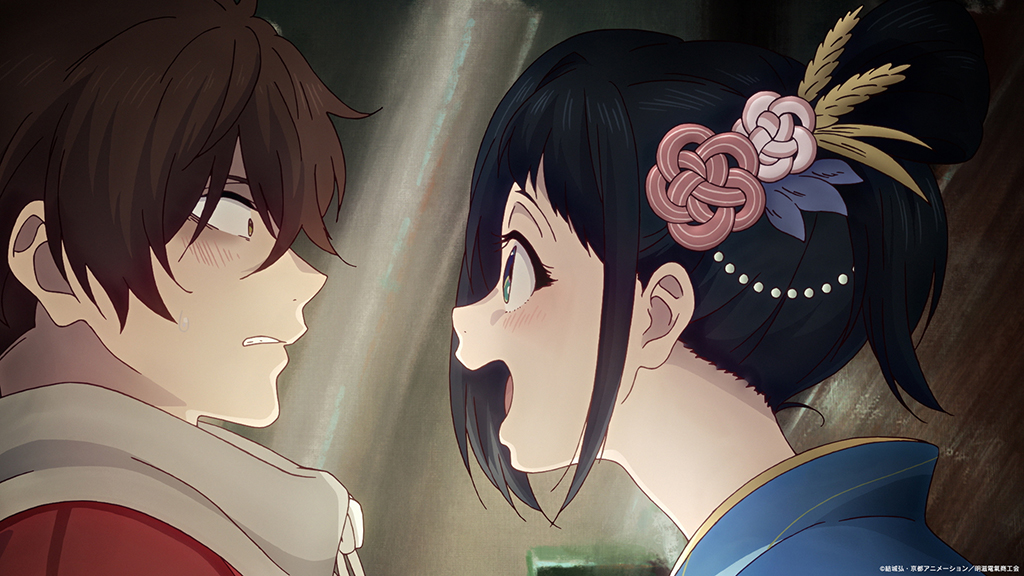
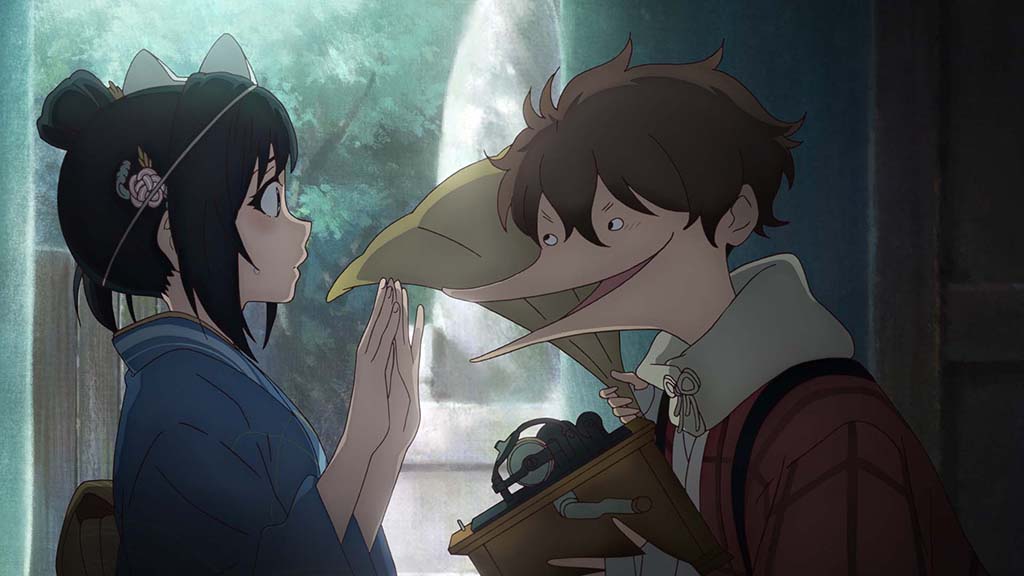
Characters were engineered not merely to advance the plot, but to embody physical and emotional extremes. Inako Momokawa’s earnest innocence is highlighted through close-up shots framed with a normal camera lens, maximizing the emotional pressure resting on Kihachi’s shoulders. Meanwhile, supporting characters like Suzu Harashima—a ninja-fast friend who pulls endless tools from her purse—provided animators with unprecedented creative freedom.
“Work featuring Suzu Harashima was popular among the animators. They always vied to handle the scenes she appeared in,” Ota shares with a smile. “Honestly, she was at the edge of the level of realism we wanted for the action in this series.”
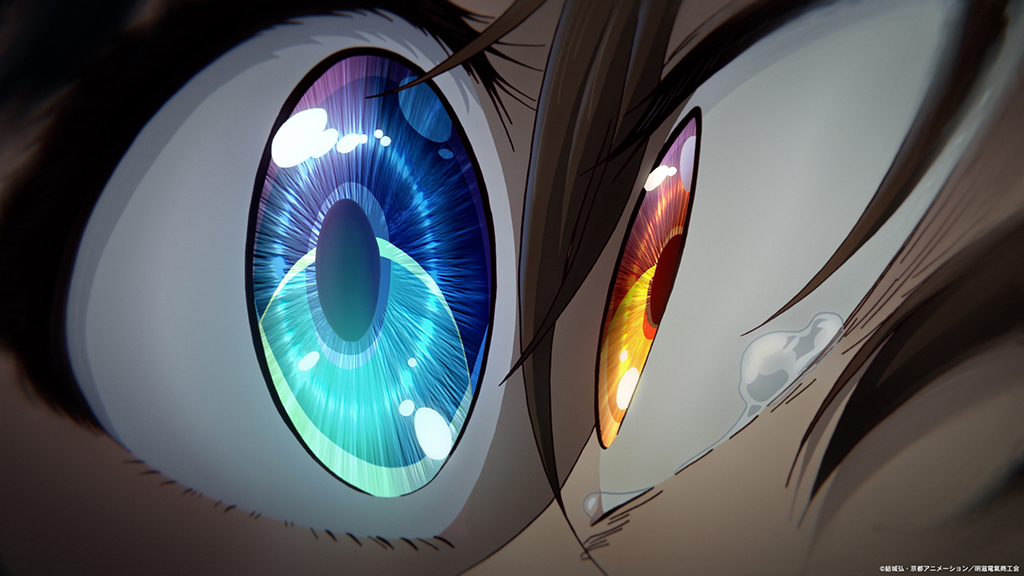
Furthermore, character eyes were utilized as narrative devices to measure sincerity. By placing transparent character art atop the eye reflections, the team visually communicated whether a character was genuinely engaging with their counterpart or lost in their own thoughts.
Implications for Modern Anime Production
Sparks of Tomorrow stands as a testament to the enduring viability of artisanal, risk-taking 2D animation in an era increasingly dominated by digital shortcuts and homogenized CGI. By deliberately subverting anime conventions—such as stripping color from dark sequences, handing color-scripting duties over to background artists, and anchoring steampunk world-building in historical Japanese reference points—Kyoto Animation has redefined what a light novel adaptation can achieve.
The series demonstrates that high-concept narratives do not need to sacrifice artistic integrity for mass appeal. Instead, Sparks of Tomorrow marries psychological depth, historical texture, and technical innovation, proving that the friction between old-world traditions and futuristic ambitions can yield timeless art.
As the series approaches its dramatic conclusion—highlighted by the long-awaited activation of Kihachi’s masterpiece machine in Episode 12—viewers are left with more than just a historical drama. They are treated to a masterclass in visual storytelling, reminding audiences why Kyoto Animation remains one of the premier creative powerhouses in the global animation industry.