Remembering Ann Hornaday: A Trailblazing Voice in Modern Film Criticism
Main Facts: The Loss of a Cinematic Authority
The world of cultural journalism and filmcriticism is mourning the loss of Ann Hornaday, the long-serving, highly respected chief film critic for The Washington Post. Hornaday passed away at the age of 66 following a battle with brain cancer. Her death marks the quiet end of an era for traditional print journalism, drawing reflections from peers across the industry about her distinct blend of intellectual rigor, accessibility, and unwavering dedication to the cinematic arts.
Over a career spanning decades, Hornaday established herself as a cornerstone of American arts reporting. A Pulitzer Prize finalist in 2008 for her incisive reviews and essays, she possessed a rare ability to bridge the gap between high-minded aesthetic analysis and popular appeal. Her passing at 66—shortly after she took a buyout from The Washington Post in 2025—comes at a precarious time for daily newspaper criticism, casting a sharp light on the shifting landscape of cultural commentary where traditional staff positions are rapidly disappearing in favor of freelance writing and digital newsletters.
Chronology: From Iowa City to the Heights of Washington Journalism
Ann Mills Hornaday’s journey to becoming one of the nation’s most trusted cinematic voices was shaped by a rich professional and personal background. Born on March 9, 1960, in Iowa City, she was adopted at birth by Dr. William R. Hornaday Jr., a urologist, and Mary Mills Hornaday, a community philanthropist. Raised in Des Moines, Iowa, Hornaday cultivated an early curiosity about the world and the stories people tell.
She attended Smith College, graduating in 1982 with a degree in government. Seeking a foothold in the cultural and political capital of New York, her first major professional step placed her directly in the heart of second-wave feminism. Hornaday spent two years working as the personal assistant to feminist icon and Ms. magazine co-founder Gloria Steinem. This formative period cemented a lifelong dedication to amplifying women’s voices, an ethos that would quietly thread through her cinematic analyses for the rest of her life.
Following her tenure at Ms., Hornaday honed her journalistic voice as a freelance writer in New York, contributing thoughtful cultural commentary and reviews to prominent outlets, including The New York Times and the celebrated film magazine Premiere.
Her career in institutional film criticism took root in the mid-1990s. She served as the film critic for the Austin American-Statesman from 1995 to 1997, before moving to the Baltimore Sun. In 2002, she found her professional home at The Washington Post, where she spent the next 23 years guiding readers through the shifting tides of Hollywood blockbusters, independent cinema, and international masterpieces. After more than two decades shaping the cultural conversation in the nation’s capital, Hornaday stepped away from the paper via a buyout in 2025.
Even as her health declined, Hornaday’s creative output remained relentless. Shortly before her death, she completed a forthcoming book exploring the behind-the-scenes creation of Alan J. Pakula’s 1976 journalistic masterpiece, All the President’s Men. The book, which examines the collaborative brilliance behind the classic film starring Robert Redford and Dustin Hoffman, is tentatively slated for publication in 2028.
Supporting Data and Critical Philosophy: Understanding the Medium
Hornaday’s impact on film criticism is documented not only by her decades of daily reviews, but also by her contributions to film education and literature. In 2017, she published Talking Pictures: How to Watch Movies, an engaging, accessible guide designed to demystify the cinematic medium for everyday audiences. Rather than gatekeeping film theory, Hornaday sought to invite readers into the creative process through conversations with industry masters. The book featured illuminating insights from legendary figures, including screenwriter Kenneth Lonergan on the anatomy of dialogue, sound design pioneer Robert Altman, actor Jack Lemmon on the nuances of performance, and visionary director Spike Lee on the power of cinematography.
Her analytical framework treated cinema not merely as entertainment, but as a complex psychological and historical artifact. In a 2022 essay, Hornaday articulated her philosophy on the unique nature of the medium:
"Of all artistic mediums, cinema occupies the trickiest space between fabrication and reality, exploiting the porous nature of both to become a third thing entirely: the distortion of the literal truth that becomes internalized as consensus history."
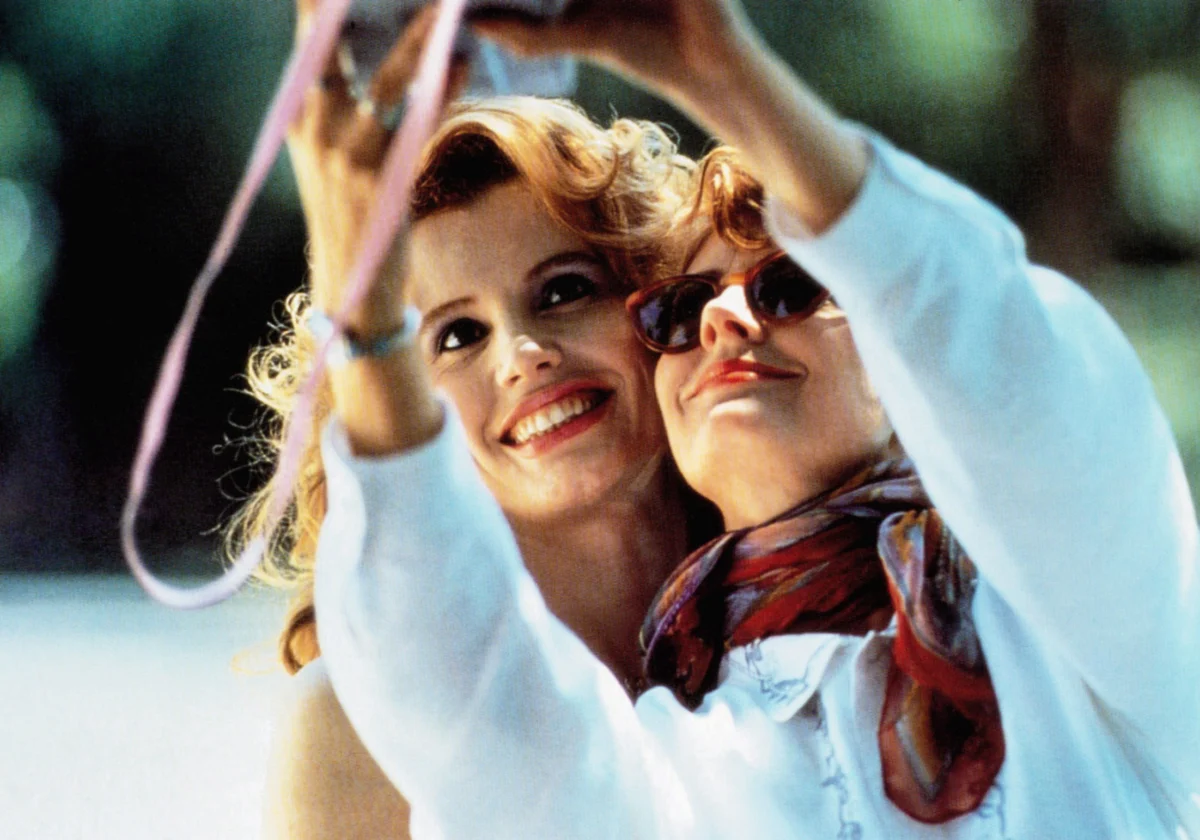
This philosophy was frequently anchored by her championing of complex female narratives on screen. She was famously drawn to Ridley Scott’s 1991 landmark road film Thelma & Louise. Writing about the picture in 2023, she reflected on its profound personal and cultural resonance:
"The film had nothing to do with my real life, other than the exhilaration of watching two women light out for the territory, with zero figs to grade and needing only each other for support. Is this what Easy Rider felt like to baby boomer men?"
Official Responses and Tributes: A Generous Colleague
In the wake of her passing, colleagues, filmmakers, and fellow critics flooded social media and journalistic platforms with memories of Hornaday’s warmth, intellectual generosity, and sharp wit.
Former Washington Post writer Jada Yuan shared a poignant remembrance online, highlighting the personal grace that matched Hornaday’s professional achievements:
"She was also generous and funny and kind and would send random notes praising your work and sign them, ‘Your fan, always.’ When she got sick, right after taking the buyout, she called because she knew I was going to film festivals and didn’t want me to worry about keeping anything secret from her friends. So, please, talk about Ann. Share your stories."
Thelma Adams of The Wrap recalled walking out of a film screening alongside Hornaday and discussing the shifting tides of their shared profession. Throughout her career, Hornaday was a steadfast presence on the international and domestic festival circuit, frequently participating in high-profile panels and presiding over juries, such as the annual AFI Awards Lunch. Her peers remembered her not just as a formidable intellect who outlasted many contemporaries in a volatile media climate, but as a nurturing mentor and friend who consistently elevated the work of those around her.
Hornaday is survived by Lawrence Greenia, her husband of 26 years; their daughter, Victoria Greenia; her stepdaughter, Leila Greenia; and her brother, William Hornaday III.
Implications: The Shrinking Landscape of Daily Film Criticism
The death of Ann Hornaday is being felt deeply not only as a personal tragedy for those who knew her, but as a symbolic milestone for arts journalism at large. Conversations sparked by her passing among veteran critics like Adams point to a stark reality: the era of the well-resourced, daily newspaper staff film critic is rapidly drawing to a close.
For decades, critics like Hornaday provided institutional stability, trusted authority, and consistent, long-form cultural context to major metropolitan dailies. As legacy newspapers restructure, offer buyouts, and scale back dedicated arts coverage, the critical ecosystem has fragmented. Today, much of the intellectual heavy lifting in film criticism has migrated to independent newsletters, freelance platforms, and digital-first publications.
Hornaday’s career represents the pinnacle of the traditional critic’s model—a career defined by longevity, deep institutional backing, and a profound commitment to cultivating a community of thoughtful, engaged filmgoers. As the industry continues to pivot toward algorithmic recommendations and decentralized digital commentary, the loss of Ann Hornaday’s steady, eloquent, and fiercely independent voice leaves a void that will be exceptionally difficult to fill.