
End of an Era: Star Trek: Strange New Worlds Slips From Paramount+ Global Charts Ahead of Final Season
By Global Entertainment Desk
Published October 7, 2026
Main Facts: A Sudden Shift in the Streaming Landscape
The streaming voyage of Star Trek: Strange New Worlds has hit a turbulent patch. Following its explosive Season 4 finale on September 24, 2026, the acclaimed Paramount+ sci-fi series has officially exited the platform’s global Top 10 TV shows chart. According to data provided by FlixPatrol, the series held its ground as the 10th most-watched television program worldwide as recently as Sunday, October 4. However, it has since vanished from the premier global ranking, ceding ground to heavy-hitting, non-sci-fi contenders.
While the loss of a top-tier streaming position might feel alarming for a tentpole franchise, industry analysts note that such drops are common during hiatus periods, particularly when a show is between active season rollouts. Nevertheless, the timing is deeply symbolic. The chart dip arrives just as Strange New Worlds prepares to boldly go into its fifth and final season—a shortened, six-episode victory lap that will officially close the book on this iteration of the USS Enterprise.
Despite dropping off the global top tier, the series retains impressive regional pockets of strength, charting strongly in European markets such as Germany, Austria, and Switzerland. Yet, as the countdown to the series finale begins, the streaming regression invites broader questions about the current health of franchise television on dedicated studio-owned platforms.
Chronology: The Trajectory of a Modern Sci-Fi Phenomenon
To understand the significance of the recent chart drop, it is helpful to trace the trajectory of Star Trek: Strange New Worlds since its inception:
- May 2022: Star Trek: Strange New Worlds premieres on Paramount+, conceived as a direct spin-off of Star Trek: Discovery. Built on the foundation of classic characters introduced in Star Trek: The Original Series, the show is praised for bringing back episodic storytelling to the modern franchise.
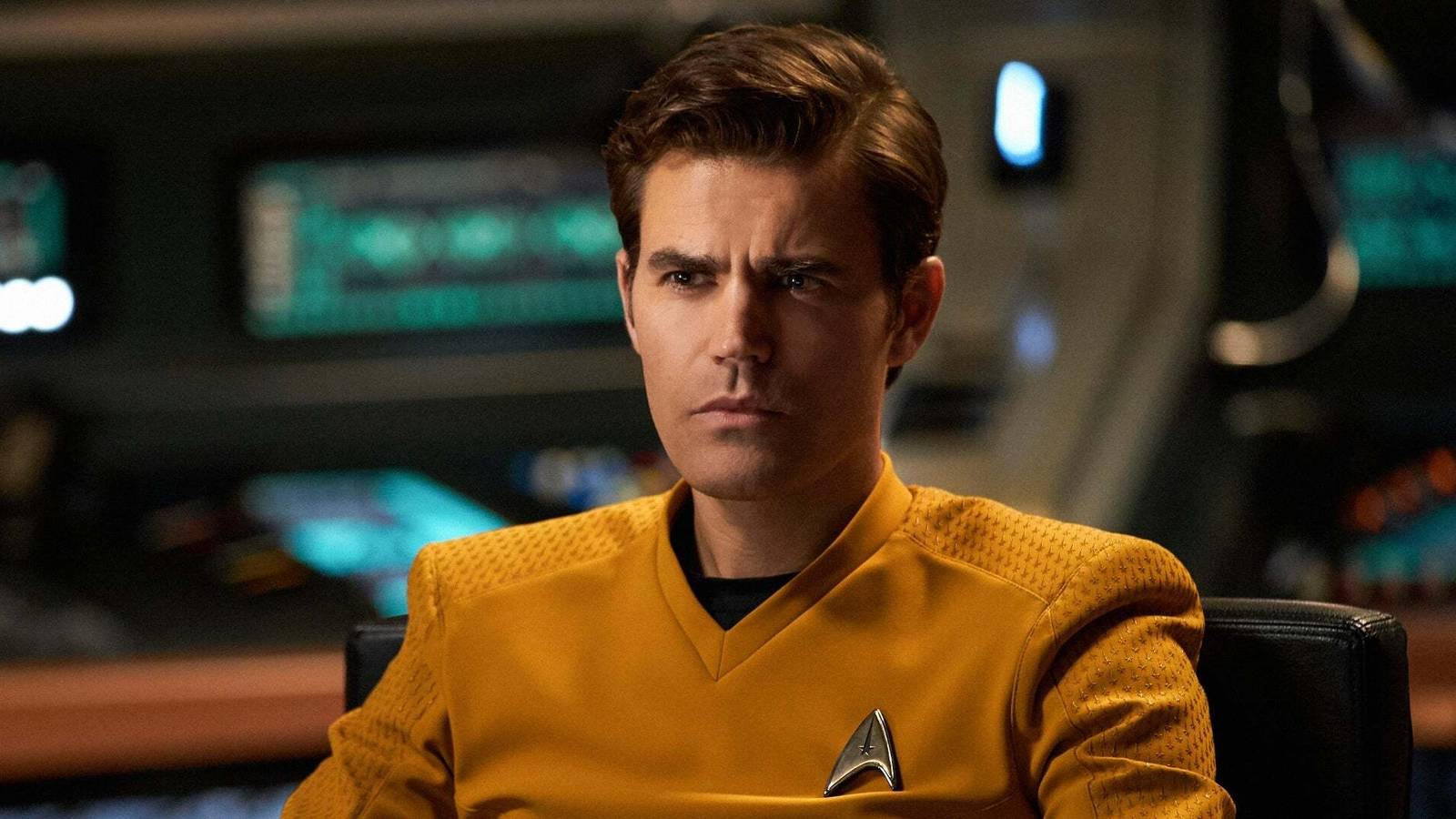
- 2023–2025: Over the course of its second, third, and fourth seasons, the show solidifies its status as a critical darling, earning praise for the performances of Anson Mount (Captain Christopher Pike), Rebecca Romijn (Number One), Ethan Peck (Spock), and Paul Wesley (Lieutenant James T. Kirk).
- September 24, 2026: Paramount+ debuts the Season 4 finale of Strange New Worlds, driving a temporary surge in global viewership that secures the series a spot in the platform’s worldwide Top 10.
- October 4, 2026: Strange New Worlds records its final day on the global FlixPatrol chart, occupying the #10 spot before slipping out of the rankings entirely.
- October 7, 2026: Streaming data confirms the end of the show’s consecutive run on the global chart, sparking discussions across fandoms regarding its upcoming, abbreviated final season.
Supporting Data: Streaming Metrics and Regional Resilience
A closer examination of current streaming analytics reveals a nuanced picture for the Paramount+ flagship. While global mass-market viewership has cooled in the immediate aftermath of the Season 4 finale, niche and international engagement remains surprisingly vibrant.
Global Chart Standings
As of the latest tracking metrics, Paramount+’s global catalog is dominated by gritty, grounded dramas—a testament to the sweeping popularity of Taylor Sheridan’s expansive television universe. The current global leaderboard highlights a stark programming preference on the platform:
- Marshals (Holding the #1 spot globally)
- Special Ops: Lioness
- Tulsa King
- Yellowstone
- Dutton Ranch
Against this lineup of Westerns and geopolitical thrillers, high-concept science fiction faces steep competition for casual, mainstream viewers. Without a fresh weekly episode to drive water-cooler momentum, Strange New Worlds naturally gave way to serialized crime and drama hits.
International Strongholds
While the show has fallen off the global top ten list, it is far from invisible on the world stage. Regional tracking data from FlixPatrol highlights persistent enthusiasm across Central Europe:
- Switzerland: Currently ranked as the #6 most popular series on Paramount+.
- Germany: Holding strong at the #7 position.
- Austria: Securing the #8 spot.
These figures indicate that while domestic and generalized global metrics have plateaued, core international fanbases continue to stream the series regularly, keeping its underlying momentum alive.

Official Responses and Creative Direction
Paramount+ executives and showrunners Henry Alonso Myers and Akiva Goldsman have maintained a forward-looking perspective on the franchise. While studio representatives have not issued a formal statement regarding the fluctuation in streaming charts, the overarching strategy for the Star Trek universe has been a subject of frequent industry discussion.
The decision to conclude Strange New Worlds with a shortened sixth-season order—cutting down from the traditional ten-episode format to just six episodes for Season 5—has been framed by creators as a deliberate choice to ensure a high-impact, uncompromising conclusion.
Behind the scenes, the creative team has frequently emphasized their commitment to honoring the rich continuity established by Gene Roddenberry in 1966. Showrunner Akiva Goldsman noted in past press engagements that every season is treated as a distinct cinematic voyage. Meanwhile, actor Paul Wesley’s nuanced portrayal of a younger James T. Kirk has kept fan speculation alive regarding potential future spin-offs, most notably whispers of a hypothetical Star Trek: Year One project that would explore Kirk’s early days commanding the USS Enterprise.
Implications: What the Chart Drop Means for the Future of Star Trek
The departure of Strange New Worlds from the global charts carries several vital implications for both Paramount+ and the broader Star Trek franchise as it moves toward 2027 and beyond.
1. The Shifting Economics of Franchise Streaming
As dedicated streaming services mature, studios are increasingly leaning into hyper-dominant, broad-appeal genres—such as Taylor Sheridan’s robust slate of dramas—to capture casual subscribers. For legacy sci-fi properties like Star Trek, maintaining a continuous, uninterrupted presence on global top charts requires either a nearly constant pipeline of new content or massive breakout event programming. The gap between Season 4 and the forthcoming final season exposes the vulnerability of serialized sci-fi in retaining top-of-mind awareness during post-season windows.
2. High Stakes for an Abbreviated Final Season
With Season 5 slated as a truncated six-episode run, the creative team faces intense pressure to deliver a satisfying narrative closure. Unlike previous seasons that had room for standalone, experimental episodes (such as the celebrated musical crossover or animated hybrid installments), the final season will likely need to focus heavily on narrative propulsion, tying up character arcs for Pike, Spock, Nurse Chapel, and the rest of the crew before they transition into the established Original Series timeline.
3. Fan Anticipation and the "Year One" Legacy
Despite the streaming chart regression, fan engagement remains hyper-focused on what comes next. The passionate campaign for a prospective Star Trek: Year One series proves that the audience’s appetite for this specific era of Star Trek storytelling is far from exhausted. Whether Paramount+ chooses to invest further in this timeline or pivot to entirely new eras of the sci-fi universe will likely depend heavily on how successfully Strange New Worlds executes its final six episodes.
As the final countdown begins, the legacy of Strange New Worlds is already secured as one of the modern era’s most beloved iterations of space exploration. Whether it can stage a triumphant return to the global streaming charts upon its ultimate farewell remains one of the most compelling storylines to watch in contemporary television.
