
DC Comics Teases a Massive, Controversial Retcon That Could Rewrite Green Lantern History Forever
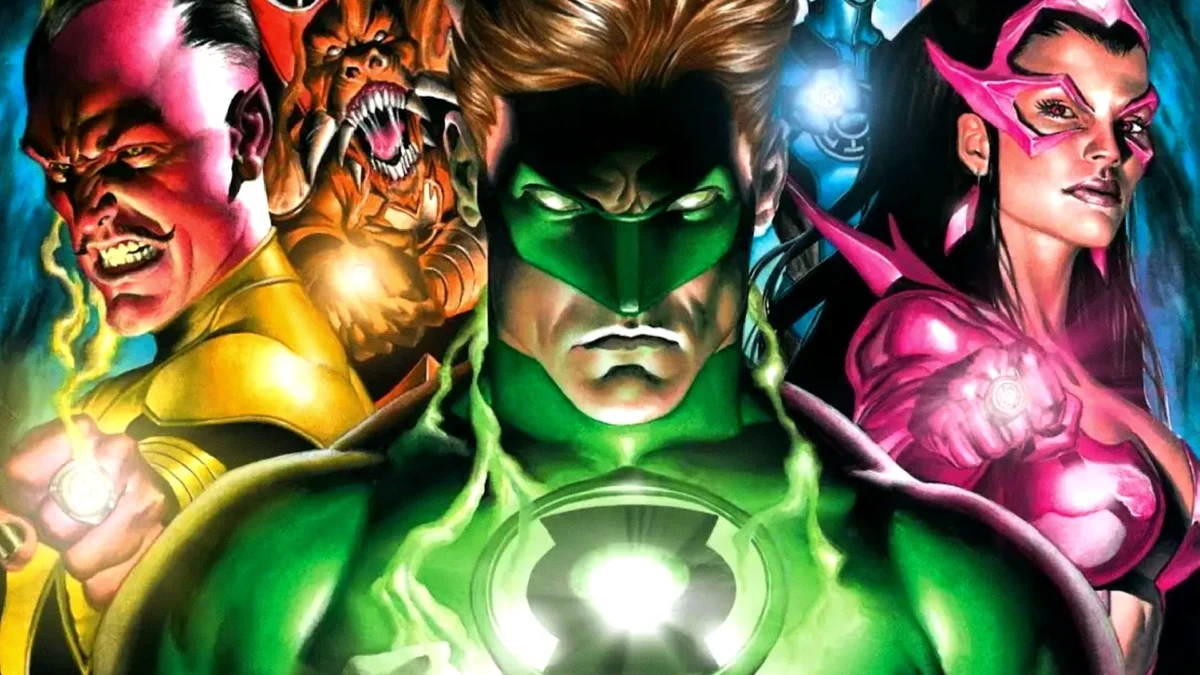
For decades, the cosmic mythology underpinning DC Comics’ Green Lantern franchise has been celebrated for its elegant simplicity. While other science fiction universes drown in dense, convoluted lore, the concept of the Emotional Spectrum has always been remarkably intuitive. Color-coded cosmic forces directly reflect fundamental human experiences: green represents willpower, yellow embodies fear, red signifies rage, and violet stands for love.
The historical timeline of the Green Lantern Corps flowed with a logical, sweeping grandeur. It began with the Guardians of the Universe creating the robotic Manhunters, followed by the eventual dismantling of that flawed police force in favor of an organic, galaxy-spanning legion of heroes powered by sentient ring constructs.
However, DC Comics is now preparing to introduce an ambitious, paradigm-shifting twist that could completely upend the foundational origins of the Green Lanterns. Set to arrive in early 2027, this upcoming narrative development promises to redefine the franchise—though it risks alienating longtime fans who hold fast to the classic, inspiring space-opera traditions of the universe.
Main Facts: The "First Light" Finale and the Maltusian Child Twist
The focal point of this impending cosmic upheaval is Green Lantern Corps #24, written by Morgan Hampton with artwork by Fernando Pasarón and Oclair Albert. Scheduled for release on January 13, 2027, the issue marks the explosive conclusion to the "First Light" story arc.
According to official solicitations from DC Comics, the core premise of the issue challenges the very legitimacy of the Green Lantern Corps. The billions of lives saved by the intergalactic police force throughout history are set to be weighed directly against the suffering of a single entity: the "last child of Maltus."
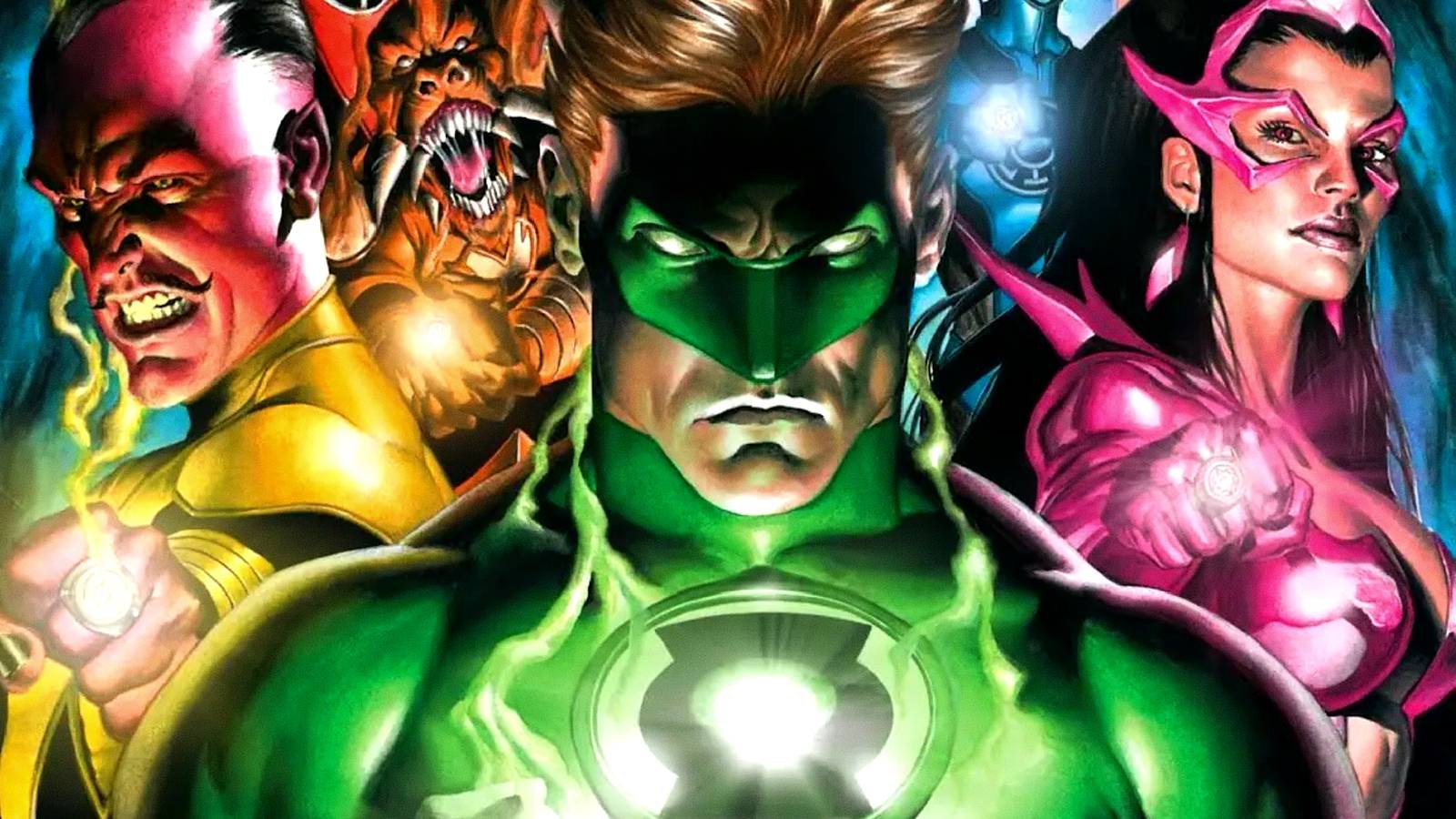
The implications of this tease are staggering. If the solicitations hold true, every single ring construct, energy blast, and heroic feat performed by generations of Lanterns has not been fueled by ambient cosmic willpower, but rather siphoned from the dormant, comatose power of a single trapped child entity. This revelation transforms the noble Guardians of the Universe from wise, austere benefactors into horrific cosmic parasites who exploited an infant for centuries to sustain their policing empire.
Chronology: A History of Bold Swings and Disastrous Retcons
To understand why this upcoming twist has the comic book community buzzing with anxiety and anticipation, one must look at the historical precedent of major Green Lantern retcons. The franchise is no stranger to radical narrative shifts, some of which famously missed the mark.
The 1990s: The Parallax Fallacy
The most infamous controversy in Green Lantern history occurred during the 1990s. In a shocking editorial push toward the "grimdark" aesthetics of the era, a grieving Hal Jordan—devastated by the destruction of Coast City—slaughtered his fellow Corps members, absorbed the Central Power Battery, and transformed into the villainous Parallax.
The heel-turn was so jarring and unpopular with purist readers that DC later had to implement a retroactive continuity fix. Geoff Johns’ acclaimed run eventually established that Hal Jordan had not acted entirely of his own volition; rather, he had been possessed by Parallax, a parasitic cosmic entity representing fear itself.
The Guardians’ Machinations
Another historical sore point involved the Guardians orchestrating the death of Hal Jordan’s father, Martin Jordan, simply to ensure that Hal would inherit his power ring due to an unbroken lineage of fearlessness. While this added dark intrigue to the mythos, subsequent creative teams gradually skirted around the twist, ultimately smoothing over the edges in definitive arcs like Green Lantern: Secret Origin.

Now, the "First Light" arc threatens to deliver a retcon that dwarfs the severity of both the Parallax possession and the Guardians’ dark manipulations.
Supporting Data: The Expanding Scope of the Corps
The stakes of Green Lantern Corps #24 extend far beyond a philosophical crisis. The issue is shaping up to be a massive crossover event in miniature, featuring appearances by heavy-hitting heroes like the Flash and Green Arrow. Furthermore, the active roster of characters involved reads like a who’s who of DC’s cosmic pantheon:
- The Alpha Guardians: A diverse new coalition representing various factions of the Emotional Spectrum, including prominent figures like John Stewart and Jessica Cruz.
- The Darkstars: The Corps’ long-standing, lethal rivals in planetary and interstellar justice, fated to clash directly with Earth’s Lanterns.
- Black Hand and the Light of Life: The literal embodiment of death and the primordial spark of existence are caught directly in the crossfire, heavily hinting at a spiritual successor to the legendary Blackest Night event.
As these galactic tensions reach a boiling point, active members of the Corps will be forced to confront the collateral damage left in the wake of their countless battles—and the horrifying source of the power that keeps their rings glowing.
Official Responses and Creative Direction
While DC Comics has kept detailed plot specifics under tight wraps, the creative team behind Green Lantern Corps #24 has leaned heavily into the thematic weight of the narrative. Writer Morgan Hampton and artists Fernando Pasarón and Oclair Albert are tasked with delivering an emotional reckoning for characters who have spent decades viewing themselves as the unquestioned moral guardians of the cosmos.
Solicitation materials explicitly highlight the moral ambiguity of the upcoming conflict:
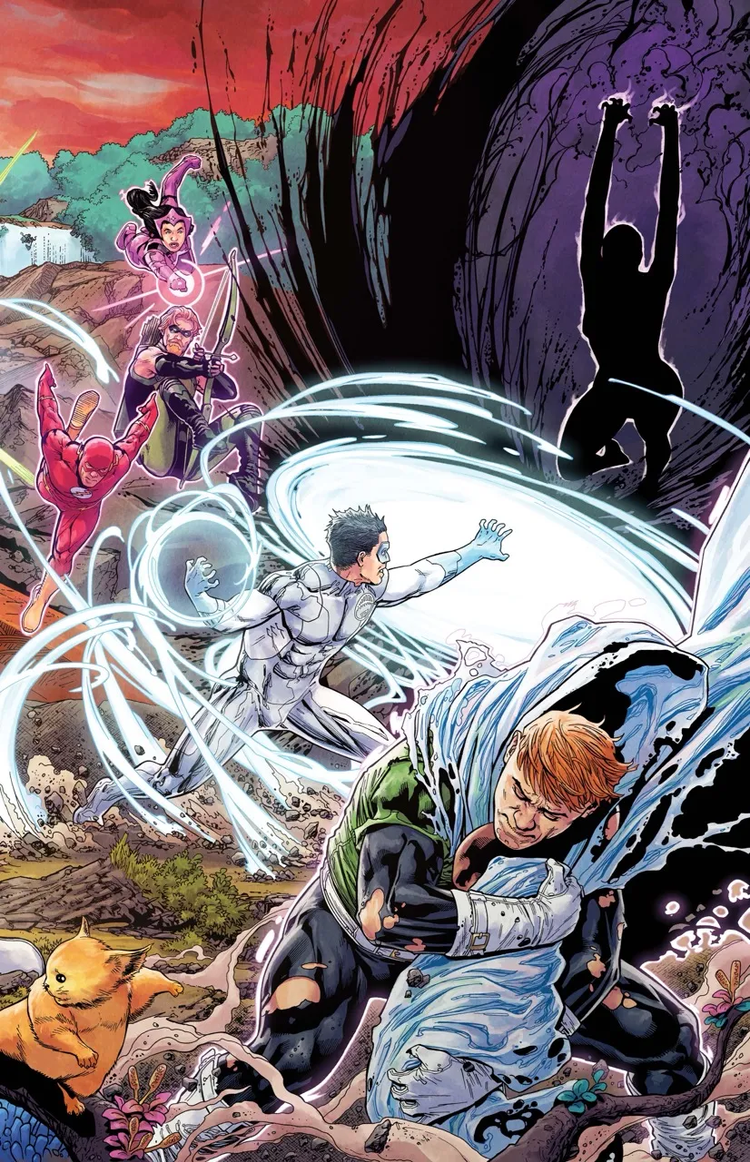
"The billions of lives saved by the Green Lantern Corps will be questioned and weighed against the life of ‘one friendless child.’"
This narrative framing suggests that DC is deliberately aiming to strip away the glossy, infallible veneer of the Corps, forcing characters like Guy Gardner, Kyle Rayner, John Stewart, and Jessica Cruz to look inward at the systemic cost of their universe-spanning authority.
Implications: A Heroic Legacy on the Brink
The introduction of the "last child of Maltus" twist carries profound implications for the future of the DC Universe. If the Green Lantern rings are indeed powered by a trapped, comatose infant, the psychological toll on the heroes will be immediate and devastating.
Continuity Headaches vs. Fresh Narrative Blood
Detractors of the idea argue that it leans too heavily into the cynical, overly edgy tropes of 1990s comic book writing. Forcing icons like Hal Jordan and John Stewart to realize their entire superhero careers were built on child exploitation risks alienating readers who prefer the traditional, inspiring sci-fi heroism that made the franchise a cornerstone of DC Comics. Moreover, it introduces glaring continuity questions regarding the established origins of the Emotional Entities and previous massive crossovers.
On the other hand, supporters see potential in this disruptive gamble. Franchises often stagnate without bold structural challenges. By completely dismantling the moral authority of the Guardians and the source of the ring-bearers’ power, DC has an opportunity to reinvent the Green Lantern hierarchy from the ground up. How do you enforce justice across the cosmos when you discover your badge was forged in the suffering of an innocent?
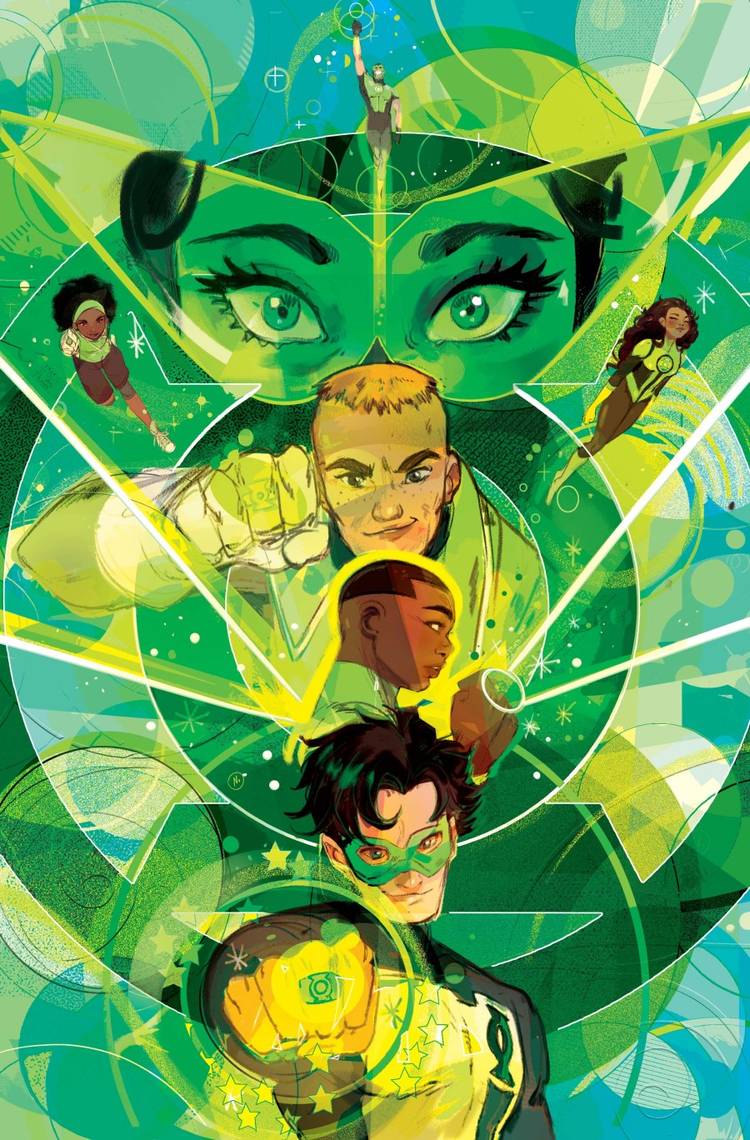
As Green Lantern Corps #24 hits comic book shelves on January 13, 2027, readers will finally learn whether this ambitious gamble pays off or becomes another cautionary tale in the annals of comic book retcons.
