
The Echoes of Grief: Why Peter Medak’s ‘The Changeling’ Remains the Gold Standard of Supernatural Horror
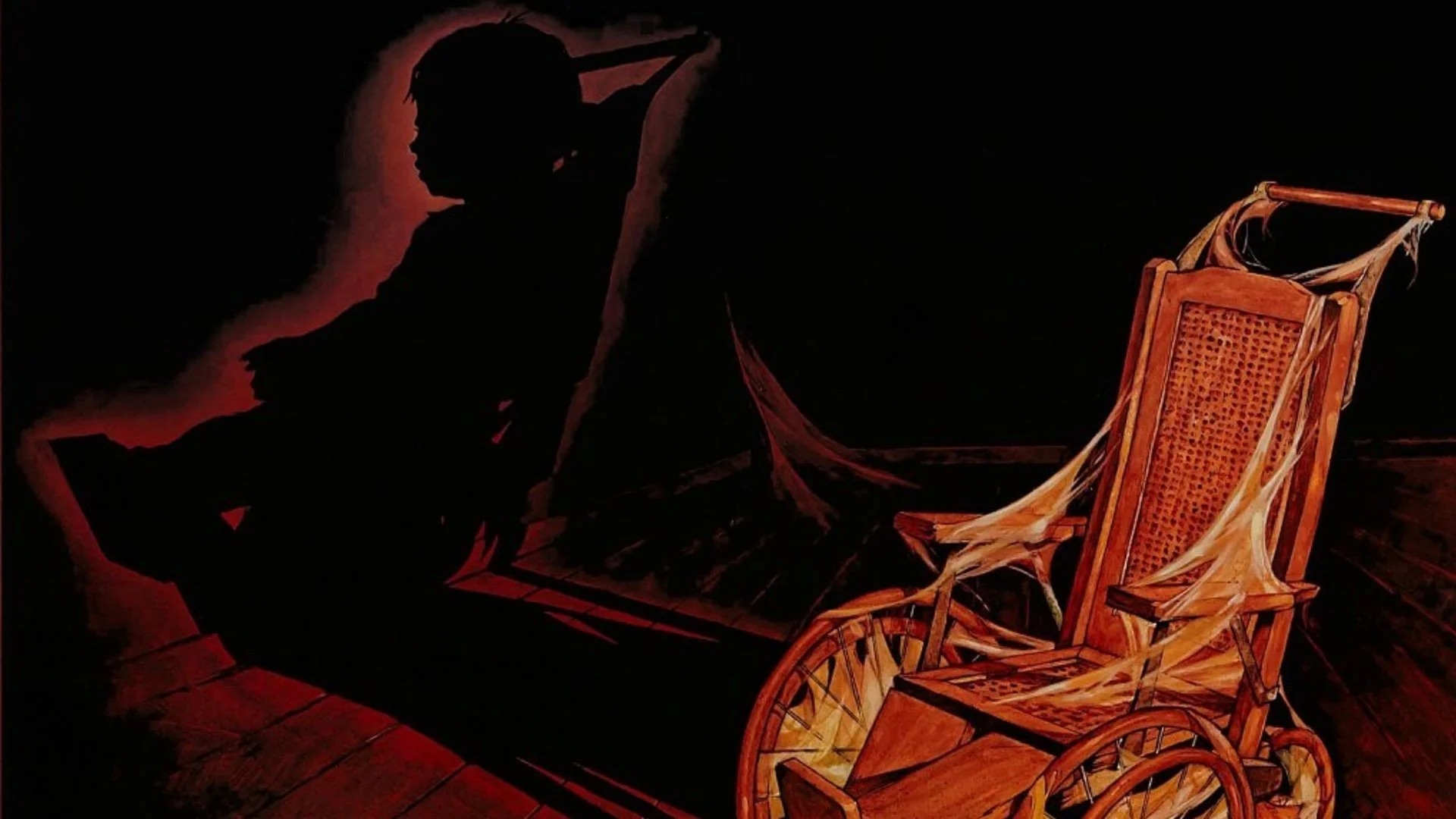
In the annals of cinematic history, few films have managed to capture the intersection of profound personal tragedy and supernatural dread with the chilling precision of Peter Medak’s 1980 masterpiece, The Changeling. As we revisit the films that defined the genre, The Changeling stands not merely as a relic of the late 20th century, but as a seminal work that recalibrated the audience’s expectation of fear. Starring the legendary George C. Scott in a performance defined by raw, unvarnished grief, the film eschews the slasher-movie tropes that dominated its era in favor of a creeping, psychological malaise that continues to haunt viewers more than four decades later.
Main Facts: The Architecture of Fear
At its core, The Changeling is a gothic mystery wrapped in the shroud of a ghost story. The narrative centers on John Russell, a grieving composer who retreats from the cacophony of his life in New York following the sudden, harrowing deaths of his wife and daughter in a car accident. Seeking solace and a fresh start, Russell relocates to Seattle, where he rents the Chesman House—a sprawling, cavernous Victorian mansion that seems to possess a heartbeat of its own.
The film operates on the premise that trauma leaves an imprint. As Russell attempts to compose, he finds his sanctuary invaded by inexplicable phenomena: the rhythmic thudding of footsteps in the attic, the inexplicable movement of inanimate objects, and the persistent presence of a spectral entity demanding to be heard. What follows is a descent into a cold-case mystery involving a murdered child, a concealed room hidden beneath the floorboards, and a decades-old conspiracy that implicates the city’s elite. Unlike the visceral, blood-soaked horror films that would define the 1980s, The Changeling relies on the power of suggestion, sound design, and the palpable weight of silence.
Chronology: A Descent into the Past
The production and reception of The Changeling offer a fascinating look at the shift in horror aesthetics during the early 1980s.
- 1979 (Production): Directed by Hungarian-born filmmaker Peter Medak, the film was shot primarily in Vancouver, British Columbia, though it is set in the rainy, atmospheric backdrop of Seattle. Medak was tasked with adapting a screenplay written by Russell Hunter, William Gray, and Diana Maddox, which was loosely inspired by true events reported by composer Russell Hunter.
- 1980 (The Release): The film hit theaters in March 1980. While it did not reach the blockbuster status of The Shining—released later that same year—it garnered significant critical acclaim for its restraint and performance-driven storytelling.
- 1980–1990 (The Cult Ascent): Throughout the eighties, the film gained a massive cult following via the burgeoning home video market. It became a staple of late-night television, with its most iconic scene—the bouncing red rubber ball—becoming a shorthand for cinematic terror.
- 2000–Present (Legacy Evaluation): In the modern era, critics and horror scholars have retroactively identified The Changeling as a primary progenitor of the "prestige horror" movement, influencing contemporary hits like The Ring (2002) and The Conjuring (2013).
Supporting Data: The Anatomy of a Masterpiece
To understand why The Changeling remains effective, one must look at the technical and structural choices that distinguish it from its contemporaries.
The Performance of Grief
George C. Scott, an actor known for his explosive and powerful screen presence, brings a quiet, devastating vulnerability to the role of John Russell. By anchoring the film in the reality of human loss, the supernatural elements become secondary to the emotional journey of the protagonist. When Russell encounters the ghost, he is not merely reacting to a scare; he is engaging with the manifestation of his own unresolved sorrow.
Sound and Silence as Narrative Devices
The film’s sound design is a masterclass in tension. Medak utilizes long, unbroken takes and stretches of complete silence to prime the audience for the eventual sonic disturbances. The sound of a glass shattering, a wheelchair moving across hardwood, or the rhythmic bouncing of a ball are all the more terrifying because they are contextualized within a quiet, sterile environment.
Production Design
The Chesman House is effectively the film’s secondary protagonist. The production team focused on creating a space that felt lived-in yet inherently wrong. By utilizing long hallways, high ceilings, and a color palette of muted earth tones and deep shadows, the set design forces the viewer to constantly scan the corners of the frame. It is a perfect example of how architectural space can dictate the pacing of a horror film.
Official Responses and Critical Appraisal
Upon its release, The Changeling received praise for its maturity. The New York Times and other major outlets noted the film’s ability to "scare the living daylights" out of audiences without relying on the gore that was then becoming the standard for the genre.
"It is a rare horror film that treats its audience like adults," noted contemporary critics during the film’s 25th-anniversary retrospective. The late Peter Medak himself often spoke about the film’s production as a balancing act between the "ghostly" and the "grief-stricken." He maintained that the film’s longevity was due to its refusal to provide easy answers. Even when the mystery is solved, the tragedy of the murdered child remains—a scar that time cannot fully heal.
Implications: The Legacy of Atmospheric Horror
The implications of The Changeling on the genre are profound. It effectively proved that the most frightening thing in a horror movie is not the monster itself, but the anticipation of its arrival.
The Blueprint for Modern Ghost Stories
The structural DNA of The Changeling can be found in the works of James Wan and Gore Verbinski. The trope of the "investigative ghost story," where a protagonist must solve a crime to appease a spirit, has become a cornerstone of the genre. The Changeling established the template: find the house, uncover the hidden history, and confront the truth to find catharsis.
The Shift Toward Psychological Depth
Prior to 1980, ghost stories were often relegated to "B-movie" status or campy haunted house romps. The Changeling elevated the subgenre by suggesting that the supernatural is often a metaphor for the psychological. By linking the haunting to a historical injustice—a cover-up involving a powerful family—the film injected a sense of social commentary that persists in modern horror films like The Babadook or Hereditary.
Why We Still Watch
More than four decades later, the film’s efficacy remains undiminished. In an age of CGI-heavy blockbusters, the simple, tactile terror of a bouncing rubber ball serves as a reminder that the most effective special effects are often the ones created by the viewer’s own imagination.
The Changeling does not demand that you scream; it demands that you sit with your discomfort. It asks the viewer to consider the ghosts that we all carry—whether they be the memories of those we have lost or the secrets buried beneath the floorboards of our own lives. As a piece of art, it stands as a testament to the fact that while technology in filmmaking changes, the fundamental human fear of the unknown remains constant.
For the modern horror enthusiast, The Changeling is not merely an "old" movie; it is a vital text. It is a film that reminds us that terror, when handled with grace and gravitas, can be a profound exploration of what it means to be human in the face of the afterlife. Whether you are a fan of classic cinema or a newcomer to the horror genre, the halls of the Chesman House are waiting to offer you a lesson in true, atmospheric dread—a lesson that, once learned, is impossible to forget.
