
The Echoes of a Fractured Life: Why ‘I, Dolours’ is the Essential Companion to ‘Say Nothing’
For decades, the “Troubles” in Northern Ireland remained a jagged, open wound in the collective psyche of the United Kingdom and Ireland. While the 1998 Good Friday Agreement brought a formal end to the systemic violence between Protestant British loyalists and Catholic Irish Republicans, the stories of those caught in the crossfire—and those who pulled the triggers—continue to resonate with a haunting, modern relevance.
Recent cultural discourse has been dominated by the FX limited series Say Nothing, an adaptation of Patrick Radden Keefe’s seminal non-fiction work. While the series has garnered critical acclaim for its sprawling, investigative scope, there exists a more intimate, visceral, and chilling companion piece that offers a deeper, more personal descent into the psyche of the conflict: the 2018 documentary I, Dolours. Directed by Maurice Sweeney, the film provides an unflinching, first-person account of the life of Dolours Price, an IRA volunteer whose radicalization, service, and eventual disillusionment serve as a microcosmic history of the Troubles themselves.
The Anatomy of an Insurgent: Main Facts and Context
The conflict in Northern Ireland was not merely a political dispute; it was a battle over identity, history, and survival. At the center of the IRA’s most militant wing were the Price sisters, Dolours and Marian. Born into a family with a deep-seated, generational history of Irish Republicanism, the sisters were raised on stories of defiance rather than traditional fairy tales.
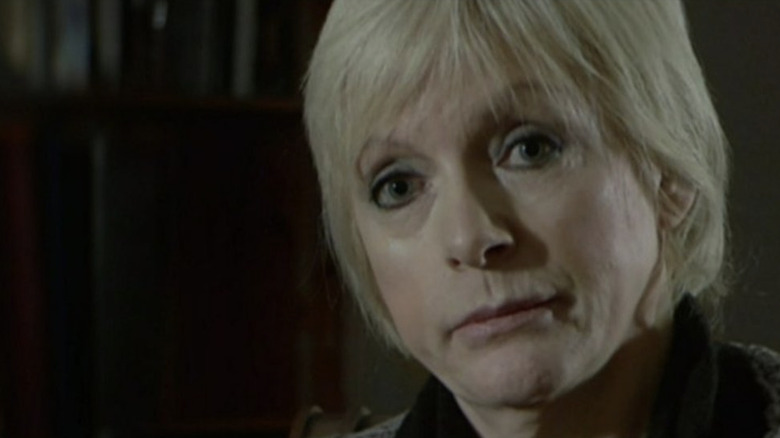
I, Dolours is anchored by a series of candid, recorded interviews conducted in 2010 by journalist and historian Ed Moloney. At the time, Price was grappling with the legacy of her actions, a process that would ultimately culminate in her death in 2013. The documentary serves as a vessel for her testimony, utilizing a blend of archival footage and carefully staged reenactments to bridge the gap between memory and historical record.
Unlike Say Nothing, which functions as a journalistic thriller examining the disappearance of Jean McConville, I, Dolours is a psychological portrait. It does not attempt to solve a crime so much as it attempts to articulate the cost of a life spent in the service of a cause that eventually left its architects hollowed out.
A Chronology of Radicalization: From Civil Rights to the Hunger Strike
To understand the trajectory of Dolours Price, one must understand the specific era of the late 1960s. The documentary highlights the 1969 Catholic civil rights marches—movements that began as peaceful, grassroots efforts for equality.
- The Turning Point (1969): Price recalls the moment of her radicalization not as a calculated political choice, but as a visceral reaction to state-sanctioned violence. Watching protesters beaten by loyalist mobs while police stood by, she realized that peaceful co-existence was, in her eyes, an impossibility.
- The IRA Recruitment: Following the escalation of violence, Price joined the Provisional IRA. Her duties were varied, ranging from logistical support to active participation in bombings—most notably the 1973 London car bombings, which led to her arrest and imprisonment.
- The Hunger Strikes: While in custody, Price and her sister Marian engaged in grueling, long-term hunger strikes to demand political prisoner status. The documentary captures the brutality of their forced feeding, a sequence that highlights the dehumanizing nature of the conflict on both sides.
- The Aftermath: Following her release, the documentary tracks her struggle to reintegrate into a society that had moved toward peace, while she remained tethered to the ghosts of the past.
The Weight of Memory: Supporting Data and Cinematic Approach
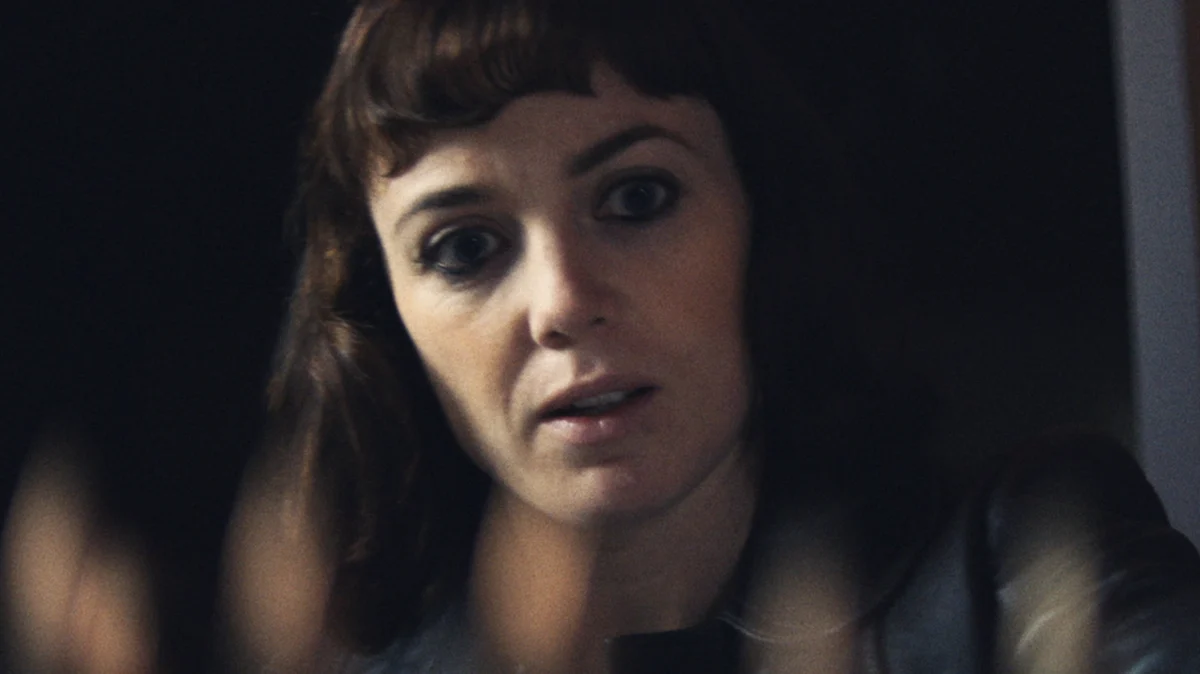
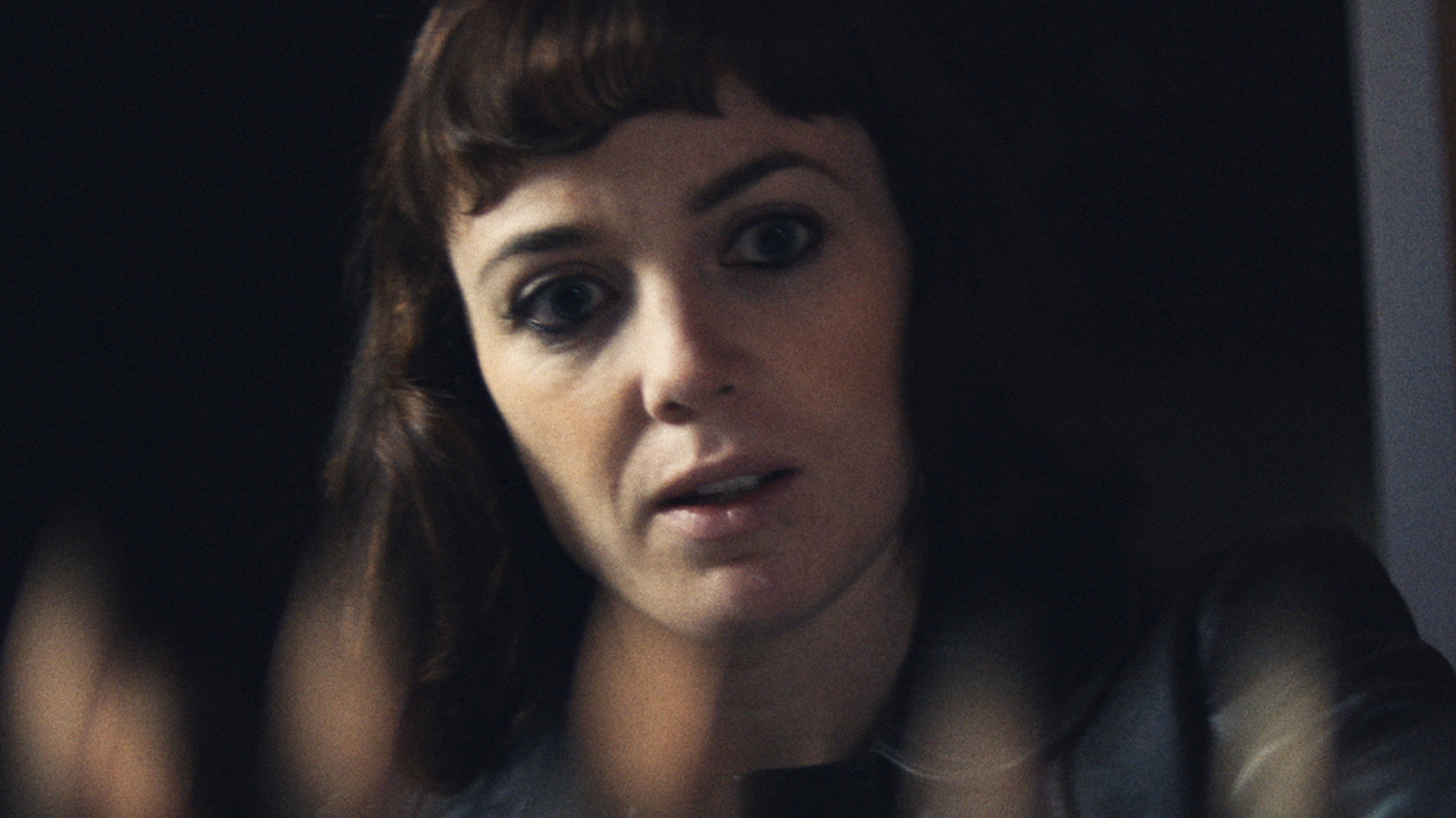
The effectiveness of I, Dolours lies in its refusal to romanticize its subject. Director Maurice Sweeney employs a unique stylistic choice: Lorna Larkin, who portrays the younger Dolours, frequently breaks the fourth wall, looking directly into the camera to recite Price’s own words.
This technique creates a bridge between the historical subject and the audience. It forces the viewer to confront the subjectivity of memory. As Price herself noted, memories are imperfect, yet they remain our only tether to the past. The inclusion of these reenactments, juxtaposed against the cold, factual nature of the 2010 interview, allows the viewer to see the "then" and the "now" of the trauma simultaneously.
The documentary also provides a crucial counter-narrative to the broader, often sanitized histories of the IRA. While Say Nothing focuses on the structural and investigative elements of the disappearance of Jean McConville, I, Dolours focuses on the emotional burden of such actions. Price admits to driving individuals to their executions, yet she expresses a profound, bitter regret—not just for the loss of life, but for the realization that her sacrifice was ultimately futile.
The Price of Silence: Official Responses and Legal Implications
The legacy of the Price sisters has remained a source of intense legal and public scrutiny. In the wake of the success of Say Nothing, legal tensions resurfaced when Marian Price launched a lawsuit against the producers of the FX series, objecting to the depiction of her involvement in the killing of Jean McConville.
I, Dolours navigates this minefield with a different approach. Because it relies exclusively on Dolours’ account, it remains a testament to her personal experience rather than an attempt at forensic history. It acknowledges the "disappeared"—those taken by the IRA and buried in secret graves—as a moral failure of the movement. Price acknowledges that the strategy of "disappearing" informers was a war crime, even as she attempts to rationalize the necessity of the brutality within the context of the time.
This admission—that the fight was not only violent but morally compromised—is what separates I, Dolours from other documentaries on the subject. It is an act of confession, albeit one that is complicated by the trauma and bitterness of a woman who felt abandoned by the very organization she had helped build.
The Ultimate Implication: A Warning for History
The final, haunting words of the documentary—"It had all been nothing"—serve as the ultimate indictment of the conflict. The implication is clear: the pursuit of an ideal, when decoupled from humanity, leads only to a hollow existence.
For fans of Say Nothing, I, Dolours is an essential viewing experience. Where the FX series offers the bird’s-eye view of a historical tragedy, the documentary offers the worm’s-eye view of a human tragedy. It is a necessary piece of the puzzle for anyone looking to understand the Irish-American connection to the Troubles, the radicalization of youth in fractured societies, and the lingering, painful reality of the post-conflict world.
As we look back on the Troubles, we are often tempted to look for heroes and villains. I, Dolours reminds us that the reality was far more nuanced and far more tragic. It is a film that does not ask for sympathy, but demands attention. In the silence between the words of an aging, disillusioned revolutionary, we find the echoes of a conflict that changed the course of history—and the human cost of being a soldier in a war that never truly ends.
‘I, Dolours’ is currently available to stream on platforms including Tubi and Pluto TV.
