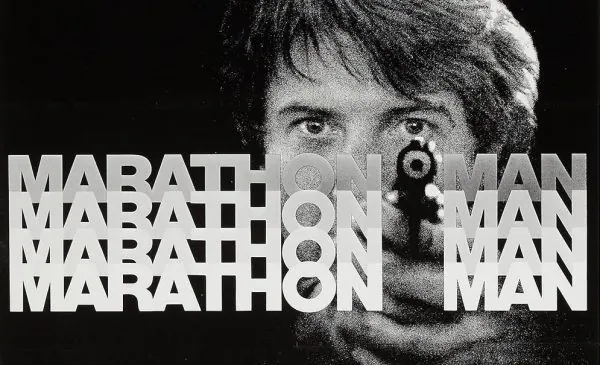
"Is It Safe?": The Enduring Legacy, Paranoia, and Tortured Production of Marathon Man at 50
By Hasitha Fernando
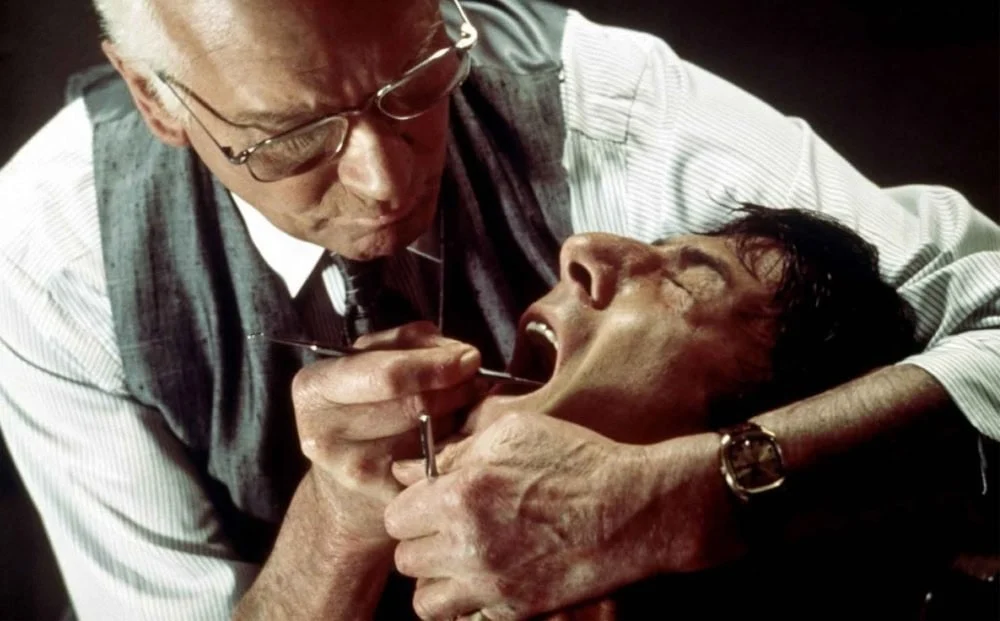
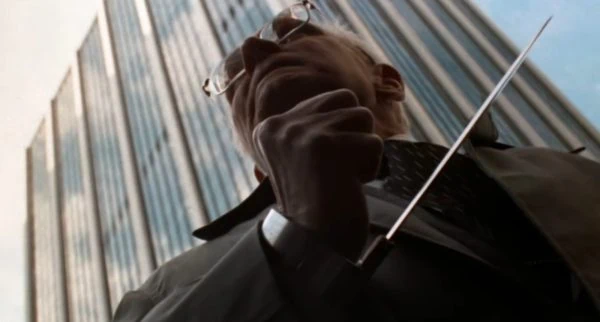
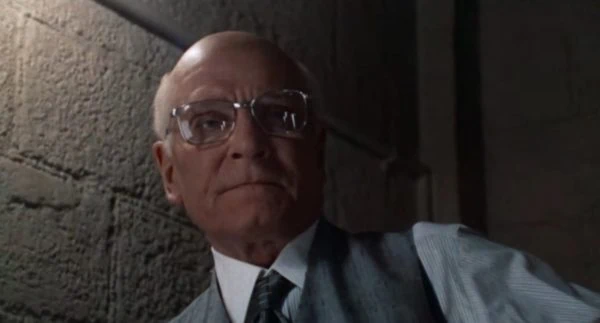
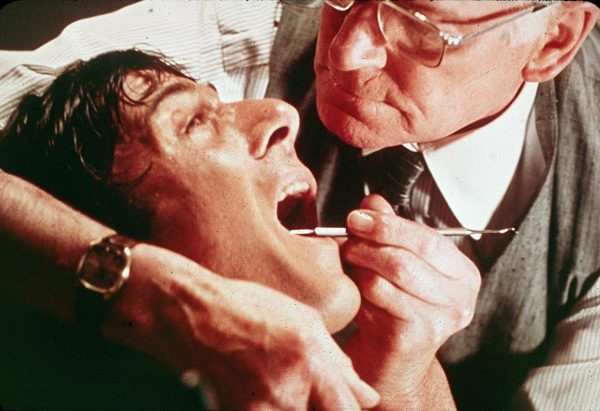
Released during a golden era of American cinema defined by gritty realism and institutional paranoia—sharing a decade with milestones like The Godfather, Chinatown, All the President’s Men, and One Flew Over the Cuckoo’s Nest—John Schlesinger’s Marathon Man occupies a unique space in cinematic history. Five decades after its theatrical debut, the film remains etched in the cultural consciousness. It is remembered not merely as a masterclass in tension, but for Sir Laurence Olivier’s bone-chilling portrayal of Nazi war criminal Dr. Christian Szell, and for the infamous, nerve-wracking dental torture scene that forever weaponized the universal dread of the dentist’s chair.
As Marathon Man marks its milestone 50th anniversary, a deep dive into its turbulent production reveals a fascinating tapestry of high-stakes Hollywood maneuvering, extreme method acting, debilitating health struggles, and groundbreaking technological milestones.
Main Facts: The Anatomy of a 1970s Masterpiece
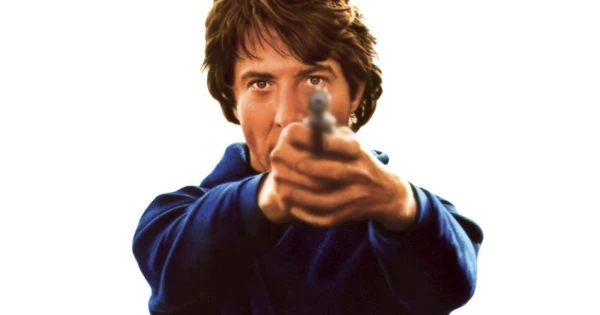
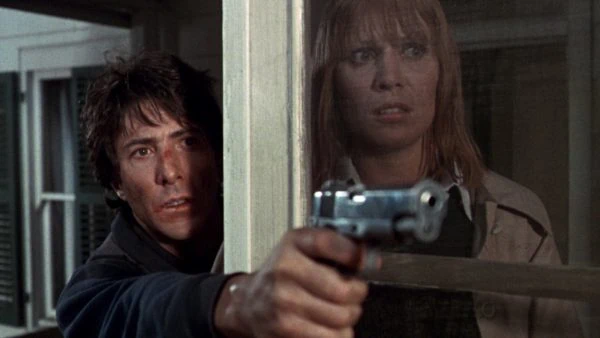
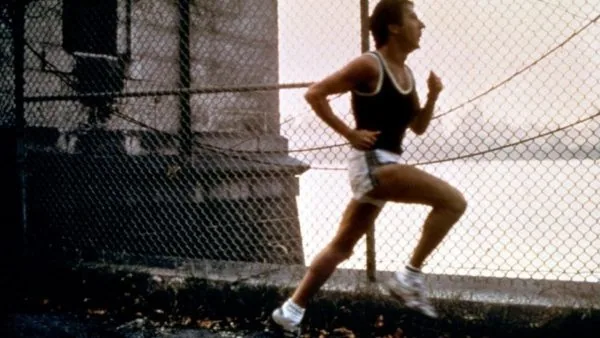
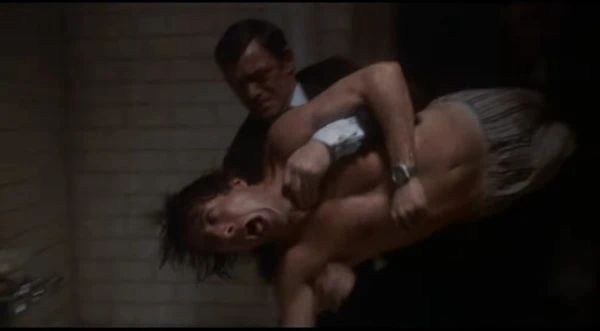
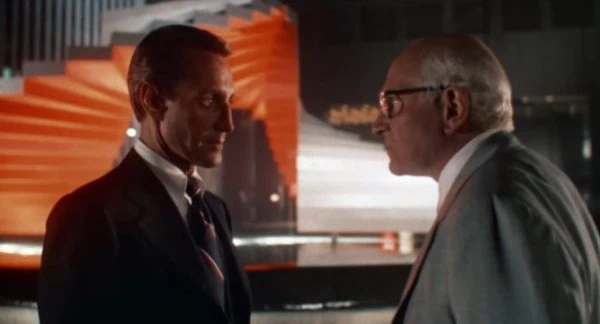
At its core, Marathon Man is a high-octane conspiracy thriller that pits an ordinary graduate student against the remnants of the Nazi regime and a shadowy domestic intelligence apparatus. The narrative follows Thomas Babington “Babe” Levy (Dustin Hoffman), a mild-mannered history scholar and avid runner who finds himself unwittingly caught in a deadly web when his brother, secret government agent Henry "Doc" Levy (Roy Scheider), is assassinated. Babe is subsequently abducted and tortured by Dr. Christian Szell (Laurence Olivier), a fugitive Nazi dentist attempting to recover a stolen cache of diamonds.
The film operates on a foundation of relentless dread. It captures the post-Watergate American zeitgeist—a period defined by a profound lack of faith in government institutions, shadowy operatives, and the realization that historical atrocities are not safely confined to the past.
Chronology: From William Goldman’s Page to the Silver Screen
The journey of Marathon Man from a bestselling novel to a cinematic touchstone was fraught with creative friction, hefty payouts, and eleventh-hour rewrites.
The Princely Sum and the Screenplay
The late William Goldman, widely regarded as one of the preeminent screenwriters in Hollywood history, penned both the original source novel and its cinematic adaptation. Armed with an innate ability to cross genres effortlessly—evident in his work on Butch Cassidy and the Sundance Kid, All the President’s Men, Misery, and The Princess Bride—Goldman commanded top dollar. For the rights to Marathon Man and his services as a screenwriter, he was paid a staggering $500,000 in the 1970s, an astronomical sum equivalent to roughly $3.26 million in modern currency.
Goldman estimated that he drafted around four distinct versions of the script. However, creative control experienced a familiar Hollywood shift when producers and star Dustin Hoffman requested adjustments. Notably, legendary Chinatown scribe Robert Towne was brought in to pen an uncredited rewrite for the film’s climax—a decision that did not sit well with Goldman, who had already poured immense creative capital into the adaptation.
From Book to Screen: Key Adaptations
Transitioning the sprawling narrative of the novel to a tight feature-length runtime required notable compromises:
The Protagonist’s Motivation: In Goldman’s book, Babe Levy runs rigorously because he is actively training for the New York City Marathon. In the film, he is simply portrayed as an avid, committed runner, stripping away the specific marathon goal to focus more intensely on his psychological endurance.
Character Dynamics: The duplicitous Elsa Opel (Marthe Keller), Babe’s love interest, was rewritten to reflect a more grounded, realistic relationship, moving away from the more exotic, Mata Hari-esque archetype found in the novel.
The Secret Agency: The book explores the clandestine government organization known as “The Division” in profound depth, detailing its covert cooperation with ex-Nazis. The film, by contrast, leans into a generalized atmosphere of pervasive paranoia, keeping the exact mechanics of the conspiracy murkier and more threatening.
Supporting Data: Production Challenges, Casting Turmoil, and Tech Milestones
Behind the sleek pacing and terrifying performances lay a production plagued by physical exhaustion, ideological clashes between acting generations, and a pioneering technical leap.
Schlesinger’s Fear of Obsolescence
Director John Schlesinger arrived at the project following a storied career. A central figure in the British New Wave movement of the early 1960s—directing kitchen-sink dramas like A Kind of Loving and Billy Liar—Schlesinger won the Academy Award for Best Director for 1969’s Midnight Cowboy, which also featured Dustin Hoffman. However, after the immense undertaking and mixed reception of his satirical historical drama The Day of the Locust, Schlesinger admitted he was "terrified he was dead in Hollywood." Marathon Man served as his triumphant commercial and critical redemption.
The Casting Chessboard
Director John Schlesinger initially envisioned a dream cast consisting of Al Pacino, Julie Christie, and Laurence Olivier. Pacino had long coveted working with Christie, whom he famously called "the most poetic of actresses." However, producer Robert Evans—fresh off his monumental success with Francis Ford Coppola’s The Godfather—disliked Pacino and aggressively favored Dustin Hoffman for the lead. Meanwhile, Christie turned down the role due to her notoriously selective nature, paving the way for Marthe Keller to step in as Elsa Opel. Ultimately, only Laurence Olivier remained from Schlesinger’s original wish list, though Evans successfully secured every actor he personally championed.
Extreme Method Acting Meets Stage Tradition
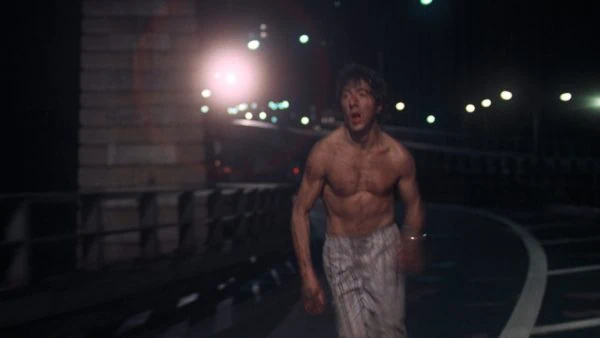
Dustin Hoffman was already a celebrated practitioner of method acting, known for pushing his mental and physical limits to inhabit complex, emotionally vulnerable characters. To play Babe Levy, Hoffman dropped 15 pounds and ran up to four miles a day. He refused to fake physical exhaustion; before shooting running scenes, he would genuinely run a half-mile so he appeared authentically breathless on camera.
This intense dedication collided dramatically with Laurence Olivier’s classical British stage background. During production, a disheveled, exhausted Hoffman arrived on set after a grueling night. When Olivier asked why he looked so worn out, Hoffman confessed that he hadn’t slept, having spent the night wrestling with the emotional fallout of his divorce and partaking in the hedonistic drug culture of 1970s New York hotspots like Studio 54. Olivier reportedly delivered the now-legendary theatrical rebuke: "My dear boy, why not try acting? It’s much easier."
Olivier’s Battle Against Pain
Laurence Olivier’s brilliant, icy performance as Dr. Szell is all the more staggering given his severe health battles during filming. Suffering from prostate cancer, Olivier was subjected to heavy doses of steroids and painkillers. This aggressive pharmaceutical regime severely impaired his short-term memory, threatening to derail his participation.
To accommodate the ailing legend, director John Schlesinger ingeniously broke down Szell’s dialogue into manageable, one- or two-line increments. Despite these immense physical limitations, Olivier delivered a masterclass in menace, earning his sole Academy Award nomination in the Best Supporting Role category.
A Cinematic First: The Steadicam
Marathon Man holds a quiet, revolutionary place in technical film history: it was the first theatrically released feature film to utilize the Steadicam. Invented by cinematographer Garrett Brown in 1975, the stabilization rig allowed operators to capture smooth, fluid tracking shots without the cumbersome constraints of tracks or heavy dollies. While Hal Ashby’s Bound for Glory utilized the technology first during production, Marathon Man won the race to theater screens, forever altering how filmmakers capture dynamic movement.
Official Responses and Box Office Performance
Upon its release in October 1976 by Paramount Pictures, Marathon Man proved to be a formidable commercial and critical success. Operating on a modest budget of $6.5 million, the thriller grossed an impressive $28.2 million worldwide—a strong return for a hard-edged, violent drama.
Critical reception was similarly enthusiastic. Review aggregator Rotten Tomatoes currently grants the film an 82% approval rating based on 49 reviews, with an average score of 7.4/10. The site’s critical consensus neatly summarizes its appeal:
"Marathon Man runs the gamut from patient mystery to pulse-pounding thriller, aided by Laurence Olivier’s coldly terrifying performance and a brainy script by William Goldman."
The film’s awards season run was equally stellar. Laurence Olivier captured a Golden Globe Award for Best Supporting Actor and secured an Oscar nomination in the same category. Dustin Hoffman earned nominations for Best Actor at both the BAFTAs and the Golden Globes, cementing the film’s prestige.
Implications: A Cultural Touchstone at 50
Half a century later, Marathon Man endures not just as a relic of 1970s paranoia, but as a blueprint for the psychological thriller.
Its most enduringlegacy is inextricably bound to the dental torture sequence. By weaponizing a mundane, universal fear—the dentist’s drill—Schlesinger transformed a routine medical check into a theater of pure horror. Dr. Szell’s chilling, softly spoken refrain, "Is it safe?", transcended the film to enter the lexicon of popular culture. The American Film Institute (AFI) deservedly ranked Dr. Christian Szell #34 on their list of "100 Years… 100 Heroes and Villains," while the iconic "Is it safe?" interrogation secured the #70 spot on the "100 Years… 100 Movie Quotes" list.
In a decade overflowing with cinematic masterpieces, Marathon Man carved out a permanent, terrifying niche. It stands as a testament to the friction of its making—where Goldman’s brilliant prose, Hoffman’s punishing physical commitment, Schlesinger’s visionary direction, and Olivier’s sheer, indomitable willpower coalesced into a timeless nightmare. Fifty years later, audiences watching Babe Levy run for his life are still forced to confront a deeply unsettling question: When danger knocks, is it safe?