
The Fall of the Centenarians: How Skydance Replaced Hollywood’s Oldest Studio Giants
By Jamie Lang | October 2, 2026
For more than a century, the names Paramount and Warner Bros. have been synonymous with the very fabric of American cinema. From the golden age of the silver screen to the modern era of streaming, these two legendary studios defined global popular culture. However, in a seismic corporate restructuring that marks a definitive turning point in entertainment history, the newly merged entity steering these historic brands has decided to discard both iconic monikers. Instead, the parent company will adopt a single name born just two decades ago: Skydance.
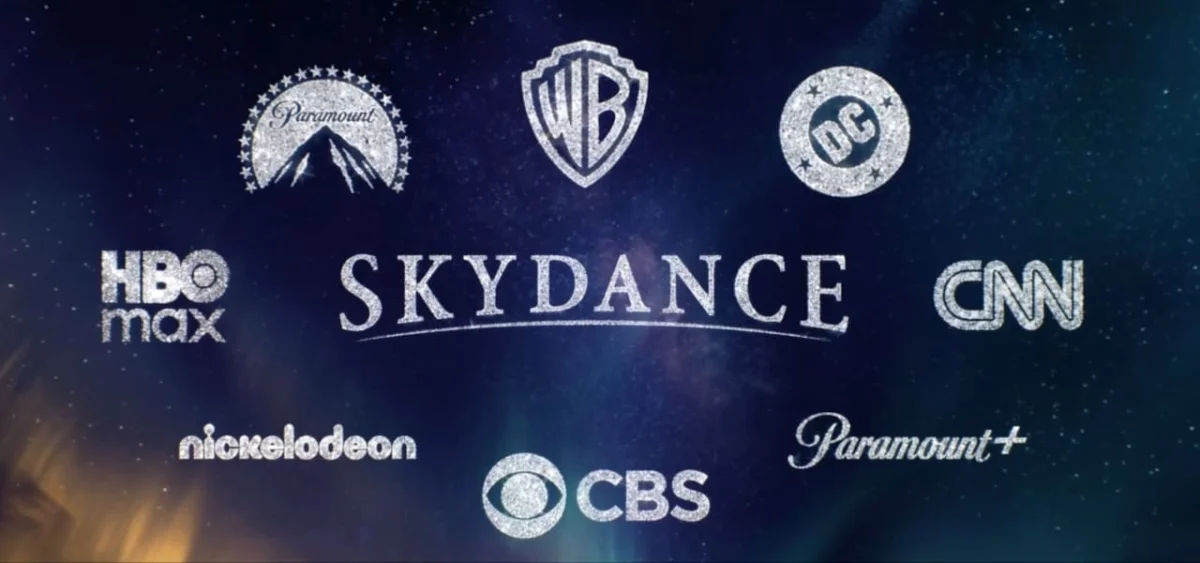
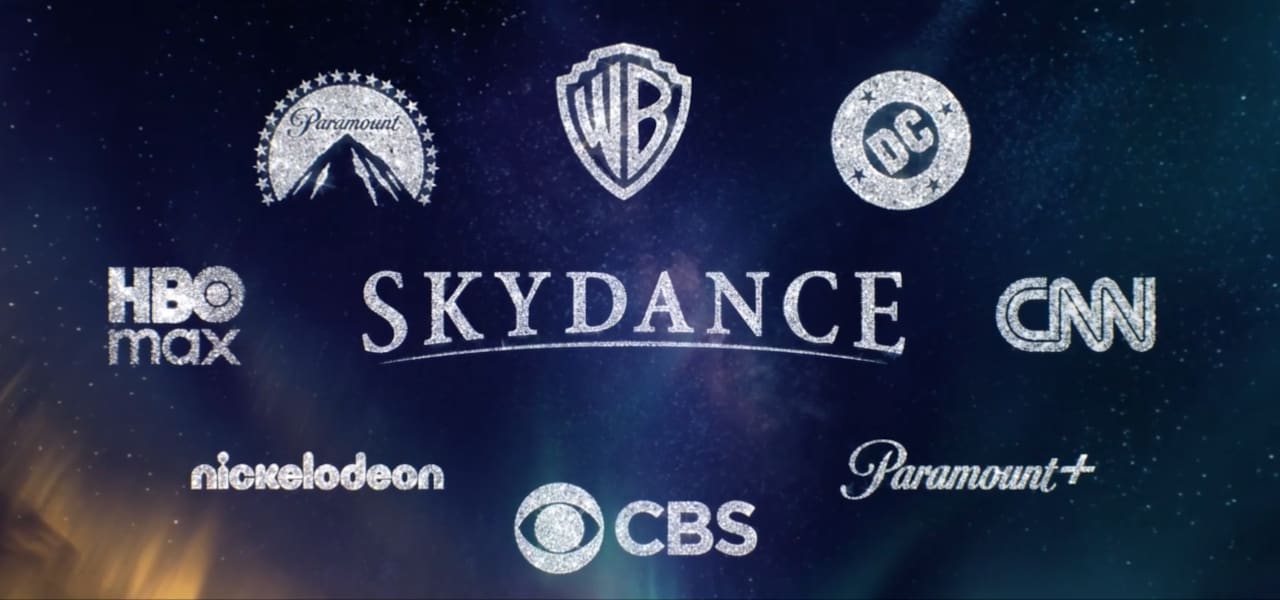
The monumental decision, announced by media executive David Ellison, arrives just ahead of the finalization of Paramount’s blockbuster $111 billion acquisition of Warner Bros. Discovery (WBD), slated to close on October 6, 2026. While the individual studio labels of Paramount and Warner Bros. will technically survive as creative banners, the corporate parent overseeing an empire that includes HBO, CBS, Nickelodeon, CNN, and DC Studios will operate entirely under the Skydance banner.
This historic transition represents not only a radical shift in corporate branding, but also a stark symbol of power in modern Hollywood—where a relatively young production house founded by tech wealth has swallowed up over two centuries of combined cinematic heritage.
Main Facts: The $111 Billion Mega-Merger and Corporate Rebranding
The impending close of the $111 billion merger between Paramount and Warner Bros. Discovery marks one of the largest corporate consolidations in media history. Under the stewardship of David Ellison, the combined titan will oversee a vast portfolio of entertainment assets, television networks, and streaming platforms.
However, the most striking development of the transaction is the erasure of the traditional corporate identities.
- The New Parent Name: The unified corporate entity will be known officially as Skydance.
- Legacy Studios Retained: Iconic consumer-facing studio labels such as Paramount Pictures and Warner Bros. will continue to appear on film and television projects, but they are now subordinate brands beneath the Skydance umbrella.
- The Portfolio: Skydance now commands an unprecedented arsenal of intellectual property and media infrastructure, including HBO, CBS, Nickelodeon, CNN, and DC Studios.
- Leadership Overhaul: Alongside the rebranding, major executive shifts are underway. Industry reports indicate that Warner Bros. film chiefs Mike De Luca and Pam Abdy are stepping down, with Paramount film chiefs Josh Greenstein and Dana Goldberg poised to take the reins of both legendary studios.
Chronology of an Industry-Shaping Takeover
To understand the weight of this corporate rebrand, it is essential to trace the timelines of the institutions involved—from their humble origins in the early 20th century to the tech-backed ascension of Skydance.
- 1912: Famous Players Film Company (which would evolve into Paramount Pictures) is founded, laying the groundwork for the Hollywood studio system.
- 1923: The four Warner brothers—Harry, Albert, Sam, and Jack—incorporate Warner Bros., eventually revolutionizing the industry with the introduction of synchronized sound (The Jazz Singer).
- 2006: David Ellison, then 23 years old and an avid aviation enthusiast, founds Skydance Productions, financed largely by his billionaire father, Oracle co-founder Larry Ellison. Initially structured as a film co-financing venture with Paramount, Skydance gradually grows into an independent production powerhouse spanning film, television, animation, and interactive media.
- July – September 2026: Following months of fierce bidding wars, regulatory scrutiny, and financial maneuvering, Paramount’s $111 billion acquisition of Warner Bros. Discovery nears its final completion date.
- October 2, 2026: David Ellison takes to social media platform X to formally announce that the parent company of the newly merged entertainment giant will be named Skydance, dropping the Paramount and Warner Bros. corporate names.
- October 6, 2026 (Projected): The $111 billion acquisition officially closes, cementing the new corporate hierarchy.
Supporting Data and Financial Realities
Behind the grand symbolism of Hollywood’s new corporate identity lie aggressive financial targets and deep operational restructuring. Merging two global entertainment conglomerates requires massive logistical alignment, and the human cost of these "synergies" is already becoming apparent.
- Merger Valuation: The transaction values the combined entity at a staggering $111 billion, creating one of the most powerful vertically integrated media companies on earth.
- Targeted Synergies: Leadership has established aggressive financial goals, targeting more than $6 billion in corporate synergies to streamline operations, cut redundant costs, and optimize streaming infrastructure.
- Workforce Impact: With billions in cost-cutting measures mandated, employees across the board—particularly at Warner Bros. Discovery—have been bracing for wave after wave of major layoffs. Creative and administrative staff alike face immense uncertainty as overlapping departments are consolidated under the Skydance operational framework.
- Combined Heritage: Paramount traces its lineage back 114 years (to 1912), while Warner Bros. boasts a 103-year history (starting in 1923). Together, the companies represent over two centuries of motion picture history. In contrast, Skydance entered the industry just 20 years ago.
Official Responses and Public Statements
David Ellison addressed the monumental rebranding directly via social media, framing the bold corporate pivot as a tribute to history rather than an erasure of it. Writing on X, Ellison attempted to assuage purists who might view the dropping of the historic names as corporate vandalism.
"What once was the peak, is now just the beginning," Ellison wrote. "Paramount and Warner Bros. shaped over a century of culture. By combining them, we aren’t rewriting history — we’re equipping these iconic studios with a more powerful engine. Together, we are Skydance: a creative-first home for bold, quality storytelling."
Further elaborating on the rationale behind bypassing the century-old names for the corporate entity, Ellison explained that management "never wanted a new corporate identity to diminish, alter or overshadow either one." According to leadership, establishing Skydance as the overarching parent brand was intended to allow both Paramount and Warner Bros. "to remain in the spotlight" on their respective creative products without the clutter of a combined hyphenated corporate moniker (such as a hypothetical "Paramount Warner").
However, industry analysts and trade publications have been quick to point out the inherent irony of the positioning. Insiders note that while the consumer-facing studio logos will persist, the ultimate control, financial gravity, and institutional prestige now rest entirely in a name derived from a young entrepreneur’s passion for aerobatic flying.
.png)
Industry Implications: Who Runs Hollywood Now?
The elevation of Skydance to the apex of the entertainment industry carries profound implications for the future of filmmaking, corporate governance, and studio culture.
1. The Shift to Tech-Backed Dynasties
For decades, Hollywood studios were run by moguls who rose through the ranks of distribution, theater management, or creative producing. The Skydance-Paramount-WBD merger underscores the modern reality of the entertainment business: the ultimate survival of traditional Hollywood requires massive capitalization, frequently anchored by tech-adjacent generational wealth. David Ellison’s rise—backed by the immense fortune of his father, Oracle co-founder Larry Ellison—serves as the ultimate blueprint for 21st-century studio ownership.
2. The Erasure of Institutional Memory
The decision to relegate Paramount and Warner Bros. to mere product labels while elevating Skydance to the corporate throne sends a chilling message regarding corporate legacy. Generations of artists, technicians, executives, and audiences grew up associating those foundational names with the pinnacle of cinematic achievement. By deciding that the umbrella over 200+ combined years of history should bear a moniker chosen by a 23-year-old hobbyist aviator, the new leadership has made a brazen statement about the disposability of historical brand equity in favor of modern corporate alignment.
3. Creative Monopolization and Job Security
As the dust settles on the $111 billion merger, the creative community remains deeply anxious. The promise of $6 billion in synergies inevitably translates to diminished risk-taking, fewer greenlit projects, and a leaner labor force. With veteran leadership like Mike De Luca and Pam Abdy exiting the Warner Bros. fold to make way for Paramount’s Josh Greenstein and Dana Goldberg, the creative culture of the lot in Burbank is poised for a total overhaul.
Conclusion
As the October 6 closing date approaches, the entertainment industry watches with bated breath. Skydance has officially conquered the peaks of Hollywood. Whether this new, tech-fueled engine can successfully carry the weight of a century-old cinematic legacy—or whether it will crush the soul of the very studios it acquired—remains the defining question of modern media’s newest era.
