
Haymaker VFX Expands Global Footprint with Strategic Acquisition of Stockholm’s SWISS
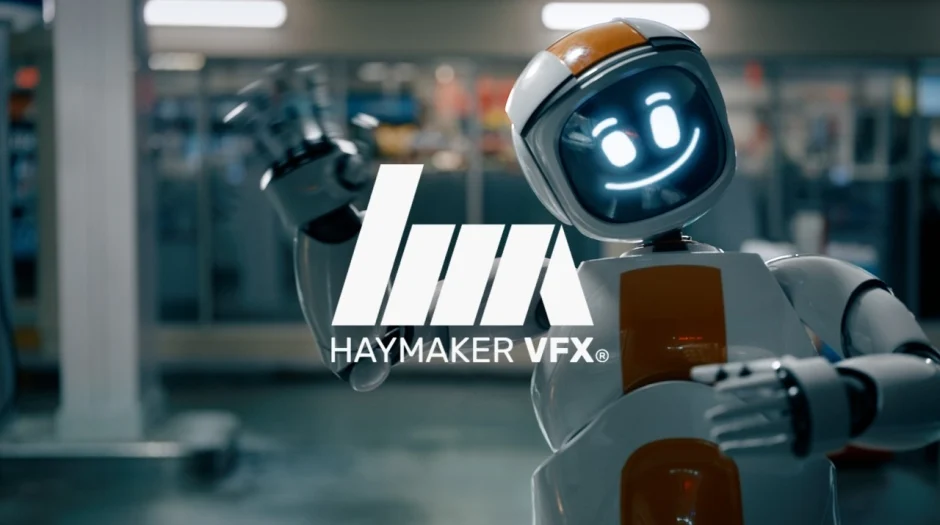
In a move that signals a significant consolidation within the high-end visual effects (VFX) and animation sector, Haymaker VFX has announced the acquisition of SWISS, the acclaimed Stockholm-based studio renowned for its creative excellence in advertising and commercial production. The acquisition marks a pivotal moment for both organizations, blending SWISS’s two-decade legacy of award-winning storytelling with Haymaker’s rapidly scaling international operations.
As the industry grapples with the dual pressures of rising technical complexity and the demand for rapid, high-quality output, this merger positions Haymaker as a formidable player capable of bridging the gap between boutique, high-touch creative services and the logistical demands of large-scale, global production.
The Union of Creative Powerhouses
The headline achievement that defines SWISS’s reputation remains the iconic Volvo Trucks "The Epic Split" campaign. Featuring Jean-Claude Van Damme performing a precision split between two reversing trucks, the spot became a global cultural phenomenon, securing two Grand Prix awards at the Cannes Lions International Festival of Creativity. This project serves as a microcosm of the studio’s capabilities: seamless integration of CGI with live-action, high-stakes visual storytelling, and a commitment to technical precision.
By absorbing the SWISS team, Haymaker inherits a deep well of creative talent that has been cultivating relationships with top-tier directors, global brands, and advertising agencies since 2002. While the SWISS brand will remain, its operations and personnel will be fully integrated into the Haymaker ecosystem, effectively augmenting Haymaker’s existing capacity to deliver world-class visual content.
A Chronology of Growth and Strategic Alignment
The trajectory of this acquisition did not occur in a vacuum. It is the culmination of years of calculated growth for Haymaker, founded by Alex Hansson. While the company operates out of Gothenburg and Los Angeles, its expansion into Stockholm is not merely geographical; it is a strategic maneuver to centralize high-level creative production in a hub known for its artistic and technical density.

The Haymaker Timeline:
- 2002: SWISS is established in Stockholm, quickly gaining traction for its high-end commercial work and pioneering digital animation techniques.
- 2020: Haymaker makes a significant play for the North American market, appointing Leslie Sorrentino to lead its new Los Angeles studio, marking a transition toward more robust international entertainment work.
- 2022–2024: Haymaker records three consecutive years of record-breaking growth. During this period, the studio diversifies its portfolio, moving beyond traditional commercials into high-profile entertainment projects, including Prime Video’s Fallout Season 2 and the groundbreaking The Wizard of Oz installation at Sphere in Las Vegas.
- 2025: The acquisition of SWISS is finalized, cementing Haymaker’s position as a multi-disciplinary powerhouse capable of handling everything from experiential immersive media to episodic streaming giants.
Supporting Data: Scaling in a Competitive Market
The visual effects industry is currently undergoing a structural shift. Between 2024 and 2025 alone, Haymaker reported a staggering 57% increase in revenue. This financial momentum has been driven by a shift in client expectations; production houses are no longer just looking for "effects," but for "partners" who understand the entire pipeline—from concept art and pre-visualization to final post-production.
Crucially, Haymaker has prioritized internal R&D. The company has aggressively invested in pipeline development, integrating advanced AI tools to streamline workflows. This is not about replacing the human element, but rather automating the mundane tasks that often slow down creative iteration. By integrating these tools into the new Stockholm-based team, Haymaker intends to maintain its "boutique" agility—the ability to stay responsive to director input—while operating at the scale of a much larger facility.
Perspectives from Leadership
The merger represents a alignment of values as much as it does a business transaction. For Alex Hansson, the priority was preserving the "soul" of the studio while expanding its reach.
"SWISS has built an internationally respected brand, body of work, and team over more than twenty years," Hansson noted in an official statement. "Bringing our strengths together gives Haymaker VFX greater creative depth and capacity at a time when we are ready to accelerate our international growth and take on more of the world’s most demanding projects, while staying true to the boutique model that defines us."
Leslie Sorrentino, who has been instrumental in bridging the gap between European creative roots and American production demands, underscored the client-facing benefits of the deal. "Clients increasingly want partners that can stay close and responsive while still having the depth to handle larger, more complex scopes," Sorrentino explained. "The addition of SWISS strengthens what we can offer those clients without changing the way we work with them."

Erik Holmedal, representing the long-term vision of SWISS, echoed this sentiment: "SWISS has always been about craft, creative ambition, and the people behind the work. Joining Haymaker VFX gives our team the opportunity to build on that heritage as part of a broader international platform with the same creative values."
Implications for the Future of VFX
The implications of this merger are three-fold for the broader industry:
1. The Rise of the "Hybrid" Studio
The industry is moving away from the era of massive, monolithic VFX houses that were often slow to react to changes in production design. Instead, the future belongs to "hybrid" studios like Haymaker—firms that maintain a boutique feel for their creative directors but utilize a distributed, global pipeline to ensure 24/7 productivity. By combining SWISS’s commercial pedigree with Haymaker’s experience in episodic content and immersive tech, the new organization is perfectly positioned for the "post-streaming" era, where quality must meet volume.
2. The Normalization of AI in High-End Pipelines
Haymaker’s focus on integrating AI into their workflows—while keeping the human creative at the center—provides a roadmap for other mid-sized studios. The industry has been wary of AI, fearing it might compromise quality. However, by using it to handle the "heavy lifting" of pipeline management and render-optimization, Haymaker is proving that technology can actually foster more time for human creativity, not less.
3. Geographical Consolidation
While many studios have looked toward cheaper labor markets to reduce costs, Haymaker has doubled down on its commitment to Stockholm and Los Angeles. This suggests that the "premium" market for VFX still prizes deep, local talent pools over mere cost-cutting. By consolidating two of the most creative regions in the Western hemisphere, Haymaker is signaling that it intends to compete on quality and artistic pedigree rather than price alone.

Conclusion
The acquisition of SWISS by Haymaker VFX is a landmark deal that reflects the maturation of the modern visual effects industry. By combining the legendary creative output of the team behind The Epic Split with the robust, tech-forward infrastructure of a studio currently shaping the look of global hits like Fallout, the new, expanded Haymaker is poised to define the next generation of visual storytelling.
As the lines between film, television, and experiential immersive media continue to blur, studios that can pivot quickly, leverage new technology, and maintain deep, collaborative relationships with their creative partners will be the ones to define the medium. With this merger, Haymaker has not only increased its headcount and its revenue; it has secured its place as a cornerstone of the global VFX landscape for the years to come.
