
The Tragic Shapeshifter: Re-evaluating the Clayface Legacy in the Animated Dark Knight Universe
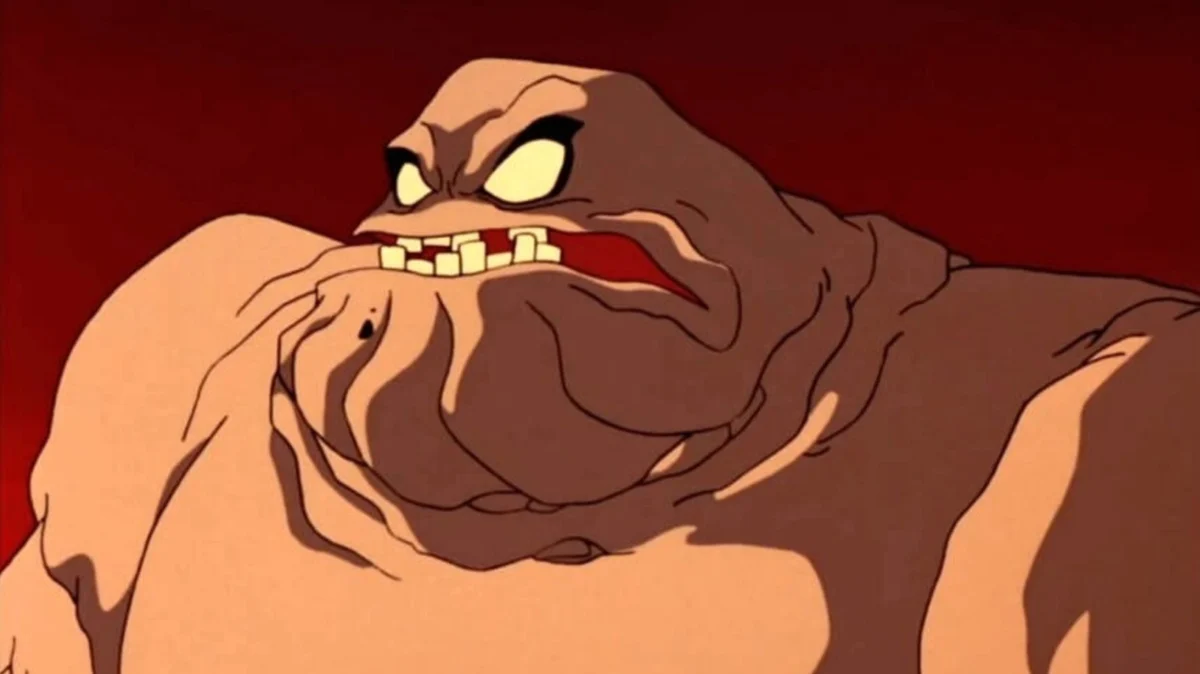
Few villains in the rogues’ gallery of Gotham City possess the inherent, visceral tragedy of Clayface. While the Joker represents chaotic nihilism and the Penguin embodies grotesque ambition, Matt Hagen—the man behind the mud—serves as a cautionary tale about the corrosive nature of vanity, addiction, and the loss of self. As DC Studios looks toward the future of the character in upcoming feature-length projects, it is essential to revisit the definitive blueprint laid out by Batman: The Animated Series (BTAS) and its successor, The New Batman Adventures.
The character’s evolution from a washed-up, scarred actor to a literal monster of his own making remains one of the most sophisticated narrative arcs in Western animation. By examining the episodes where Clayface took center stage, we can trace the trajectory of a man who traded his humanity for a performance that never truly ends.
The Genesis of a Monster: The "Feat of Clay" Foundation
At the heart of the Clayface mythology is the two-part masterpiece, "Feat of Clay." Even decades after its debut, it stands as a pillar of serialized storytelling in children’s television, blending corporate espionage, noir-inspired mystery, and genuine body horror.
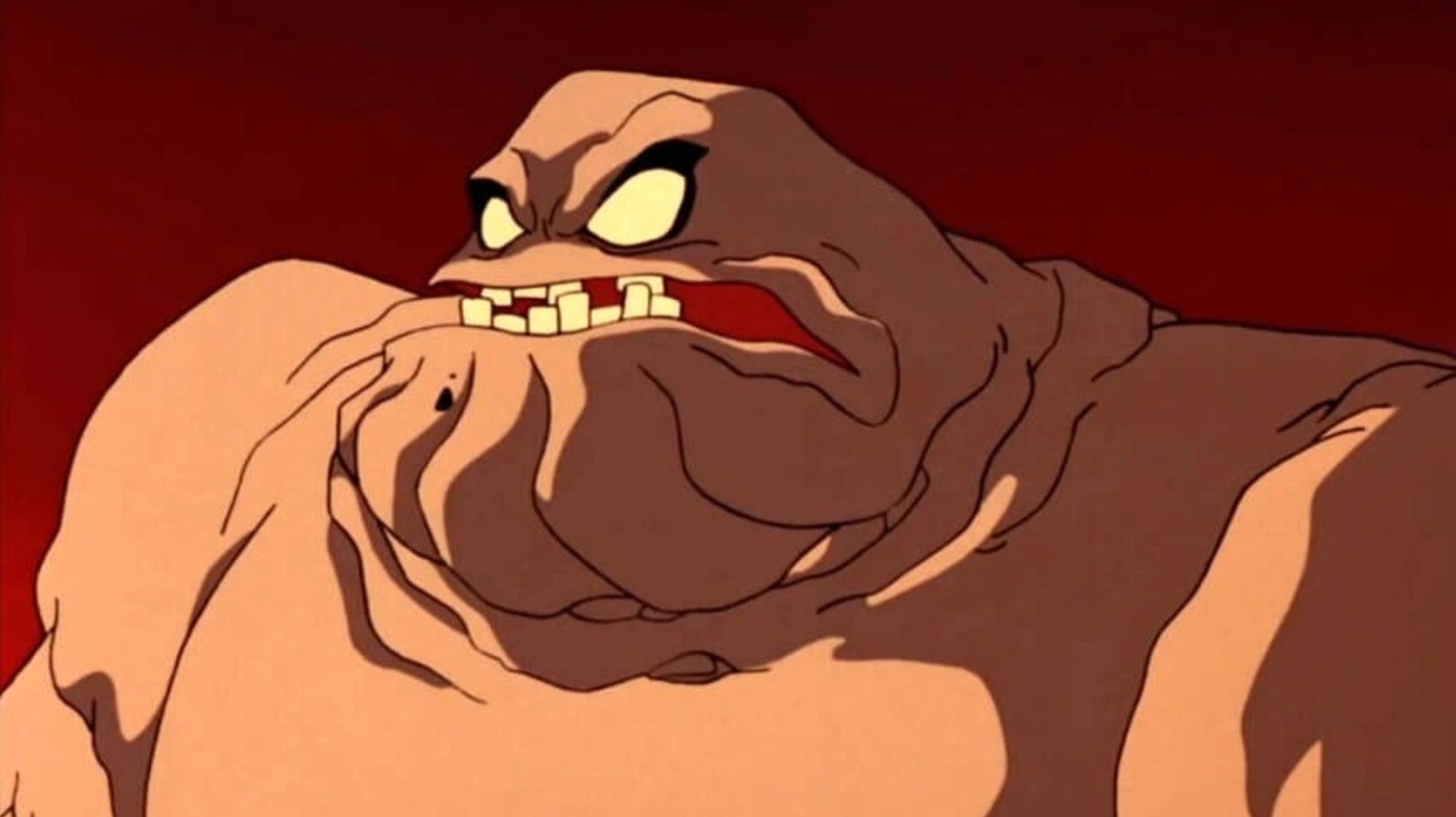
In this narrative, Matt Hagen is a former A-list actor whose face was left shattered by an accident. To maintain his career and appearance, he becomes tethered to "Renuyu," an addictive, experimental chemical developed by the nefarious Roland Daggett. The narrative parallels here are striking; the show frames Hagen’s dependency not merely as a plot device but as a brutal struggle with chemical addiction. When Daggett cuts off the supply, he forces Hagen into a life of crime, ultimately leading to the "accident" where the villain is force-fed an overdose of the compound.
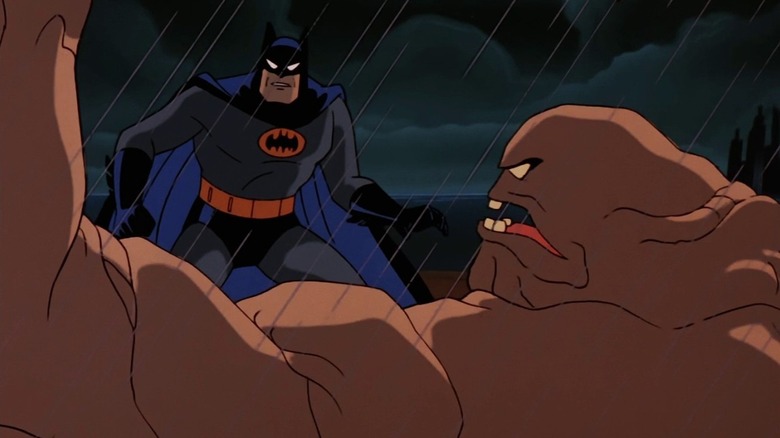
The result is the birth of the mud-based shapeshifter. The sequence remains one of the most haunting in the DCAU (DC Animated Universe). The transition from a desperate man to a hulking, formless creature is handled with a level of restraint that makes the horror all the more potent. The performance by Ron Perlman is foundational to this success. Perlman’s gravelly, deep baritone provided the character with a Shakespearean weight, shifting from the vanity of a fading star to the guttural, echoing cries of a man who can no longer remember what his own face looks like.
Chronology of Despair: Ranking the Clayface Episodes
To understand the full scope of Clayface’s descent, one must look at his sporadic but impactful appearances throughout the Batman animated canon.
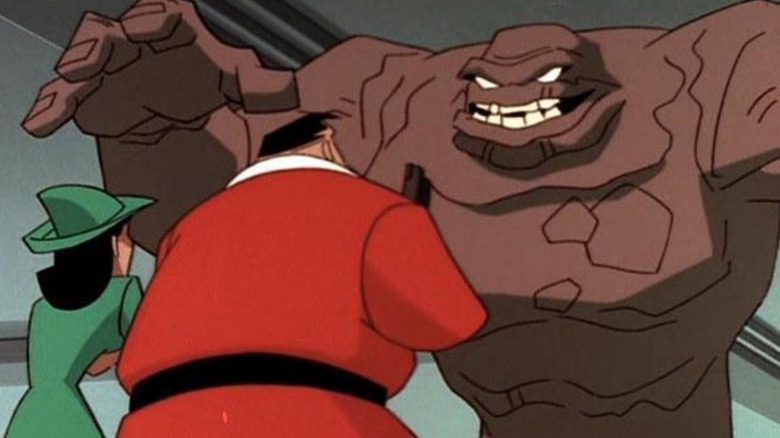
4. Holiday Knights (The New Batman Adventures)
While "Holiday Knights" serves as a relatively lighthearted anthology episode to kick off the revamped series, it offers a glimpse into the mundane terror Clayface can inflict. By splitting his mass into smaller, child-like forms to commit petty larceny, Hagen demonstrates the sheer versatility—and creepiness—of his powers. This episode is less about the man and more about the utility of the monster, marking a shift in the character’s portrayal from a tragic figure to a functional, albeit dangerous, Gotham threat.
3. Mudslide
"Mudslide" serves as the somber, rain-soaked coda to the original Batman: The Animated Series run for the character. It explores the physical toll of his existence, as Hagen’s body begins to deteriorate. The episode introduces a complex layer of empathy, focusing on his relationship with Dr. Stella Bates.
Modern analysis has frequently highlighted the "queer coding" present in this installment. The presence of Teddy, a stunt double who remains loyal to Hagen, alongside the metaphorical weight of a failing body, has led critics to interpret "Mudslide" as a poignant allegory for the HIV/AIDS crisis of the era. It is a rare moment of vulnerability where the villain is not plotting world domination, but simply trying to survive the consequences of his own hubris.
2. Growing Pains
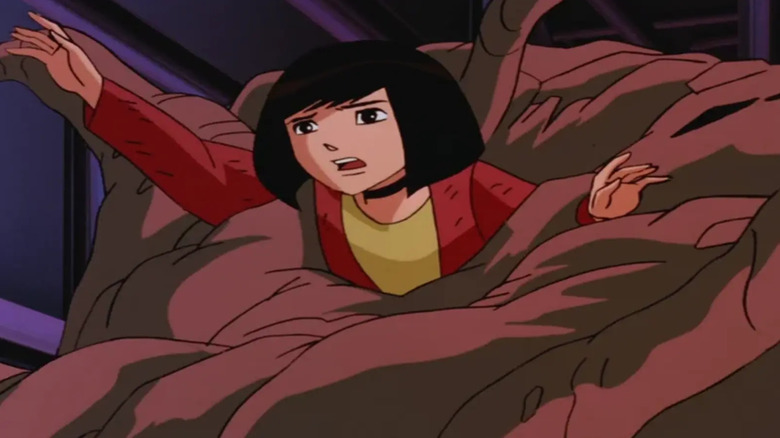
If "Feat of Clay" is the tragedy of a man, "Growing Pains" is the tragedy of his legacy. As the darkest installment in the character’s history, it introduces "Annie," an independent, sentient construct created from Hagen’s own mud. When Robin discovers Annie, he assumes the role of a protector, only to realize that Annie is a splinter of Clayface’s own psyche.
The ending—in which Clayface heartlessly reabsorbs his own creation—is a chilling masterclass in villainy. It marks the moment where Matt Hagen fully ceases to exist, replaced entirely by the parasitic, narcissistic entity of Clayface. The cycle of abuse is complete, and the episode leaves the audience with a profound sense of unease, as even the Dark Knight’s sidekick is forced to confront the reality that some villains are beyond redemption.
1. Feat of Clay (Parts I & II)
Remaining the gold standard, "Feat of Clay" succeeds because it maintains a balance between the human and the supernatural. The animation by TMS Entertainment in Part II, characterized by fluid, expressive transformations, elevates the stakes. The climactic showdown in the television studio—where Batman forces Clayface to witness his own lost identities—is arguably the most emotional confrontation in the entire series. It is a perfect synthesis of character study and superhero action.
Supporting Data: The Impact of Performance and Craft
The enduring power of Clayface within the DCAU can be attributed to several production-level factors:
- Voice Acting Excellence: Ron Perlman’s decision to play Hagen with a sense of weary, theatrical exhaustion provided a texture that few other villains possessed. His work in Batman: The Animated Series served as a springboard for his later iconic roles, including the title character in Guillermo del Toro’s Hellboy, where he brought that same mixture of monstrosity and soulful tragedy.
- The Censorship Paradox: As noted by producers like Paul Dini, the shift from Fox Kids to Kids’ WB allowed for a darker, more mature tone in the later seasons. This is why "Growing Pains" could push the envelope regarding child-like entities and the morality of murder in ways that early seasons could not.
- Artistic Evolution: The transition from the more detailed, film-noir aesthetic of the early 90s to the streamlined, starker designs of The New Batman Adventures allowed Clayface to become a more fluid, abstract threat, visually mirroring his loss of human form.
Official Responses and Creative Legacy
Reflecting on the legacy of these episodes, the creative team behind Batman: The Animated Series has often cited Clayface as one of the hardest characters to write for, precisely because his power set is so versatile. If the writers aren’t careful, he becomes a "deus ex machina" for action sequences.
The consensus among animation historians is that Clayface works best when the focus remains on the man beneath the mud. Series writers, including Michael Reaves, have frequently expressed surprise at the leniency of the network censors during the production of "Mudslide," admitting that they pushed the boundaries of what was acceptable for a Saturday morning cartoon. This rebellious creative spirit is why the character remains so deeply embedded in the cultural consciousness.
Implications for Future DC Projects
The "Clayface" project currently in development at DC Studios carries a significant burden of expectation. By choosing to adapt the "Feat of Clay" narrative arc, the studio is signaling a desire to return to the grounded, character-driven roots of the DCAU.
The implication here is twofold:
- The Rise of the Psychological Thriller: DC is moving toward treating their villains as protagonists of their own tragic stories, a trend popularized by the success of Joker (2019) and the depth of the Batman: The Animated Series writing room.
- The Re-evaluation of "Monster" Tropes: Future iterations will likely lean further into the body-horror aspects of the character, treating the transformation not just as a power-up, but as a visceral, painful loss of identity.
Ultimately, Clayface’s time in the animated spotlight proves that the most compelling villains are those who were once ordinary people. Whether he is melting into the Gotham sewers or absorbing his own offspring, Matt Hagen remains a mirror held up to the audience—a reminder that when one loses their grip on their own humanity, the only thing left to replace it is cold, unyielding mud. As the franchise looks forward, the ghost of the Animated Series version of Clayface will continue to loom large, serving as the definitive benchmark for how to build a monster from the ruins of a human life.
