
A New Era in the Catskills: The 27th Woodstock Film Festival Unveils a Star-Studded, Boundary-Pushing Program
The cinematic landscape of the Hudson Valley is poised for its most significant transformation yet as the 27th annual Woodstock Film Festival (WFF) prepares to take over the region from October 14 to October 18. Known as a vital incubator for independent voices and a strategic launching pad for the upcoming awards season, this year’s festival promises an ambitious lineup that balances high-profile narrative dramas with trenchant, socially conscious documentaries.
As the festival cements its status as a cornerstone of the Oscar circuit, the 2026 edition stands out not only for its impressive breadth of talent—featuring works by industry titans like Jesse Eisenberg, Peter Farrelly, and Ron Howard—but also as a transitional moment for the organization itself. With co-founder Meira Blaustein stepping down as executive director, this year’s festival serves as both a celebration of nearly three decades of independent curation and a bold look toward the future of global storytelling.
The Main Stage: A Curated Selection of Prestige Cinema
This year, the festival will present an expansive slate of 37 narrative features and 26 feature documentaries, including nine world premieres. The programming reflects a sophisticated understanding of contemporary cinema, blending established auteurs with daring newcomers.
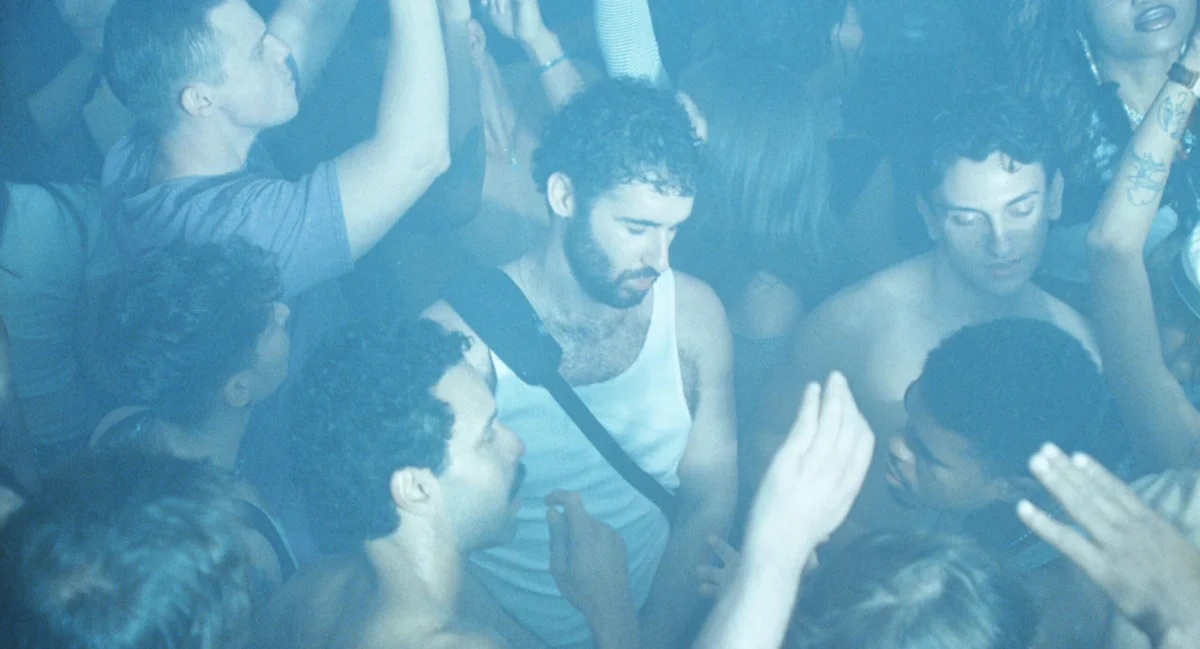
Among the most anticipated narrative features is Jesse Eisenberg’s latest directorial effort, The Debut, which arrives with significant buzz. Joining it are Peter Farrelly’s I Play Rocky, a biographical exploration that has already caught the attention of awards prognosticators, and Jordan Firstman’s Club Kid. The lineup also boasts international heavyweights, including new works from legendary South Korean director Lee Chang-dong (Possible Love) and the Polish master Paweł Pawlikowski (Fatherland).
The festival’s commitment to varied storytelling is further evidenced by the inclusion of Catherine Hardwicke’s Street Smart, Tim Blake Nelson’s The Life and Deaths of Wilson Shedd, and James Gray’s Paper Tiger. These films, along with others like Russell Goldman’s Sender and Noah Segan’s The Only Living Pickpocket in New York, confirm that Woodstock remains a primary destination for filmmakers seeking an audience that values intellectual rigor and artistic risk.
Documentary Power: From Tech Moguls to the Harlem Renaissance
The festival’s documentary program is arguably its most provocative. This year, WFF leans into investigative and historical storytelling with a slate that challenges prevailing narratives.
Headlining the documentary selection is Alex Gibney’s Musk, an expansive, no-holds-barred examination of the tech mogul’s influence on modern society. The program also features Ron Howard’s Avedon, a deep dive into the life and lens of the iconic photographer, and Once Upon A Time in Harlem, a historical treasure directed by William Greaves and David Greaves that chronicles a poignant gathering of the last surviving members of the Harlem Renaissance.

Further enriching the documentary slate are projects that tackle pressing contemporary issues, such as More Than Medicine: The Rise of Psychedelic Therapy, directed by Kerthy Fix and Paul Kloss, and the world premiere of In Hines Sight. By weaving together archival history, celebrity portraits, and investigative journalism, the festival continues to prove that the documentary medium remains the most effective tool for capturing the zeitgeist of the 2020s.
The Transition: Honoring a Legacy of Independence
The 27th festival is marked by the bittersweet departure of co-founder Meira Blaustein. Having spent nearly 30 years building the festival into a "home for independent filmmakers," Blaustein’s exit marks the end of an era.
"As we enter the 27th Woodstock Film Festival, this year feels especially meaningful to me," Blaustein said in a recent statement. "For nearly three decades, this festival has been about creating a home for independent filmmakers, bringing audiences together and championing stories that challenge, inspire, and connect us. I’m incredibly proud of the program we’re presenting this year and of the community that has grown around the festival. As I prepare to pass the torch, I’m excited to celebrate this remarkable group of artists and everything that has made the Woodstock Film Festival so special from the very beginning."
Under her guidance, the festival has evolved from a local gathering into an industry essential, attracting not just filmmakers but the executives and distributors who shape the cinematic year.
Beyond the Screen: A Hub for Discourse and Industry Growth
A hallmark of the Woodstock Film Festival is its refusal to treat films as mere products; instead, it frames them as catalysts for conversation. This year’s panel schedule is among the most robust in the festival’s history.
The "Democracy in Documentary" panel, moderated by Amy Goodman of Democracy Now!, promises to be a lightning rod for debate. Featuring heavy hitters like Steven Maing and Pamela Yates, the discussion will address the role of independent film in a landscape of corporate media consolidation. Simultaneously, the New York Women in Film & Television (NYWIFT) will host "Breaking the Frame," a critical analysis of the progress—and the remaining barriers—for women in the creative industry, featuring icon Rosanna Arquette.
For aspiring filmmakers, the "Masterclass with Catherine Hardwicke" offers an invaluable look at the technical "pre-production" phase—a rare opportunity to learn from a director whose work ranges from gritty indie dramas like Thirteen to global cultural phenomena like Twilight.

Special Events and the Rise of "Indie TV"
Woodstock is moving beyond the silver screen, acknowledging the shift toward episodic storytelling. The festival will host the East Coast premiere of the pilot for Woodstockers, an independent series starring Corbin Bernsen, Stephen Tobolowsky, and Maggie Lawson. The screening will be followed by a deep-dive conversation on the "Rise of Indie TV," exploring how independent creators are utilizing new production models to bypass traditional network constraints.
Other special events highlight the festival’s unique integration into the Hudson Valley community:
- The "American Zoo" Kick-off: On October 13, the festival opens with a screening of Tim Travers Hawkins’ American Zoo, a chilling exploration of a local landmark—the Catskill Game Farm—and its hidden links to a darker zoological history.
- Lunatic Dreamers & Live Performance: The world premiere of this documentary about The Felice Brothers will be followed by a live set by the band, blurring the lines between cinematic observation and the visceral experience of a concert.
- Grilling Bill Plympton: In a tribute to the legendary animator’s 80th birthday, fellow filmmaker Signe Baumane will host a career-spanning "grilling" of Plympton, complete with a retrospective of his most iconic animated shorts.
Economic and Cultural Implications
The festival’s footprint, spanning across Woodstock, Rosendale, Kingston, and Saugerties, provides a significant economic stimulus to the Hudson Valley. However, its true value lies in its cultural "soft power." By hosting major premieres and fostering an environment where directors like James Gray and Lee Chang-dong can engage directly with audiences, Woodstock maintains its relevance in a global market that is increasingly dominated by streaming algorithms.
The festival acts as a bridge. It connects the high-stakes world of Hollywood awards campaigning with the grassroots, community-oriented spirit of independent art. As it looks toward its third decade, the Woodstock Film Festival seems determined to prove that even as the technology of filmmaking evolves, the core mission—to challenge, inspire, and connect—remains as urgent as ever.
For attendees, the 2026 program offers more than just a list of movies; it offers a map of where cinema is heading. Whether through the lens of a documentary examining the world’s most powerful tech magnate or a quiet, intimate narrative about the human condition, the 27th Woodstock Film Festival remains a vital, beating heart for the independent film movement. As the industry gathers in the Catskills this October, all eyes will be on these screens, watching to see which of these stories will define the cultural conversation for years to come.
