
DNEG Expands European Footprint with Strategic Acquisition of Anima Kitchent
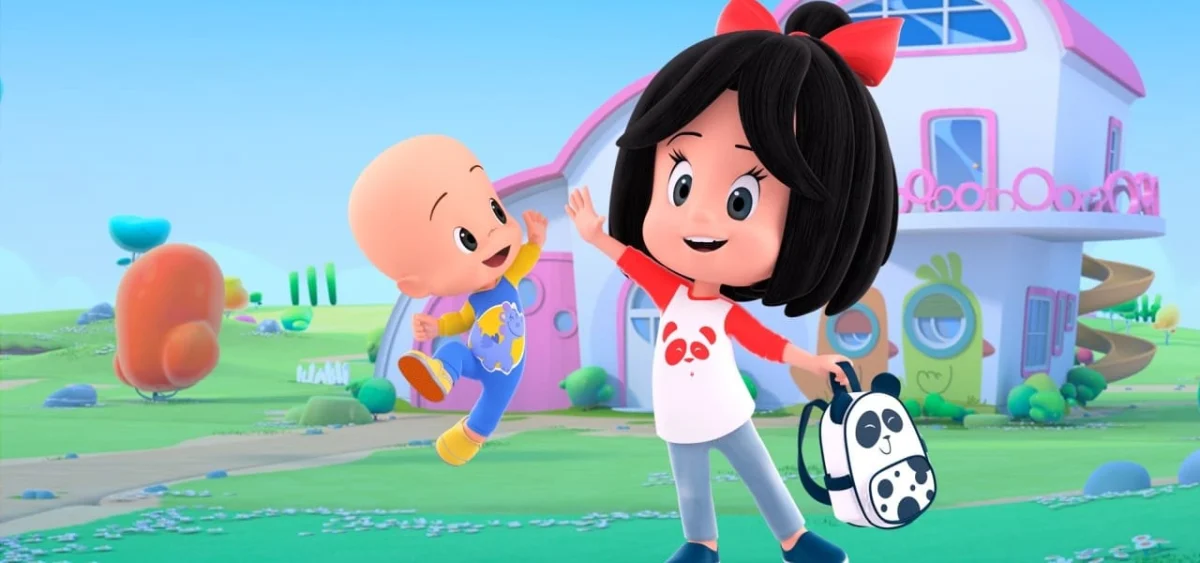
In a landmark move for the European animation landscape, Oscar-winning visual effects and animation powerhouse DNEG has announced the acquisition of Anima Kitchent, the acclaimed Canary Islands-based studio. This high-profile union signals a major shift in the competitive hierarchy of global animation production, merging DNEG’s Hollywood-grade infrastructure with the rapidly ascending creative talent of Spain’s island-based production hub.
The deal, which was confirmed on June 5, 2026, represents more than just a corporate expansion; it serves as a definitive endorsement of the Canary Islands’ transformation into a world-class animation powerhouse. With the backing of a €24.9 million ($28.8 million) investment from Spain’s state-backed technology vehicle, SETT, the acquisition is set to catalyze a period of unprecedented growth for the region’s creative sector.
The Core Transaction: Merging Global Ambition with Local Expertise
The acquisition will see Anima Kitchent integrated into the operational framework of ReDefine, DNEG’s specialized division for animation and content production. While the specific financial terms of the deal remain confidential, the infusion of capital from the Spanish government’s SETT program provides a clear roadmap for the studio’s trajectory: scaling production capacity, aggressively pursuing original intellectual property (IP) development, and significantly expanding the local workforce.
For DNEG, a company globally recognized for its technical mastery on features such as Nimona, The Garfield Movie, and Netflix’s highly anticipated Bad Fairies, this move is a strategic play to decentralize its operations while maintaining the high-fidelity quality its brand is known for. By anchoring a major part of its production pipeline in the Canary Islands, DNEG is effectively positioning itself to leverage both the local cost efficiencies and the region’s burgeoning pool of specialized animators.
A Chronology of Growth: The Rise of the Canary Islands
To understand the magnitude of this acquisition, one must examine the decade-long ascent of the Canary Islands as a premier destination for digital production.
- 2015–2018: Laying the Foundation. The regional government identified the creative industries as a pillar for economic diversification. By implementing aggressive tax incentives—offering up to 54% credits on initial production spend—the islands began to attract service-based animation studios.
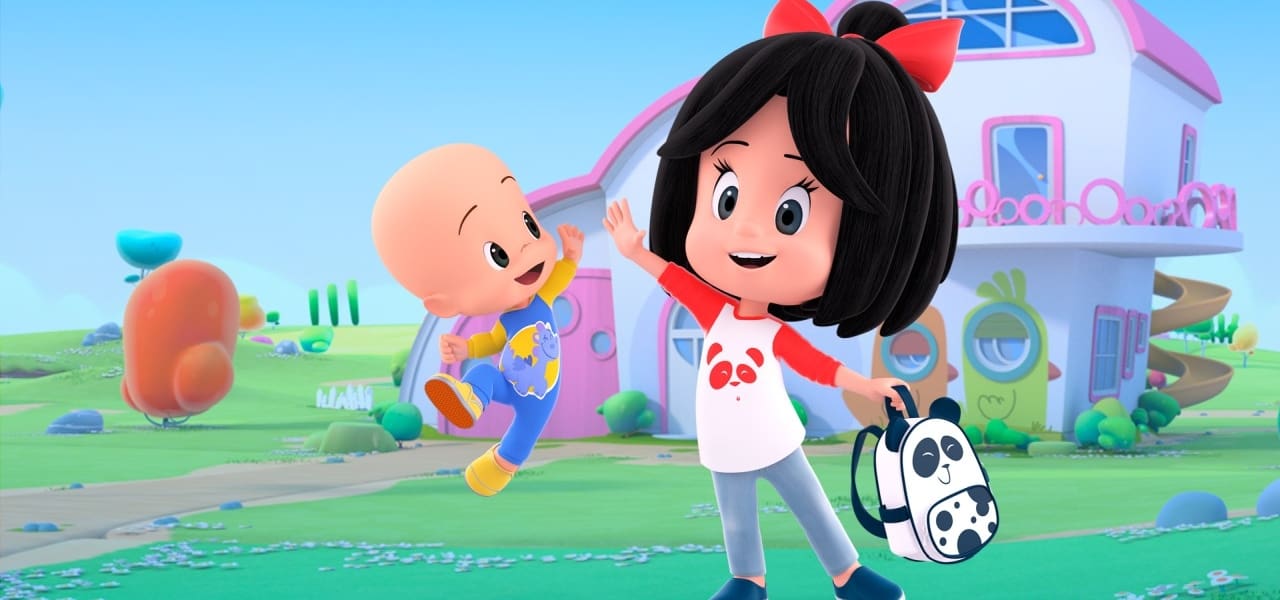
- 2019–2022: Building Critical Mass. The infrastructure matured, with the arrival of high-speed digital connectivity and the establishment of local training programs designed to feed the industry with homegrown talent. During this period, Anima Kitchent cemented its reputation with the success of Cleo & Cuquín.
- 2023–2025: The Shift to IP. A critical transition occurred as studios pivoted from "service-only" models to the creation of original intellectual property, catching the eye of international investors.
- 2026: The Global Validation. The DNEG acquisition marks the "coming of age" moment for the region, signaling that the Canary Islands are no longer just a peripheral service hub, but a core player in the global animation ecosystem.
Supporting Data: Why the Canary Islands?
The appeal of the Canary Islands is rooted in a robust, legally codified incentive structure that is unmatched in much of mainland Europe. The current tax regime offers:
- Production Incentives: A 54% tax credit on the first €1 million of eligible spending.
- Scalability: A 45% credit for subsequent spending, capped at €36 million ($41.8 million) per feature film.
- Television Advantage: A cap of €18 million ($20.9 million) per television episode, making the region a prime target for high-budget streaming series.
According to regional economic reports, this framework has successfully nurtured a workforce of approximately 2,000 animation professionals. However, the DNEG-backed expansion is expected to be a force multiplier. Projections from local officials suggest that the integration of Anima Kitchent into the ReDefine ecosystem could see the studio’s headcount explode from its current 170 employees to as many as 500 to 1,000 over the coming years.
Official Perspectives and Strategic Implications
While DNEG has remained tight-lipped regarding the specific structure of the transaction, industry analysts view the deal as a masterstroke in diversification. By embedding itself within a European Union member state, DNEG secures a foothold that mitigates the risks of global market volatility and provides direct access to European production subsidies and cultural funding.
Anima Kitchent brings to the table a proven track record in children’s entertainment and digital-native brand management. Their expertise in Cleo & Cuquín demonstrates an ability to translate local concepts into global hits, a competency that fits perfectly into ReDefine Originals’ mandate to create compelling, market-agnostic content.
The Human Capital Aspect
The most significant impact of this acquisition may well be on the labor market. The commitment to expanding the workforce suggests a long-term investment in local education and mentorship programs. By bringing Hollywood-standard workflows to the islands, DNEG is effectively creating a "training ground" for a new generation of Spanish animators, which will have a compounding effect on the local economy for decades to come.
.png)
The Future: A New Hub for Global Animation
The implications of this deal extend far beyond the balance sheets of DNEG and Anima Kitchent. It sets a new benchmark for how global studios should approach international expansion: not merely as a cost-cutting exercise, but as a collaborative integration of talent and resources.
As the industry moves toward a future where "remote-first" and "decentralized" production become the standard, the Canary Islands have effectively leapfrogged other traditional animation centers. With the backing of the Spanish government and the operational might of a company like DNEG, the region is poised to become the "Hollywood of the Atlantic."
For the wider animation community, this news signals a period of consolidation where established players will increasingly seek out high-growth, tax-advantaged regional hubs. As DNEG begins the process of scaling Anima Kitchent’s operations, the eyes of the global industry will be fixed on the islands, watching to see if this partnership can indeed foster the next great wave of animation innovation.
In conclusion, the DNEG acquisition of Anima Kitchent is a landmark event that validates a decade of strategic planning in the Canary Islands. It secures the future of a key regional employer, promises a massive injection of jobs into the local economy, and provides DNEG with the agility to continue its dominance in the global animation market. As both entities begin their integration, the industry is witnessing the birth of a new, major player on the international stage.
