
Beyond the Third Age: Peter Jackson Eyes New Horizons in Middle-earth
The year 2026 marks a pivotal juncture for the J.R.R. Tolkien cinematic universe. As fans prepare for the November 11th premiere of the third season of Amazon Studios’ The Rings of Power and look ahead to the 2027 production cycle for its fourth outing, the landscape of Middle-earth adaptation is shifting. With Andy Serkis’ The Hunt for Gollum slated for release at the end of 2027 and a separate project spearheaded by Stephen Colbert already in development, the appetite for Tolkien’s legendarium has reached a fever pitch.
Yet, the most significant development in the franchise’s future may not be a specific sequel, but a monumental shift in legal access. Recent reports indicate that legendary director Peter Jackson is currently in high-level discussions with Warner Bros. and the Tolkien Estate to secure licensing rights for the deeper, more expansive source material beyond the appendices of The Lord of the Rings.
The Legal Frontier: Moving Beyond the Appendices
For decades, the cinematic viability of Middle-earth has been constrained by a restrictive licensing framework. Most contemporary adaptations—including the Hobbit trilogy, the original Lord of the Rings films, and the current Amazon series—have been forced to operate within the narrow confines of the primary novels and the limited history found in the appendices of The Return of the King.
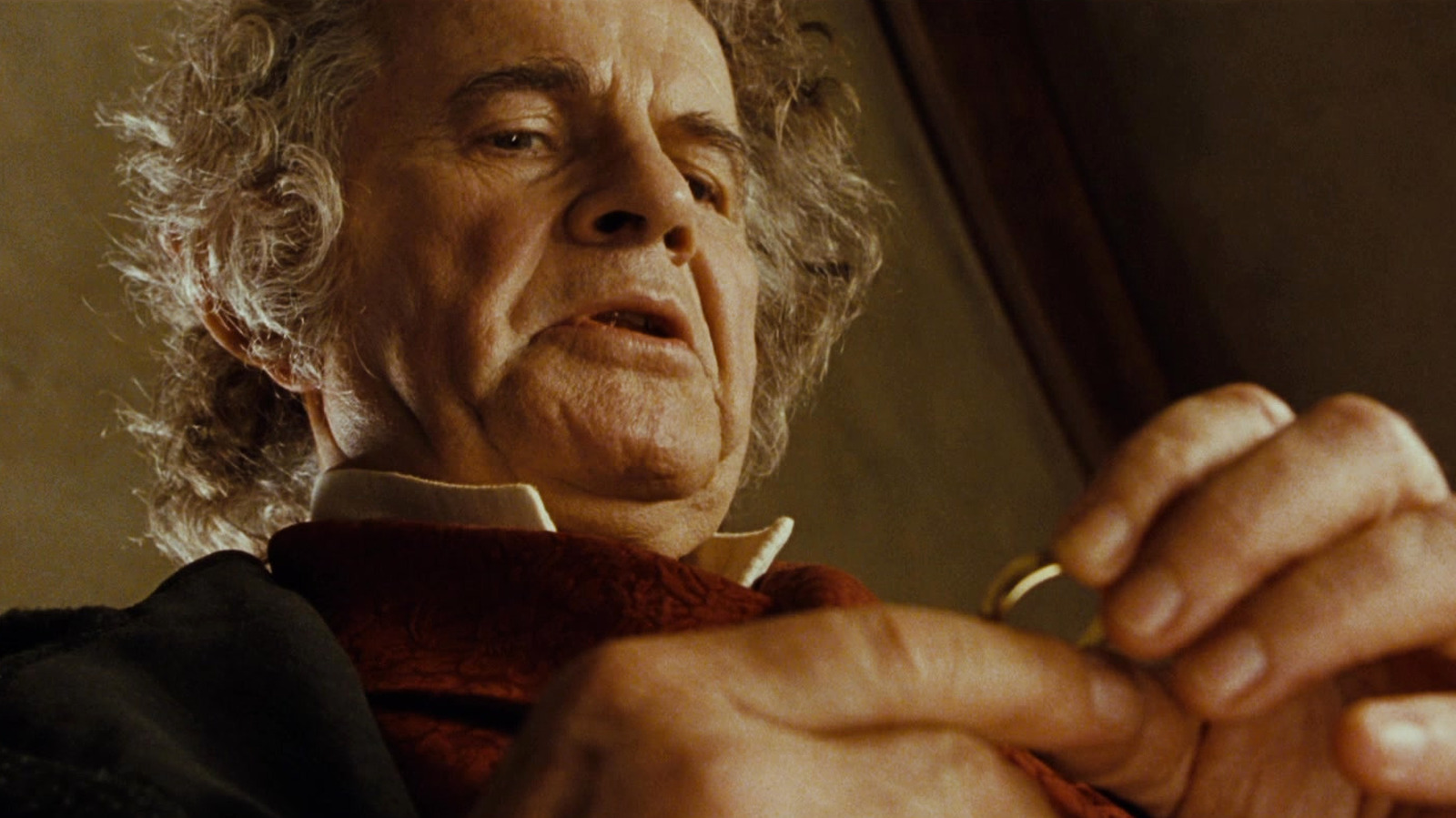
Peter Jackson, speaking to Deadline via the fan outlet The Fan of the Rings, confirmed that a collaborative effort between himself, his production team, and Warner Bros. is underway to court the younger generation of the Tolkien family currently serving on the Estate’s board.
"A combination of Warner’s and us have been talking to some of the younger Tolkien members who are now part of the board about the possibility of actually licensing some of the rights to the other books," Jackson stated. "It would be nice to get away from the appendices and get something a bit more meaty."
This shift, if successful, would unlock the dense, mythic, and tragic texts of The Silmarillion and Unfinished Tales, providing filmmakers with a treasure trove of narrative potential that has, until now, remained largely untouched by major studio productions.
The Chronology of Potential Adaptations
The history of Middle-earth is vast, spanning thousands of years across four distinct "Ages." While the current franchise focus remains largely on the Third Age, the acquisition of rights to The Silmarillion would allow for a non-linear expansion into the First and Second Ages.
1. The First Age: The Era of High Myth
The First Age is characterized by the presence of the Valar (divine angelic beings), the initial wars against the first Dark Lord, Morgoth, and the tragic migrations of the Elves. This era is defined by grand, operatic stakes, but it is also the most challenging to adapt due to its reliance on creation myths and celestial-level conflicts.
2. The Second Age: The Rise and Fall of Numenor
This era, currently explored by The Rings of Power, concerns the rise of the island kingdom of Numenor, the forging of the Rings, and the corruption of Sauron. With expanded rights, creators could move past the series’ current scope and depict the full, catastrophic fall of Numenor (the Akallabeth).
3. The Third and Fourth Ages: The Legacy of Kings
These eras focus on the waning of the Elves and the rise of the Dominion of Men, culminating in the events of The Lord of the Rings and the subsequent reconstruction of the world under King Elessar (Aragorn).
Five "Meaty" Narratives for the Silver Screen
Should Jackson and Warner Bros. succeed in their negotiations, these five narratives stand out as the most cinematic, character-driven, and "meaty" candidates for future feature films.
The Tragedy of Beren and Lúthien
Often cited as the most quintessential love story in Tolkien’s work, the tale of the mortal Beren and the half-Elven princess Lúthien offers a grounded entry point into the First Age. When Lúthien’s father demands an impossible price for her hand—a Silmaril stolen from Morgoth’s crown—it sets off a quest involving shape-shifting, heroic sacrifices, and the assistance of a legendary talking hound. Centering the narrative on Lúthien, whose agency drives the plot, would offer a fresh, female-led perspective on Tolkienian heroism.
The Children of Húrin: A Darker Shade of Middle-earth
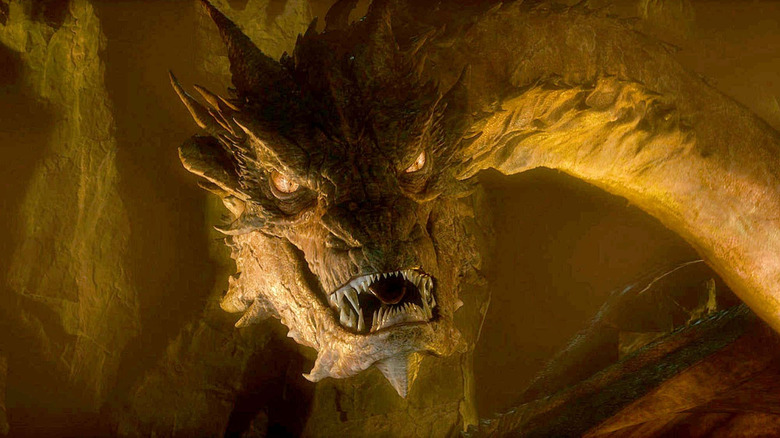
If the studio desires a departure from the "heroic fantasy" tone of the LOTR trilogy, The Children of Húrin provides a stark alternative. It is a story of generational trauma, as the hero Húrin is forced by Morgoth to witness the ruin of his family. Its protagonist, Turin Turambar, is a deeply flawed, volatile figure whose life is a cycle of tragic errors and unintended destruction. Given the current trend toward "prestige" dark fantasy, this narrative could effectively compete with the tone of modern hits like House of the Dragon.
The Fall of Gondolin: The Ultimate Siege
The story of Tuor and the hidden city of Gondolin acts as a spiritual counter-balance to the tragedy of the children of Húrin. It is a high-stakes epic involving the warning of a god-like entity (Ulmo), the betrayal of a secret kingdom, and a final, desperate stand against Morgoth’s forces. The inclusion of Balrog-dueling heroes like Glorfindel would satisfy the action-hungry audience while providing a tragic, emotionally resonant conclusion to the First Age.
Aldarion and Erendis: The Numenorean Drama
For those seeking a more intimate, character-focused story, the tale of Aldarion and Erendis offers a sophisticated exploration of duty versus desire. Set during the height of Numenor’s power, it is essentially a high-fantasy domestic drama centered on a love triangle between a prince, his wife, and his obsession with the sea. This narrative would allow for a slower, more deliberate pace, exploring the psychological toll of immortality and the cultural hubris of the Numenoreans.
Cirion and Eorl: The Origins of Rohan
Following the success of The War of the Rohirrim, the history of the Mark of Rohan remains a high-interest area. The story of Cirion and Eorl chronicles how the horse-lords of the North formed their alliance with Gondor. It contains the quintessential Tolkien elements: a desperate battle against overwhelming odds, a cavalry charge that changes the course of history, and the forging of a bond between two peoples that lasts for centuries.
Implications for the Franchise
The potential licensing of these texts has massive implications for both Warner Bros. and the global fan base. First, it ensures the longevity of the franchise. By shifting the focus from the well-trodden ground of the War of the Ring to the deep history of Middle-earth, the studio avoids the "reboot fatigue" currently plaguing many major IPs.
Second, it allows for a diversification of tone. Jackson’s previous films were sweeping epics, but the source material in The Silmarillion ranges from Shakespearean tragedy to intimate family drama. This flexibility allows future directors to experiment with genre while staying within the established lore.
However, the primary hurdle remains the preservation of Tolkien’s spirit. The "younger members" of the Tolkien board are famously protective of their patriarch’s legacy. Any deal struck will likely involve stringent creative oversight, ensuring that the "meat" of these stories remains faithful to the complex moral and theological underpinnings of the original text.
Looking Forward: A New Era of Adaptation
As the industry watches the 2027 releases, the conversation surrounding Peter Jackson’s potential return to the director’s chair for a Silmarillion project will likely dominate trade discourse. If the negotiations prove fruitful, we are looking at the potential for a "Middle-earth Cinematic Universe" that is not merely a collection of sequels, but a curated exploration of one of the greatest mythologies ever written.
The fans, long accustomed to the limited scope of the appendices, now stand on the precipice of witnessing the First and Second Ages brought to life. For Middle-earth, the Third Age may be ending, but the story is far from over.
