
The Meta-Horror Struggle: Why ‘Scary Movie 6’ Fails to Capture the Magic of the Original Franchise
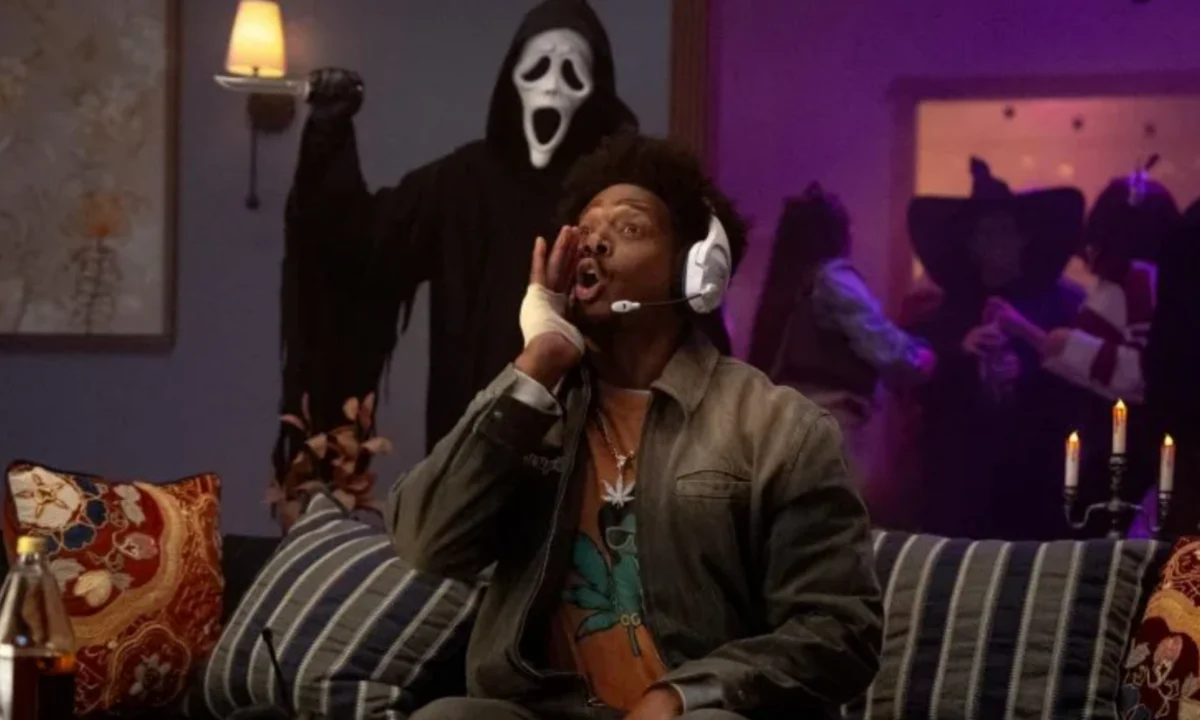
By [Your Name/Staff Writer]
Date: June 5, 2026
The Scary Movie franchise, once the undisputed king of the cinematic parody, has returned to theaters with its sixth installment. Marketed as a “rebootquel,” the film reunites the original creative forces—the Wayans family—with a modern cast, attempting to navigate a horror landscape that has evolved drastically since the series’ inception in 2000. While the film offers fleeting moments of brilliance, particularly through breakout star Olivia Rose Keegan, it ultimately serves as a cautionary tale about the difficulties of spoofing a genre that has become self-aware and fragmented in the age of the algorithm.
Main Facts: A Franchise at a Crossroads
Scary Movie 6 arrives with the heavy burden of legacy. Directed and written with the goal of satirizing the “legacy sequel” trend—a hallmark of contemporary horror franchises like Scream (2022) and the David Gordon Green Halloween trilogy—the film positions itself as a generational bridge. The plot centers on Cindy Campbell’s daughter, effectively passing the mantle while bringing back the original icons, Anna Faris and Regina Hall.
However, the film’s central thesis—that modern horror is ripe for satire—is undermined by the very nature of modern cinema. Today’s horror landscape is dominated by “elevated horror,” TikTok-driven trends, and hyper-niche streaming content. Unlike the original film, which took aim at broad, universally recognized hits like Scream and Signs, the new entry struggles to find a cultural foothold that resonates with a mass audience.
Chronology: The Evolution of the Parody Genre
To understand the current state of Scary Movie, one must look at the timeline of the spoof genre.
- 2000: The original Scary Movie premieres, becoming a cultural phenomenon by deconstructing the slasher tropes of the late 90s.
- 2003–2006: The franchise continues with Scary Movie 3 and 4, though creative shifts (including the departure of the Wayans family) lead to a noticeable decline in critical reception.
- 2013: Scary Movie 5 is released to largely negative reviews, signaling a decade-long hiatus for the brand.
- 2024–2025: Pre-production begins on the sixth installment, with the Wayans family returning to the fold to reclaim the creative reins.
- June 2026: Scary Movie 6 hits theaters, attempting to reconcile the “old guard” humor with the “Gen Z” aesthetic.
The film’s production history is deeply embedded in its narrative. Much of the subtext of the film revolves around the industry politics that saw the Wayans ousted from the franchise mid-run. This internal conflict often bleeds onto the screen, turning what should be a universal comedy into a cathartic, insular experience for its creators rather than an accessible spoof for the audience.
Supporting Data: The Fragmentation of the Zeitgeist
The primary struggle for Scary Movie 6 is not a lack of effort, but a fundamental shift in how audiences consume media.
The “Second-Screen” Dilemma
Modern audiences rarely consume horror films in a vacuum. With the rise of streaming, social media discourse, and instant “explainers” on YouTube, the cultural half-life of a movie is significantly shorter than it was twenty years ago. The script for Scary Movie 6 attempts to cover a wide net of recent hits, including The Substance, Sinners, Longlegs, and Heart Eyes.
However, the sheer speed at which these films enter and exit the conversation means that many of the references feel dated by the time the film reaches its final edit. The film relies on the audience’s ability to recognize these specific titles, effectively alienating viewers who aren’t terminally online.
Performance Metrics
While the film’s narrative is disjointed, individual performances stand out as data points for what could have been. Olivia Rose Keegan is widely regarded as the film’s MVP, providing a high-octane performance that mirrors the intensity of modern scream queens. Conversely, the legacy cast appears to be struggling. Regina Hall is relegated to a series of repetitive catchphrases, while Anna Faris’s comedic timing—once the bedrock of the franchise—seems out of sync with the film’s modern, faster-paced rhythm.

Official Responses and Industry Reception
Critics have been polarized, acknowledging the film’s technical ambition while lamenting its lack of cohesion. Industry analysts note that while the film will likely fail to ignite the box office in the same way its predecessors did, it is perfectly primed for the streaming market.
“It’s a film for the ‘I get that reference’ crowd,” says one industry observer. “It’s designed to be watched on a phone while the viewer scrolls through an IMDb list of the movies being parodied. That’s not a criticism of the craft, but an observation of the target demographic.”
The filmmakers have remained largely silent regarding the mixed critical reception, though early press junkets emphasized the importance of the Wayans’ return to the series. The emphasis on “returning to the roots” was a marketing pillar, yet critics suggest that this fixation on the past is exactly what prevented the film from evolving into something truly new.
Implications: Can Parody Survive in the Modern Era?
The release of Scary Movie 6 raises an existential question for the spoof genre: Is it still possible to make a successful parody film in a post-ironic, algorithmic world?
The Death of the Universal Laugh
In 2000, everyone saw the same films at the same time in theaters. Today, we exist in silos. Because of this, a film that relies on "punching" at specific cultural touchstones often falls flat because those touchstones are no longer universal. The film finds its only true success when it moves away from parodying specific films and instead turns its lens toward contemporary internet culture—such as its segment on TikTok-driven horror trends.
The Future of the Franchise
If Scary Movie is to continue, it must abandon the "checklist" approach to satire. As seen in the recent successful revival of The Naked Gun, a parody works best when it builds its own world, creates its own logic, and uses the source material only as a springboard for original comedy.
Scary Movie 6 provides a frustrating glimpse of this potential. The “K-Pop Demon Hunters” segment, for instance, is a brilliant, inspired piece of comedy that shows what the film could have been if it had trusted its own creativity over its reliance on established IP.
Conclusion
Ultimately, Scary Movie 6 is a film defined by its ingredients rather than its final product. It has the talent, the legacy, and the desire to be relevant. However, by trying to be everything to everyone—a legacy sequel, a parody of modern horror, and a personal project for its creators—it loses its focus.
For fans of the original trilogy, the film will provide a nostalgic, if uneven, trip down memory lane. For the average moviegoer, it serves as a reminder that satire is a delicate craft. To survive the modern era, parody must be sharper, faster, and more willing to burn down the house it’s built on, rather than simply decorating the walls with references to the latest horror hits. The genre isn’t dead, but as Scary Movie 6 proves, it is certainly in need of a fresh set of eyes.
