
The Art of the Absurd: A Deep Dive into the Enduring Legacy of Horror Spoofs
The release of the sixth installment in the Scary Movie franchise marks more than just another chapter in a long-running series; it serves as a cultural reminder of the enduring power of the spoof. In an era often dominated by elevated horror and somber, atmospheric dread, there remains a vital, beating heart in the "dumb silliness" of the cinematic parody. These films, which revel in the obscene, the gross, and the outright goofy, offer a necessary release valve for audiences navigating the pressures of contemporary reality.
While the landscape of horror comedy is vast, ranging from the high-concept satire of The Final Girls to the meta-commentary of Behind the Mask: The Rise of Leslie Vernon, there is a specific sub-genre of "unapologetically stupid" cinema that holds a unique place in the genre’s history. As we celebrate the return of the Scary Movie franchise to the big screen, it is time to examine the lineage of these films and why they remain essential viewing for the horror aficionado.
The Anatomy of the Spoof: Why We Need the Absurd
At its core, the spoof is an act of subversion. By taking the tropes we hold dear—the final girl, the jump scare, the unkillable slasher—and holding them up to a funhouse mirror, filmmakers allow audiences to reclaim the power of the genre. These films do not ask for highbrow analysis; they ask for a willingness to suspend disbelief, embrace the ridiculous, and laugh at the tropes that have defined horror for generations.
The current cultural climate, often fraught with tension, makes the escapism of the spoof not just desirable, but necessary. There is a catharsis in watching a genre that is usually obsessed with life and death pivot to focus entirely on the absurdities of the human condition.
Chronological Evolution: From Mel Brooks to the Modern Day
The history of the horror spoof is a timeline of evolving comedic sensibilities. While the roots of parody stretch back to the silent era, the genre found its definitive voice in the mid-1970s and has continued to mutate ever since.
1974: The Gold Standard – Young Frankenstein
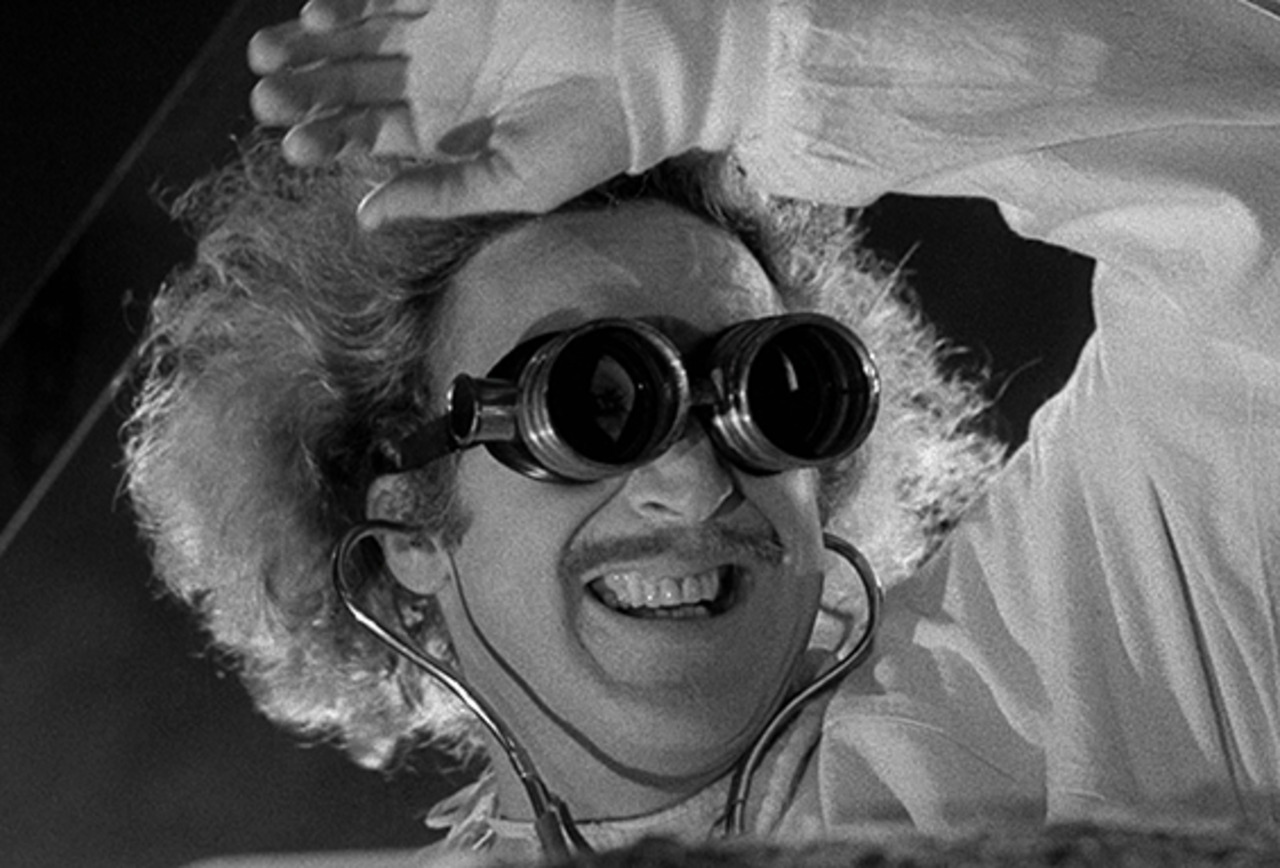
It is impossible to discuss the spoof without bowing to Mel Brooks. His 1974 masterpiece, Young Frankenstein, remains the benchmark by which all other genre parodies are measured. By collaborating with Gene Wilder, who infused the script with a manic, intellectual brilliance, Brooks turned Mary Shelley’s Gothic horror into a symphony of slapstick and wordplay. Even in 2026, the film stands as a testament to the fact that parody can be as technically proficient and narratively sound as the works it mocks.

1988: The Queen of Cult – Elvira: Mistress of the Dark
In 1988, Cassandra Peterson solidified her status as the icon of the genre with Elvira: Mistress of the Dark. The film successfully bridged the gap between the campy horror-host tradition and the mainstream studio comedy. By placing Elvira in a conservative small town, the film used humor to strike at the heart of 1980s puritanism, proving that the spoof could be a vehicle for social commentary as well as belly laughs.
1989: The Troma Factor – Blades
A deep cut for the true horror fanatic, Blades (1989) represents the "deranged" side of the spectrum. Directed by Thomas R. Rondinella, this Troma-distributed Jaws rip-off features a sentient, murderous lawnmower terrorizing a golf course. It is a fever dream of low-budget creativity, proving that you don’t need a massive studio budget to successfully execute a high-concept parody.
1995: The Leslie Nielsen Era – Dracula: Dead and Loving It
No conversation about this genre is complete without the late, great Leslie Nielsen. Having mastered the art of the deadpan delivery in the Naked Gun series, Nielsen brought his unique comedic timing to the role of Count Dracula under the direction of Mel Brooks. While critics were divided upon its release, the film has aged into a cult favorite, showcasing a master of physical comedy at the peak of his powers.

2015: The Digital Age and Dude Bro Party Massacre III
As the horror genre entered the mid-2010s, the parody evolved to reflect the digital age. Dude Bro Party Massacre III is a prime example of a film that understands its audience’s obsession with "found footage" and low-budget aesthetics. By leaning into the "bro" culture tropes of the slasher genre, the film created an incredibly quotable, gut-busting experience that remains one of the most unique entries in the last decade.
2023: The Modern Deconstruction – The Blackening
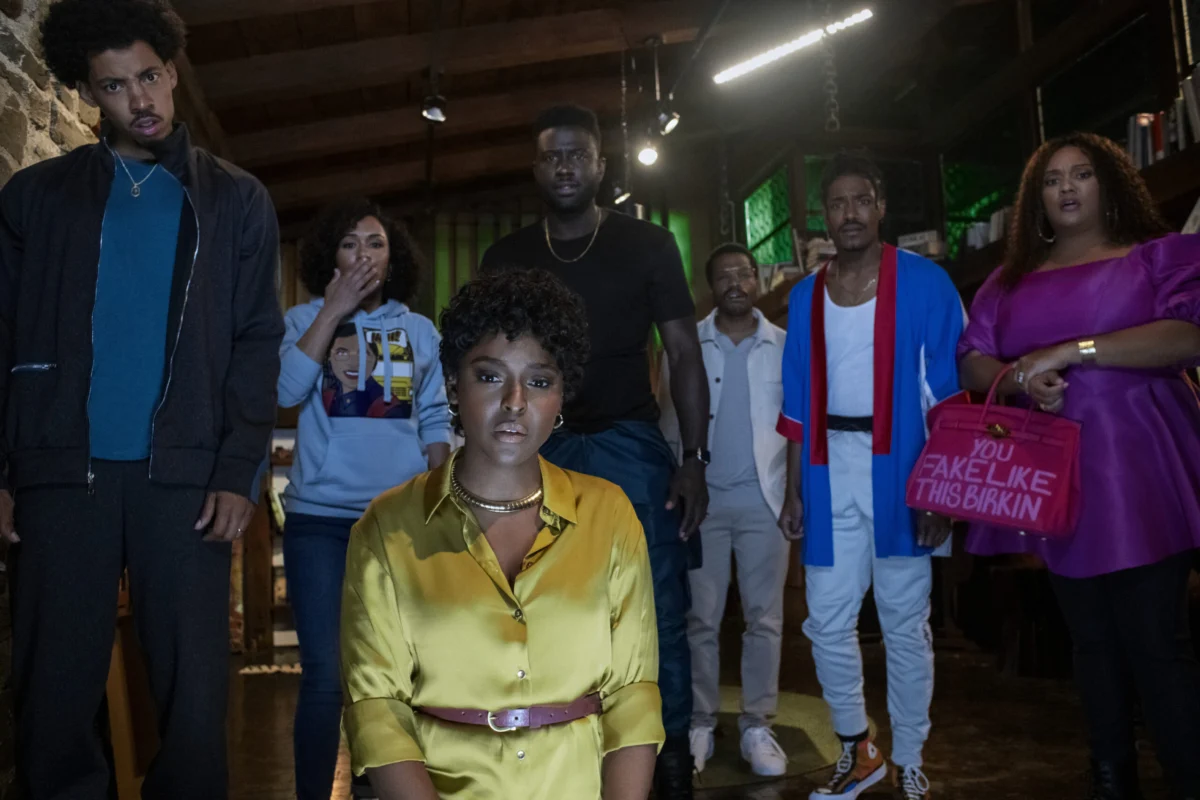
The most recent evolution of the spoof is found in Tim Story’s The Blackening. Rather than simply mocking the genre, it acts as a razor-sharp critique of systemic tropes, specifically the historical treatment of Black characters in horror cinema. By flipping the script—literally, with the famous line "We can’t all die first"—it demonstrates that the spoof can be both hilariously "dumb" and intellectually profound.
Supporting Data: The Commercial Impact of Parody
While "prestige horror" often garners critical accolades, the financial data consistently shows that audiences crave the high-energy, low-stakes entertainment provided by the spoof. The Scary Movie franchise alone has grossed nearly $900 million worldwide, proving that the appetite for lampooning the genre is a lucrative, global phenomenon.

When analyzed against the broader horror market, spoofs generally operate with a higher return on investment due to their tendency to lean into practical effects and ensemble comedy rather than CGI-heavy spectacles. Furthermore, these films often enjoy longer "long-tail" engagement on streaming platforms, as their highly quotable dialogue and "scene-by-scene" comedic beats lend themselves to repeated viewings.
Official Perspectives: The Creator’s Dilemma
Industry veterans often cite the difficulty of writing a good spoof. As Mel Brooks famously noted, the secret is not just in the jokes, but in the reverence for the source material. You cannot mock what you do not understand.
Recent interviews with the cast of the latest Scary Movie entry highlight this challenge. The goal is to walk the thin line between tribute and mockery. Modern directors are now tasked with updating the formula for an audience that consumes horror differently than in the 1990s. With the rise of social media and the "meme-ification" of horror moments, the spoof must now be faster, punchier, and more aware of its own existence within the digital ecosystem.

Implications: The Future of the Genre
The return of the Scary Movie franchise suggests that the industry is looking for a shift back to communal, high-energy cinema. The implications for the future of horror are clear: as long as the genre continues to take itself seriously, there will always be a need for a counterbalance.
The spoof is not dying; it is simply evolving. Whether it takes the form of a low-budget Troma romp, a star-studded studio production, or a sharp-witted critique of Hollywood’s racial politics, the parody remains a cornerstone of the horror experience. It reminds us that at the end of the day, horror is supposed to be fun.
As we look toward the future, the lessons from the likes of Young Frankenstein and The Blackening are clear: to keep the genre alive, we must keep laughing at the monsters, the final girls, and, most importantly, ourselves. The next time you find yourself stressed by the world, skip the grim drama and queue up a classic. After all, as the history of the spoof proves, sometimes the best way to handle a chainsaw-wielding maniac is to point and laugh until your sides ache.
