
The Price of the Yellowstone Legacy: Five Characters Who Met Untimely Ends
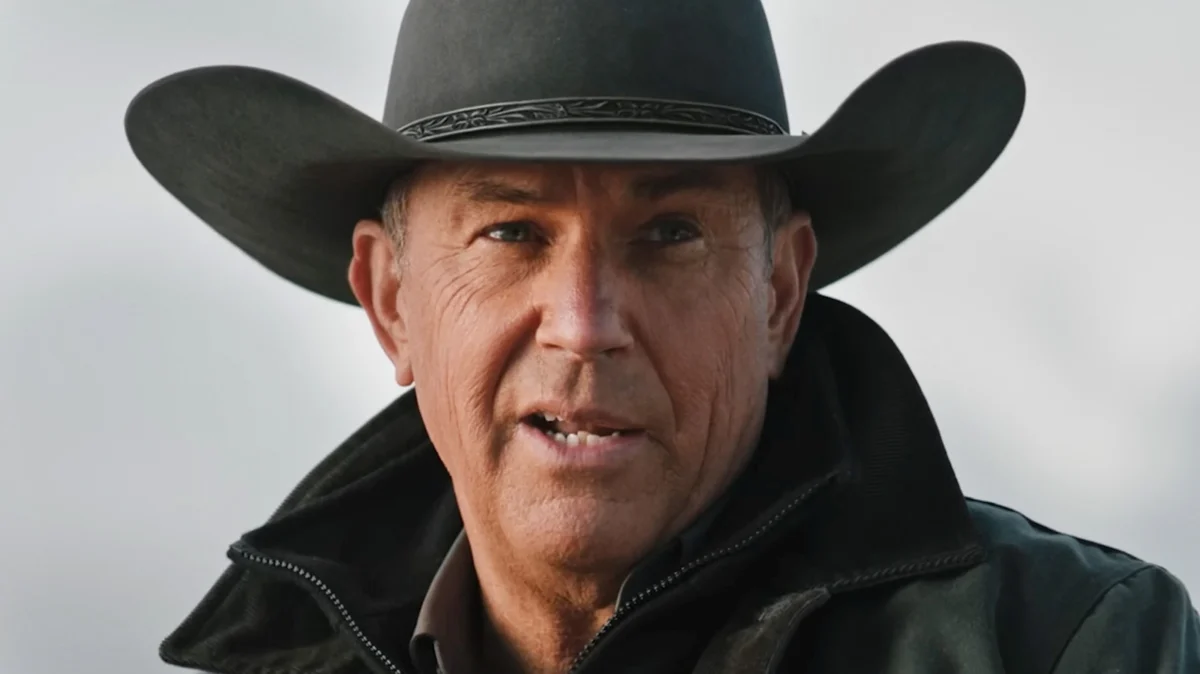
For five gripping seasons, Taylor Sheridan’s Yellowstone redefined the neo-Western genre, transforming the sprawling Montana landscape into a stage for Shakespearean tragedy, corporate warfare, and the brutal preservation of a family dynasty. Yet, as the sun sets on the Dutton era and the franchise expands into spin-offs like The Madison (formerly referred to as 2024) and The Responders (the procedural Marshals), a retrospective look at the series reveals a recurring pattern: the frequent, and often controversial, culling of its primary cast.
While the Duttons frequently sent their enemies to the "Train Station"—the series’ infamous, desolate dumping ground for the bodies of those who dared cross them—the show also claimed the lives of characters who were far from the moral abyss. These deaths, whether driven by behind-the-scenes contract disputes, narrative necessity, or a penchant for shock-value melodrama, have left fans questioning the long-term trajectory of the franchise.
The Cost of Power: A Chronicle of Loss
The Yellowstone universe operates on a philosophy of attrition. From the series premiere, "Daybreak," the show established that no one—not even blood kin—was safe from the violent currents of the Dutton Ranch.
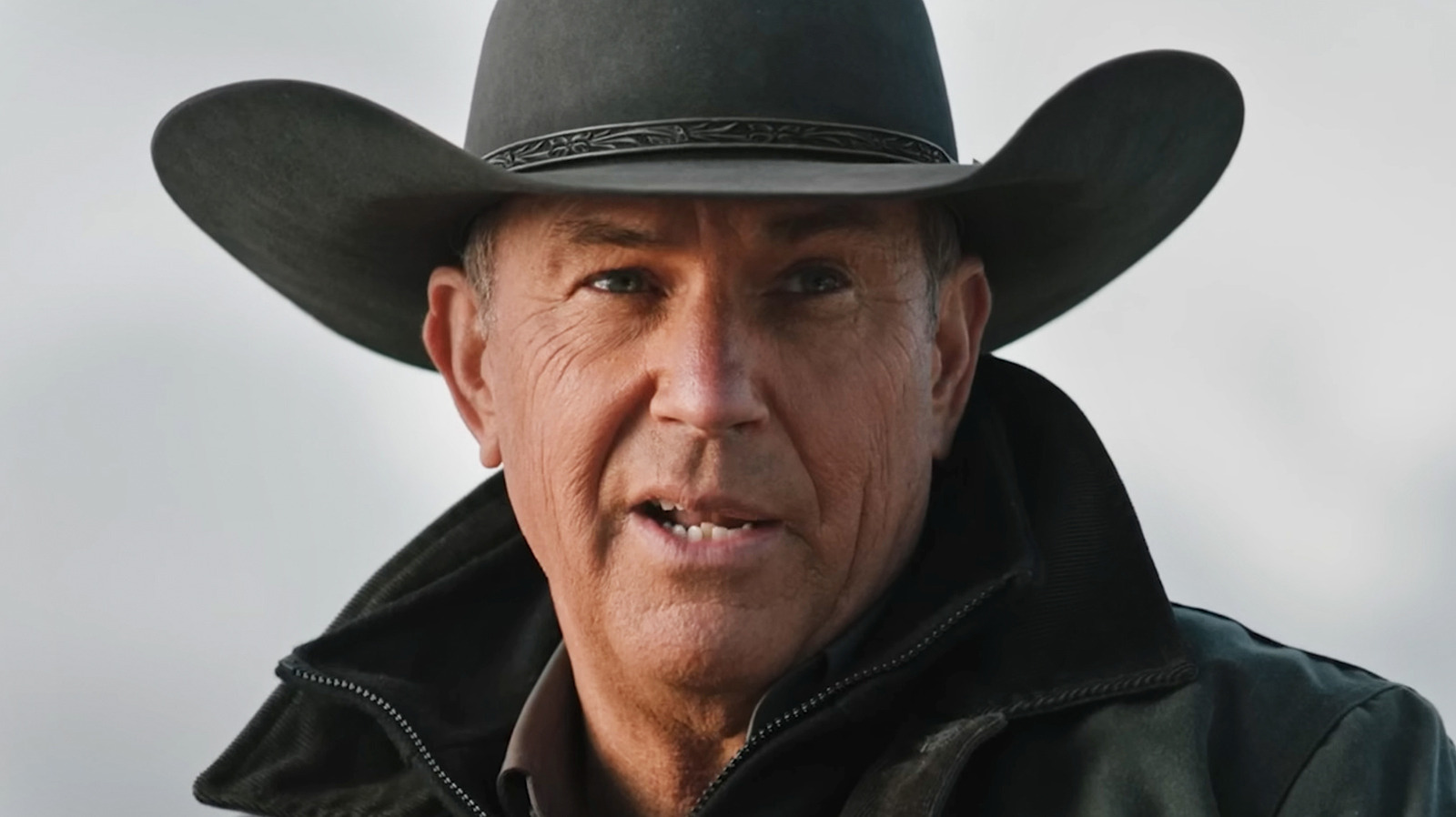
The Patriarch: John Dutton (Kevin Costner)
The most jarring departure in the show’s history remains the off-screen death of John Dutton. Following a well-documented and highly publicized fracture in the professional relationship between star Kevin Costner and creator Taylor Sheridan, the patriarch’s exit was handled with a finality that left much of the fanbase dissatisfied.
John Dutton was the moral and structural anchor of the series. His death, framed as an apparent suicide, stands as an anti-climactic resolution to a character who survived countless assassination attempts, land wars, and political machinations. Contractually, Costner had stipulated that his character be treated with dignity, but the narrative execution—rushed and detached—felt like a betrayal of the audience’s long-term investment.
The First Son: Lee Dutton (Dave Annable)
Lee Dutton’s death in the pilot episode was the catalyst for everything that followed. His murder at the hands of Robert Long during a cattle theft gone wrong served a specific purpose: it brought Kayce Dutton back into the fold and established the stakes of the series. However, in hindsight, Lee represented the "lost" potential of the Dutton legacy. As the heir apparent, his presence would have offered a more grounded alternative to the volatility of Beth and the moral ambiguity of Jamie. Losing him early deprived the audience of a compelling brotherly dynamic that could have served as a counterbalance to the later, more destructive conflicts.
The Moral Compass: Monica Dutton (Kelsey Asbille)
The treatment of Monica Dutton, particularly her transition into the Marshals spin-off, represents a masterclass in narrative frustration. After serving as the series’ primary connection to the Broken Rock Reservation and the voice of reason against the Duttons’ unchecked power, her off-screen death from illness felt like a strategic erasure. Reports suggest that this decision was influenced by the complex legal and streaming rights negotiations between Paramount and NBCUniversal. Regardless of the business logic, the death of a character who provided essential perspective to the show’s themes of land ownership and indigenous rights felt like a hollow tactical maneuver.
The Innocent Bystander: Dirk Hurdstram (Stanley Peternel)
While not a primary lead, Dirk Hurdstram’s death remains one of the most tragic in the series. As the grandfather of Jimmy, Dirk was a man of simple virtue whose only "crime" was trying to steer his grandson away from the criminal underworld. His death, caused by a stroke following a brutal beating at the hands of those pursuing Jimmy, served to highlight the collateral damage of the Duttons’ influence. It reinforced the notion that in the Yellowstone universe, you do not have to be a player in the game to be destroyed by it.
The Unborn Heir: The Tragic Loss of Baby John
Perhaps the most polarizing moment in the show’s history was the death of Kayce and Monica’s second son. The sequence, involving a frantic, solo drive to the hospital and a collision with a buffalo, was widely criticized as "cheap melodrama." By turning a high-stakes pregnancy into a series of unfortunate, avoidable events, the showrunners managed to alienate a portion of the audience who felt the tragedy was forced rather than organic. It pushed the series from gritty realism into the realm of the absurd.
Analyzing the "Sheridan Effect": Why Characters Are Sacrificed
To understand why these characters met such ends, one must look at the structural pressures surrounding the production. Taylor Sheridan’s writing room often prioritizes "the moment"—a high-impact scene that trends on social media—over long-term character arcs.
The Impact of Behind-the-Scenes Friction
The friction between the creative vision and the corporate reality of a massive franchise cannot be overstated. When a star of Kevin Costner’s magnitude exits a project, the writers are forced to pivot in ways that often negate years of character development. The "off-screen death" is frequently a symptom of a production that has run out of runway, forcing writers to close chapters as quickly as possible to facilitate the launch of new spin-offs.
The "Train Station" Philosophy
The Yellowstone narrative philosophy is simple: conflict is the engine of the show. Whether it is a character like Dirk Hurdstram or an heir like Lee Dutton, the narrative often uses death as a "reset" button. This allows the show to introduce new dynamics, shift the focus to different characters, or resolve complex plot threads that have grown too tangled to unravel.
Implications for the Future of the Franchise
The Yellowstone universe is currently in a state of flux. With 1883 and 1923 having established the pedigree of the franchise, the modern-day spin-offs face the challenge of recapturing the magic of the original without relying on the same shock-value deaths that defined its later seasons.
Narrative Fatigue
The primary danger facing the franchise is narrative fatigue. When the audience knows that death can happen at any moment due to production logistics rather than story logic, they stop engaging with the emotional weight of a character’s demise. If every tragedy feels like a business decision, the emotional stakes of the show diminish.
The Shift in Tone
The transition toward the Marshals series suggests a move toward a more procedural, structured format. If these new shows can learn from the missteps of Yellowstone—specifically the tendency to discard characters without meaningful closure—they may be able to build a more sustainable legacy. The key will be ensuring that future deaths serve the story rather than the schedule.
Conclusion: Lessons from the Ranch
The legacy of Yellowstone will always be defined by its ambition. It brought the Western back to the cultural forefront and created a sprawling, interconnected universe that dominated television for half a decade. However, the deaths of characters like John, Lee, and Monica serve as a cautionary tale.
For a show to maintain its integrity, it must value its characters as much as its spectacle. As the franchise looks toward its next chapter, the creators would do well to remember that the most powerful moments in the Dutton saga were not the ones that resulted in a funeral, but the ones that showed the characters grappling with the weight of their own history. The "Yellowstone" legacy is indeed built on the land, but it is sustained by the people who walk it—and when those people are removed too hastily, the foundation begins to crack.
