
The Silicon Valley Phenomenon at the Box Office: How A24’s ‘You Can See Everything’ Rewrote Documentary History
By [Journalist Name]
Published: October 2026
Introduction: A Modern Box Office Anomaly
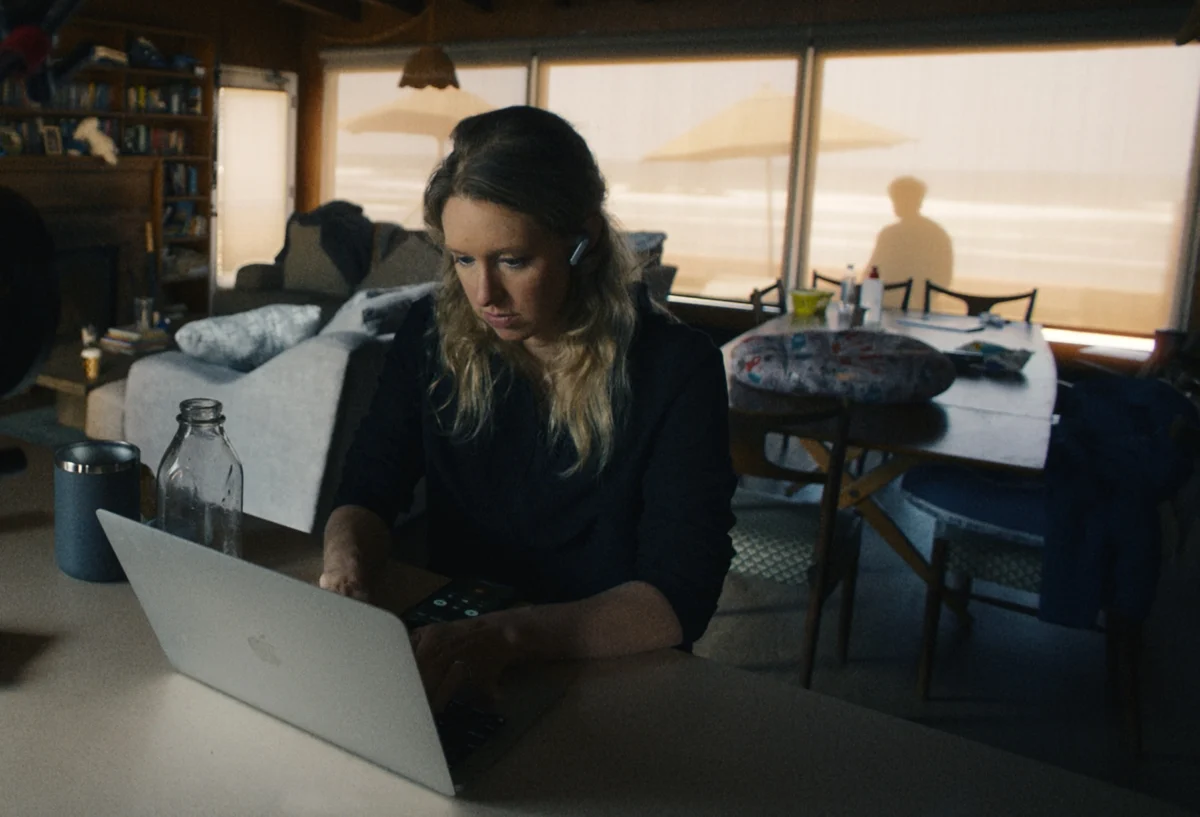
In an era dominated by towering intellectual properties, multi-studio cinematic universes, and billion-dollar superhero sequels, the domestic box office has witnessed a rare and defiant anomaly. Audiences have continued to flock in droves to You Can See Everything, a twisty, three-hour documentary exploring the dizzying rise and catastrophic fall of Theranos founder Elizabeth Holmes.
Defying every conventional rule of non-fiction distribution, the A24 release actually saw its box-office grosses increase during its sophomore frame. The film pulled in a phenomenal $19.5 million over its second weekend—a staggering 25 percent improvement from its already impressive $15.6 million opening.
In the modern theatrical landscape, virtually no movies—let alone three-hour documentaries—see their grosses rise in week two. Yet, directed by the visionary team of Nathan Fielder and Lance Oppenheim, You Can See Everything has captured the global zeitgeist, performing less like an exhaustive journalistic archive and more like a high-stakes, broadly commercial blockbuster.
Main Facts: The Numbers Behind the Phenomenon
The commercial trajectory of You Can See Everything is reshaping industry expectations for non-fiction cinema. Produced on a remarkably lean budget of just $7 million, the film has already grossed an astonishing $45.1 million globally, positioning it to become one of the most commercially successful and profitable non-fiction films in cinematic history.
Several key metrics underline the film’s unprecedented success:
- Sophomore Surge: Earned $19.5 million in its second weekend, marking a 25% bump from its opening.
- Theater Expansion: Expanded rapidly from an initial footprint of 855 theaters to 2,655 locations in its second week.
- Budget-to-Profit Ratio: Built on a $7 million production budget, it has already cleared $45.1 million in box office receipts.
- Historical Standing: Easily cleared the $16.3 million total of Melania to become the highest-grossing documentary of the year, while chasing all-time milestones.
For context, Michael Moore’s provocative 2004 anti-Bush treatise Fahrenheit 9/11 remains the highest-grossing documentary of all time, with just over $222 million in total receipts. While You Can See Everything has a long way to go to touch Moore’s historical record, its current velocity places it in an elite tier of independent releases.
Chronology: From Secrecy to Silicon Valley Obsession
The road to this historic box office run was paved with a brilliant, highly calculated marketing strategy. Understanding the public’s enduring fascination with the Theranos scandal, A24 took a massive gamble on audience psychology by cloaking the project in absolute secrecy.

Phase 1: The Lockdown (Pre-Release)
Weeks before its premiere, A24 instituted strict embargoes and tightly controlled press screenings. The studio effectively convinced potential moviegoers that the only way to avoid inescapable internet spoilers regarding the documentary’s unexpected narrative turns was to buy a ticket immediately. This fear-of-missing-out (FOMO) strategy transformed what could have been a standard streaming-bound investigative piece into a mandatory theatrical event.
Phase 2: The Controlled Debut
You Can See Everything opened on October across 855 screens, pulling in a solid $15.6 million. Rather than front-loading the release and watching ticket sales taper off, the filmmakers and studio had built an engine of intense word-of-mouth.
Phase 3: The Wide Expansion and Sophomore Leap
Capitalizing on immediate cultural traction, A24 widened the film’s release to 2,655 theaters for its second weekend. Instead of diluting the box office per screen, the massive rollout fueled an unexpected 25 percent increase in revenue, pushing the sophomore frame to $19.5 million and cementing the film as a bona fide cultural phenomenon.
Supporting Data: Comparing the Non-Fiction Landscape
To fully grasp the magnitude of You Can See Everything’s success, industry analysts look at how other high-profile non-fiction projects have fared in recent years.
Earlier this year, Amazon MGM Studios made headlines by shelling out a hefty $40 million for the distribution rights to Melania, a polished look into the gilded life of America’s First Lady. While Melania managed to capture the top spot for documentaries earlier in the year with a respectable $16.3 million domestic gross, its steep acquisition cost meant that Jeff Bezos’s studio faced an uphill battle regarding net profitability.
By contrast, A24’s internal financing model for You Can See Everything—backed by a modest $7 million production cost—ensures that the studio is reaping immense profits.
| Film Title | Subject | Production/Acquisition Cost | Domestic/Global Gross | Profitability Outlook |
|---|---|---|---|---|
| You Can See Everything | Elizabeth Holmes / Theranos | $7 Million (Production) | $45.1 Million+ | Exceptionally High |
| Melania | Melania Trump | $40 Million (Acquisition) | $16.3 Million | Moderate / Low Return |
| Fahrenheit 9/11 | George W. Bush Administration | $6 Million (Production) | $222 Million+ | Legendary Status |
Official Responses and Industry Reactions
The unprecedented marriage of investigative documentary filmmaking and blockbuster-style box office returns has sent shockwaves through Hollywood. Studio executives, independent producers, and awards prognosticators are scrambling to process the implications.
Awards forecasters have already generated massive volumes of commentary regarding the film’s potential historic trajectory. The central question dominating industry trades is whether the commercial muscle of You Can See Everything—and the visionary craftsmanship of directors Nathan Fielder and Lance Oppenheim—can propel the movie past the traditional boundaries of the documentary branch and into the broader Oscar race.

While the Academy’s documentary branch has historically resisted traditional box-office blockbusters, and no documentary has ever secured a coveted Best Picture nomination, insiders suggest this year’s cultural conversation might force a re-evaluation.
"Even if the documentary branch shuts Fielder and Oppenheim out, You Can See Everything will go down in history as a massive win," notes one veteran box-office analyst. "It proves that audiences are starving for narrative ingenuity, regardless of whether the people on screen are actors or real-life corporate titans."
Implications: A24’s Sizzling Streak and the Future of Theatrical Distribution
Ultimately, the triumph of You Can See Everything serves as the crown jewel in what has been a truly historic year for A24. The independent powerhouse has steadily redefined what an indie studio can achieve, proving that risk-taking pays off on a grand scale.
Earlier this year, A24 released Backrooms, which shattered studio records to become the biggest blockbuster in its history with an astounding $400 million global haul. Bolstered by other critical and commercial winners like Primetime and The Drama, A24 has continuously pushed back against conventional cinematic wisdom.
The success of You Can See Everything delivers a definitive message to Hollywood gatekeepers: contemporary audiences will eagerly turn out in droves for theatrical experiences that extend far beyond superhero franchises, IP reboots, and predictable sequels. As it turns out, moviegoers are just as intensely captivated by the real-life, high-stakes flameouts of Silicon Valley as they are by any fictional cinematic universe.
As the holiday awards season approaches, all eyes will remain fixed on A24 and the sprawling cultural footprint of Elizabeth Holmes’ cinematic post-mortem—a project that fundamentally rewrote the rules of what a documentary can achieve at the box office.
