
The Architecture of Deception: A Deep Dive into "You Can See Everything"
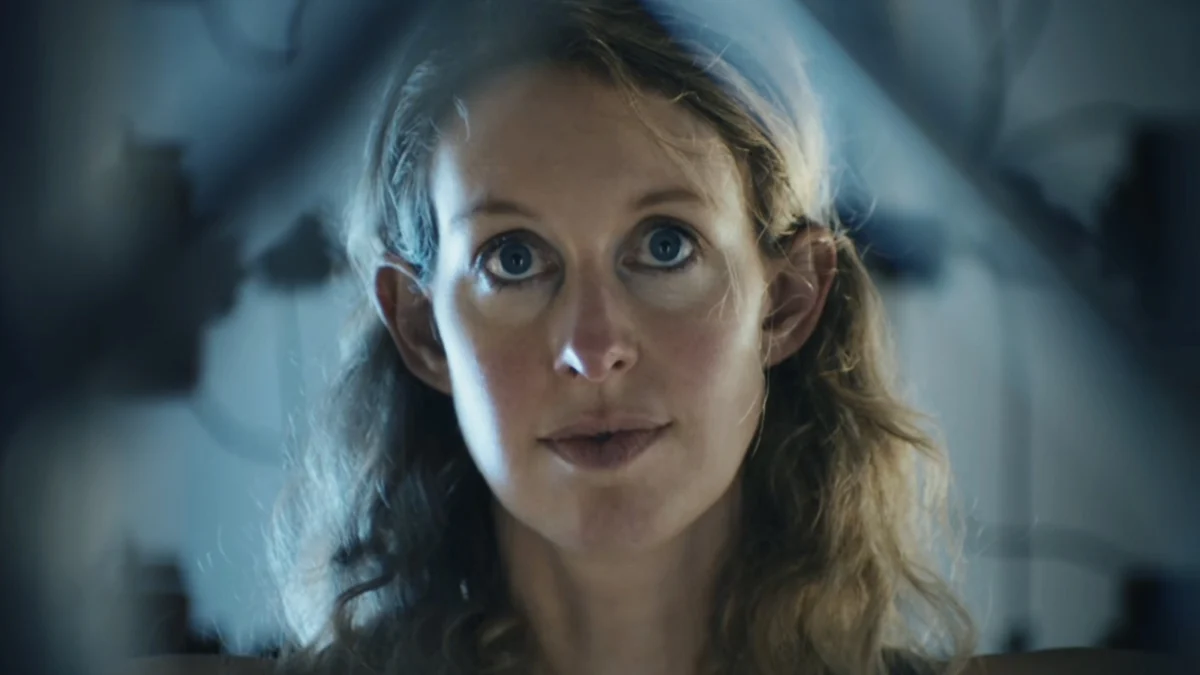
In the landscape of modern documentary filmmaking, few projects have generated as much pre-release fervor as You Can See Everything. Directed by the master of meta-narrative, Nathan Fielder, and collaborator Lance Oppenheim, this A24 production serves as a chilling, 174-minute descent into the psyche of one of the 21st century’s most polarizing figures: Elizabeth Holmes. By capturing 34 days of the disgraced Theranos founder’s life immediately preceding her incarceration, the filmmakers have constructed a cinematic Rorschach test—a film that forces the audience to confront the fluid, often dangerous nature of truth in the digital age.
The Collision of Two Masters of Manipulation
The premise of You Can See Everything is deceptively simple: follow Elizabeth Holmes as she prepares for a federal prison sentence for wire fraud and conspiracy. However, the involvement of Nathan Fielder—famed for the uncomfortable social experiments of Nathan for You and the surrealist architecture of The Rehearsal—elevates the project from a standard profile to a high-stakes psychological battle.
For the uninitiated, Holmes remains the face of the Theranos scandal, a woman who promised a medical revolution through the "Edison" device, only to deliver a house of cards. Pairing her with Fielder, a comedian who has built a career on the deliberate subversion of social norms and the manipulation of reality, creates a volatile chemistry. Throughout the film, Fielder does not merely observe; he probes, disrupts, and occasionally hides in the periphery, forcing Holmes and her partner, Billy Evans, to contend with the presence of a mirror they cannot easily control.
A Chronology of Access and Ambiguity
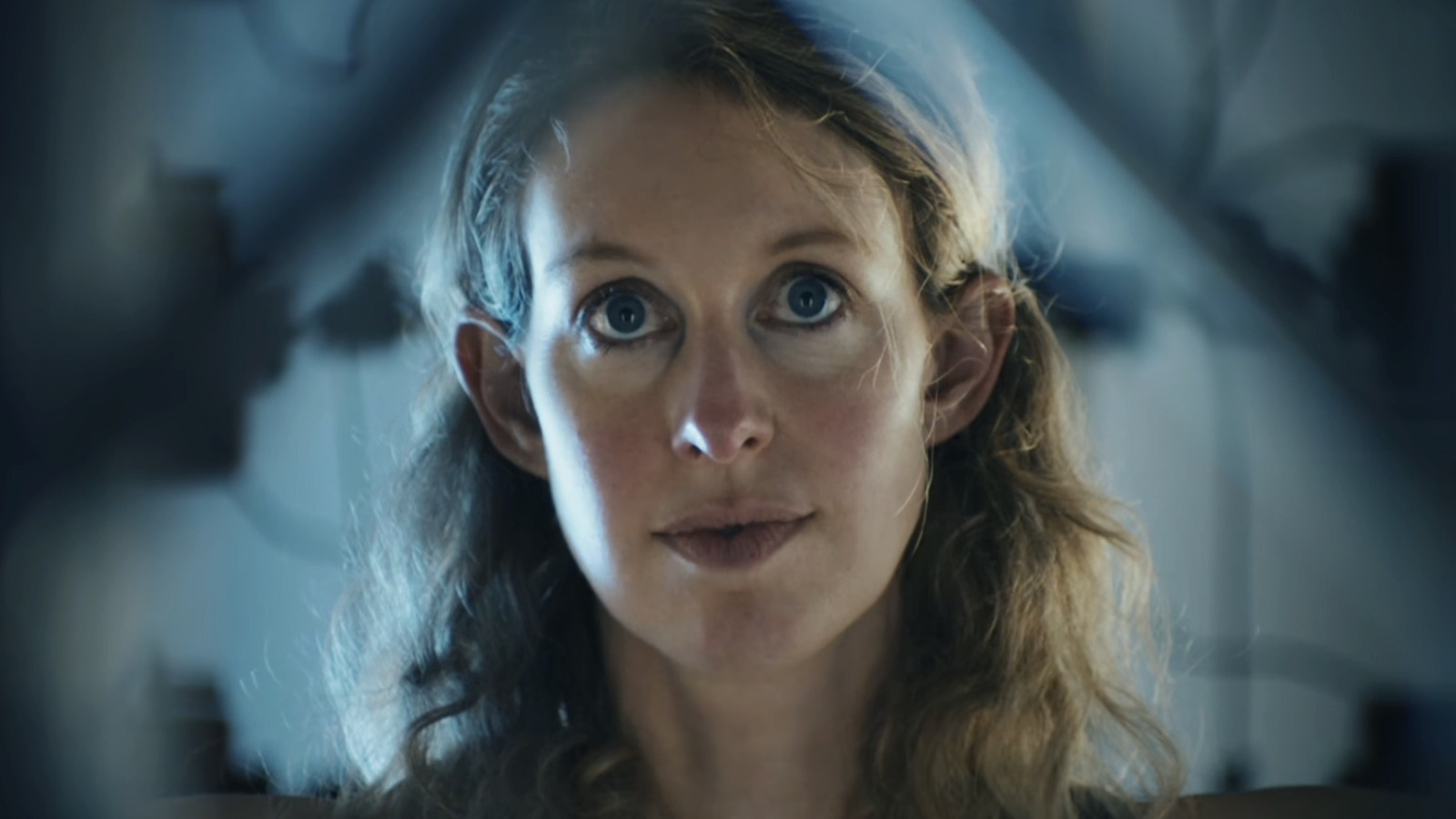
The documentary follows a strictly linear path across 34 days, yet it feels anything but straightforward. The film opens in a modest San Diego beach house, where Holmes and Evans appear to be living a quiet, domestic life with their two children. The couple granted the filmmakers total access, famously declaring that the cameras could "see everything."
The Prelude to Incarceration
In the early segments, the film focuses on the mundane—the domestic routines of a family about to be fractured by the legal system. Yet, beneath the surface of the domesticity, the specter of Theranos looms. Holmes remains steadfast in her belief that the Edison device was a viable technology, blaming the failure not on fraud, but on the limitations of external scientific chemistry that simply "failed to catch up" to her vision.
The Midpoint Pivot
The narrative structure shifts dramatically at the halfway mark, coinciding with the moment Holmes is finally remanded to federal prison. For most documentaries, the removal of the primary subject would signal a decline in tension. In You Can See Everything, it serves as the catalyst for the film’s most haunting transformation. As the physical presence of Holmes fades, the documentary pivots toward the influence of external media—specifically, the Hulu dramatization The Dropout—and the growing, chilling dominance of Billy Evans.
Supporting Data: The Semantics of Truth
One of the most compelling aspects of the documentary is its obsession with language. Fielder engages Holmes in deep, uncomfortable dialogues regarding her legal defense. He attempts to illustrate the absurdity of her perspective by playing the classic Abbott and Costello sketch "Who’s on First?"
The scene is emblematic of the entire film:
- The Disconnect: While the audience recognizes the comedy of errors, Holmes exhibits a genuine, or perhaps expertly feigned, confusion.
- The Implications: This moment serves as a microcosm of the Theranos trial itself. Was Holmes a calculated criminal, or was she, as Evans suggests, an individual whose mind functions in a way that the rest of the world simply fails to comprehend?
The film does not answer this. Instead, it provides the viewer with raw, extended sequences of Holmes in conversation, allowing the audience to perform their own analysis of her facial expressions, her blinking patterns, and her unwavering adherence to her own reality.

The Chilling Arc of Billy Evans
Perhaps the most significant contribution of You Can See Everything is its unflinching look at Billy Evans. Initially portrayed as a supportive partner, his presence becomes increasingly unsettling. The film captures subtle moments—such as him physically intervening in household tasks like whisking eggs—that suggest a power dynamic far more complex and darker than the public realized.
As the documentary progresses, Evans emerges not merely as a partner, but as a potential architect of the narrative surrounding Holmes. The film raises a terrifying question: Is Elizabeth Holmes the master manipulator we believe her to be, or is she, in her current state, merely a pawn in a game played by those surrounding her?
Official Perspectives and Critical Reception
While the film is presented as a documentary, it inherently carries the "Fielder touch." In Q&A sessions, the directors have hinted that the process of filming was as fluid as the final edit. The film does not claim to be an objective journalistic inquiry; it acknowledges the subjectivity of the medium.
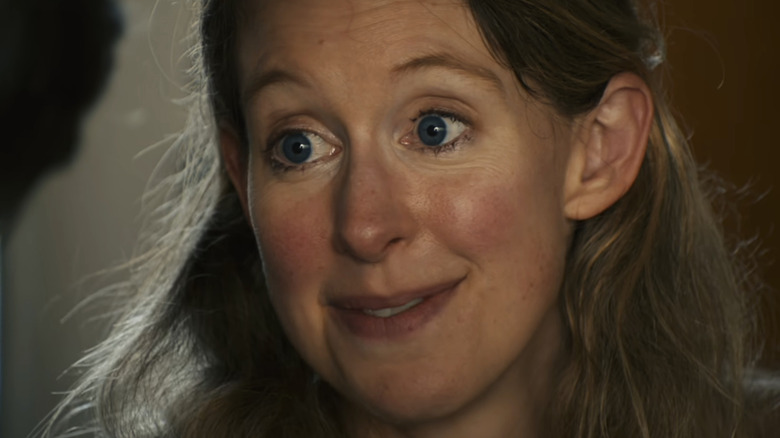
Critics have noted that the film’s 174-minute runtime is a deliberate choice. By forcing the audience to sit with these people for an extended period, the film breaks down the viewer’s defenses. You begin to feel the exhaustion of the subjects, the tension in the room, and the weight of the looming prison sentence. It is an endurance test that rewards the viewer with a level of intimacy rarely captured in true-crime filmmaking.
Implications: The Death of Objective Reality
The ultimate triumph of You Can See Everything is its refusal to provide closure. By the final frame, the audience is left with more questions than answers.
Why This Matters
- The Evolution of the Documentary: Fielder and Oppenheim have redefined the "fly-on-the-wall" documentary. They show that in the age of curated identity, the filmmaker cannot be a neutral observer; they must be a participant.
- The Nature of Fraud: The film forces us to reconsider the definition of a "scammer." It suggests that perhaps the most dangerous form of deception is not lying to others, but the absolute, unwavering commitment to a lie you tell yourself.
- The Role of the Audience: By presenting the material without a heavy-handed voiceover or traditional moralizing, the film puts the burden of judgment on the viewer.
Conclusion: A Masterwork of Manipulation
You Can See Everything is more than a documentary about Elizabeth Holmes; it is a masterclass in how narratives are built, dismantled, and rebuilt. Whether you are a scholar of the Theranos collapse or a newcomer to the story, the film offers a hypnotic, if deeply unsettling, experience.
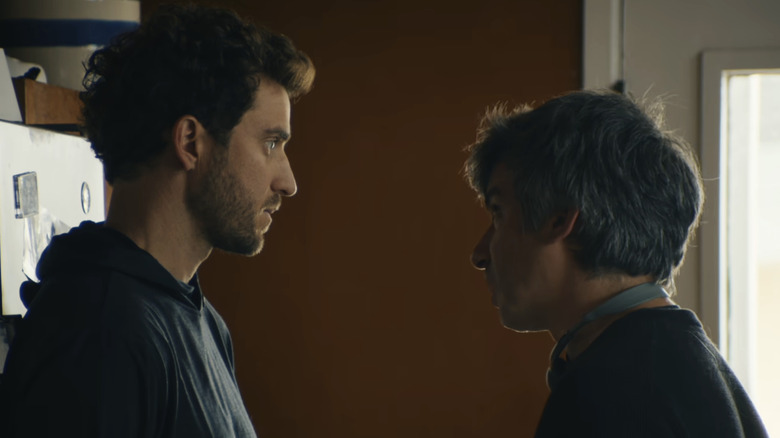
It is a film that demands to be watched, dissected, and debated. By the time the credits roll, you may not know who Elizabeth Holmes is, or who Nathan Fielder is, but you will have a profound, if terrifying, understanding of how easily our own perceptions can be manipulated. In the end, the title says it all: we have seen everything, yet we may have understood nothing.
You Can See Everything is a 10/10 masterwork—a film that will haunt the discourse for years to come. It arrives in theaters on October 16, 2026.
