
Beyond ‘Say Nothing’: Why ‘I, Dolours’ Is the Definitive Portrait of a Troubles Revolutionary
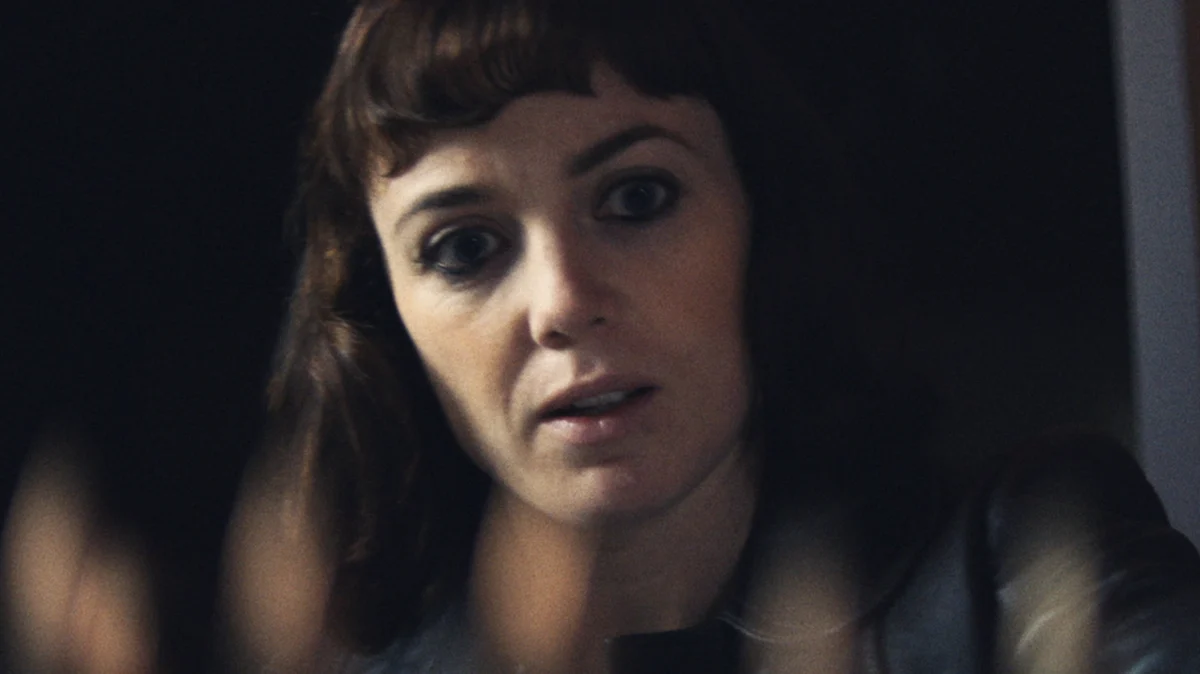
The history of "The Troubles" in Northern Ireland is a sprawling, fractured mosaic of political dogma, sectarian violence, and profound personal tragedy. While the 2024 FX limited series Say Nothing, based on Patrick Radden Keefe’s seminal non-fiction book, brought the harrowing story of the Price sisters and the "disappeared" Jean McConville to a global streaming audience, a quieter, more intimate masterpiece exists for those seeking a deeper dive.
Maurice Sweeney’s 2018 docudrama, I, Dolours, offers a chilling, first-person autopsy of the IRA’s radicalization. By centering the testimony of Dolours Price herself—recorded in a series of candid interviews with journalist Ed Moloney shortly before her death—the film transcends mere historical retelling. It serves as a haunting psychological study of how a young woman from a republican dynasty was forged in the fire of civil rights protests and ultimately consumed by the very cause she once held sacred.
The Architecture of Conflict: Main Facts and Context
The Troubles were not merely a political dispute; they were an era-defining conflict that pitted Protestant British loyalists against Catholic Irish Republicans for three decades. While the 1998 Good Friday Agreement largely brought an end to the active military struggle, the scars of the conflict remain etched into the social fabric of Northern Ireland.
I, Dolours operates on a distinct premise: it does not seek to provide an objective, bird’s-eye view of history. Instead, it anchors itself in the subjective, often harrowing memories of Dolours Price. Born into a family with deep, militant republican roots, Price’s life was defined by the belief that Ireland’s liberation was a moral imperative that superseded the sanctity of individual life. The documentary explores her journey from a peaceful civil rights marcher to a high-ranking member of an IRA unit, and finally, to a disillusioned woman left to grapple with the realization that her life’s work may have been in vain.
A Chronology of Radicalization
To understand the transformation of Dolours Price, one must look at the timeline of her life, which is meticulously mapped in the documentary.
The Crucible: 1969
The film utilizes real archival footage of the 1969 Catholic civil rights marches, where the People’s Democracy movement sought to challenge systemic discrimination in Northern Ireland. The imagery captures a moment of fleeting optimism before the descent into chaos. Price recalls the precise moment of her radicalization: watching loyalists, protected by police, beat peaceful protesters. The sight of "glazed eyes" filled with hatred convinced her that peaceful coexistence was an impossibility.
The Escalation: The IRA Years
Following her radicalization, Price joined the IRA. This period of her life was characterized by clandestine operations, culminating in the 1973 bombing of the Old Bailey in London. Along with her sister, Marian, and other members of their unit, Price was captured, convicted, and sentenced to life imprisonment.
The Hunger Strikes and Imprisonment
The documentary meticulously covers the sisters’ time in prison, including their harrowing participation in hunger strikes. While Say Nothing focuses on the broader political implications of these actions, I, Dolours focuses on the visceral, bodily experience of the prisoners. The film cross-cuts between the speeches of Margaret Thatcher—who refused to grant political status to the IRA prisoners—and the physical deterioration of the sisters, providing a stark look at the power dynamics between the state and the militant.
The Twilight of Disillusionment
Following her release and the eventual peace process, Price struggled to integrate into a society that had moved past the "armed struggle." The film captures her bitterness toward the political path taken by figures like Gerry Adams, whose trajectory from the IRA to the halls of power stood in stark contrast to Price’s own sense of stasis and moral injury.
Supporting Data: The Power of Subjective Truth
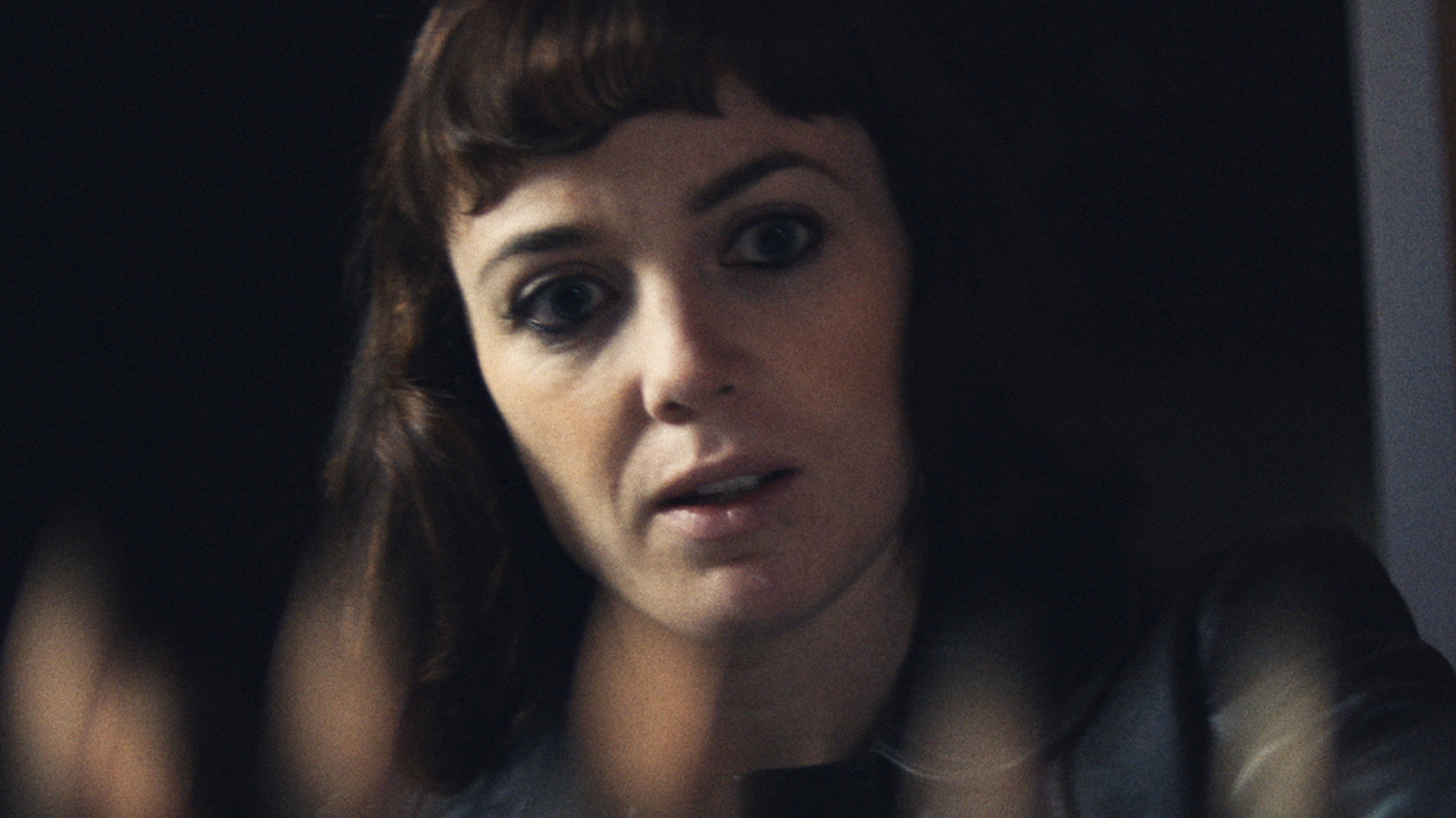
The filmmaking technique employed by Maurice Sweeney is central to the documentary’s impact. By utilizing dramatic reenactments featuring actresses Lorna Larkin and Gail Brady, the film creates a bridge between historical record and personal memory.
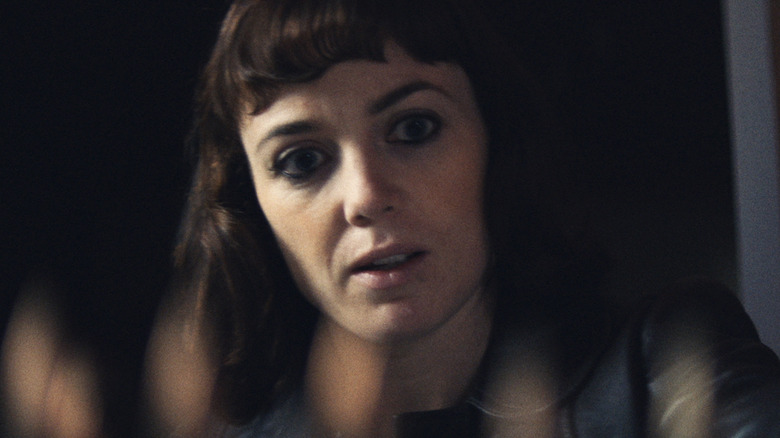
Crucially, the film does not attempt to "fact-check" Price’s words in real-time. It treats her narrative as a primary historical document. This choice is deliberate. Memories are fallible, yet they are the fundamental building blocks of history. By allowing Larkin’s Dolours to look directly into the camera and recite the real Price’s words, the film invites the viewer to witness the weight of the conscience behind the crimes.
When Price describes the "disappearing" of individuals—including Jean McConville—she does not shy away from the brutality. She admits that the IRA’s decision to bury bodies in secret graves was a "war crime," while simultaneously lamenting that, in her view, public executions would have been a more effective deterrent for informers. This cold, tactical logic is perhaps the most chilling aspect of her testimony.
Official Responses and Public Reception
The release of I, Dolours in 2018 provided a necessary, if uncomfortable, counter-narrative to the romanticized view of the IRA often held by Irish-American sympathizers. While Say Nothing has recently sparked legal controversy—most notably with Marian Price’s lawsuit against Disney over the portrayal of her involvement in the death of Jean McConville—I, Dolours remains a more insular, introspective document.
The documentary does not attempt to assign legal blame for specific murders, as that would be outside its scope. Instead, it documents the confession of an individual who was present, and who was forced to live with the echoes of those actions for the rest of her life. The film serves as a sobering reminder that for those who participated in the violence, there was no "peace" in the aftermath—only the slow, agonizing process of remembering.
Implications: Why the Film Matters Today
The legacy of I, Dolours lies in its insistence that we engage with the perpetrators of violence not as caricatures, but as human beings capable of profound love, intense conviction, and ultimate regret.
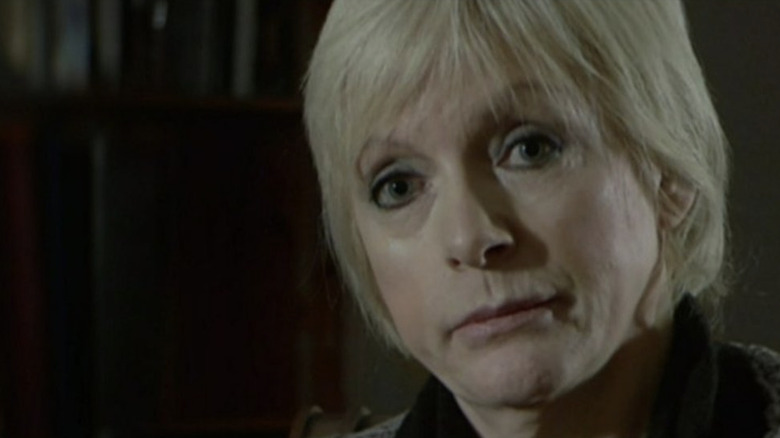
As we look back at the era of the Troubles, the distinction between "freedom fighter" and "terrorist" often becomes blurred by the passage of time and political expediency. I, Dolours refuses to let the viewer off the hook. It forces us to sit with the consequences of extremism. The film’s final, haunting declaration—that her struggle, and the struggle of her father before her, had "all been nothing"—is a devastating indictment of the cycle of violence that claimed so many lives in Northern Ireland.
For fans of Say Nothing who found themselves captivated by the human element of the series, I, Dolours is an essential companion piece. It strips away the historical analysis to reveal the raw nerve of the individual. It is a film that does not ask for forgiveness, nor does it offer redemption. It simply bears witness.
Where to Watch
In an era where streaming catalogs are often ephemeral, I, Dolours remains accessible to those interested in the deep history of the Troubles. The documentary is currently available for streaming on Tubi and Pluto TV, providing a vital, harrowing, and deeply human perspective on one of the most complex conflicts of the 20th century.
Whether you are a student of history, a fan of true-crime storytelling, or simply someone looking to understand the fragility of peace, I, Dolours is a must-watch—a haunting, overlooked, and necessary piece of cinematic history.
