
The Scales of Terror Return: Richard Brake Joins the Expanding Cast of Alexandre Aja’s ‘Crawl’ Sequel
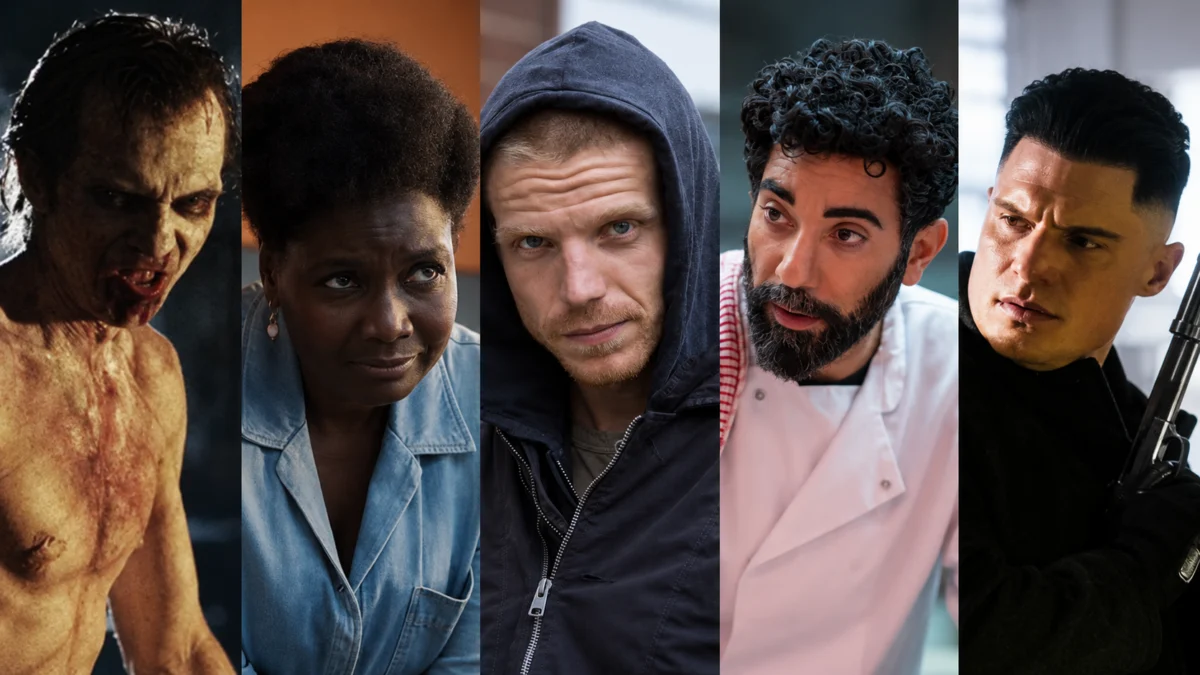
The horror genre is preparing for another deluge of suspense and reptilian menace as Paramount Pictures doubles down on one of the most successful creature-feature thrillers of the last decade. With production officially underway for the sequel to the 2019 hit Crawl, the studio has announced a major expansion of its ensemble cast, signaling that the upcoming film aims to be even more ambitious—and potentially more lethal—than its predecessor.
Horror icon Richard Brake, renowned for his chilling performances in Rob Zombie’s 31 and the breakout hit Barbarian, is the latest high-profile talent to join the project. Brake’s involvement adds a layer of gravitas and intensity to a production that is already shaping up to be a cornerstone of the 2027 summer blockbuster season.
The Main Facts: A Storm Is Brewing
The Crawl sequel, currently operating under the working title Crawl 2, is slated for a theatrical release on July 16, 2027. Following the massive success of the original, which transformed a simple survival premise into a masterclass of tension, the sequel sees the return of visionary director Alexandre Aja. Known for his work on The Hills Have Eyes and Piranha 3D, Aja is once again at the helm, tasked with navigating the chaotic intersection of extreme weather and apex predators.
Richard Brake is set to join an impressive roster of established actors. Alongside the previously announced leads—Mason Gooding (Scream, Heart Eyes) and Emily Rudd (Fear Street Part Two: 1978)—the production has bolstered its ranks with Sarah Niles (F1), Ray Panthaki (28 Days Later), Charley Palmer Rothwell (Play or Die), and the versatile Flula Borg (The Suicide Squad).
The script, which is reportedly maintaining the high-stakes, claustrophobic atmosphere of the first film, is a collaborative effort between Aja, Jason Harry Pagan, Andrew Deutschman, and Gregory Levasseur.
A Chronology of the ‘Crawl’ Franchise
The journey of Crawl from a modest mid-budget experiment to a worldwide phenomenon is a testament to the enduring appeal of the "when nature attacks" subgenre.
The 2019 Phenomenon
Released in July 2019, the original Crawl was an exercise in efficient, high-concept filmmaking. Starring Kaya Scodelario and Barry Pepper, the plot followed a young woman who ignores evacuation orders during a Category 5 hurricane in Florida to check on her estranged father. Upon arriving at their family home, they find themselves trapped in a crawl space as floodwaters rise, bringing with them a swarm of territorial, man-eating alligators.

The film was lauded by critics for its taut pacing, practical effects, and the palpable chemistry between its two leads. On a production budget of approximately $13.5 million, the film went on to gross over $91 million worldwide, proving that original, non-franchise horror could still dominate the box office.
The Development Gap (2020–2026)
Following the success of the first film, rumors of a sequel circulated for years. However, the team behind the scenes—producers Craig Flores, Sam Raimi, and Aja—were adamant that a sequel should only be made if the narrative could elevate the original’s intensity without feeling like a hollow cash-grab. Throughout the early 2020s, Aja was involved in various other projects, allowing the concept for Crawl 2 to marinate. By mid-2026, the pieces finally fell into place, with Paramount greenlighting the sequel to capitalize on the sustained popularity of the original on streaming platforms.
The Current Casting Phase (2026–2027)
The casting phase has been rapid and strategic. By securing young, bankable stars like Mason Gooding and Emily Rudd, the studio is clearly positioning the sequel to attract a younger demographic, while the addition of seasoned genre veterans like Richard Brake and Ray Panthaki provides a bridge to hardcore horror enthusiasts.
Supporting Data: Why ‘Crawl’ Resonates
The success of Crawl is not an anomaly; it reflects a broader trend in horror where grounded, visceral threats—often involving wildlife—consistently perform well.
- The "Survival" Factor: Audiences have a psychological fascination with survival scenarios. Crawl tapped into the primal fear of drowning combined with the fear of being hunted. Data from market research firms suggests that horror films featuring "natural disasters" as a catalyst for creature attacks experience a higher "rewatchability" rate on home media.
- Budget Efficiency: The original film’s $91 million global haul on a $13.5 million budget represents a significant return on investment (ROI). For studios, this creates a blueprint for low-risk, high-reward content.
- Genre Longevity: According to recent box office reports, the horror genre remains the most profitable sector of the film industry relative to production costs. By investing in a proven IP like Crawl, Paramount is mitigating the risks associated with developing original scripts in an increasingly crowded market.
Official Perspectives and Behind-the-Scenes Insights
While specific plot details remain under lock and key, the production team has offered glimpses into their philosophy for the sequel. Alexandre Aja has previously expressed that the goal of a sequel is not to "repeat" the trauma of the first film, but to "expand the scale of the threat."
"The challenge is to keep the claustrophobia that made the first one special, while introducing new variables that force the audience to question how they would survive," a production source close to the project noted.
The inclusion of producers like Sam Raimi—a titan of the horror industry—further suggests that the sequel will maintain its commitment to practical, visceral horror rather than relying exclusively on CGI. This commitment is reflected in the hiring of seasoned character actors like Richard Brake, who is well-regarded for his ability to bring menace and physical commitment to his roles, often performing his own stunts or working intimately with makeup and prosthetic departments to heighten the realism.

Implications for the Future of Creature Features
The production of Crawl 2 has several significant implications for the landscape of modern horror:
1. The Renaissance of the Creature Feature
For a period in the 2010s, creature features were often relegated to "B-movie" status or television-only releases. Crawl proved that with the right direction and a focused script, these films belong on the big screen. The success of the sequel will likely trigger a wave of renewed interest in studio-backed creature features, potentially leading to a "golden age" of shark, gator, and bear-centric thrillers.
2. The Rise of the "Genre-Star" Ensemble
By mixing rising stars like Gooding and Rudd with heavyweights like Brake, the film is adopting a strategy typically reserved for major action franchises. This signals a shift in how horror is being marketed; it is no longer just about the monster; it is about the ensemble’s ability to sell the desperation and adrenaline of the scenario.
3. Summer Scheduling
Releasing a horror film in mid-July is a bold move that speaks to Paramount’s confidence. Historically, July is reserved for superhero tentpoles and massive franchise sequels. By planting Crawl 2 in this slot, the studio is asserting that horror is a premier summer entertainment choice, capable of competing with the biggest blockbusters in terms of spectacle and audience turnout.
Conclusion
As the cameras begin to roll, the anticipation for Crawl 2 continues to mount. With a director who understands the pulse of the audience, a cast that balances youth and experience, and the weight of a proven, terrifying premise, the sequel is poised to be more than just a follow-up. It is an opportunity to redefine what a survival-horror film can achieve.
Whether the floodwaters will rise again in the same Florida wetlands or if the terror will migrate to a new, equally unforgiving landscape remains to be seen. However, one thing is certain: with Richard Brake joining the ranks, the stakes for our protagonists have never been higher. Come July 16, 2027, audiences will once again be reminded that when the water rises, the only thing more dangerous than the storm is what’s swimming inside it.
