
The Evolution of Portability: Matthews Studio Equipment Unveils the 33 Sliding Leg C-Stand
In the high-stakes world of professional film and television production, the C-stand is not merely a tool—it is the backbone of the set. For over half a century, Matthews Studio Equipment (MSE) has defined the standard for grip hardware, ensuring that lighting fixtures, diffusion frames, and flags remain exactly where they are placed. Today, the company is bridging the gap between heavy-duty industrial capability and the growing demand for "run-and-gun" portability with the launch of the 33 Sliding Leg C-Stand.
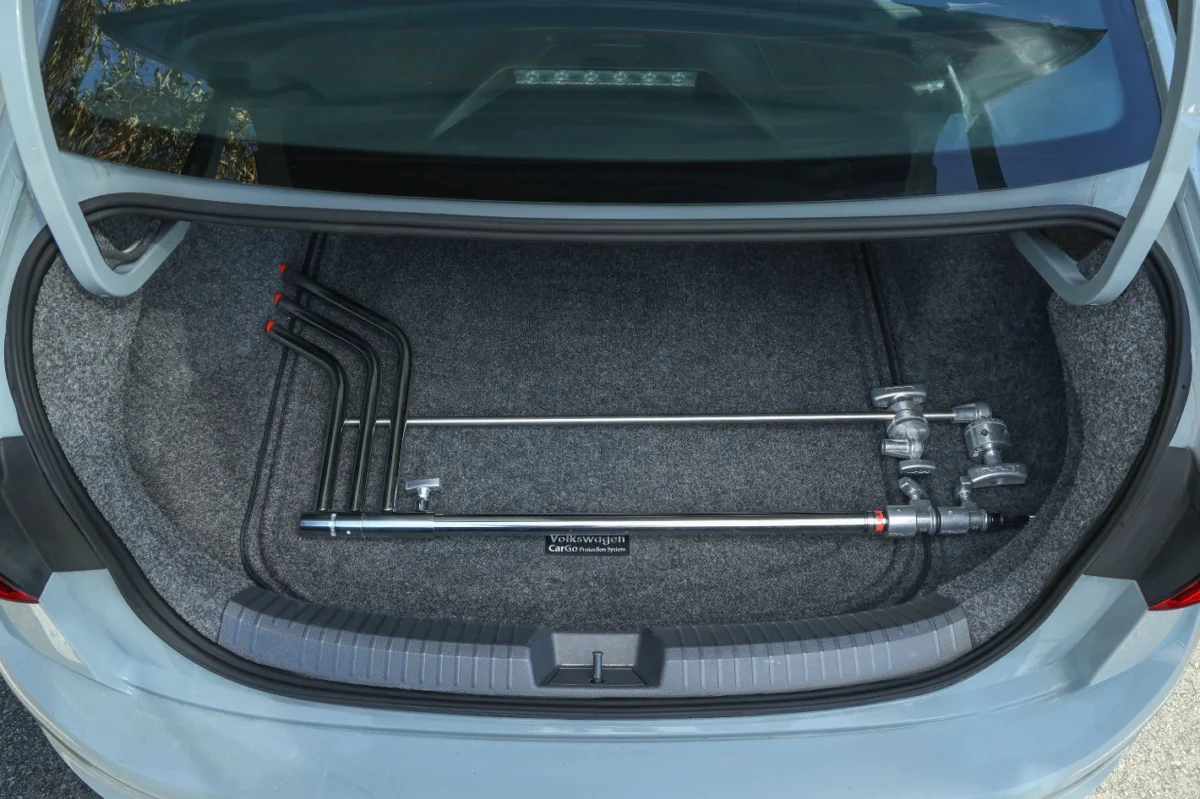
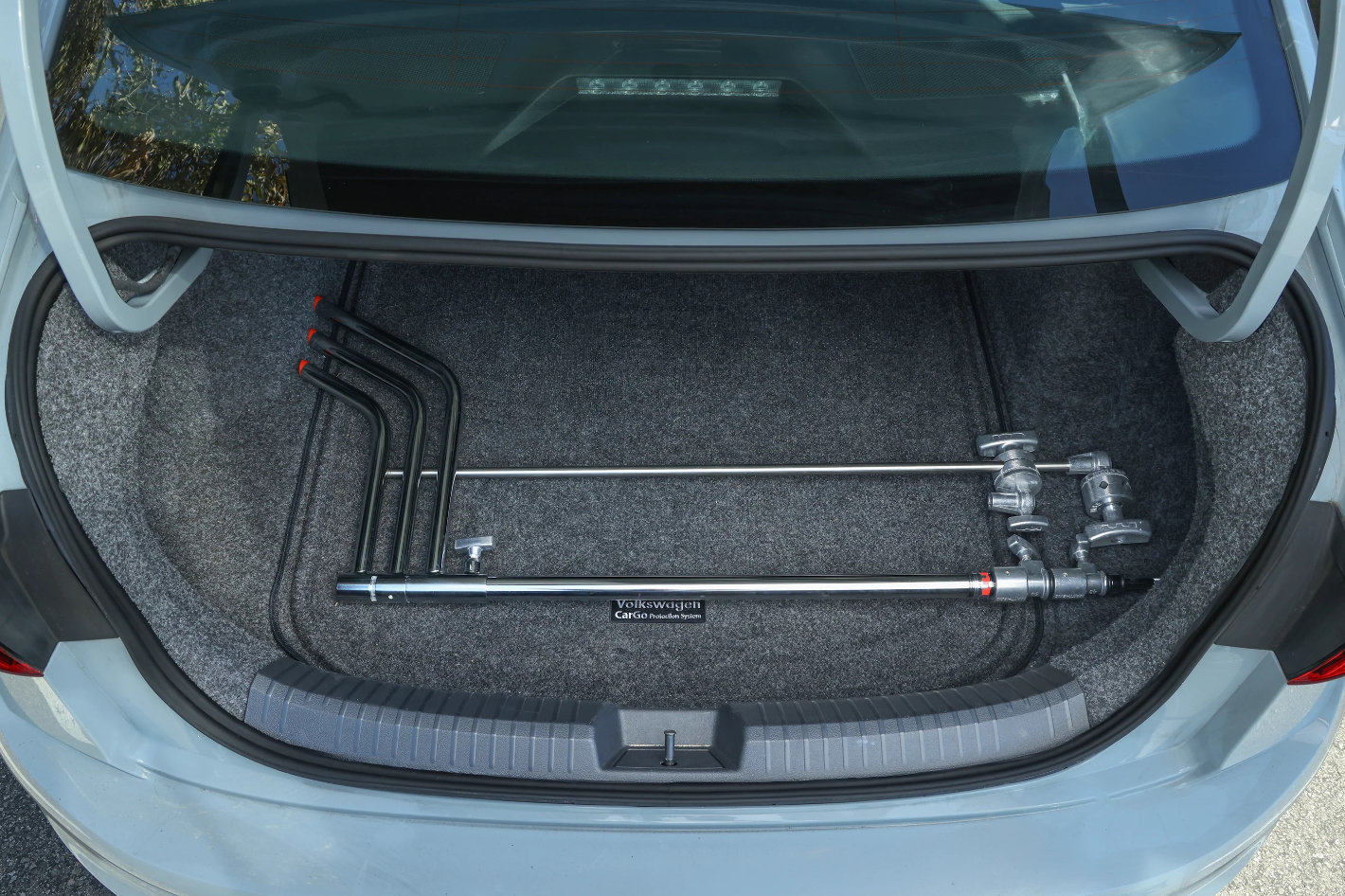
Designed specifically for the modern creator—who is as likely to be working out of a compact sedan as a dedicated grip truck—this new support system promises to maintain the legendary durability of the Matthews brand while shedding the bulk that has historically made C-stands difficult to transport.
Main Facts: A New Benchmark in Compact Support
The 33 Sliding Leg C-Stand with Grip Head and 40” Arm represents a strategic pivot toward mobility without compromising structural integrity. At its core, the stand addresses a perennial pain point for cinematographers and independent gaffers: the "transportation footprint." By refining the geometry of the stand, Matthews has created a unit that fits comfortably into the trunk of a small car, yet offers a maximum height of 110 inches (279.4 cm).
The system is engineered for versatility. Its defining feature, the sliding leg, allows for infinite adjustability on uneven surfaces—an essential capability for location shooting where production crews encounter curbs, stairs, or rocky terrain. When paired with the nesting base, the 33 allows for tight, efficient positioning of multiple stands, a necessity when working in confined interior spaces.
The stand is available in both chrome and black powder coat finishes, ensuring that it can blend into any set environment or match existing inventories. Beyond the stand itself, the package includes a high-performance 40-inch grip arm and a robust grip head, providing a comprehensive solution for lighting control straight out of the box.
The Chronology of Innovation: From 1974 to the Present
To understand the significance of the 33 Sliding Leg C-Stand, one must look back at the historical trajectory of Matthews Studio Equipment. The C-stand—or "Century Stand"—was not originally the refined piece of engineering it is today. In the early days of Hollywood, it was a cumbersome, fixed-leg device.
In 1974, Matthews revolutionized the industry by introducing the first folding-leg C-stand. This innovation allowed for much easier storage and transportation, cementing the company’s reputation as the primary innovator in grip gear. Throughout the 1980s and 90s, the company refined the design, focusing on material strength and the ergonomics of the locking mechanisms.
The 33 Sliding Leg C-Stand is the direct descendant of that 1974 breakthrough. While other manufacturers have sought to cut costs through cheaper materials, Matthews has maintained a philosophy of "field-serviceability." The 33 is designed with the understanding that a C-stand is an investment meant to last for decades. Every component—from the riser collars to the V-shaped brakes—is modular, allowing crews to repair or replace parts on location rather than discarding a broken unit. This commitment to longevity is a direct carry-over from the company’s mid-century origins, updated for the modular requirements of the 2020s.
Technical Specifications and Performance Metrics
The engineering prowess behind the 33 C-Stand is best illustrated by its technical specifications, which balance weight-saving materials with high-load capacity.
Structural Capacity
- Maximum Height: 110 inches (279.4 cm)
- Minimum Height: 46.3 inches (118 cm)
- Load Capacity: 22 lbs. (10 kg)
- Weight (Stand only): 11 lbs. (5 kg)
- Weight (with Arm/Head): 15 lbs. (6.8 kg)
Geometry and Ergonomics
The stand features a footprint of 27.5 inches (70 cm), providing a wide, stable base that prevents tipping even when fully extended. However, when the job is done, the base collapses to a compact 21 inches (54 cm). The inclusion of the sliding leg—which allows the user to raise one leg independently of the others—enables the stand to maintain a perfectly vertical riser on stairs or uneven ground, a feat that fixed-leg stands cannot replicate.
Mechanical Refinements
The hardware has received significant updates:
- V-Shaped Brakes: These provide three distinct points of contact, ensuring a rock-solid lock that resists slippage even under heavy loads.
- Knurled Baby Pins: Located on the riser and the grip arm, these pins ensure that lights and accessories remain securely fastened, preventing the rotation that often plagues lesser-quality stands.
- Integrated Versatility: The arm now features a knurled Baby Pin with a 1/4"-20 tap, allowing crews to mount smaller items like monitors or microphones directly to the grip arm without needing additional adapters.
- Serrated Grip Head: The included head uses serrated plates to ensure positive locking, preventing the "drift" often associated with heavy diffusion frames or flags.
Official Perspectives: The Philosophy of the "Field-Ready" Build
In an industry where equipment failure can cost thousands of dollars in downtime, Matthews has positioned the 33 as an insurance policy. "We build tools that crews rely on, not just for a shoot, but for a career," a company representative noted during the launch.
The focus on field-serviceability is perhaps the most vital aspect of their philosophy. While many modern manufacturing processes rely on permanent welds and sealed units, Matthews continues to favor bolt-together construction. This ensures that if a riser becomes bent or a locking handle shears off, the user does not need to send the unit back to a factory. Instead, with a standard set of tools, a grip can perform a field repair in minutes. This philosophy is reflected in the 33’s design, where every pivot point and adjustment knob is designed for high-cycle use and simple maintenance.
Implications for Modern Production
The release of the 33 Sliding Leg C-Stand is a response to the changing landscape of media production. As the barriers to entry in filmmaking have dropped, the number of independent content creators and small-scale production houses has skyrocketed. These creators often operate without the support of a full-sized grip truck, instead relying on SUVs, hatchbacks, or even ride-share vehicles to move their gear.
A Paradigm Shift in Logistics
By creating a stand that fits in a small car trunk, Matthews is effectively removing a major barrier to high-quality lighting. Previously, creators had to choose between using flimsy, unstable consumer-grade stands or renting bulky professional equipment that required specialized transport. The 33 C-Stand eliminates this compromise. It brings industrial-grade stability to the "prosumer" and independent filmmaker, allowing for the same level of precision lighting control found on high-budget feature film sets.
Future-Proofing the Toolkit
Furthermore, the compatibility of the system—integrated with all 5/8-inch Baby Pins and receivers—ensures that the 33 C-Stand will play nicely with the rest of a rental house or owner-operator’s existing kit. The addition of the 1/4"-20 tap on the grip arm is a subtle but powerful acknowledgment of the modern kit, which frequently includes small LED panels, action cameras, and specialized audio gear that benefit from the extra mounting flexibility.
Environmental and Economic Impact
By building a product that is meant to last decades, Matthews is also challenging the "disposable" culture of modern technology. In an era of planned obsolescence, a tool that can be repaired and serviced for years represents a more sustainable choice for production companies looking to minimize their environmental footprint and maximize their long-term ROI.
Conclusion
The 33 Sliding Leg C-Stand is more than a minor update to a legacy product; it is a thoughtful reimagining of how support gear interacts with the modern production environment. By successfully marrying the rugged, "fix-it-in-the-field" design of the 1970s with the compact, efficient requirements of 2024, Matthews Studio Equipment has ensured that the C-stand remains the most essential tool on set.
Whether for a professional gaffer working on a tight location or an independent filmmaker building their first professional kit, the 33 C-Stand offers a combination of height, strength, and mobility that was previously unattainable in such a portable form factor. As the industry continues to evolve, the 33 stands as a reminder that even in the age of digital cameras and advanced post-production, the physical foundation of the image—the support—remains as critical as ever. With its release, Matthews has once again proven that while the tools of the trade may shrink, the standards of quality must never follow suit.
