
The Brawling Renaissance: First Reactions Paint Street Fighter (2026) as a Dazzling, Chaotic ’90s Throwback

By Cinematic Arts Desk
Published: October 14, 2026
Main Facts
Hollywood’s ongoing golden age of video game adaptations has reached a fascinating new frontier. Following years of disastrous big-screen misfires defined by cheap costumes, incoherent screenplays, and a general disdain for source material, the industry has finally cracked the code. Over the past decade, studios have learned how to translate the essence, atmosphere, and mechanics of gaming into viable cinematic and television properties—as seen in the triumphant runs of Sonic the Hedgehog, Arcane, and Zach Cregger’s atmospheric Resident Evil feature.
Now, Legendary Pictures is stepping into the arena with one of the most iconic fighting game franchises in history: Street Fighter. Directed by Kitao Sakurai, the 2026 adaptation boasts a diverse, high-profile ensemble featuring a mix of character actors, seasoned comedians, legendary action stars, and professional wrestlers.
Following its first round of media screenings, early critical reactions are officially in. Reviewers are largely praising the film’s vibrant visual palette, infectious energy, nostalgic humor, and striking mixed-media sequences. However, the early discourse also highlights significant hurdles, including tonal inconsistencies, uneven writing, and action sequences that occasionally threaten to derail the overarching narrative. As the October 16, 2026 theatrical release date approaches, the industry is watching closely to see if Ryu, Ken, and Guile can land a knockout punch where other fighting game franchises have stumbled.
Chronology of Adaptation: From Arcade Cabinets to Cinematic Spectacle
To understand the critical reception of Street Fighter (2026), one must trace the winding, often treacherous path of video game adaptations in Hollywood.
The Dark Ages of Game-to-Screen Adaptations
For decades, the cinematic translation of interactive media was viewed as a fool’s errand. Studios routinely handed beloved intellectual properties to filmmakers who stripped away the core appeal of the games, replacing them with generic plots and abysmal production values. The 1994 live-action Street Fighter film, starring Jean-Claude Van Damme as Colonel Guile and Raul Julia as M. Bison, stands as a prime example. While it ultimately achieved cult-classic status driven by camp value and Julia’s magnetic final performance, it bore little resemblance to the technical, arcade-heavy culture of Capcom’s foundational fighting game.
The Paradigm Shift
The landscape began to shift dramatically in the late 2010s and early 2020s. Filmmakers realized that adapting narrative-light or mechanics-heavy games required an embrace of original storytelling rather than a strict, chronological retelling of cutscenes. Projects like Sonic the Hedgehog proved that family-friendly entertainment could honor gaming iconography, while prestige television adaptations like The Last of Us set a new benchmark for dramatic depth.
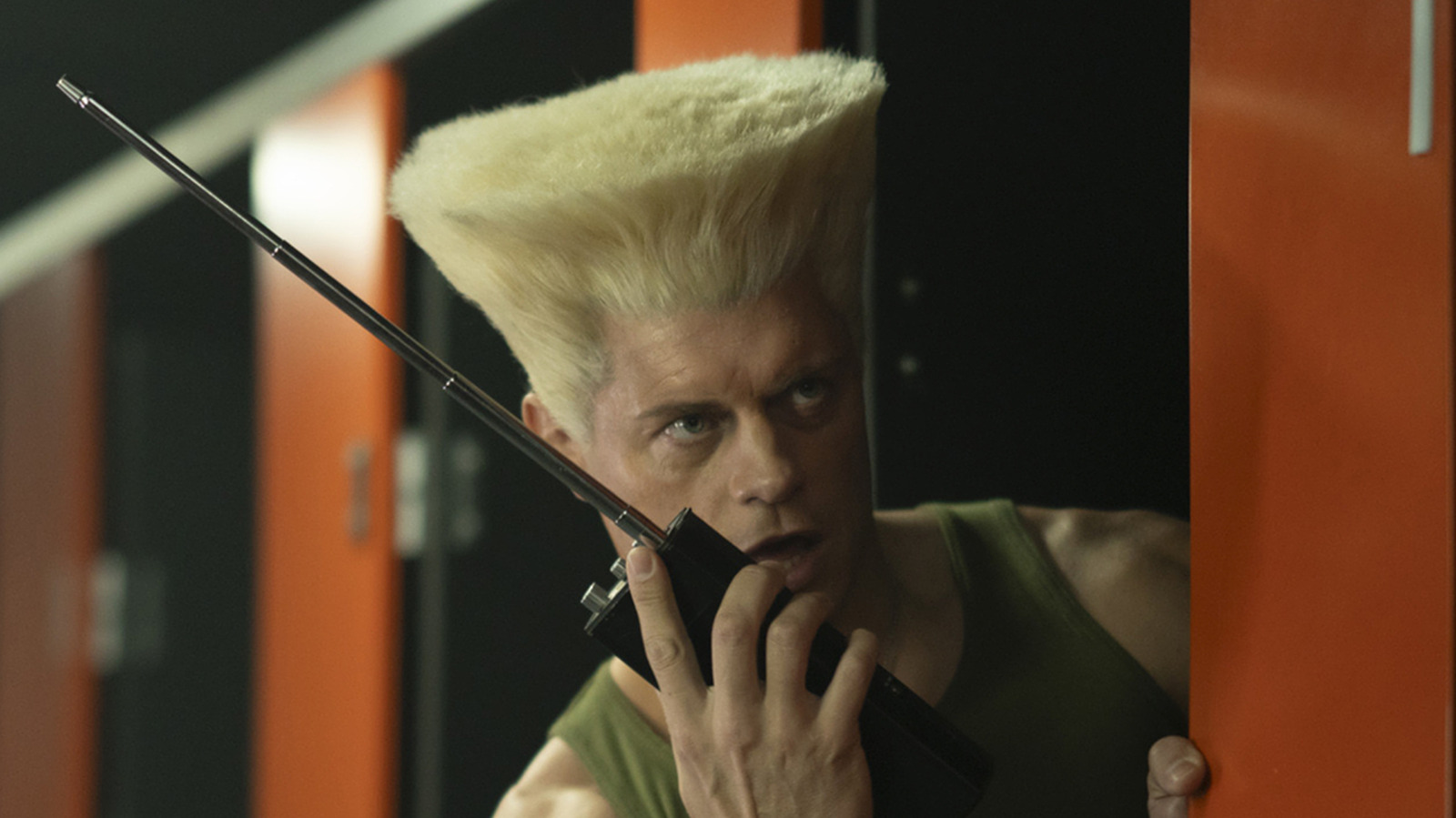
When Legendary Pictures formally announced a new Street Fighter feature under the direction of Kitao Sakurai, anticipation immediately ran high. The production promised to pull from the rich tapestry of the franchise’s decades-long history, casting an eclectic ensemble capable of delivering both comedic beats and bone-crunching martial arts choreography. Following a tightly guarded post-production phase, the film finally rolled out its first press screenings in mid-October 2026, setting off an immediate wave of social media commentary and critical debate.
Supporting Data and Critical Breakdown: Praise and Pitfalls
The early social media embargo lift has generated a polarized yet largely enthusiastic discourse among film critics, pop-culture journalists, and industry insiders. The reception can be neatly divided into distinct camps regarding the film’s aesthetics, humor, pacing, and execution.
Visual Splendor and Mixed-Media Innovation
One of the most universally acclaimed aspects of Street Fighter (2026) is its striking visual identity. Rather than opting for the drab, desaturated color grading that plagued mid-2000s action cinema, Sakurai’s film leans heavily into hyper-stylized aesthetics.
- /Film’s Bill Bria took to Twitter to describe the project as "one sexy looking movie, from the mixed medium elements to its color-saturated palette to its impeccably attractive cast."
- Chris Killian of ComicBook.com singled out the film’s unexpected artistic flourishes, highlighting "some of the most beautiful [Street Fighter] animation you’ll ever see."
- Freelance critic Mark Cassidy echoed these sentiments, praising the movie’s "stunning 2D animation sequences" which he argued breathe a unique, vibrant life into the cinematic world.
The ’90s Throwback Factor
Nostalgia plays a heavy hand in the film’s appeal, channeling an era of unapologetic blockbuster machismo, high-octane stunts, and energetic soundtracks.
- Former ComicBook.com journalist Brandon Davis labeled the movie a winner on X (formerly Twitter), calling it "a ’90s throwback with visual nostalgia but also in its humor and selling of a hot cast," ultimately deeming it "a silly, fun, and fearless good time."
- Chris Killian pushed that comparison further, describing the adaptation as "’Bloodsport’ on horse steroids," noting its explosive, over-the-top action and self-aware humor that playfully critiques the hyper-masculinity popularized by 1980s and ’90s action cinema.
- Matt Rodgers of Flickering Myth highlighted the film’s auditory landscape, tweeting that it works best when "it doesn’t take itself too seriously" and praising its inspired needle-drops.
Structural Flaws and Tonal Turbulence
Despite the high marks for style and nostalgia, critics were quick to point out significant structural cracks that prevent the film from achieving masterwork status.
- /Film’s Bill Bria, while praising the aesthetics, noted that the movie "loses the plot one too many times, and its fight scenes begin to feel less like a treat and more like a distraction."
- Phil Roberts of Future Of The Force characterized the project as "a chaotic mixed bag of action, anime madness, epic characters, combos, and showdowns that don’t always landing."
- Media personality Tessa Smith pointed directly to the screenplay as a primary liability, calling out the "(not great) dialogue" as a major stumbling block, particularly when comedic setups fall flat.
Official Responses and Industry Context
The rollout of Street Fighter (2026) arrives at a pivotal juncture for Legendary Pictures and the broader video game adaptation ecosystem. With studios investing heavily in multimedia synergy, the pressure on Capcom’s crown jewel is immense.
While official press releases from Legendary have emphasized the studio’s commitment to honoring the global fanbase, the early critical reviews suggest a deliberate pivot toward popcorn entertainment over prestige filmmaking. Director Kitao Sakurai and the producers have maintained that the film’s blend of live-action stunt work and traditional 2D animation was designed specifically to bridge the gap between retro arcade culture and modern cinematic sensibilities.
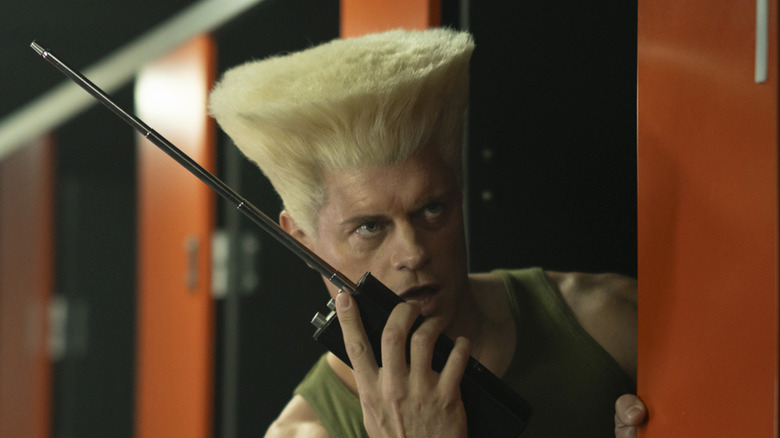
Industry analysts point out that fighting game adaptations face a unique hurdle: unlike story-driven role-playing games, titles like Street Fighter prioritize roster variety and combat over dense narrative lore. Navigating this constraint has historically divided audiences, a reality that Sakurai’s film appears to have embraced by leaning into unbridled camp, visual flair, and sensory overload.
Implications for the Box Office and Future Franchises
As the theatrical release date of October 16, 2026, rapidly approaches, the financial and cultural implications of these first reactions are substantial.
The Box Office Test
The immediate commercial question is whether Street Fighter can break the historical curse that has haunted similar martial arts properties. While the Mortal Kombat cinematic universe has enjoyed mixed financial success, a true breakout hit in the fighting game genre has remained elusive. Early social media buzz indicates strong interest from millennial and Gen Z demographics drawn in by the star-studded cast (featuring actors like Noah Centineo and Andrew Koji) and the striking visual presentation. However, mixed word-of-mouth regarding narrative cohesion and dialogue could impact second-week legs if general audiences demand a tighter plot.
Setting the Standard for Future Capcom Adaptations
Beyond its own box office prospects, Street Fighter serves as a critical test case for Capcom’s broader cinematic portfolio. If Sakurai’s film succeeds commercially despite its narrative messiness, it signals to Hollywood that style, kinetic energy, and fan-service can override script deficiencies in the video game space. Conversely, if critics’ complaints regarding lost plots and distracting fight choreography resonate poorly with ticket buyers, studios may be forced to recalibrate toward more narratively rigorous adaptations.
For now, the stage is set. With nostalgia running high, needles dropping, and animation blending seamlessly with live-action brawls, Street Fighter is poised to deliver one of the most talked-about theatrical experiences of the fall season. Whether it lands a definitive victory or gets caught in a technical combo-breaker remains to be seen when audiences finally step up to the arcade cabinet on October 16.
