
Anatomy of a Modern Masterpiece: Reflecting on Mike Nichols’ Closer Through the Lens of the American Film Institute
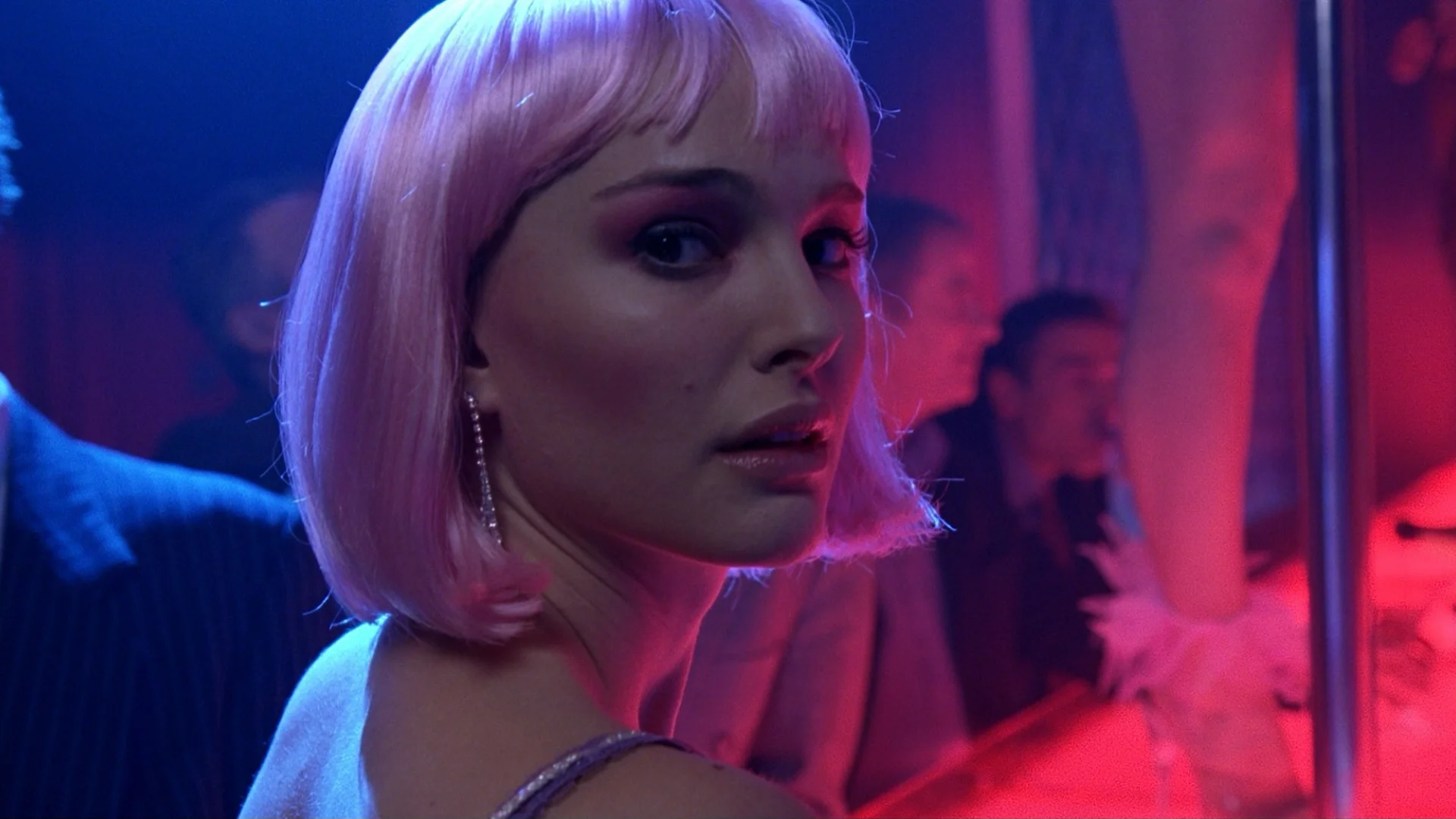
Main Facts: A Modern Cinematic Examination of Modern Romance
Released in the winter of 2004, Closer stands as one of the most uncompromising, searing, and intellectually rigorous explorations of modern relationships ever brought to the silver screen. Directed by legendary filmmaker and American Film Institute (AFI) Life Achievement Award honoree Mike Nichols, the romantic drama bypassed conventional Hollywood sentimentality in favor of a raw, unvarnished look at desire, deceit, and emotional infidelity.
At the heart of the film is a powerhouse ensemble cast featuring Julia Roberts, Natalie Portman, Jude Law, and Clive Owen—four performers operating at the absolute peak of their creative powers. Adapted by playwright Patrick Marber from his own critically acclaimed 1997 stage play of the same name, Closer traces the volatile, intersecting romantic trajectories of its four central characters: Dan (Law), a struggling obituary writer and aspiring novelist; Alice (Portman), a mysterious American expatriate and stripper; Larry (Owen), a cynical dermatologist; and Anna (Roberts), a successful, fiercely independent portrait photographer.
The film’s narrative engine is driven not by grand romantic gestures, but by quiet betrayals, sharp dialogue, and the devastating consequences of emotional ownership. As noted in the official records of the American Film Institute Catalog, Closer represents a masterclass in adaptation, seamlessly translating the claustrophobic, dialogue-heavy tension of the London stage into a cinematic language characterized by striking visual compositions and piercing psychological realism.
Chronology: From London Stage to Hollywood Screen
To truly understand the cultural and artistic impact of Closer, one must trace its journey from a provocative theatrical experiment to a major motion picture event.
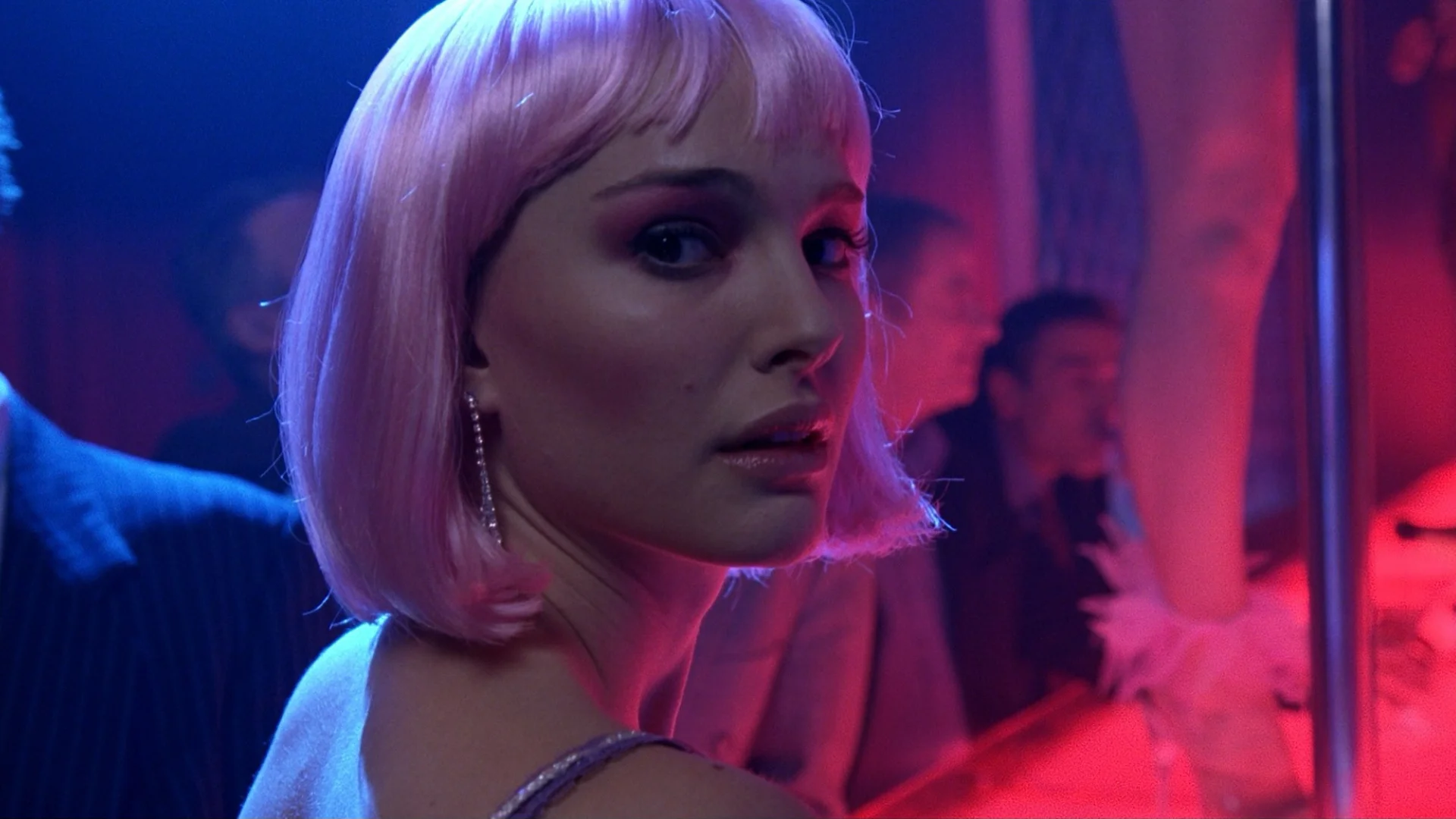
1997: The West End Premiere
Patrick Marber’s original stage play made its debut at the Royal National Theatre in London in May 1997. The production was an immediate critical and commercial sensation, exploring the shifting power dynamics of contemporary romance with a brutal, cynical wit. The play tackled themes of voyeurism, sexual jealousy, and the illusion of intimacy in an increasingly disconnected urban landscape. It quickly captured international acclaim, subsequently transferring to Broadway and winning numerous theatrical accolades, cementing its status as a contemporary classic.
2003–2004: Adaptation and Production
Recognizing the cinematic potential of Marber’s razor-sharp script, filmmaker Mike Nichols—whose storied career includes monumental works like The Graduate (1967), Who’s Afraid of Virginia Woolf? (1966), and Primary Colors (1998)—boarded the project as director. Casting began in earnest, assembling a dream team of international stars. Principal photography took place primarily on location in London, capturing the cold, sleek, and often anonymous architecture of the British capital, which served as a mirror for the characters’ internal emotional landscapes.
December 2004: The Theatrical Release
Distributed by Columbia Pictures and Sony Pictures Releasing, Closer premiered in North American theaters in December 2004. It immediately sparked intense debate among audiences and critics alike. While some viewers were unsettled by the characters’ unrelenting cruelty toward one another, film scholars and cinephiles lauded the picture for its fearless refusal to offer easy moral resolutions.
Supporting Data: Cast, Crew, and Critical Reception
The enduring legacy of Closer is reflected not only in its cultural footprint but in the elite caliber of its principal creative architects.

The Creative Ensemble
- Mike Nichols (Director): As an AFI Life Achievement Award honoree, Nichols possessed a peerless ability to elicit career-best performances from actors. His direction in Closer balances theatrical discipline with cinematic intimacy, ensuring that the camera acts as a silent, judging observer to the characters’ self-destruction.
- Patrick Marber (Writer): By adapting his own play, Marber preserved the rhythmic cadence and emotional precision of his dialogue while opening up the story visually to accommodate the cinematic medium.
- Julia Roberts as Anna: Bringing a grounded, weary sophistication to the role of the photographer caught between two mercurial men.
- Natalie Portman as Alice (Jane Jones): Delivering a magnetically vulnerable and complex performance that earned her an Academy Award nomination and a Golden Globe win.
- Jude Law as Dan: Portraying the romantic idealist whose self-absorption consistently sabotages his capacity for genuine love.
- Clive Owen as Larry: Bringing a raw, predatory, yet deeply wounded energy to the role of the dermatologist, a performance that also secured an Academy Award nomination and a Golden Globe victory.
Critical and Box Office Metrics
Upon its release, Closer performed admirably at the global box office, grossing over $115 million worldwide against a production budget of approximately $27 million. More importantly, it became a critical darling. The film earned two Academy Award nominations (Best Supporting Actor for Clive Owen and Best Supporting Actress for Natalie Portman) and dominated the Golden Globe Awards, winning Best Supporting Actor in a Motion Picture for Owen and Best Supporting Actress in a Motion Picture for Portman.
Official Responses and Archival Significance
The American Film Institute has continually championed Closer as a benchmark of modern dramatic filmmaking. Through its preservation initiatives, educational programming, and the comprehensive resources of the AFI Catalog, the Institute highlights the film as a prime example of how American and international talent can collaborate to produce daring, adult-oriented cinema within the studio system.
When reflecting on his career, Mike Nichols often emphasized the importance of truth in storytelling—no matter how uncomfortable or unflattering that truth might be. Closer embodies this ethos entirely. Film historians and academic institutions frequently cite the film’s famous aquarium scene and its brutal confrontations in strip clubs and photo studios as masterclasses in subtextual dialogue.
Furthermore, industry bodies and critics associations have continually revisited the film as a prophetic text regarding modern communication. Long before the era of modern dating apps and hyper-curated digital personas, Closer examined how human beings use language, identity, and sex as shields to protect themselves from true emotional exposure.

Implications: The Enduring Legacy of Closer in Contemporary Cinema
Two decades after its theatrical debut, the ripple effects of Closer can still be felt across contemporary film and television.
The Shift Toward Unflinching Psychological Realism
In an era increasingly dominated by intellectual property franchises and high-concept blockbusters, Closer remains a vital reminder of the power of mid-budget, character-driven drama. It proved that audiences will embrace complex, deeply flawed protagonists who defy conventional moral categorization. The film cleared a path for modern television and cinematic explorations of toxic romance, most notably seen in subsequent prestige dramas that refuse to sanitize human relationships.
Redefining Stardom
For its four lead actors, Closer served as a pivotal turning point. For Julia Roberts, it marked a decisive shift away from romantic-comedy sweetheart roles toward darker, more mature dramatic territory. For Natalie Portman, it shattered her early-career child-star pigeonholing, establishing her as a fearless, heavyweight dramatic actress capable of holding the screen alongside cinematic veterans. Jude Law and Clive Owen solidified their statuses as international leading men capable of embodying intense psychological duality.
A Timeless Cautionary Tale
Ultimately, Closer endures because its core themes are timeless. The famous parting line delivered by Alice—“Liar!”—echoes as a universal indictment of human dishonesty in matters of the heart. As curated and celebrated by institutions like the American Film Institute, the film stands as a monument to the art of the moving image: a work that holds a mirror up to our deepest insecurities, forcing us to confront the uncomfortable truths of what it means to love, to hurt, and to seek connection in a complex world.
