
The Reclamation of Identity: Sisa Quispe’s URPI: Her Last Wish as a Cinematic Act of Defiance
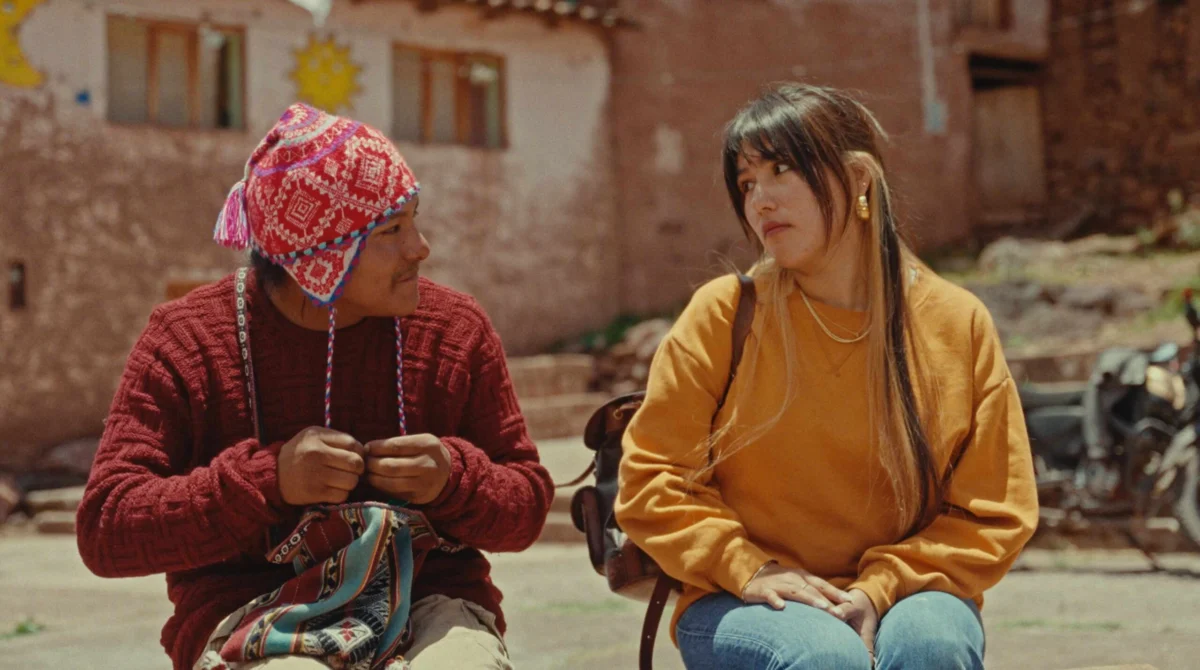
Filmmaking has long been recognized as a cathartic medium, a psychological crucible where directors can transmute personal grief into universal narratives. However, for Sisa Quispe, the writer, director, and lead performer of URPI: Her Last Wish, the process was far more than an artistic exercise. It was an existential reclamation. In crafting this poignant short film, Quispe embarked on a journey to bridge the chasm between her lived reality and her ancestral heritage, ultimately delivering a work that functions both as a heartfelt tribute to her late grandmother and a radical assertion of indigenous identity.
Main Facts: A Journey to the Sacred Valley
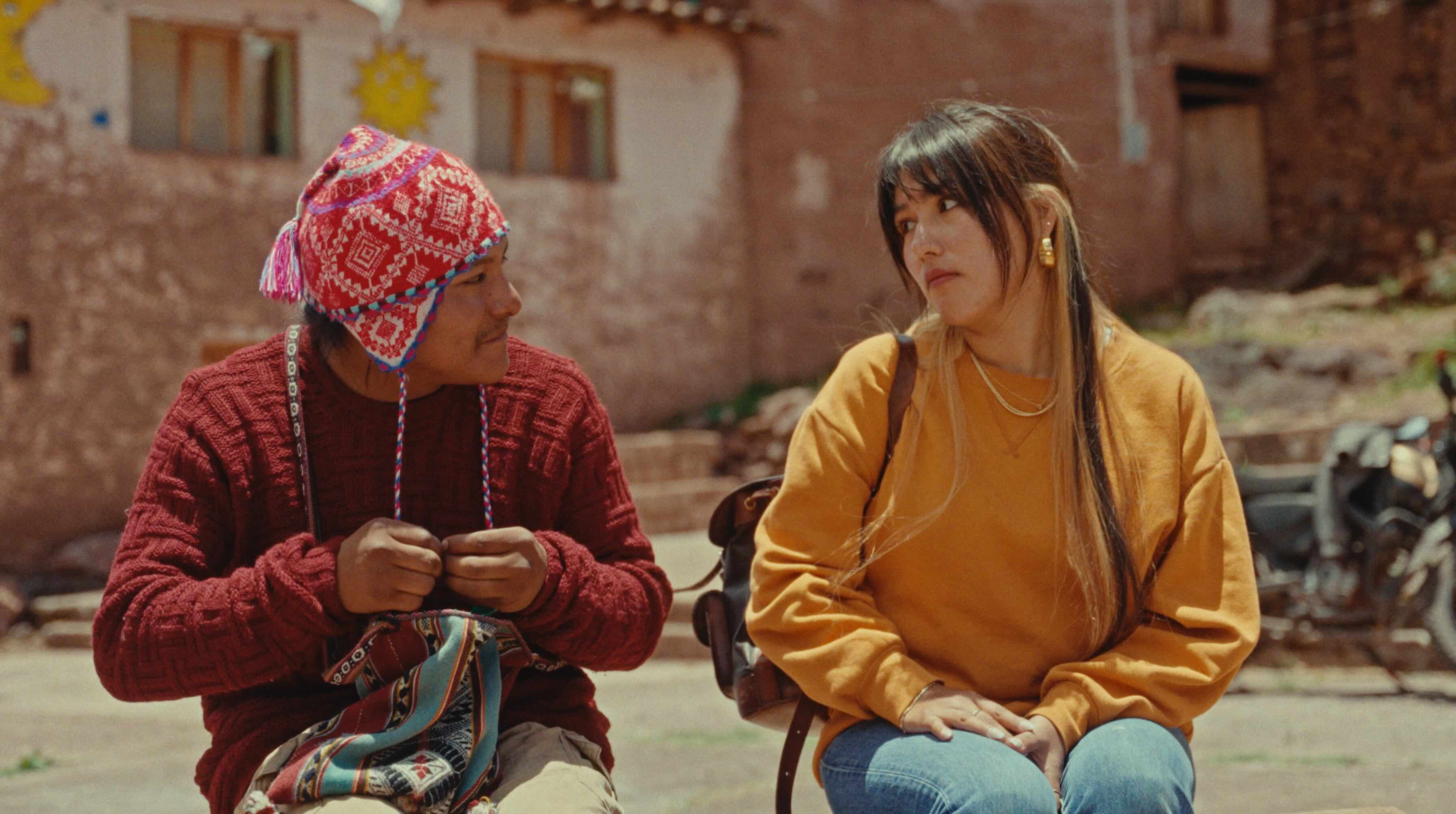
URPI: Her Last Wish is a visually arresting narrative that follows the titular character, Urpi, on a pilgrimage to the Sacred Valley of the Incas. While the plot ostensibly centers on her physical journey through the Andean landscape, the film functions on a deeper, more symbolic level. Accompanied by a young Quechua man, played by Juan Abel Ojeda Llanos, the film initially presents as a character study of two individuals in transit.
However, the strength of the piece lies in its refusal to be confined to a simple "two-hander" dynamic. Instead, Quispe elevates the landscape—the majestic, sweeping vistas of the Andes—and the local communities they encounter to the status of primary characters. By utilizing a predominantly Quechua cast and filming on-location, Quispe ensures that the film is rooted in the "lived experience" of the region. This is not a film about indigenous people; it is a film by and of them.
Chronology: The Genesis of a Vision
The path to URPI began not in a writer’s room, but in the quiet, reflective space of personal loss. Following the death of her grandmother, Quispe sought a way to honor the woman who served as her primary link to her Quechua roots.
- The Conceptual Phase: Quispe began to synthesize her feelings of displacement—a result of growing up amidst the rigid classifications imposed by modern institutions and governments—with the desire to reconnect with her heritage.
- The Production: The filming process served as a bridge. By returning to the Andean landscapes of her ancestors, Quispe transformed her personal grief into a collective story.
- Recognition: The film’s quality was quickly recognized within the industry, leading to a Grand Jury Prize at the Ouray International Film Festival and a win at the prestigious Focus Features Short Film Showcase.
- The Premiere/Release: The film has since been positioned as a vital piece of contemporary indigenous cinema, notably featured on platforms like Short of the Week to commemorate Indigenous Peoples’ Day.
Supporting Data and Contextual Significance
The significance of URPI is underscored by the current landscape of independent cinema. In an era where global film markets are dominated by homogenized content, URPI: Her Last Wish stands out for its cultural specificity.
Data from film festivals over the past five years indicates a growing appetite for stories that eschew traditional Western narrative structures in favor of indigenous perspectives. Quispe’s work is a case study in this trend. By grounding her film in the Quechua language and Andean topography, she creates an "authentic" viewing experience that is rare in mainstream media. The film’s success at festivals is a testament to the fact that audiences are increasingly seeking narratives that challenge their own cultural biases and provide windows into worlds they have not previously explored.
The Politics of Representation: A Protest Against Labels
Perhaps the most striking aspect of the film is its inherent political nature. Quispe has explicitly described URPI as a "protest" against the labels that modern society, bureaucracy, and institutional structures force upon individuals.
"The film became my protest against the labels imposed on me by governments and institutions," Quispe has stated. This is a profound declaration. In a world where indigenous identities are frequently commodified or flattened into tropes, Quispe’s defiance is an act of reclamation.
Crucially, this defiance is not expressed through the traditional, aggressive markers of political cinema. There is no anger, no shouting, and no bitterness. Instead, Quispe chooses warmth. Through the film’s vibrant color palette, its uplifting and rhythmic soundtrack, and the undeniable chemistry between the protagonists, the film projects a sense of belonging that feels tactile. It is a soft but unyielding form of rebellion—a reminder that joy and connection are the most powerful weapons against systematic erasure.
Official Responses and Critical Reception
The critical reception of URPI: Her Last Wish has been near-unanimously positive, with reviewers praising its ability to evoke a sense of "tangible warmth." By documenting the film’s release alongside a list of other indigenous shorts curated by Quispe herself, industry curators have signaled that URPI is not a standalone curiosity, but part of a larger, necessary movement in global filmmaking.
The film has been lauded for its "cultural specificity," a term that highlights how the film succeeds by being intensely local. Unlike films that attempt to provide a "universal" story by stripping away cultural markers, URPI succeeds by diving deeper into its specific Quechua context. This has earned the film accolades from bodies such as The Gotham, which recognized it through their Short Film Showcase as a quintessential example of high-caliber, character-driven storytelling.
Implications: Building Bridges Across Divides
The implications of Quispe’s work are twofold. First, for the indigenous communities depicted, the film serves as a validation of their existence, language, and geography. It acts as a counter-narrative to colonialist histories that have historically framed these regions as remote or "backwards." By bringing these stories to a digital, global stage, Quispe asserts that these communities are vibrant, living, and essential.
Second, for the viewer, the film serves as an invitation. In a world that often feels "cold and fragmented," URPI provides a point of entry into a culture that emphasizes interconnectedness. By accompanying Urpi on her journey, the audience is forced to slow down, to observe the landscape, and to recognize the humanity of those who inhabit it.
This is the ultimate achievement of the film. It does not demand that the audience adopt a specific political ideology; rather, it invites the audience to share in a moment of connection. It bridges the gap between the screen and the viewer, making the world feel slightly more cohesive.
Conclusion: A Future for Indigenous Narrative
As Sisa Quispe continues her career, URPI: Her Last Wish will likely remain a landmark of her early work. It represents a filmmaker who is unafraid to blend the personal with the political, and the poetic with the concrete.
The success of the film on Indigenous Peoples’ Day and its ongoing legacy in the festival circuit suggests that the industry is entering a new era of storytelling—one where indigenous voices are no longer sidelined but are instead recognized as the architects of their own narratives. Through her "protest of warmth," Quispe has not only honored her grandmother’s memory but has also provided a blueprint for how future filmmakers might use their own histories to challenge the status quo, one frame at a time.
In the final assessment, URPI is more than a short film; it is a testament to the power of cinema to heal, to protest, and ultimately, to connect. In the quiet, dusty trails of the Sacred Valley, Quispe has found a voice that resonates far beyond the mountains, reminding us all that our stories are the threads that hold the fabric of our identity together.
