
Beyond the Cape and Cowl: How Marvel and DC Are Reshaping the Superhero Landscape for a New Era
By Global Entertainment Desk
Published: November 2026
Executive Summary: The Great Comic Book Resurgence
Just a year ago, the internet was saturated with post-mortems for the superhero genre. Industry analysts and fans alike declared that "superhero fatigue" had finally taken root, sounding the death knell for interconnected cinematic universes and multi-season television arcs. Yet, the media landscape of 2026 has proven those reports to be not only premature, but fundamentally miscalculated.
What a difference twelve months makes. Spider-Man: Brand New Day has shattered domestic box office records to become the highest-grossing domestic film of all time. Meanwhile, over on the small screen, DC Studios’ Lanterns has emerged as a watershed streaming phenomenon for HBO, pulling in peak Game of Thrones viewership numbers and silencing even the most vocal skeptics of comic book adaptations.

However, survival in the post-peak era—which follows the golden age of 2012 to 2019—requires more than just nostalgic callbacks and brand recognition. Marvel Studios President Kevin Feige, alongside DC Studios co-CEOs James Gunn and Peter Safran, are navigating a radically altered media ecosystem. To thrive rather than merely survive, both studios are implementing starkly contrasting strategies: DC is leaning heavily into prestige television for its broader universe, while Marvel is refocusing its efforts on the theatrical feature film experience.
Chronology of an Era: From Flashpoint to Fatigue and Recovery
To understand where the comic book genre stands today, one must trace the trajectory of its commercial and cultural footprint over the last decade and a half.
2012–2019: The Peak Era of Dominance
The modern era of live-action superhero entertainment effectively began as a flashpoint in 2012. Marvel Studios released The Avengers, cementing the interconnected Marvel Cinematic Universe (MCU) as a gold standard for blockbuster filmmaking. Simultaneously, the television landscape shifted with the premiere of Arrow on The CW, launching a sprawling, interconnected DC television universe (the Arrowverse) that spanned multiple networks and years.

During this golden window, success was practically guaranteed. The market exhibited an insatiable appetite for comic book adaptations:
- The Marvel Machine: Culminated in the historic one-two punch of Avengers: Infinity War and Avengers: Endgame in 2018–2019.
- The DC Anomalies: Even critically panned or structurally flawed cinematic entries generated massive windfalls. 2016’s universally reviled Suicide Squad raked in cash, and Aquaman inexplicably crossed the coveted billion-dollar threshold globally.
2020–2024: The Fracturing and the "Death" Narratives
By 2019, the cultural peak had passed. The conclusion of the MCU’s Infinity Saga and the Arrowverse’s Crisis on Infinite Earths mega-crossover signaled natural endpoints for their respective narratives. Compounded by global disruptions and a post-pandemic shift in consumer habits, the cracks began to show.
The old DC Extended Universe (DCEU) ultimately crashed and burned under the weight of brand confusion, hampered by a strict separation between its cinematic division and its television properties. Concurrently, Marvel’s aggressive expansion onto Disney+ led to a dilution of its once-unassailable brand equity. By 2025, online discourse was dominated by narratives of terminal superhero fatigue.

2025–2026: The New Paradigm
The current landscape has proven that audiences are not tired of superheroes—they are tired of formulaic execution. With Spider-Man: Brand New Day dominating theaters and Lanterns redefining event television, 2026 marks the dawn of a calculated, highly differentiated approach by Hollywood’s two premier comic book powerhouses.
Supporting Data: Box Office and Viewership Metrics
The resurgence of the genre is quantifiable, supported by hard metrics coming out of box office tracking and streaming analytics:
- The Theatrical Titan: Spider-Man: Brand New Day surpassed previous domestic benchmarks, officially claiming the title of the highest-grossing domestic box office release in history, outpacing legacy juggernauts like Star Wars: The Force Awakens.
- Streaming Milestones: DC Studios’ Lanterns averaged linear and streaming engagement figures directly comparable to the historical peak viewership of HBO’s Game of Thrones, establishing premium television as a viable incubator for high-concept cosmic lore.
- The Divergence in Execution: While DC’s cinematic outing Supergirl stumbled at the box office despite positive critical reception, its parallel streaming success on HBO Max demonstrated that consumer preferences are bifurcated: major icons demand the theatrical treatment, while secondary properties often find safer harbors on streaming platforms.
Strategic Pivots: DC’s Small-Screen Expansion vs. Marvel’s Theatrical Refocus
DC Studios: Protecting the Trinity While Streaming the Rest
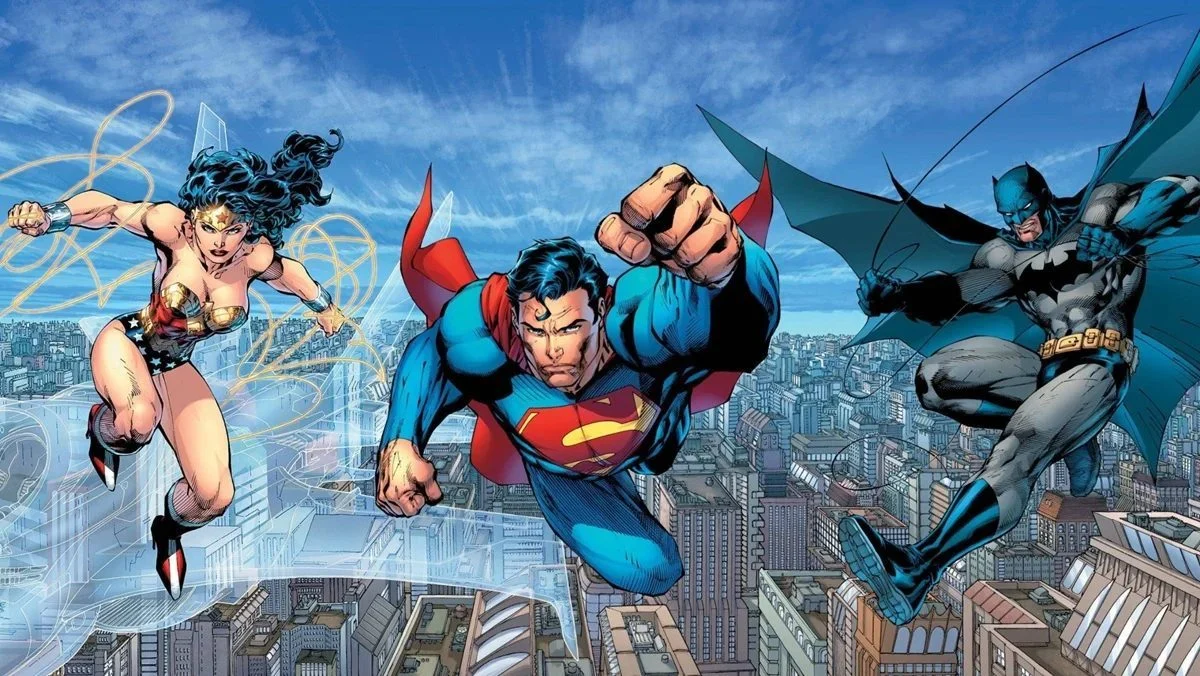
Under James Gunn and Peter Safran, DC Studios is developing a nuanced understanding of character tiering. The core "Trinity"—Superman, Batman, and Wonder Woman—alongside foundational team-ups like the Justice League, require the grandeur of the big screen. Batman, in particular, remains robust enough to support multiple concurrent iterations in theaters.

However, DC’s strategy for its B- and C-list intellectual property has shifted dramatically. Unlike Marvel’s mid-2010s gambit of turning Guardians of the Galaxy into a $200 million blockbuster, DC has not yet built the universal brand trust required to gamble nine-figure budgets on lesser-known properties.
Instead, DC is utilizing prestige streaming platforms. Following the runaway success of Peacemaker and Lanterns, recent reports indicate that DC Studios is prioritizing high-profile streaming series for characters like the Flash, Nightwing, Catwoman, and Green Arrow. Furthermore, Warner Bros. has shown a willingness to shop projects across platforms—such as Netflix, which has successfully housed DC-adjacent properties like The Sandman and Dead Boy Detectives—ensuring that creative visions are not suffocated by rigid platform mandates.
Marvel Studios: Streamlining the Cinematic Slate
Marvel Studios, meanwhile, is executing a mirror-image maneuver. Following a period of over-saturation marked by simultaneous releases of multiple feature films and six-to-eight-episode Disney+ series, Marvel is pulling back its television footprint to recenter on event-driven theatrical releases.

While series like WandaVision, Loki, and Agatha All Along proved that serialized television could work within the MCU, the sheer volume of content ultimately diluted the "event" status that defined the studio’s early success. Controversial cancellations—such as the scrapping of Wonder Man late in production—signal a ruthless internal pivot toward quality control. Moving forward, Marvel is prioritizing cinematic tentpoles supported by occasional, highly curated "Special Presentations" rather than endless weekly serials.
Implications for the Industry
The diverging paths of Marvel and DC in 2026 offer crucial lessons for the broader entertainment industry regarding franchise management in a saturated market:
- Format Matching is Critical: Studios can no longer apply a one-size-fits-all approach to intellectual property. High-tier icons belong in theaters, while complex narrative explorations or second-tier character arcs are often better served by the serialized, deep-dive nature of prestige television.
- Combating Fatigue Through Scarcity: The era of relentless, assembly-line content production is over. Both Feige and Gunn are recognizing that true commercial success in the modern landscape relies on manufacturing genuine cultural events, which requires scaling back output to preserve quality and anticipation.
- Platform Agility: Warner Bros. Discovery’s willingness to distribute DC content across competing platforms (like Netflix) rather than confining everything to a single streaming ecosystem highlights a pragmatic evolution in modern media distribution.
Conclusion
As Marvel and DC chart their respective courses into the latter half of the decade, both studios are studying the lessons of their own pasts. The conditions of 2012–2019 may never return, and the term "superhero fatigue" served as a much-needed wake-up call for Hollywood executives. By playing to their distinct strengths—Marvel anchoring itself in cinematic spectacles and DC leveraging streaming prestige for its expansive mythos—the comic book movie industry has proven that its foundational stories are resilient enough to evolve, adapt, and conquer the box office once again.
