
From Experimental Theater to the Sundance Stage: Liz Sargent’s Deeply Personal Feature Debut, Take Me Home
By Lucy Spicer
Main Facts: A Breakthrough at the 2026 Sundance Film Festival
In the constellation of independent cinema, few events carry the prestige and forward-looking optimism of the Sundance Film Festival. Serving as a premier launchpad for boundary-pushing storytellers, the festival consistently offers a front-row seat to the future of the medium. Through the Sundance Institute’s ongoing interview series, Give Me the Backstory, audiences are granted a rare, intimate look past the celluloid and into the lives of the creative minds shaping modern film.
At the center of conversation at the 2026 Sundance Film Festival is writer-director Liz Sargent, whose feature-length directorial debut, Take Me Home, is premiering in the highly competitive U.S. Dramatic Competition. Expanded from an acclaimed proof-of-concept short film that debuted at the 2023 Sundance Film Festival, Take Me Home is an unflinching, deeply compassionate exploration of familial obligation, systemic strain, and profound human connection.
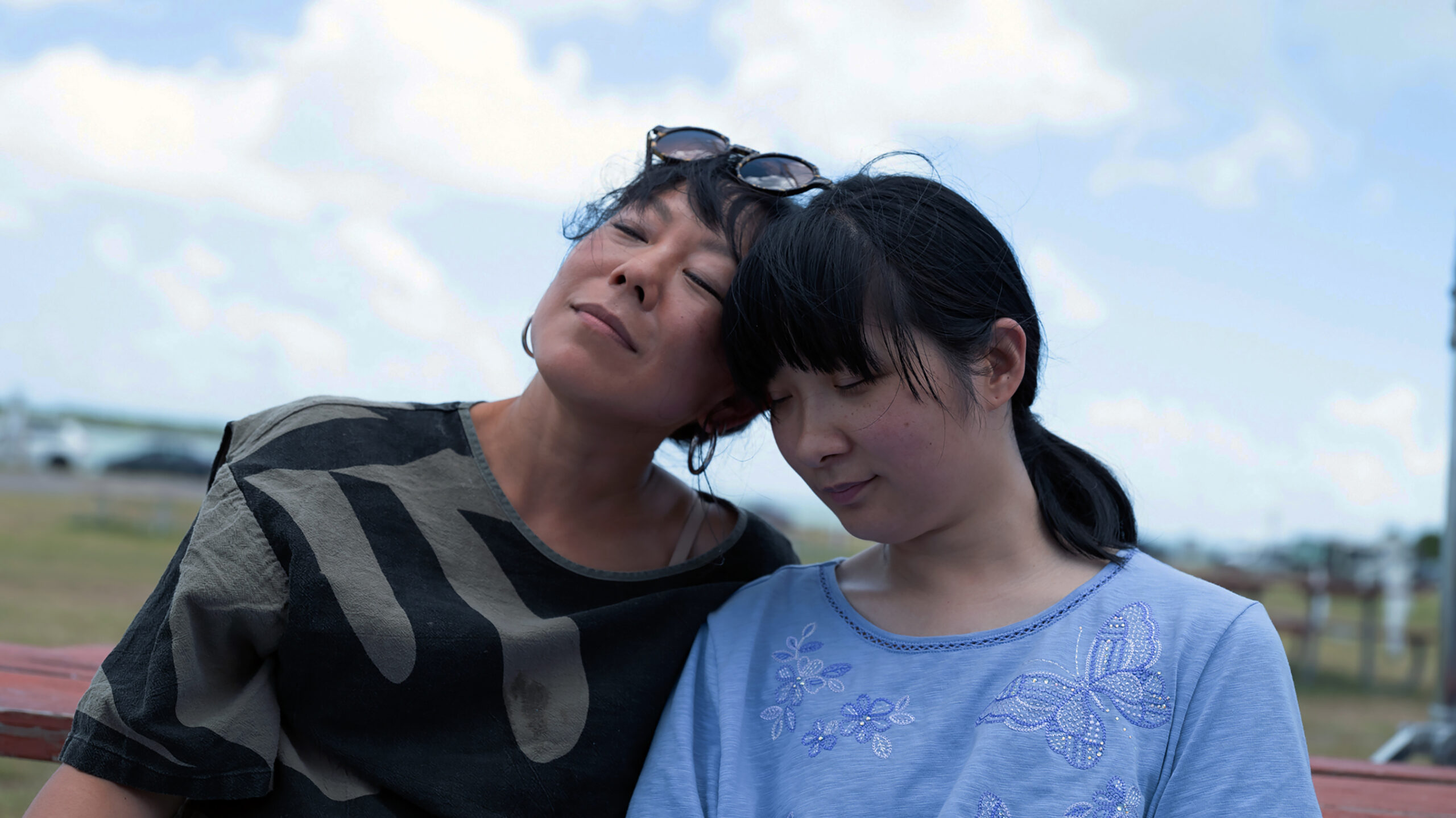
The film centers on Anna, a 38-year-old Korean adoptee with a cognitive disability, portrayed on screen by Sargent’s own real-life sister, Anna. Set against the backdrop of an unforgiving healthcare system, the narrative follows Anna as she navigates the complexities of caregiving for her aging parents. Shot entirely within her parents’ home and drawn from the actual rhythms of their lives, Take Me Home bridges the gap between hyper-specific lived reality and universal emotional truth.
Chronology: From Modern Dance to the Silver Screen
Liz Sargent’s path to the director’s chair is unconventional. Eschewing traditional film school tracks, Sargent forged her artistic foundation in the worlds of modern dance and experimental theater. Navigating these demanding, ethereal disciplines taught her early on about the challenges of audience reach.
"News flash: There is not a huge audience for modern dance or experimental theater. It is hard, ethereal work," Sargent reflects. "And I found that I want to share my stories with a broader audience to be in conversation with something that can find people throughout time, to hold the existence of the things I value and ponder."
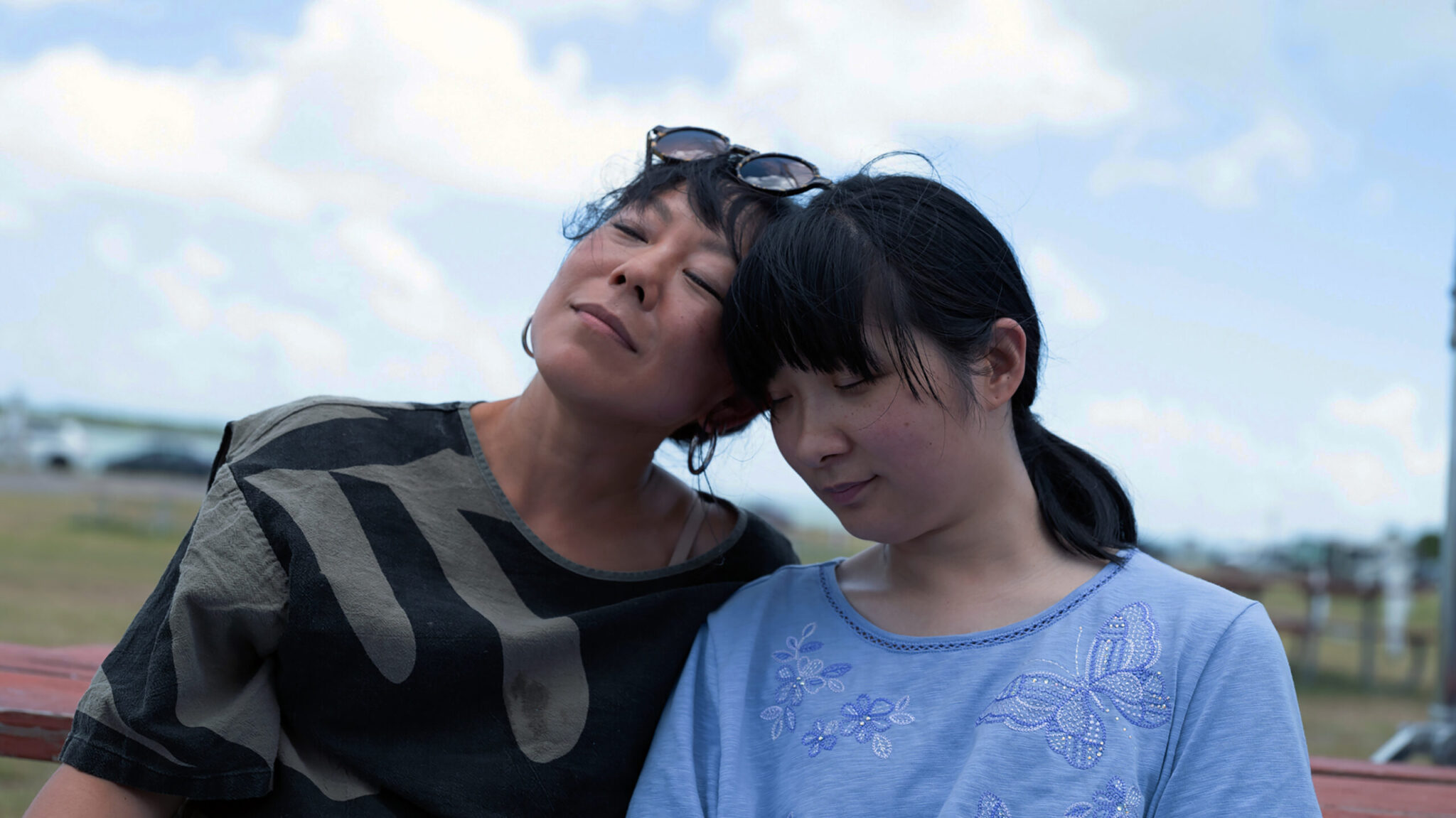
Looking for a medium that could transcend the temporal limitations of live performance and speak to a wider demographic, Sargent turned to filmmaking. Her creative evolution culminated in the creation of a proof-of-concept short film that captured attention at the 2023 Sundance Film Festival. Buoyed by that reception, Sargent expanded the concept into a feature film, utilizing her parents’ home as the primary set and casting her sister as the emotional core of the project.
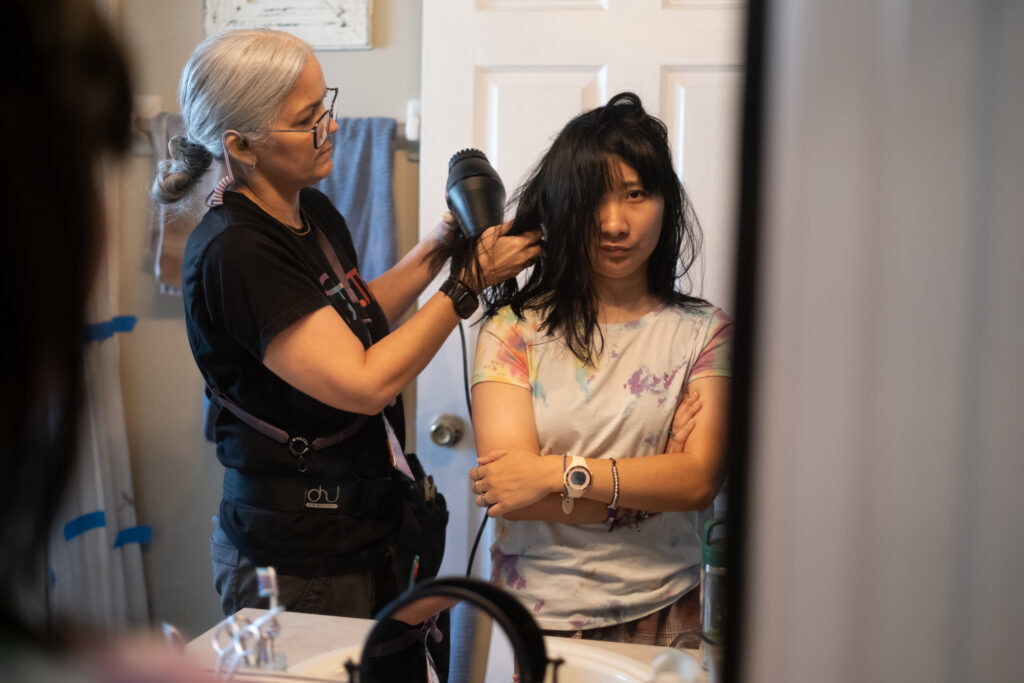
Behind the scenes, bringing Take Me Home to life required innovative methodologies. Because Anna lives with a cognitive disability and has very little short-term memory, the production required specialized collaboration. Acting coach Terra Mackintosh crafted bespoke rehearsals, helping Anna navigate the emotional arcs of individual scenes, while the autobiographical nature of the script provided a natural bridge to understanding.
Throughout the production, the cast and crew adapted their pacing, communication styles, and expectations to meet Anna’s needs. In one particularly poignant moment during production, actor Ali Ahn—who plays Anna’s sister, Emily—utilized dynamic emotional variations across different takes to guide Anna through a complex sequence. Responding to the moment in real-time, Anna recalled her script cues and delivered a powerhouse performance that brought crew members to tears at the monitors.

Supporting Data and Production Insights: Finding the "Frat Boy" Behind the Star
The production of Take Me Home was defined not only by emotional breakthroughs but also by moments of unexpected levity and community-building. During one production delay caused by a severe lightning storm, the cast and crew were forced to shelter in place. While much of the crew huddled in the main production house, Anna found herself stationed at base camp—a local church community room—alongside actor Shane Harper and the actors playing his character’s friends.
What followed was an impromptu bonding session involving hoops and games in the youth room, leading Sargent to a delightful realization: Anna was, at heart, "a frat boy."
"When we finally got around to shooting that night, Anna was on a roll," Sargent recalls. "I’ve never seen her more comfortable in front of the camera AND surrounded by boys… Anna loves to win, and I think we could’ve made a whole film of her just chillin’ with the dudes."

These moments of genuine camaraderie transformed the energy on set, fostering a loose, creative environment where the team felt invincible. For Sargent, this operational environment highlighted a vital principle: the importance of giving disabled individuals "the dignity of risk."
"It wasn’t a perfect process, but Anna deserves to be challenged and have growth opportunities like everyone else," Sargent notes. "That is something too many disabled people don’t have… to try new things, to struggle, and to succeed beyond anyone’s expectations."
Official Responses and Creative Vision
Sargent’s broader artistic philosophy challenges conventional Hollywood standards regarding casting and representation. By placing an actor with a cognitive disability at the helm of a major dramatic feature, she demonstrates that inclusive filmmaking is not merely an ethical choice, but an aesthetic enhancement.
"Expanding the industry’s idea of who gets to lead a film isn’t just a creative choice; it’s a practical, human one," Sargent asserts. "When we build a set and a process around an actor like Anna — when communication, pacing, and expectations shift to meet her where she is — we see that the work becomes richer."
She continues, driving home an economic and artistic imperative: "If Take Me Home leaves any lasting message, I hope it’s that making space for people who think, speak, and move through the world differently isn’t charity — it’s an artistic advantage. It’s good storytelling. And it’s good business."
The inspiration for the film stems directly from Sargent’s upbringing as the middle child in a family of 11 children—four biological children and seven adopted siblings, six of whom are Korean and several of whom live with disabilities. Growing up in a household characterized by natural chaos and symbiotic caregiving instilled in Sargent an early awareness of the systemic shortcomings facing disabled individuals and their families.
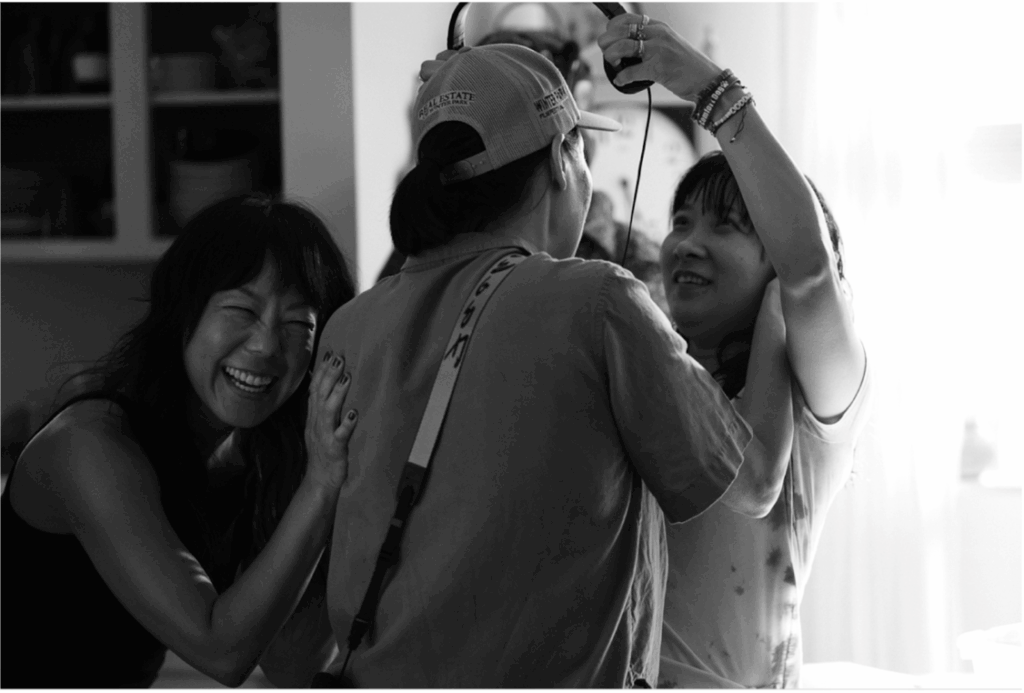
Initially, the script functioned as a diary entry driven by anxiety over Anna’s future care as their parents aged. However, as writing progressed, Sargent realized the narrative required Anna’s perspective. "Her original heart and humor are the truth that made this film. She is my muse, my guide, and the emotional backbone of the story," she says.
Implications: The Urgent Reality of Caregiving in America
Beyond its personal resonance, Take Me Home addresses a pressing sociological reality across the United States. The film reflects the quiet, systemic struggles unfolding in households from working-class communities in states like Florida to rural and urban centers nationwide—environments where lower-middle-class families receive scant resources or institutional roadmaps for long-term caregiving.
By positioning Anna as a multifaceted protagonist—an Asian adoptee, a sister, and a caregiver—the film dismantles monolithic representations of disability. Simultaneously, through the character of Emily, the film captures the pressures placed on the "sandwich generation," acknowledging the invisible labor of caregiving that underpins society.

Sargent hopes the film will ignite broader conversations about social support systems and healthcare reform, allowing individuals to age and live with dignity. Ultimately, Take Me Home closes on a note of radical imagination, encouraging audiences to envision and fight for a world where everyone’s needs are met.
Reflecting on her journey to the Sundance Film Festival, Sargent credits her partner and collaborator, Minos Papas, as her primary mentor in cinema. Drawing inspiration from cinematic heroes like Chloé Zhao, Kelly Reichert, and Yoko Ono, Sargent continues to champion the power of film to universalize human struggle and preserve the quiet, harrowing, and beautiful moments of real life.
