
Beyond the Bars: How the Sundance Premiere of ‘Free Leonard Peltier’ Captures Half a Century of Resistance and a Movement That is Only Beginning
By Bailey Pennick
Special Reporting from the Sundance Film Festival
Introduction: A Historic Shift on the Eve of the Spotlight
Just days before the world premiere of the documentary Free Leonard Peltier at the 2025 Sundance Film Festival, the fundamental real-time reality of its subject shifted dramatically. After nearly half a century behind bars—a staggering 50 years of incarceration that became a global symbol of systemic injustice—Leonard Peltier’s life sentence was commuted to house arrest by outgoing President Joe Biden.
For the filmmakers, activists, and Indigenous leaders gathered at The Ray Theatre in Park City, Utah, the news offered a bittersweet mixture of long-awaited vindication and deeply ingrained skepticism. During the emotional post-screening discussion, fellow Indigenous activist Jean Roach, who was present during the fateful, tragic 1975 shootout at the Pine Ridge Reservation, struggled to find the words to capture the moment.
"It was really emotional watching all that stuff that we’ve been through," Roach told an attentive, packed audience, her voice wavering. She paused, collecting herself before addressing Peltier’s imminent release. "I really want to thank everybody; it wasn’t just a few of us—worldwide we’ve had support [for Leonard]. I can’t believe it till I see him come out."
That cautious hesitation—the refusal to trust a governmental promise until physical reality matches the rhetoric—permeates both the documentary and the broader lived experiences of Indigenous peoples in the United States. Free Leonard Peltier, directed by Jesse Short Bull and David France, is far more than a retrospective on a single miscarriage of justice. It is an indictment of historic state-sanctioned oppression and a rallying cry for an ongoing human rights movement.
Chronology of a Half-Century Struggle: From Pine Ridge to Park City
To understand the weight of the Sundance premiere, one must retrace the harrowing historical timeline that brought Peltier to this juncture. The roots of the documentary extend deep into the tumultuous socio-political landscape of the 1970s, a period marked by the vibrant yet heavily persecuted rise of the American Indian Movement (AIM).
1973–1975: The Powder Keg at Pine Ridge
The tension on the Pine Ridge Reservation in South Dakota reached a boiling point in the mid-1970s. Plagued by systemic corruption within the reservation system, poverty, and heavy-handed federal oversight, local traditionalists called upon AIM for protection and support. What followed was a climate of fear, surveillance, and escalating violence.
June 26, 1975: The Shootout and Aftermath
On a fateful summer day in 1975, a firefight broke out on the reservation, resulting in the deaths of two FBI agents—Jack Coler and Ronald Williams—along with the tragic death of Native American Joe Stuntz. The ensuing manhunt and subsequent legal proceedings against Peltier have been widely criticized by international human rights organizations, legal scholars, and Amnesty International as being marred by coerced testimonies, suppressed evidence, and political interference.
1977–2024: Fifty Years Behind Bars
Peltier was convicted and sentenced to two consecutive life terms. For five decades, he maintained his innocence, becoming the longest-serving Indigenous political prisoner in United States history. Despite repeated appeals, waves of clemency campaigns, and endorsements from international leaders, Nobel laureates, and former prosecutors, successive U.S. administrations denied his freedom—until the final days of the Biden presidency.
January 2025: Clemency and the Sundance Premiere
In January 2025, President Biden commuted Peltier’s sentence to house arrest, setting the stage for an explosive, highly anticipated premiere at the Sundance Film Festival. The convergence of Peltier’s liberation with the film’s debut transformed a standard festival screening into a historic milestone for Indigenous cinema and activism.
Supporting Data and Collaborative Vision: Bringing the Story to Light
The creation of Free Leonard Peltier was itself an exercise in resilience and cross-cultural coalition building. Directors Jesse Short Bull and David France found themselves uniquely aligned by circumstance and shared purpose.
"For whatever reason, I think that the Creator kept pushing us together," Short Bull told the Sundance crowd, reflecting on the partnership. "Pushing David and I together to see how we could try to serve this story."
For France, an acclaimed investigative filmmaker who spent decades following the case, the project was a long-overdue duty. "I have followed Leonard’s case for 50 years since his arrest and have learned so much from the American Indian Movement and the work that they did back then and continue to do today," France explained.
Realizing that the somber 50th anniversary of Peltier’s incarceration was looming, France felt compelled to act. "I thought it came time for me to play my part in adding my voice to the Free Leonard Peltier movement and, luckily, Jesse and I shared that commitment, and everybody on this stage today shared it, and it’s just been amazing."
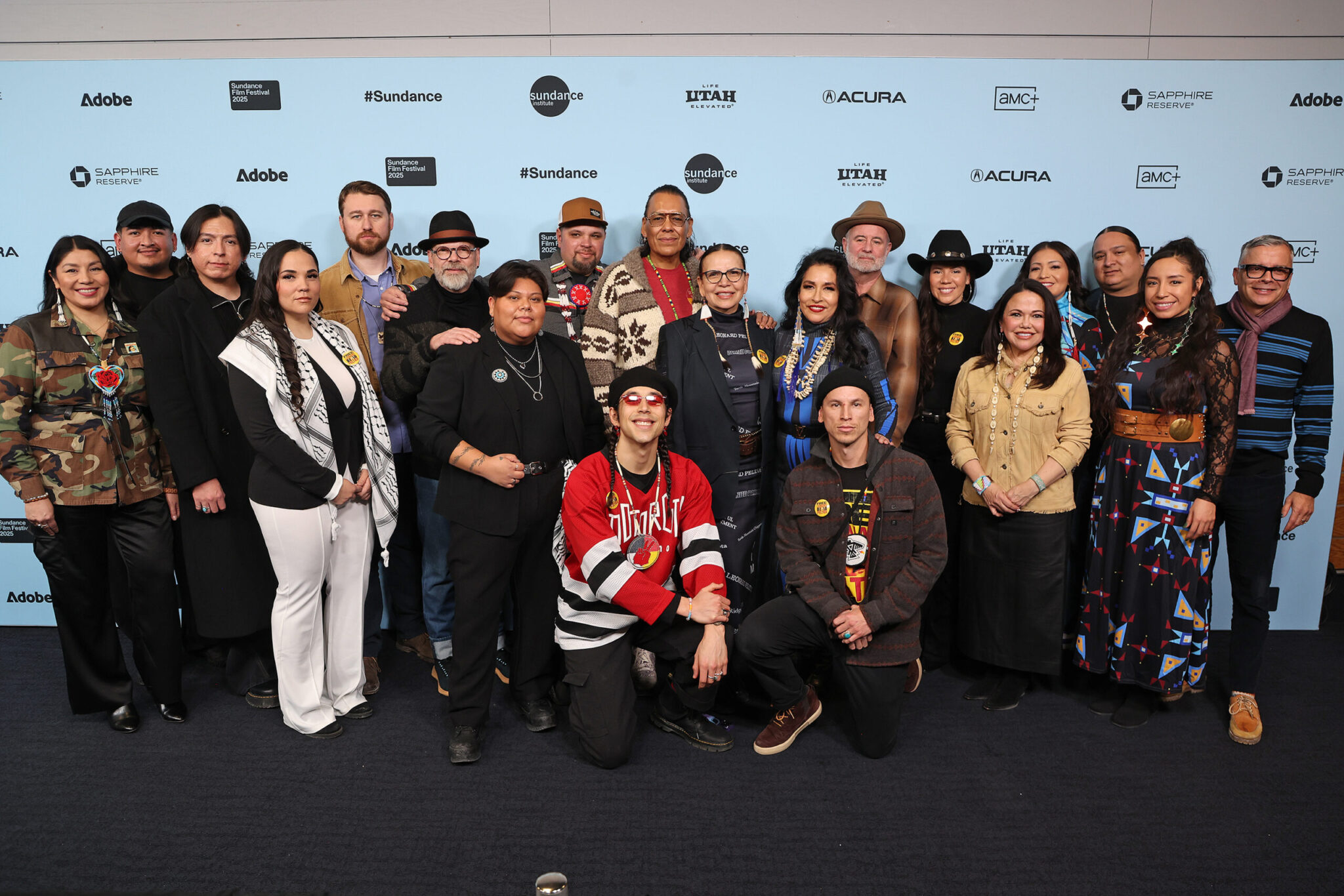
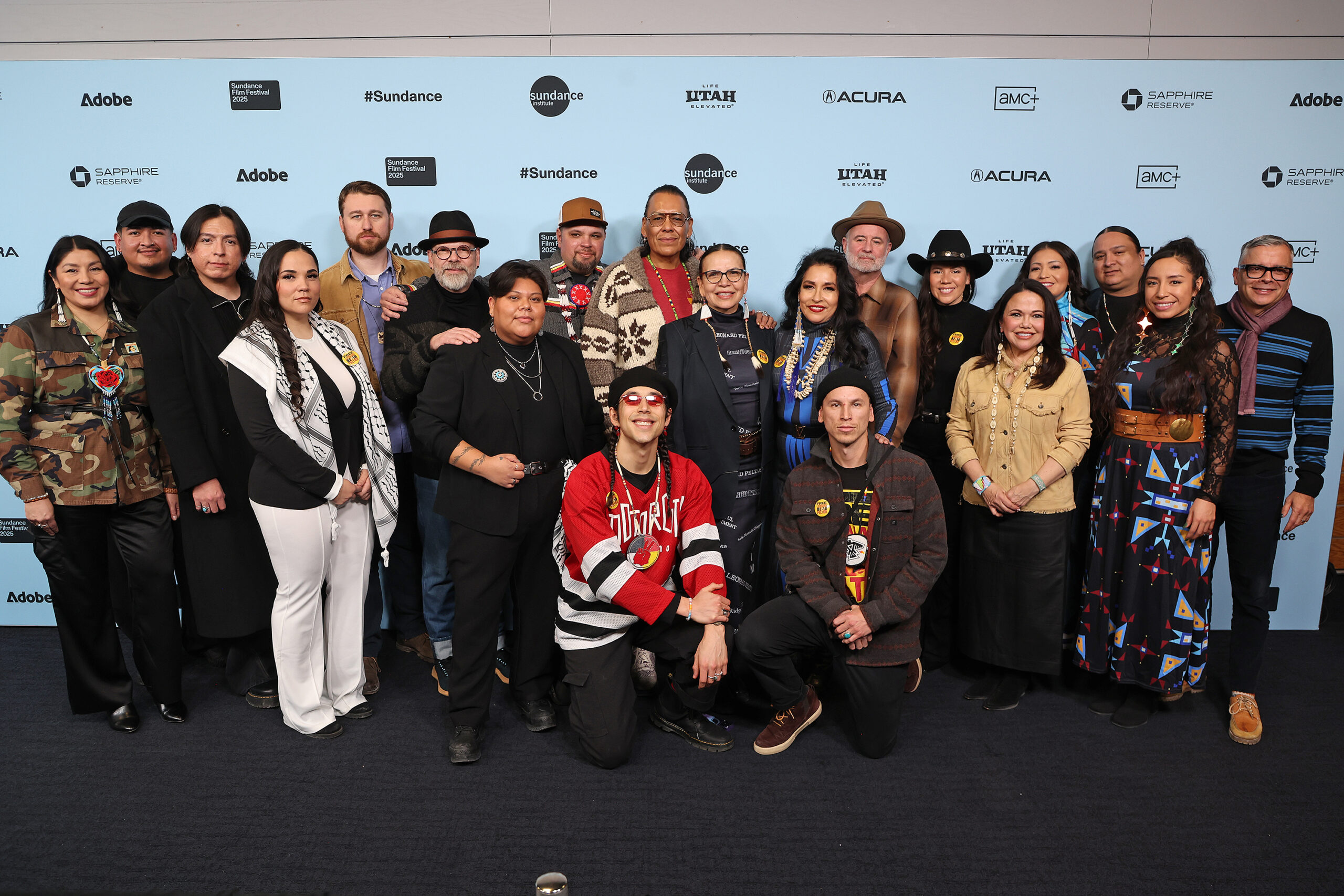
The film boasts an impressive roster of creative and activist talent, featuring contributions from:
- David France (Co-Director)
- Jesse Short Bull (Co-Director)
- Mato Wayuhi (Composer)
- N. Bird Runningwater (Producer/Advocate)
- Jodi Archambau
- Jhane Myers
- Paul McGuire
- Amber Morning Star Byars
- Holly Macarro
- Nick Tilsen
- James Costa
The collaborative effort behind the lens reflects the film’s core thesis: justice for Indigenous peoples has never been achieved through the benevolence of state institutions alone; it has been forged through collective, relentless organizing.
Official Responses and Perspectives: A Movement Beyond One Man
While the auditorium erupted in celebratory cheers when discussing Peltier’s impending clemency, key voices on the panel were quick to contextualize the moment. Activist Nick Tilsen pushed back against any notion that Peltier’s release signifies the end of a chapter or the final resolution of historical grievances.
"I don’t think it’s just about the next month, and I don’t think this film is just about the last 49 years," Tilsen asserted passionately after the credits rolled. "I think this film is about everything the Indigenous people have been through since the founding of this country. And every single one of Leonard’s struggles—from the boarding schools that he survived, all the way to his prosecution, all the way to his incarceration—that’s how this country has always treated Indigenous people."
The panelists—a diverse group of Indigenous leaders, artists, and creators—nodded in solemn agreement as Tilsen bridged the gap between historical trauma and the urgent realities of the present day.
The film meticulously exposes the institutional machinery that allowed such an injustice to persist for half a century. From the collusion between the U.S. State Department and corrupted reservation governance structures to the systemic silencing of Native voices, viewers are left with a profound sense of institutional distrust. Yet, that distrust does not curdle into nihilism; instead, it fuels an assertive demand for systemic overhaul.
Broader Implications: Fighting Authoritarianism in the Modern Era
Tilsen expanded the narrative further, linking the struggle of Leonard Peltier and the American Indian Movement to contemporary political threats facing the United States at large.

"Now we have a huge opportunity because we have not had that many victories as Indian people, but we have one now," Tilsen said. He emphasized the acute historical resonance of the project: "We have one now, and I want to say that it’s timely of where we are at in history. At this moment, this film, his resistance, our resistance, is relevant right now at this historical moment when we’re watching the rise of authoritarianism here in the United States."
In an era where democratic norms face unprecedented strain, the lessons of AIM and the endurance of Leonard Peltier offer a vital blueprint for resistance. The panelists stressed that complacency is an unaffordable luxury. True systemic change requires visibility, solidarity, and active mobilization.
"It’s required—we cannot fight authoritarianism in the shadows," Tilsen warned the audience. "We have to mobilize if we want a future, and if Leonard Peltier can fight for 49 years and win, then let’s go."
Conclusion: A New Chapter in Indigenous Storytelling
As Free Leonard Peltier makes its way out of the snowy confines of Park City and toward broader theatrical and streaming distribution, its cultural footprint is already undeniable. It stands as a masterclass in investigative documentary filmmaking, a historical reckoning, and a testament to the unyielding spirit of human rights defenders.
For Jean Roach, Jesse Short Bull, David France, and the countless activists who have carried the torch for five decades, the release of Leonard Peltier is a monumental milestone. But as the credits fade and the lights come up in theaters across the world, the message left in their wake is crystal clear: the fight for true justice, equity, and liberation for Indigenous communities is not drawing to a close—it is only just beginning.
