
Behind the Scenes of Independent Cinema: Film Independent’s Latest Fiscal Spotlight Highlights Diverse Global Voices
The landscape of independent filmmaking is notoriously challenging to navigate, often demanding immense resilience, creative ingenuity, and, above all, financial backing. For decades, traditional financing models have struggled to accommodate the daring, unconventional voices that push the medium forward. Enter the realm of fiscal sponsorship—a vital, yet frequently under-discussed, engine of independent cinema.
Through programs like Film Independent’s Fiscal Sponsorship initiative, independent artists gain the legal and structural ability to leverage a non-profit organization’s 501(c)(3) status. This framework allows filmmakers to secure tax-deductible donations and institutional grants that would otherwise be entirely out of reach. From intimate short subjects and sweeping narrative features to boundary-pushing nonfiction and labor-intensive animation, fiscal sponsorship offers a lifeline to projects at every stage of production.
In its monthly Fiscal Spotlight series, Film Independent regularly brings attention to the diverse pipeline of projects currently utilizing this mechanism. This month’s dispatch highlights three distinct cinematic journeys: a critically acclaimed Nepalese supernatural drama that has transitioned from festival darling to global streaming; a tender, border-set queer romance preparing for its international premiere; and a painstaking, 100% human-crafted animated feature that rejects generative artificial intelligence in favor of raw, hand-painted rotoscope artistry.
Chronology of Production Milestones: From Concept to Screen
The three projects featured in this month’s Fiscal Spotlight represent vastly different corners of the globe, production methodologies, and genres. Yet, they share a common thread: the grueling, transformative timeline of independent filmmaking.
Shakti: From Himalayan Folklore to Global Streaming Platforms
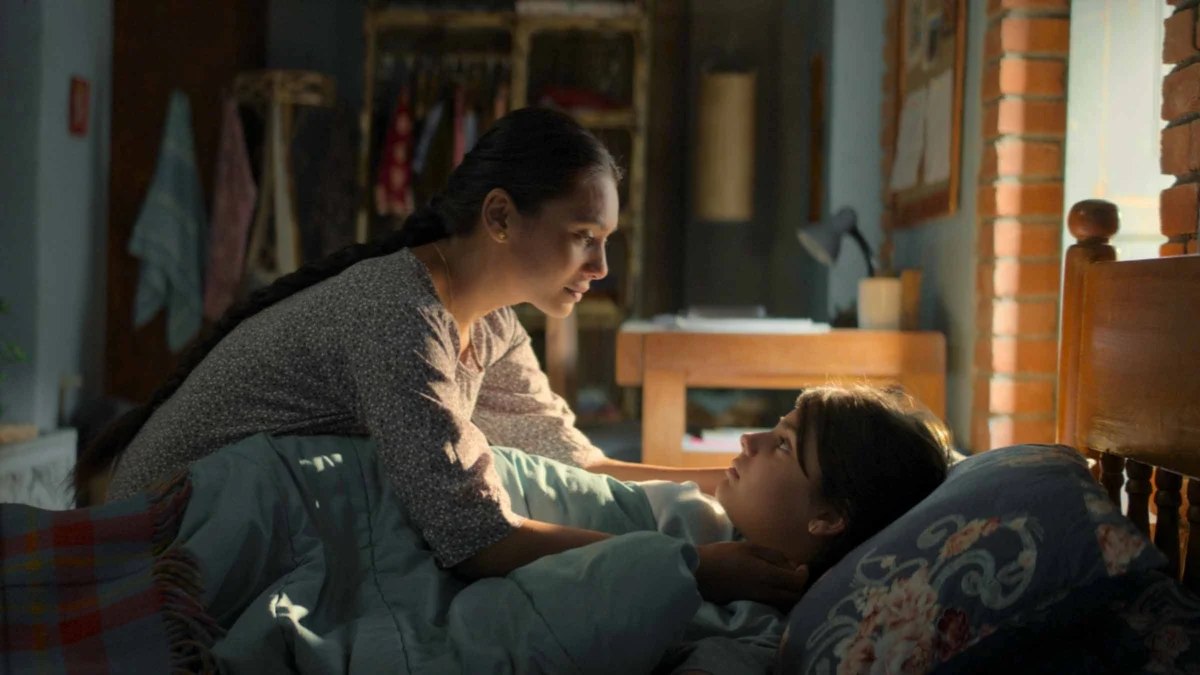
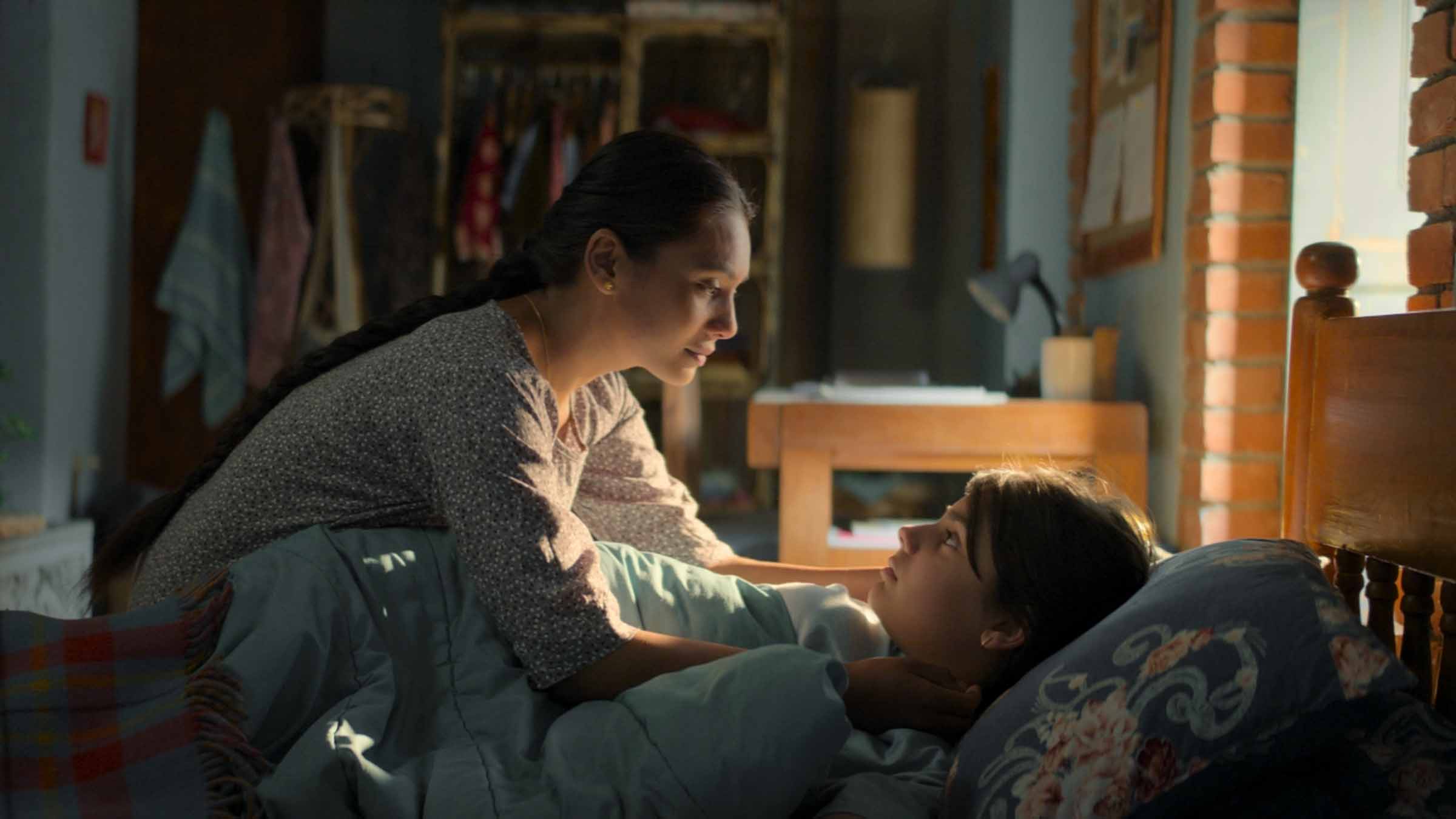
- Development & Production (2020–2024): Conceived by writer-director Nani Sahra Walker, Shakti drew early inspiration from structural injustices in Nepal—specifically, the country’s former 35-day statute of limitations regarding the reporting of sexual violence. Walker, alongside producers Nani Sahra Walker, Candi Guterres, Ida Sonni, and Jered Everson, spent years navigating the cultural and physical landscapes of Kathmandu to bring the supernatural underworld of shamans to life.
- Festival Circuit (2024–2025): Following the completion of post-production, Shakti embarked on an aggressive and highly successful international festival run. It claimed top prizes, including Best Narrative Premiere and the Richard D. Propes Narrative Social Impact Award at the Heartland International Film Festival, alongside high-profile screenings at CAAMFest, the Santa Barbara International Film Festival, the Hawaii International Film Festival, and the International Film Festival of India in Goa.
- Release & Recognition (2026): Director Nani Sahra Walker was honored as Best New Filmmaker at the 2026 Best of NewFilmmakers Los Angeles Awards. Shortly thereafter, the film secured distribution via Buffalo 8, rolling out on Amazon Prime Video in the U.S. and U.K., Tubi in the U.S. and Canada, and Plex and Fawesome worldwide.
Calexico: Navigating Limbo on the U.S.–Mexico Border
- Conception & Early Development (2024–2025): Writer, director, and producer Jingwen Felix Qiang, bolstered by executive producer Jennie Lew Tugend, set out to capture the emotional inertia of cross-border life. The narrative follows Ash, a 28-year-old Chinese-American aspiring artist who flees familial expectations for the California border town of Calexico, where she bonds with Lo, a Mexican transborder college senior.
- Post-Production & Festival Selection (Fall 2026): As of late 2026, Calexico is crossing the finish line of final post-production, locking in its graphics and digital cinema package (DCP). The short film has secured a major milestone: its world premiere in the Short Film Competition at the Warsaw Film Festival.
- Future Expansion (2027 and Beyond): Buoyed by the reception of the short, the creative team has officially begun developing a feature-length adaptation of Calexico, expanding its thematic explorations of queer love, cultural displacement, and emotional avoidance.
The Month Between April and May: A Hand-Painted Odyssey
- Pre-Production & Live-Action Shoot (2024–2025): Over a rigorous two-year development cycle, director-animator-writer Kai Tattersall and producer-composer Myles Ortiz-Green executed a comprehensive multi-camera live-action shoot with actors in full costume, laying the groundwork for a feature-length rotoscope animation.
- The Animation Phase (2026): Having officially locked its final pre-animation cut, the project entered its most grueling phase. Eschewing generative AI entirely, the filmmakers are painting over every single frame by hand—a painstaking process yielding roughly seven minutes of finished animation per month.
- Finishing Funds & Projected Premiere (Late 2026–Spring 2027): The team is currently utilizing Film Independent’s fiscal sponsorship to raise a final $50,000 in finishing funds. These resources will cover remaining post-production costs, a 32-speaker immersive spatial audio mix, and an upcoming festival run targeted for a Spring 2027 premiere.
Supporting Data & Production Metrics
Independent cinema operates within tight financial margins, relying heavily on alternative funding structures, volunteer labor, and targeted community contributions. A closer look at the logistical frameworks of these three projects reveals the realities of modern indie financing:
- Geographic and Cultural Diversity: The featured projects span three continents and multiple cultural contexts—from the mystical, socially charged alleys of Kathmandu (Shakti) to the geopolitical and emotional crossroads of the U.S.–Mexico border (Calexico), to the surreal, dream-therapy hospital trains of an entirely animated universe (The Month Between April and May).
- Crowdfunding and Donor Incentives: Fiscal sponsorship acts as a vital bridge for individual donors. For instance, The Month Between April and May incentivizes grassroots support by offering a special thanks credit in the film for any tax-deductible donation of $100 or more, targeting a final milestone of $50,000 for spatial audio mixing and festival logistics.
- Hybrid Team Structures: In projects like The Month Between April and May, the creative team wears multiple hats—Tattersall directing, writing, and animating, while Ortiz-Green produces and composes—illustrating the lean efficiency required to keep labor costs manageable during multi-year artistic endeavors.
- Distribution Reach: Through strategic partnerships with independent distributors like Buffalo 8, indie films are no longer entirely dependent on traditional theatrical windows. Shakti demonstrates the modern hybrid rollout, simultaneously penetrating major subscription video-on-demand (SVOD), ad-supported video-on-demand (AVOD), and free ad-supported streaming television (FAST) ecosystems across multiple territories.
Official Responses and Filmmaker Perspectives
The transition from independent concept to distributed work is rarely a solitary endeavor. The artists behind this month’s spotlighted projects emphasize the indispensable role that institutional support, mentorship, and community-driven funding play in their success.
Reflecting on the grueling multi-year journey of bringing Shakti to the screen, writer-director Nani Sahra Walker noted how deeply the project was tied to local realities in Nepal. By blending supernatural folklore with the harsh truths of survivor trauma and statutory limitations, Walker aimed to construct a narrative where "resilience may be their only path to redemption." The film’s subsequent awards circuit success and international streaming rollout validate the global appetite for localized, culturally specific storytelling that tackles systemic issues.
For Jingwen Felix Qiang, director of the border-town drama Calexico, the focus remains on the unspoken emotional spaces between individuals. "At its heart, Calexico is a story about avoidance, unspoken love, and the painful distance between two people standing side by side," Qiang explained. "Set against the rhythms of the U.S.–Mexico border, it asks what remains when a relationship ends without the words or farewell either person needs." Qiang also expressed profound gratitude for Film Independent’s structural backing, which has allowed the short film to successfully pivot into the development of a feature-length narrative.
Meanwhile, Kai Tattersall and Myles Ortiz-Green of The Month Between April and May have taken a decidedly defiant stance against modern technological shortcuts. By committing to a 100% human-made, frame-by-frame painted rotoscope workflow, the duo is championing traditional craftsmanship in an era increasingly dominated by automated generation. "As a duo, we’ve been wearing multiple hats to work on this project," the filmmakers shared in a joint statement. "We are so excited to be nearing the finish line, and to be able to share our last two years with you and our communities."
Broader Implications for the Independent Film Ecosystem
The ongoing success stories emerging from Film Independent’s Fiscal Sponsorship pipeline point to significant shifts in how independent art is valued, funded, and consumed.
First, the commercial viability of socially conscious international cinema is increasingly proven by platforms willing to embrace multi-territory digital releases. When a Nepalese supernatural drama like Shakti can find simultaneous homes on Amazon Prime Video, Tubi, Plex, and Fawesome, it signals a democratization of distribution that bypasses traditional gatekeeping bottlenecks. Independent filmmakers are no longer solely reliant on a localized theatrical box office to recoup their investments and find their audiences.
Second, the entertainment industry is witnessing a clear cultural pushback against automated media creation. Projects like The Month Between April and May, which proudly tout their complete reliance on human labor—painting thousands of frames by hand over years of meticulous work—demonstrate that audiences and creators alike place a premium on authentic, tactile craftsmanship. Fiscal sponsorship plays an essential role here by providing patient capital that allows slow, labor-intensive art to survive without bowing to the pressures of rapid turnaround times and AI-driven cost-cutting.
Finally, stories that explore intersectional identities, cross-border migration, and cultural liminality—such as Calexico—continue to redefine the boundaries of American and international independent cinema. By utilizing non-profit fiscal sponsorship to fund festival publicity, travel, and audience outreach, these emerging creators can ensure that stories from the margins are given a loud, uncompromised platform on the global stage.
As Film Independent continues to nurture its pipeline through ongoing artist development programs, sponsored projects, and community memberships, the message to the broader cinematic community remains clear: behind every groundbreaking indie film is a network of believers, donors, and institutional structures dedicated to keeping unique artistic visions alive.
To learn more about Film Independent’s Fiscal Sponsorship program, review eligibility requirements, or explore currently supported projects, visit the official Film Independent website.
