
The Era of the Mega-Streamer: Skydance Moves to Consolidate HBO Max and Paramount+
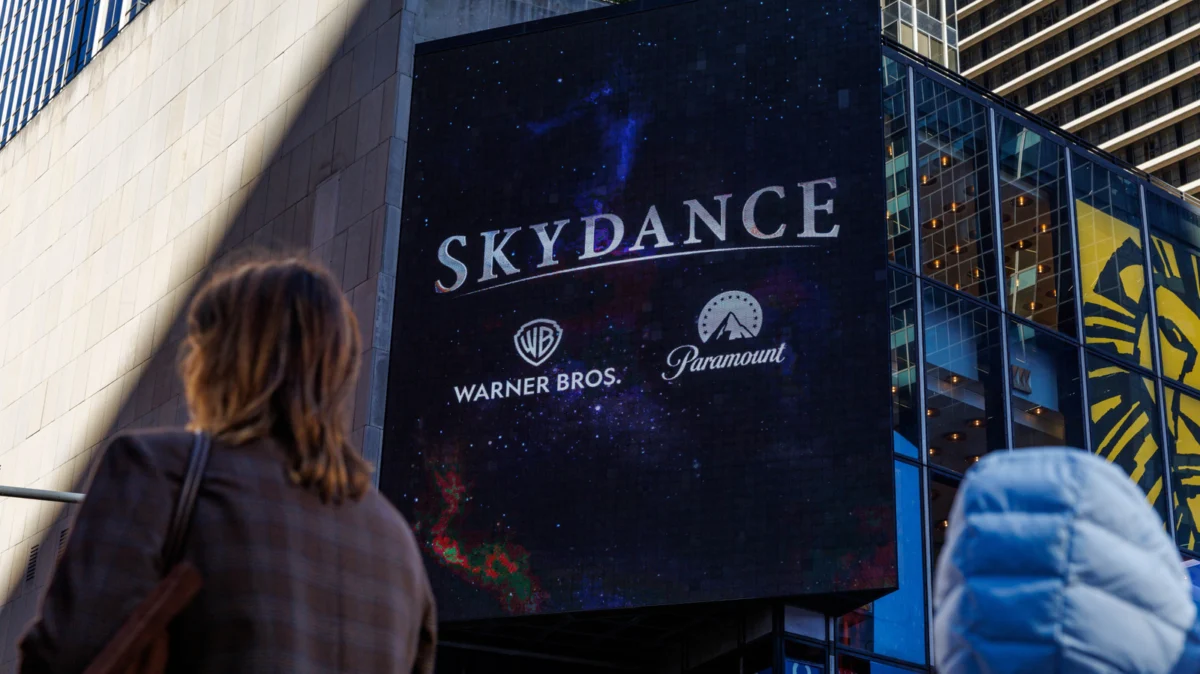
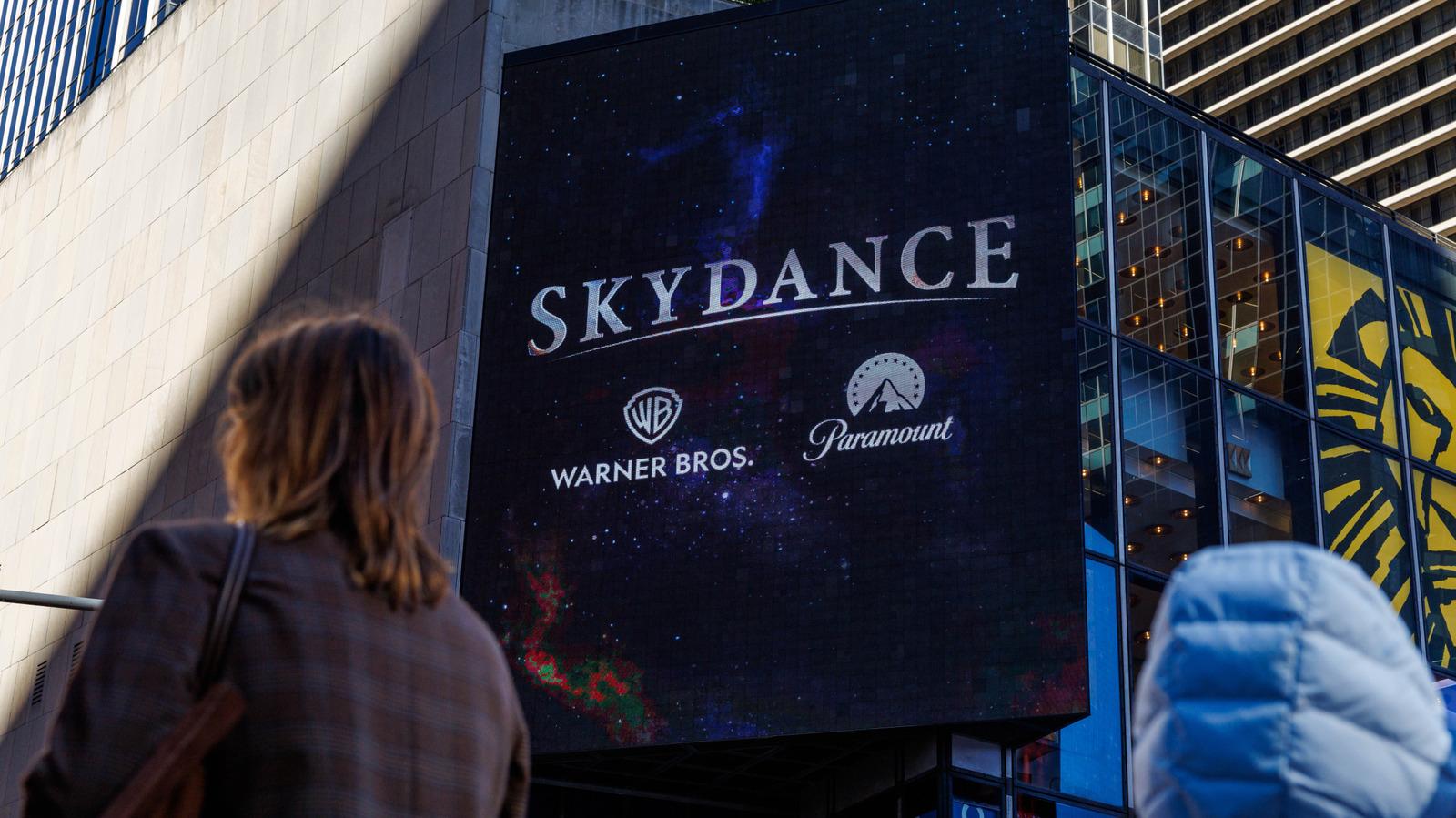
The landscape of modern entertainment underwent a seismic shift this week as Skydance officially finalized its $110 billion acquisition of Warner Bros. Discovery. This monumental deal, which marks the birth of a new global media juggernaut, promises to reshape how consumers access prestige television, blockbuster cinema, and unscripted content. Central to the company’s forward-looking strategy is a commitment to "unify" its disparate streaming platforms—HBO Max, Paramount+, and Discovery+—into a single, monolithic digital destination.
For subscribers, this announcement represents the next evolution in the "streaming wars," where the focus has pivoted from rapid user acquisition to the brutal, necessary math of profitability and operational efficiency. While the consolidation of these massive libraries offers the promise of a "one-stop-shop" entertainment experience, it also brings significant uncertainty regarding pricing, platform stability, and the future of creative independence within the newly formed conglomerate.
A Chronology of the Mega-Merger
The path to this consolidation was anything but smooth. The merger process, which spanned nearly a year, faced intense regulatory scrutiny and significant legal headwinds.
The Regulatory Hurdle
The road to the $110 billion acquisition was nearly derailed by a multi-state antitrust lawsuit. Regulators expressed deep concerns that the concentration of such vast intellectual property—ranging from the Game of Thrones universe to the Star Trek franchise—would stifle competition and leave consumers with fewer viable choices. The lawsuit, which gained momentum in the summer of 2025, forced Skydance and its partners into a defensive position.
The Settlement and Closing
The standoff finally broke in late September, when Paramount and Warner Bros. Discovery reached a settlement with state authorities. The agreement, which involved concessions regarding content licensing and operational transparency, cleared the final barrier for the acquisition. With the ink now dry, the focus has shifted from legal maneuvering to the gargantuan task of corporate integration.
The Vision of David Ellison
Since the deal was first proposed, Skydance CEO David Ellison has been clear about his ambition: to create a lean, technologically superior, and content-rich streaming powerhouse. By combining these services, the new company aims to reach a combined subscriber base of over 200 million direct-to-consumer users, positioning itself as a primary competitor to Netflix and Disney+.
Supporting Data: The Anatomy of a Giant
To understand why Skydance is pursuing this consolidation, one must look at the data. The current streaming market is characterized by high churn rates and mounting debt.
The Debt Burden
The acquisition was not merely an exchange of stock; it was a transaction loaded with significant financial weight. Skydance has inherited a substantial amount of debt from both Warner Bros. Discovery and Paramount. Industry analysts note that this debt is a primary driver behind the move to unify streaming apps. By reducing the overhead of maintaining three separate technology stacks, marketing budgets, and infrastructure teams, the company hopes to achieve "synergies"—corporate shorthand for cost-cutting—that will appease investors and stabilize the balance sheet.
The Subscriber Math
The proposed "super-service" would possess one of the most robust content libraries in history.
- Prestige Content: HBO’s critically acclaimed original programming remains the crown jewel, offering high-value series that drive long-term retention.
- The Paramount Vault: With Star Trek, Mission: Impossible, and the vast CBS archive, Paramount+ provides the breadth of content necessary to attract families and casual viewers.
- The Reality Factor: Discovery+ brings a massive volume of unscripted, "sticky" content—documentaries, lifestyle programming, and reality TV—which has proven to be essential for maintaining daily active user engagement.
By merging these, Skydance is betting that the "bundle" will become an indispensable utility in the average household.
Official Responses and Leadership Shifts
The leadership team at Skydance has been quick to frame the consolidation as a win for creators and consumers alike. A critical part of this transition is the strategic placement of key talent.
The Role of Casey Bloys
Perhaps the most significant signal of the new company’s direction is the appointment of HBO CEO Casey Bloys to the role of Co-Chair and Chief Content Officer of Skydance DTC (Direct-to-Consumer). This move suggests that the company is eager to apply the "HBO quality" standard to the broader platform.
In a recent internal memo, Ellison emphasized that while the apps will merge, the integrity of the creative process must remain intact. "HBO will continue to operate with independence," Ellison stated, assuring stakeholders that the prestige label that defined the last three decades of television will not be diluted by the influx of reality programming.
The Reality of Personnel
Despite the optimistic tone from the C-suite, the reality for the rank-and-file employees is starker. Skydance has already issued formal warnings regarding impending layoffs. As is common in mergers of this magnitude, the overlap in departments—HR, marketing, legal, and software engineering—is considered "redundant." The industry expects a period of significant workforce reduction as the company trims the fat to align with its new, unified operational structure.
Implications for the Consumer
For the average subscriber, the news of a "unified" service brings a mix of excitement and anxiety.
The "Max" Precedent
Consumers have a recent case study to look at: the transition of HBO Max to "Max." When Discovery content was folded into the platform in 2023, the goal was to broaden the appeal of the service. While the move was successful in increasing total content volume, it also sparked debate among purists who felt the "prestige" branding of HBO was being muddied by the inclusion of low-budget reality series. Skydance is now tasked with navigating a similar, albeit much larger, brand-identity crisis.
Pricing and Inflation
The most pressing question for users is the price tag. Historically, every major streaming merger has resulted in price hikes. With the high cost of debt service and the ongoing investment required for original content production, it is highly probable that the new service will carry a premium price.
Analysts suggest that Skydance may adopt a tiered structure. A "base" tier might include the consolidated content with advertisements, while a "premium" tier—perhaps branded as an "HBO-first" experience—would likely see a price increase. Consumers are advised to prepare for a transition that may phase out legacy, lower-priced plans in favor of these new, potentially more expensive, packages.
Platform Stability and UX
Beyond the content, the technical integration of these services is a monumental engineering challenge. Migrating millions of user profiles, watch histories, and billing information from three distinct backends into one is a process fraught with potential for glitches. Users should anticipate a period of transition where app updates, login issues, and interface changes will be the new normal.
Looking Ahead: The Future of the Unified Service
As Skydance moves forward, the industry will be watching closely to see if this strategy yields the growth they promise. The challenge is not just technical or financial; it is cultural. Can a single app successfully host the gritty, complex dramas of HBO alongside the comfort-food reality of the Discovery catalog and the blockbuster franchise power of Paramount?
If the company can maintain the high quality of its flagship content while providing the convenience of a centralized hub, they may successfully define the next era of media. However, if they fail to manage the costs and the user experience, they risk alienating the very audience they have worked so hard to capture.
For now, the message from the corner offices in Los Angeles is one of consolidation and strength. But behind the corporate jargon of "synergy" and "unified service" lies a transformation that will eventually reach the living rooms of millions, fundamentally altering how we discover, pay for, and consume the stories that define our culture. The merger is closed, but the real work—the work of building the future of television—has only just begun.
