
A Modern Austen Revival: Reviewing Georgia Oakley’s ‘Sense and Sensibility’ (2026)
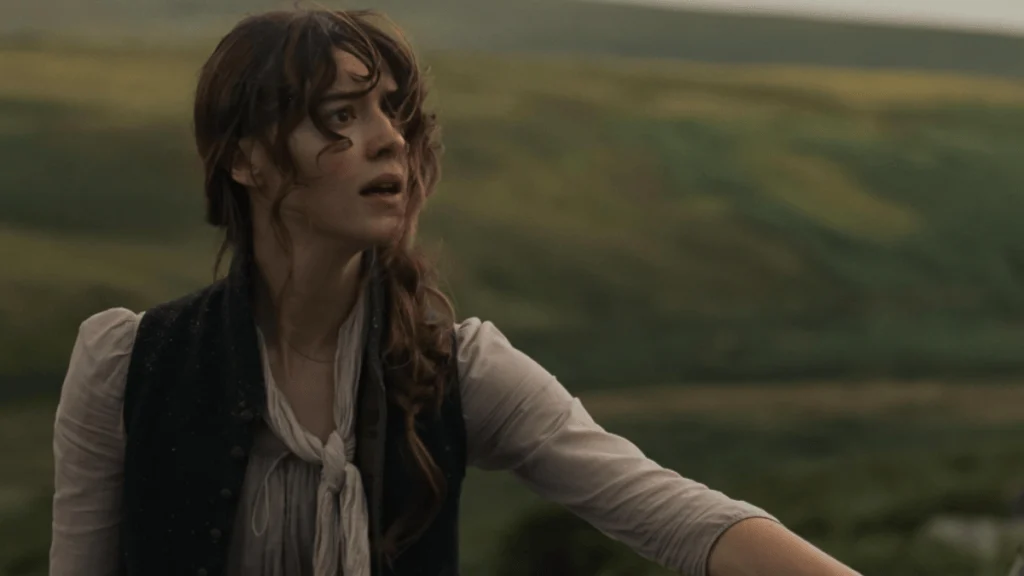
In the landscape of contemporary cinema, few literary wells are as frequently—or as successfully—drawn from as those of Jane Austen. Following a long lineage of adaptations, director Georgia Oakley presents a 2026 iteration of Sense and Sensibility that balances the weight of tradition with a refreshing, earnest sincerity. With a screenplay penned by Diana Reid, the film serves as both a respectful homage to Austen’s 1811 masterpiece and a standalone exploration of the enduring tension between human passion and social obligation.
Anchored by a luminous performance from Daisy Edgar-Jones and a breakout turn by Esmé Creed-Miles, the film arrives as a significant entry in the fall cinematic season, challenging audiences to reconsider what it means to seek love in a world dictated by economic survival.
Main Facts: The Core of the Production
Georgia Oakley’s Sense and Sensibility is a sprawling, period-accurate production that centers on the displaced Dashwood sisters. The film features an ensemble cast that bridges the gap between established industry stalwarts and rising stars.
- Director: Georgia Oakley
- Screenplay: Diana Reid (based on the novel by Jane Austen)
- Key Cast: Daisy Edgar-Jones (Elinor Dashwood), Esmé Creed-Miles (Marianne Dashwood), George MacKay (Edward Ferrars), Caitríona Balfe (Mrs. Dashwood), and Fiona Shaw (Mrs. Jennings).
- Genre: Period Drama / Romance
- Release Year: 2026
- Rating: 7.5/10
The film’s aesthetic identity leans into a grounded, tactile reality. Unlike the often stylized, heightened romanticism of some previous Austen adaptations, Oakley’s lens is focused on the quiet, often painful, domestic shifts that define the Dashwood family’s fall from grace.
Chronological Narrative: The Dashwood Journey
The narrative structure follows the familiar beats of the source material with a steady, if occasionally deliberate, pace. Following the death of their patriarch, Elinor (Edgar-Jones) and Marianne (Creed-Miles) find themselves in a precarious financial position. The film documents their forced migration from their family estate to the more modest cottage at Barton Park.
The Divergent Paths of Heart and Mind
The film establishes its central conflict early: the duality of human nature. Marianne is introduced as the embodiment of "sensibility"—all raw, unbridled emotion and romantic idealism. In contrast, Elinor represents "sense"—the stoic protector who prioritizes duty and decorum over her own yearning heart.
As the story progresses, these two archetypes are put to the test. Marianne’s impulsive nature leads her toward the turbulent promise of passion, while Elinor’s cautious temperament forces her into the shadows of unrequited love. The chemistry between Edgar-Miles and Creed-Miles serves as the film’s heartbeat, capturing the sisterly bond that remains the bedrock of the story, even as the world around them threatens to tear them apart.
The Arrival of the Suitors
The introduction of Edward Ferrars (George MacKay) provides the necessary friction for the plot. MacKay, known for his transformative work in The Beast, plays Ferrars with a subtle, grounded sophistication. He is a man caught between his own moral compass and the crushing expectations of his family. His scenes with Edgar-Jones are a masterclass in restrained longing, highlighting the "slow burn" pacing that defines the film’s second act.

Supporting Data: Performance and Character Analysis
The success of Sense and Sensibility (2026) rests heavily on its character-driven focus. The ensemble cast elevates the script beyond a simple period piece into a character study of 19th-century survival.
The Supporting Ensemble
- Caitríona Balfe (Mrs. Dashwood): Balfe provides a poignant, emotional anchor for the family. In her limited, high-impact screen time, she captures the quiet terror of a mother witnessing her daughters’ futures hang in the balance.
- Fiona Shaw (Mrs. Jennings): The legendary actress provides the film’s essential comic relief. Her portrayal of the boisterous, well-meaning, and meddling Mrs. Jennings is a tour-de-force, injecting the narrative with a vitality that balances the more somber notes of the sisters’ struggle.
- Stacy Martin (Fanny Dashwood): Martin excels as the antagonist of the piece. Her portrayal of Fanny’s cold, calculated insincerity serves as the primary catalyst for the family’s misfortune, creating the tension required to drive the plot forward.
- Bodhi Rae Breathnach (Margaret Dashwood): As the youngest sister, Breathnach brings a necessary layer of youthful innocence to the production, humanizing the family’s plight with her charismatic, albeit brief, presence.
Official Responses and Creative Vision
Director Georgia Oakley has described this adaptation as a conscious effort to peel back the layers of "polite society" to reveal the raw desperation underneath. In production notes, the team highlighted the intent to make the characters feel like contemporary people trapped in an antiquated system.
The visual language of the film—often compared to the 2005 Pride and Prejudice for its earthy, tactile textures—was a deliberate choice. Oakley aimed to move away from the "postcard" version of the English countryside, opting instead for a portrayal of rural life that feels lived-in and occasionally harsh. While the pacing has been described by some as "sluggish," supporters of the film argue that this deliberate tempo is necessary to allow the emotional stakes of the sisters’ predicament to truly settle with the audience.
Implications: The Enduring Relevance of Austen
Why return to Sense and Sensibility in 2026? The film poses a question that remains as pertinent today as it was in 1811: What is the true cost of security, and can it ever outweigh the price of personal happiness?
A Modern Critique of Wealth
The film does not shy away from the economic realities of the Dashwoods. It effectively communicates that for women of this era, marriage was not merely a romantic pursuit; it was a business transaction, a life-saving measure, and a trap all in one. By emphasizing this, the 2026 adaptation highlights a timeless frustration: the feeling that one’s life is being dictated by external, cold-hearted financial factors.
Comparisons and the Legacy of Adaptation
The inevitable comparisons to the 1995 Ang Lee version or the 2005 Pride and Prejudice are inevitable. While the 1995 version is often praised for its distinctively bright and witty tone, this 2026 version offers a more melancholic, earnest, and deeply interior experience. It is a film for the "slow cinema" enthusiast, one that prioritizes the psychological development of its leads over the fast-paced wit of the original text.
The Final Verdict
Despite its occasional slow spots, Sense and Sensibility (2026) succeeds because it treats its subject matter with absolute sincerity. It does not attempt to modernize the story with anachronisms; instead, it allows the universal nature of the struggle to speak for itself. It is a beautiful, heart-wrenching, and ultimately hopeful film that reaffirms why the work of Jane Austen remains the gold standard for romantic storytelling.
For fans of the genre, the film offers a satisfying emotional payoff. It is a testament to the fact that, regardless of the era, the quest for a love that can survive the pressures of the world is a narrative that will never go out of style. As the final scenes play out, the audience is left with a reminder that while money can buy comfort, it is the pursuit of genuine connection that defines the trajectory of a human life.
