
The Eternal Echo of the Mothership: Why ‘Close Encounters’ Remains the Gold Standard of Sci-Fi
By Jake Dee
Published October 6, 2026
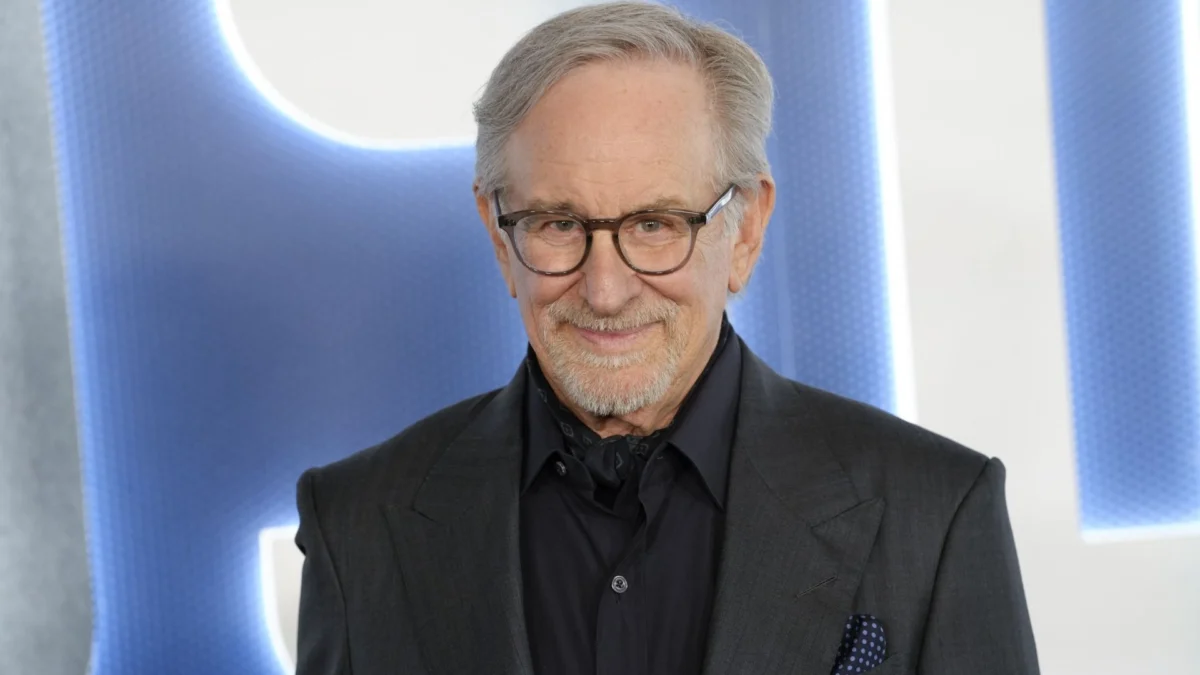
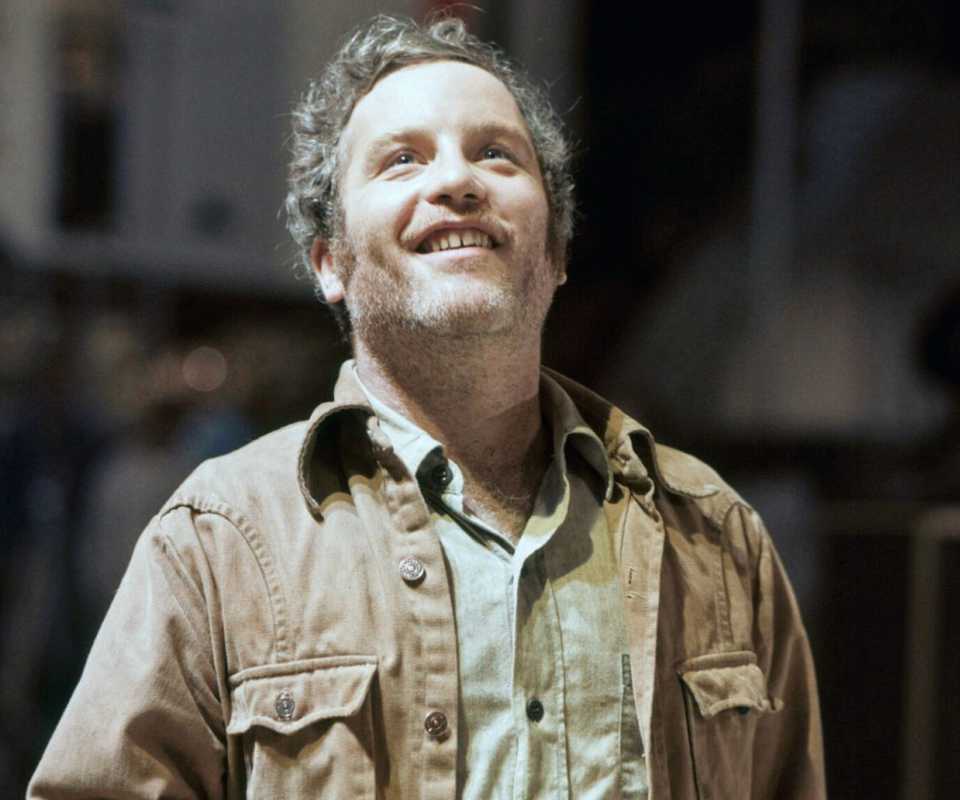
Steven Spielberg has spent the better part of five decades defining the cinematic language of the unknown. From the shark-infested waters of Jaws to the prehistoric majesty of Jurassic Park, his filmography is a testament to the power of spectacle. Yet, it is his obsession with the cosmic—the "alien visitation" narrative—that arguably serves as the backbone of his creative identity. While he has explored the terrifying possibilities of hostile invaders in War of the Worlds, his most profound work remains rooted in the concept of connection. As we approach the 49th anniversary of his seminal masterpiece, Close Encounters of the Third Kind, the film stands not just as a piece of history, but as a vital, breathing blueprint for modern science fiction.
With the upcoming release of the highly anticipated Disclosure Day on Peacock this October 9, 2026, the cultural conversation surrounding extraterrestrial life has returned to the forefront. It is a fitting moment to look back at the film that taught a generation to look toward the stars not with fear, but with wonder.
The Genesis of a Masterpiece: Main Facts and Context
Released on November 16, 1977, Close Encounters of the Third Kind was a labor of love that sprung from Spielberg’s childhood fascination with UFO sightings. Unlike the cynical, paranoid thrillers that dominated the late 1970s, Close Encounters dared to present a narrative where the "other" was not a monster to be destroyed, but a mystery to be solved.
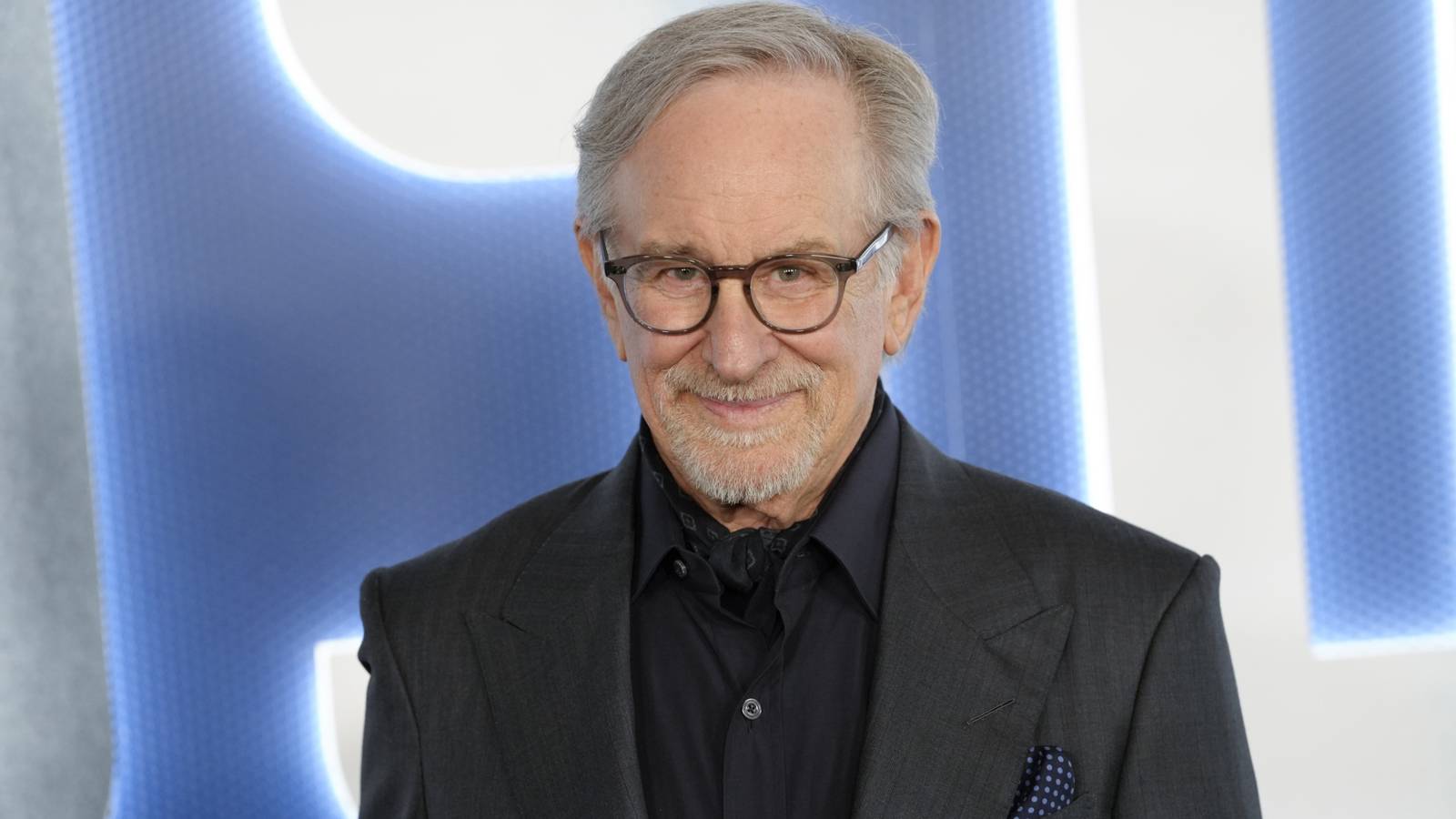
The film follows Roy Neary (Richard Dreyfuss), a blue-collar Indiana utility worker whose life is upended after a routine call-out leads to an encounter with an unidentified flying object. As he becomes obsessed with the visions and sounds implanted in his mind—most notably the five-note musical motif that serves as the film’s linguistic bridge—he is drawn toward Devil’s Tower, Wyoming. Simultaneously, the film follows a global effort by scientists, led by the enigmatic Claude Lacombe (François Truffaut), to track and communicate with the visitors.
The core tension of the film—and the question that Spielberg has returned to repeatedly throughout his career—is whether these visitors are arriving with hostile intent or a peaceful agenda. By choosing the latter, Close Encounters carved out a unique space in the genre, effectively shifting the paradigm of alien cinema away from the B-movie creature features of the 1950s and toward a more intellectual, emotional, and awe-inspiring experience.
A Chronology of Cosmic Curiosity
Spielberg’s relationship with extraterrestrials has been a lifelong evolution, one that mirrors the growth of the medium itself.
- 1964: The Amateur Beginnings: At just 17, Spielberg directed Firelight, an independent feature that laid the conceptual groundwork for his future work. It was here that he first experimented with the idea of alien visitation, proving that his fascination with the cosmos predated his professional career.
- 1977: The Arrival: Close Encounters of the Third Kind hit theaters, changing the landscape of sci-fi forever. It was a massive financial success, grossing over $306 million worldwide against a modest $19.4 million budget.
- 1982: The Universal Heart: E.T. the Extraterrestrial followed, shifting the lens from the awe of the "third kind" to the intimate, domestic impact of alien contact.
- 2005: The Darker Side: With War of the Worlds, Spielberg explored the terror of invasion, providing a necessary counterpoint to his earlier, more optimistic works.
- 2026: The New Discourse: As Disclosure Day makes its debut on Peacock, the cycle continues. The film acts as a spiritual successor to the themes established in 1977, examining how modern society—with its rapid technological advancements and corporate secrecy—would handle the reality of extraterrestrial existence.
Supporting Data: Why It Remains the Benchmark
The enduring legacy of Close Encounters is supported by more than just nostalgia. Its critical reception and cultural footprint remain unmatched. With a 91% approval rating on Rotten Tomatoes as of October 2026, the film is widely considered the apex of Spielberg’s alien filmography.

In 2007, the U.S. Library of Congress rightfully inducted Close Encounters into the National Film Registry, citing it as "culturally, historically, or aesthetically significant." This designation is rare for science fiction, acknowledging that the film did more than just offer state-of-the-art visual effects; it captured the zeitgeist of a changing world.
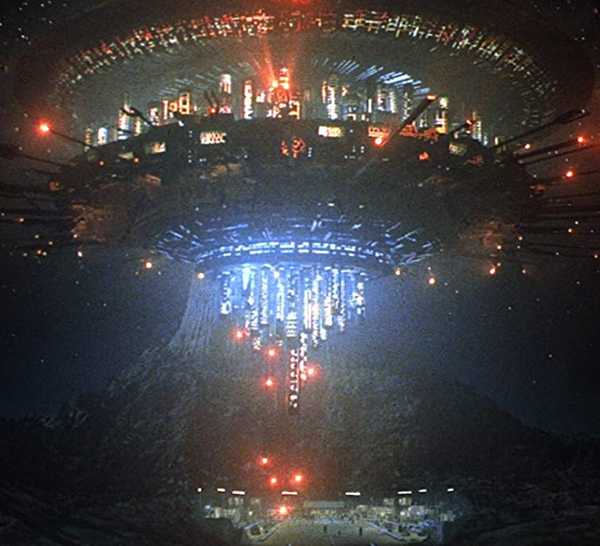
The technical brilliance—provided by visual effects pioneer Douglas Trumbull and cinematographer Vilmos Zsigmond—created a visual language that feels as authentic today as it did nearly five decades ago. When coupled with John Williams’ iconic, Academy Award-nominated score, the film achieves a level of emotional resonance that most modern blockbusters struggle to replicate.
Official Responses and Cultural Impact
Historically, the scientific community and the film industry have viewed Close Encounters as a pivotal moment in the "UFOlogy" movement within pop culture. While the government of 1977 was largely silent regarding extraterrestrial research, the film served as a mirror to the public’s growing desire for transparency.
The "cover-up" narrative in the film—where the government attempts to suppress information about the visitors—was not merely a plot device; it was a reflection of the post-Watergate distrust of authority. This theme has only grown more relevant. As we look at current debates regarding Unidentified Anomalous Phenomena (UAP) and the potential for official disclosure, the central conflict of the film—the struggle between those who wish to hide the truth and those who wish to reach out—is more pertinent than ever.
In the lead-up to Disclosure Day, producers have noted that they drew heavily from the "sense of mystery and existential dread" found in Spielberg’s work. The film’s influence on the current creative landscape is undeniable, proving that Close Encounters wasn’t just a movie, but a cultural touchstone that shaped how we expect to interact with the unknown.
Implications: The Legacy of Peaceful Contact
Why does Close Encounters of the Third Kind continue to resonate as we approach its 50th year? The answer lies in its optimism. In an era where modern media is saturated with dystopian visions of the future, Spielberg’s film offers a rare, hopeful alternative. It posits that the "unknown" is not something to be feared, but something to be understood.
As we prepare for the streaming debut of Disclosure Day, the pairing of these two films offers a fascinating study in contrast and continuity. While Disclosure Day leans into the modern, cynical reality of corporate and government-led information gatekeeping, Close Encounters reminds us of the individual’s capacity for wonder.
The technological gap between 1977 and 2026 is immense. We now live in an age of instant information, where the mystery of the skies is constantly poked, prodded, and analyzed by social media sleuths and advanced sensor technology. Yet, Close Encounters survives because it isn’t about the technology; it’s about the human experience of being confronted by something greater than ourselves.
The Invitation to Watch
With the film currently available for free on YouTube, the barrier to entry has never been lower. For those who have never seen it, it is a rite of passage. For those who have, it is a necessary revisit.
As the world turns its gaze toward the sky once again this October, we are reminded that whether we are looking through the lens of 1977 or the high-definition reality of 2026, the question remains the same: Are we alone? And if we aren’t, are we ready for the conversation?
Steven Spielberg provided the answer almost 50 years ago. He suggested that if we build the mountain, if we learn the melody, and if we approach with curiosity rather than a weapon, we might just find that the universe is far more welcoming than we ever dared to imagine. As Disclosure Day brings these questions back into the spotlight, Close Encounters remains the perfect, glowing lighthouse, guiding us toward a future where we finally make contact.
Don’t miss the opportunity to revisit this classic. It is not just a film; it is a monument to the human spirit’s refusal to stop looking up.
