
James Costa On ‘NAZA’ Controversy, Oscar Season And Deadline’s FTLOD
The modern landscape of documentary filmmaking occupies a volatile intersection of art, journalism, and geopolitical risk. As streaming platforms, theatrical distributors, and festival curators navigate an increasingly complex media ecosystem, the stakes for nonfiction storytellers have never been higher.
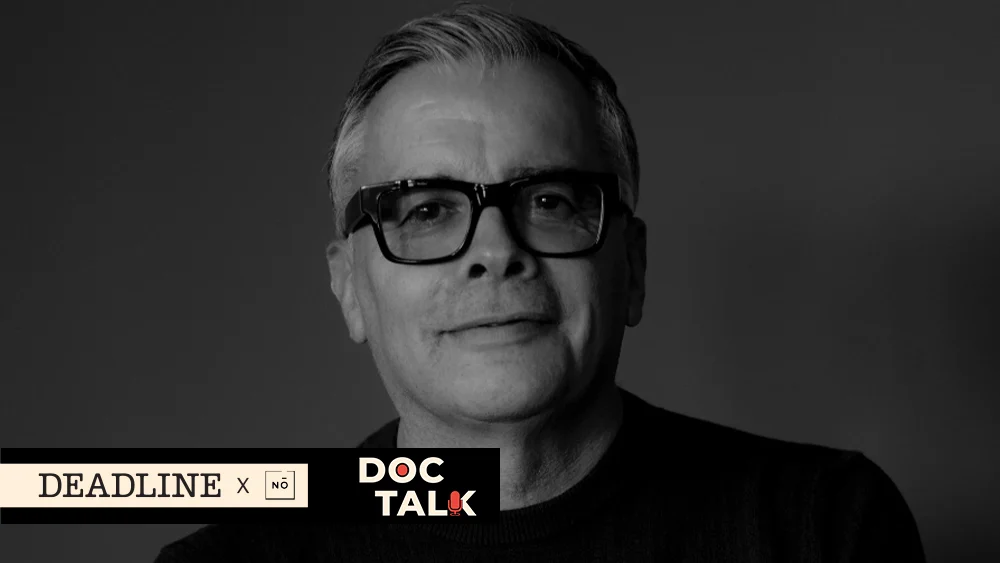
On the latest episode of Deadline’s Doc Talk podcast—co-hosted by Oscar winner John Ridley (12 Years a Slave, Shirley) and Deadline Senior Documentary Editor Matt Carey—veteran producer and executive producer James Costa steps behind the microphone. Costa, whose extensive credits include All the Empty Rooms, Closure, Free Leonard Peltier, Welcome to Chechnya, Queendom, The Dating Game, and Sara Bareilles: Good Grief, brings decades of industry experience to a wide-ranging conversation.
Recorded in partnership with National Geographic Documentary Films, the new episode unpacks the curation of Deadline’s fall For the Love of Docs virtual series, analyzes an unpredictable and late-breaking Academy Award race, and directly addresses the mounting political controversies threatening the safety and citizenship of contemporary documentary filmmakers.
Main Facts: The Intersection of Curation, Competition, and Controversy
The latest installment of Doc Talk centers on three core pillars shaping the nonfiction film industry:
- The Fall Slate: James Costa details his annual process of curating Deadline’s For the Love of Docs virtual screening series. The initiative offers guild members and the general public free access to awards-contending documentaries, serving as a vital support mechanism for the documentary community.
- An Unconventional Oscar Race: Unlike previous years—most notably 2025, when the entire slate of Academy Award Best Documentary Feature nominees premiered early at the Sundance Film Festival—the current awards cycle is defined by "late-breaking" contenders emerging from fall festivals in Venice, Telluride, and Toronto.
- The NAZA Controversy: The conversation addresses the intense political fallout surrounding NAZA, a new documentary directed by Yuval Abraham and Rachel Szor. The film, which features whistleblowers criticizing Israel’s military actions in Gaza, has triggered retaliatory measures from Israeli Prime Minister Benjamin Netanyahu, drawing strong rebukes from organizations like the International Documentary Association (IDA).
Chronology: From Festival Previews to Legislative Retaliation
To understand the current state of documentary cinema, one must trace the timeline of key developments defining the 2026 awards and advocacy landscape:
- Early 2025: The documentary ecosystem follows a traditional trajectory, with the eventual Oscar nominees for Best Documentary Feature making their debut appearances at the Sundance Film Festival in January.
- Late Summer / Early Fall 2026: The festival circuit shifts the paradigm. Major international showcases—including the Venice International Film Festival, the Telluride Film Festival, and the Toronto International Film Festival (TIFF)—debut a wave of potent nonfiction projects, turning the traditional release calendar on its head.
- September 2026: A secret screening of the Elizabeth Holmes documentary You Can See Everything dominates conversations at Telluride, instantly establishing it as a major talking point. Concurrently, Yuval Abraham and Rachel Szor debut NAZA.
- Mid-September 2026: Following the premiere of NAZA, Israeli Prime Minister Benjamin Netanyahu publicly denounces the film and advances legislative proposals aimed at stripping Abraham and Szor of their Israeli citizenship.
- Late September 2026: The International Documentary Association (IDA) issues a formal letter condemning the threats against the filmmakers. James Costa joins Doc Talk to analyze the implications of these attacks on free expression and documentary integrity.
- Fall 2026: Deadline launches its For the Love of Docs virtual series, showcasing a curated slate of independent and award-winning nonfiction films free of charge to the public, guild members, and filmmakers.
Supporting Data: The 2026 For the Love of Docs Lineup
As part of his ongoing collaboration with Deadline and National Geographic Documentary Films, James Costa selected a formidable slate of titles for the fall For the Love of Docs series. Designed to elevate vital stories without financial barriers for creators or audiences, this year’s featured lineup includes:
- Seized – Directed by Sharon Liese, this gripping feature explores high-stakes human experiences through a meticulous investigative lens.
- Everybody to Kenmure Street – Helmed by Felipe Bustos Sierra, the film captures powerful acts of community resistance and solidarity.
- Ask E. Jean – Directed by Ivy Meeropol, this project dives deep into cultural touchstones, accountability, and the public sphere.
- The Life We Leave – Directed by J.J. Gerber, offering an intimate and evocative look at human resilience.
- To Hold a Mountain – Directed by Biljana Tutorov and Peter Glomazić. Notably, this film arrives carrying significant momentum after winning the prestigious Grand Jury Prize for World Cinema Documentary at the Sundance Film Festival.
Official Responses: The Battle Over Artistic Freedom and State Retaliation
The most urgent segment of the Doc Talk episode centers on the escalating tensions between state powers and documentary filmmakers. NAZA—co-directed by Yuval Abraham and Rachel Szor, who previously shared an Academy Award for No Other Land—focuses on whistleblowers shedding light on civilian casualties in Gaza.
The documentary’s unflinching subject matter prompted immediate state-level pushback. Prime Minister Benjamin Netanyahu launched a public denunciation of the directors, moving forward with legislative strategies designed to strip them of their Israeli citizenship as punishment for their creative output.
This governmental retaliation prompted a swift institutional defense:
- The International Documentary Association (IDA): The organization issued a formal letter condemning the threats, harassment, and legislative actions directed at Abraham and Szor. The IDA underscored that documentary filmmakers must be allowed to interrogate state actions and human rights abuses without facing state-sponsored intimidation or the revocation of their legal rights.
- James Costa’s Perspective: Drawing on his tenure as co-president of the board of the IDA, Costa offers expert analysis on the podcast regarding the gravity of the situation. He outlines the historical precedent of filmmakers facing political blowback and emphasizes the absolute necessity for guild solidarity and institutional protection when documentarians are targeted for their investigative reporting.
Implications: A Paradigm Shift for Nonfiction Cinema
The convergence of late-breaking festival favorites, shifting distribution models, and severe geopolitical friction signals profound changes for the documentary community:
1. The Death of the Predictable Awards Cycle
The dominance of fall festival entries over early-year Sundance premieres proves that the Academy Award race for Best Documentary Feature is becoming more fluid. Documentarians are increasingly holding their projects for major autumn platforms like Venice, Telluride, and Toronto, creating a compressed, high-intensity awards season where late-arriving films can seize momentum overnight.
2. Heightened Risks for Political Documentarians
The threats against Yuval Abraham and Rachel Szor serve as a chilling reminder that nonfiction filmmaking is viewed by some political regimes not merely as art, but as a direct threat. When governments attempt to strip citizenship or penalize creators for exposing uncomfortable truths, the international film community faces an urgent challenge: defending freedom of speech across borders. Organizations like the IDA and industry leaders like James Costa emphasize that protecting individual artists is foundational to safeguarding the entire medium.
3. Democratizing Access Through Digital Curation
Initiatives like Deadline’s For the Love of Docs, supported by National Geographic Documentary Films and curated by producers like Costa, highlight the vital role of alternative distribution pathways. By removing paywalls for guild voters and the general public, these virtual screenings ensure that socially urgent, aesthetically ambitious documentaries find their audiences regardless of commercial studio backing.
Listen to the Episode
For a deeper dive into these topics—ranging from the intricacies of producing award-winning nonfiction to the frontline defense of persecuted filmmakers—listen to the full episode of Doc Talk.
Hosted by John Ridley and Matt Carey, and produced by Deadline and Nō Studios, the episode is available now on major podcast platforms, including Spotify, Apple Podcasts, and iHeart.
