
Navigating the Shift: The American Film Market Launches Global Screen Economy Summit to Address Industry Transformation
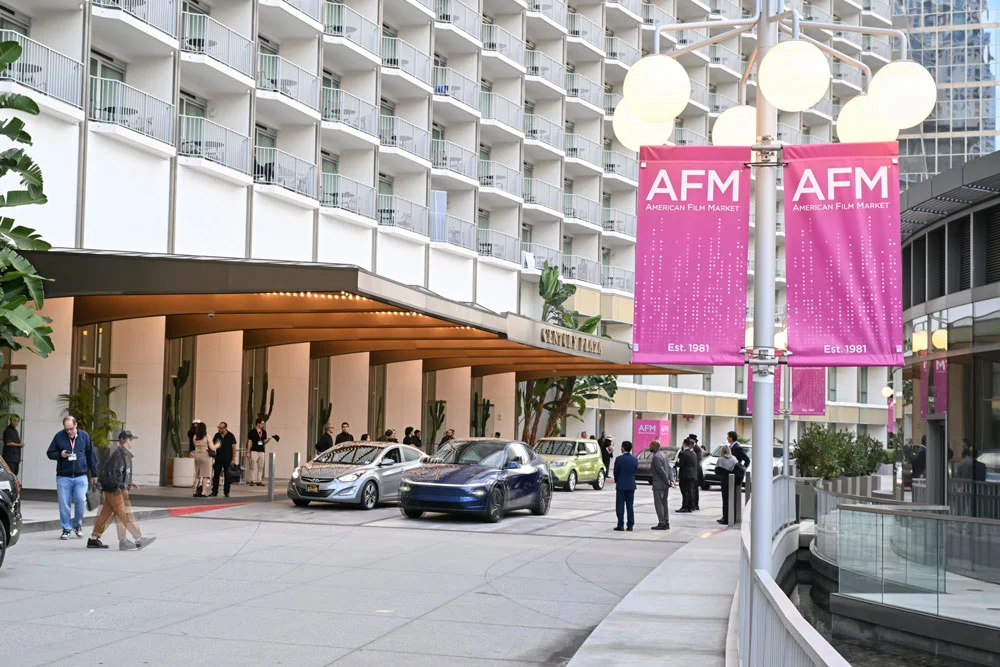
LOS ANGELES — As the entertainment landscape undergoes its most radical restructuring since the advent of television, the American Film Market (AFM) is staking out new territory. The Independent Film & Television Alliance (IFTA), the producing body behind the prestigious indie film bazaar, has announced the launch of its inaugural Global Screen Economy Summit, a marquee half-day forum designed to unpack the pressures of corporate consolidation, artificial intelligence, and the booming creator economy.
Set for November 10, the high-stakes forum anchors an ambitious, expanded conference program for AFM’s 47th edition, running from November 10 to 15 at the Fairmont Century Plaza in Los Angeles. Following its successful revitalization and relocation to Century City last year, IFTA is doubling down on its commitment to examine how content is financed, produced, and consumed across screens of every conceivable size.
Main Facts: A Transformed Market for a Transformed Industry
The upcoming 47th edition of the American Film Market is charting a bold new course for independent cinema and global media commerce. Far from a traditional marketplace focused purely on transactional sales, the 2025/2026 iteration of AFM is positioning itself as an intellectual and strategic hub for an industry grappling with existential shifts.
- The Global Screen Economy Summit: The centerpiece of the expanded programming, this half-day forum debuts on November 10. It features an opening keynote address by Jackie Brenneman, the newly appointed president and CEO of IFTA, and a high-profile macro-analysis keynote by veteran industry analyst Evan Shapiro.
- Unprecedented Scale: The overall conference program will feature over 45 individual sessions, marking a significant expansion designed to capture the attention of producers, financiers, distributors, and creators alike.
- High-Level Conversations: The schedule boasts intimate, forward-looking fireside chats and informal conversations with heavyweights such as Amy Baer, president of film and television at Artists Equity, and Stuart Ford, chairman and CEO of AGC Studios.
- Prime Location: The market will once again anchor itself at the luxurious Fairmont Century Plaza in Los Angeles, maintaining the vibrant central hub established during last year’s successful Century City rebirth.
Chronology of Evolution: From Traditional Sales to the Multi-Screen Era
To understand the weight of IFTA’s announcements for the upcoming market, one must look at the recent trajectory of the American Film Market and the broader independent sector it serves.
The Pre-Pandemic Baseline
For decades, the AFM operated as a massive, traditional trading floor. International sales agents, independent producers, and foreign distributors converged in Santa Monica year after year to buy and sell territorial rights based largely on pre-sales models, star cast attachments, and predictable home-video and theatrical pipelines.
The Streaming Disruption and Pandemic Shockwaves
The late 2010s and early 2020s brought systemic shocks. The aggressive rise of subscription video-on-demand (SVOD) streaming services disrupted traditional theatrical windows and dismantled foreign pre-sales financing. Just as the industry sought stability, the global pandemic accelerated consumer shifts, forcing stakeholders to re-evaluate how content reaches audiences.
The Century City Rebirth (2024)
Recognizing that the old playbook was obsolete, IFTA executed a strategic overhaul, relocating the market to Century City. This move signaled a leaner, more modern convention layout tailored to an industry where boundaries between theatrical features, streaming originals, and digital-first content were rapidly dissolving.
The Road to November 2025/2026: The Global Screen Economy Summit
With the announcement of the inaugural Global Screen Economy Summit, IFTA is completing its evolution from a purely transactional marketplace into a vital year-round thought-leadership ecosystem. By frontloading the market with forward-looking panels on AI, domestic production incentives, and the new studio system, the organization is engineering a proactive response to persistent industry volatility.
Supporting Data and Program Breakdown: Decoding the 45+ Sessions
The breadth of AFM’s expanded conference slate reflects an industry attempting to map out entirely new rules of engagement. With more than 45 sessions scheduled, the programming is strategically segmented to address financial engineering, technological disruption, and shifting consumer habits.
Financial Engineering and the "New Math"
The traditional methods of funding independent cinema—relying heavily on foreign minimum guarantees and domestic theatrical box-office projections—have been profoundly altered. AFM’s economic panels aim to provide actionable frameworks for producers navigating tight capital markets:
- The New Math of Independent Film: A dedicated panel featuring financial and operational experts from Cold Iron Pictures, Wrapbook, Ashland Hill Media Finance, and Legion M will deconstruct modern capital stacks, equity financing, and alternative revenue streams.
- Preserving Domestic Infrastructure: Amid growing concerns over runaway production, a prominent panel will dissect a proposed federal production incentive designed to keep Hollywood film production anchored within the United States.
- New Film Financing Strategies: Sessions will explore how private equity, high-net-worth individuals, and tax credit monetization are filling the gaps left by risk-averse legacy studios.
Technological Disruption: AI and Discovery
Technology is no longer a peripheral topic in Hollywood; it is an operational reality reshaping every tier of production and distribution.
- Artificial Intelligence: Highlighted extensively within the dedicated AFM House programming, AI will be analyzed through both a creative lens (script analysis, post-production efficiencies, digital doubles) and a legal/ethical lens (copyright issues, labor protections).
- New Rules of Discovery & Audience Building: With algorithmic gatekeepers and social media platforms dominating consumer attention, this panel addresses how modern marketers break through the noise without relying solely on massive traditional media spends.
- The New IP Value Chain: Storytellers are no longer bound by traditional book-to-screen pipelines. This session explores how intellectual property is incubated across podcasts, webtoons, video games, and social media before transitioning to traditional screen formats.
Shifting Audience Trends and Alternative Cinema
As theatrical attendance fluctuates, exhibitors and distributors are searching for alternative ways to drive foot traffic into multiplexes.
- The Resurgent Horror Market: A dedicated session featuring executives from Project X, Cineverse, and Spooky Pictures will examine why horror continues to be the most reliable, high-ROI theatrical genre, even as other mid-budget films struggle.
- Alternative Content for Cinemas: AFM House sessions will dive deep into non-traditional cinematic programming—including anime theatrical runs, live concert films, and faith-based programming—that have proven capable of mobilizing passionate, dedicated niche audiences.
- The New Studio System: Featuring executives from Angel Studios, Popular Demand Studios, and Wesley Wang Media, this session explores how alternative studio models are bypassing traditional gatekeepers to achieve massive commercial success.
Official Responses: Leadership Perspectives on a Reinvented Market
The ambition behind the expanded AFM is rooted in a clear-eyed assessment from industry leadership. In her official statement regarding the upcoming market and its focus on emerging technologies and shifting consumer habits, IFTA President and CEO Jackie Brenneman emphasized the scope of the transformation:
"From how stories are discovered and what gets made to how content reaches audiences and the renewed excitement around the theatrical experience, nearly every part of our business is being reimagined. We’re expanding AFM to bring new voices and perspectives into the conversation alongside the industry leaders and innovators driving this change. This complements the tremendous business and dealmaking activity at the heart of the Market while creating more opportunities to connect, exchange ideas and discover new opportunities together."
Brenneman’s sentiments are echoed by the roster of high-profile speakers, such as Amy Baer of Artists Equity and Stuart Ford of AGC Studios, who have consistently advocated for agile, producer-friendly models that prioritize creative integrity alongside fiscal responsibility. Industry analyst Evan Shapiro, known for his exhaustive mapping of the modern media ecosystem, is expected to provide keynote attendees with a sobering yet opportunistic breakdown of the "multiscreen world," highlighting where value is currently being created and where it is eroding.
Implications: What the Global Screen Economy Summit Means for the Future of Indie Film
The launch of the Global Screen Economy Summit and the broader reconfiguration of the American Film Market carry profound implications for the global entertainment ecosystem.
1. The Redefinition of the Independent Producer
For decades, the role of the independent producer was primarily logistical and creative. Today, independent producers must function as financial engineers, data strategists, and digital marketers. By curating panels on the "new math" of filmmaking and algorithmic audience building, AFM is acknowledging that survival in the modern marketplace requires a holistic understanding of the entire media value chain.
2. Adaptation to the "Screens of All Sizes" Reality
The strict division between cinematic features and streaming content has collapsed. Consumers—particularly younger demographics—consume narrative content fluidly across mobile phones, tablets, smart TVs, and IMAX screens. AFM’s programming reflects this reality, encouraging producers to design projects from inception with multi-platform distribution and alternative monetization in mind.
3. Pragmatism in the Age of AI and Consolidation
As major media conglomerates continue to consolidate and pull back on greenlighting mid-budget original films, the independent sector must act as the primary incubator for bold, original storytelling. However, doing so requires confronting the economic realities of AI integration and shifting theatrical attendance patterns head-on. The discourse generated at the Fairmont Century Plaza this November will likely serve as a strategic blueprint for indie filmmakers worldwide as they navigate the remainder of the decade.
Ultimately, the American Film Market is signaling that the future belongs to those willing to adapt. By creating a dedicated forum to debate, analyze, and strategize around the forces of change, IFTA is ensuring that AFM remains not just a marketplace for buying and selling films, but an indispensable lighthouse for the global screen economy.
