
A Legacy of Gravitas: Remembering Tom Skerritt, the Steady Hand of Cinema
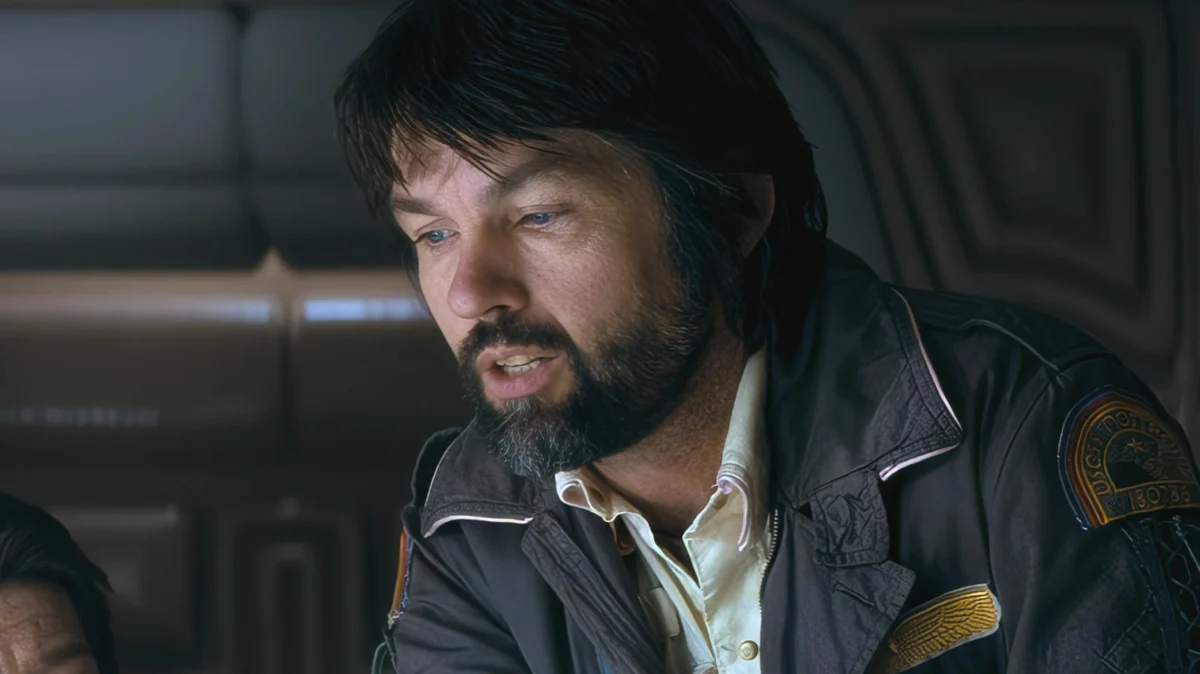
Tom Skerritt, a foundational figure in American cinema whose career spanned over six decades, has passed away at the age of 93. A performer defined by his ability to balance the rugged masculinity of a leading man with the profound sensitivity of a character actor, Skerritt’s death marks the end of an era for the "New Hollywood" generation. His family confirmed that the actor died of natural causes, leaving behind a legacy that ranges from the claustrophobic terror of deep space to the quiet, rolling rivers of the American West.
A Life Defined by Service and Storytelling
Born in Detroit, Michigan, Skerritt’s path to the silver screen was not the typical trajectory of a Hollywood star. Before the bright lights of Los Angeles, he served a four-year tenure in the United States Air Force. This period of his life instilled in him a discipline and an appreciation for service that would later inform many of his most iconic performances.
Following his military service, Skerritt pivoted toward the arts, enrolling at UCLA. While he initially harbored ambitions as a director, his innate magnetism in front of the camera proved undeniable. His early career saw him navigating the shifting landscape of 1960s cinema, eventually landing a breakout role in Robert Altman’s 1970 satirical masterpiece, MASH*. As Duke Forrest, the "third wheel" to the rebellious surgeons Hawkeye Pierce and Trapper John, Skerritt showcased a youthful, rakish energy. However, it was this role that served as a springboard, signaling a transition from the fun-loving antics of his early work to the stoic, measured performances that would define his middle and later career.
Chronology of an Iconic Career
The Early Years and New Hollywood
Skerritt’s rise mirrored the rise of the auteur-driven New Hollywood movement. After MASH, he continued to pick roles that challenged traditional archetypes. Whether it was the comedic absurdity of playing Strawberry in the cult classic Up in Smoke* or his work in various television westerns, Skerritt demonstrated a versatility that kept him in constant demand. He was a chameleon, capable of shifting from the comic relief to the straight man without ever losing the audience’s trust.
The Sci-Fi Paradigm Shift: Alien
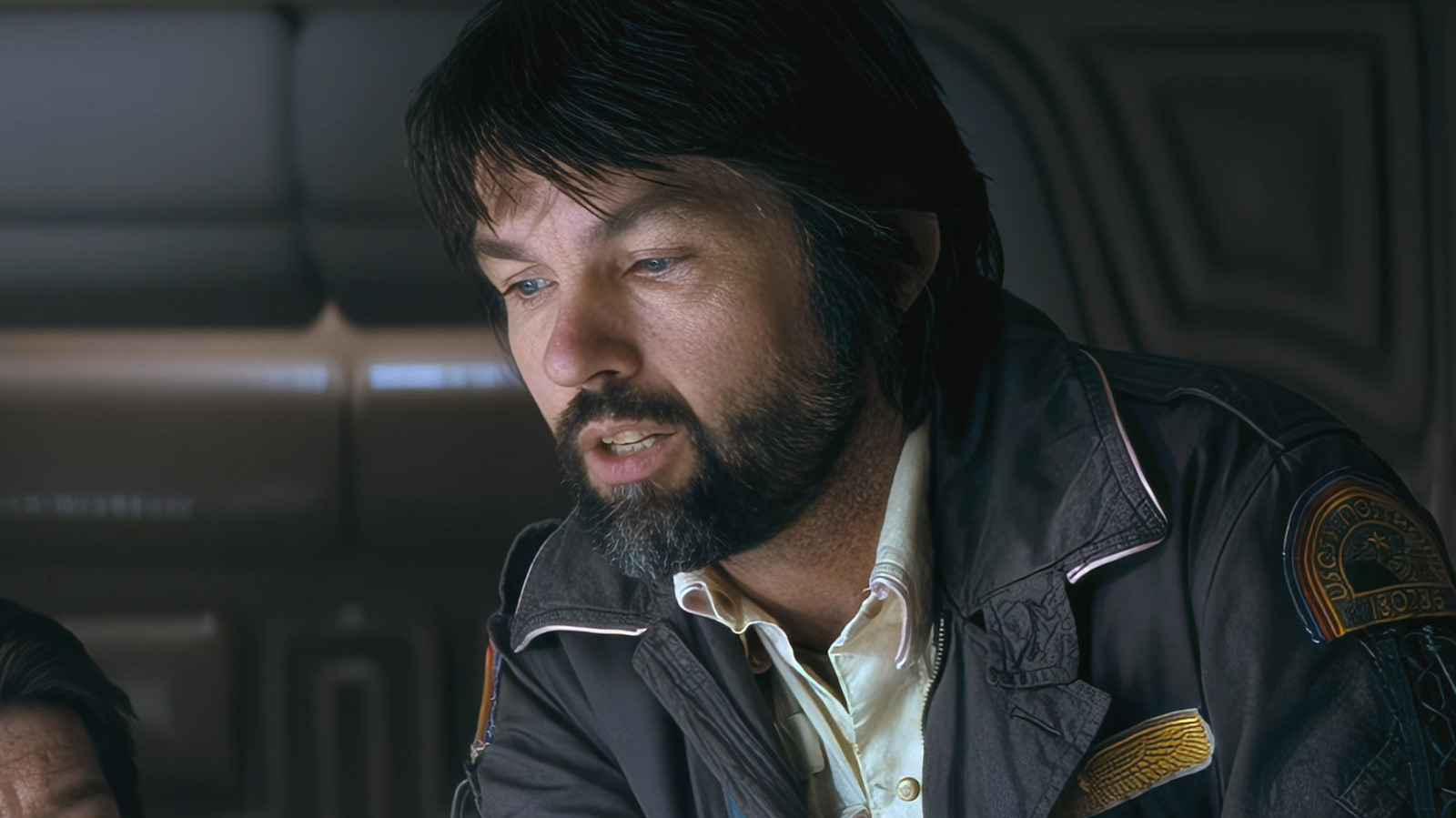
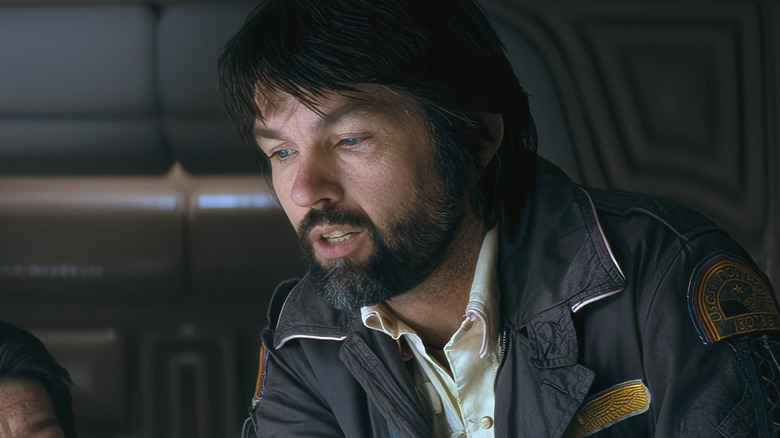
In 1979, Skerritt delivered perhaps his most indelible performance as Captain Arthur Dallas in Ridley Scott’s Alien. At the time, the film arrived in the shadow of Star Wars, a space-faring epic that promised adventure and heroism. Skerritt’s Dallas subverted these expectations entirely. He played the captain not as a soaring hero, but as a weary, pragmatic worker. His performance was characterized by a palpable sense of dread—the realization that his expertise was no match for the H.R. Giger-designed nightmare stalking his crew. His departure from the film remains one of the most effective and terrifying sequences in science fiction history, proving Skerritt’s capacity to anchor a high-concept film in human vulnerability.
The Mentor Archetype
As the 1980s and 90s progressed, Skerritt leaned into the role of the mentor—the "calm, avuncular, and dead sexy" authority figure. In Top Gun (1986), he portrayed Mike "Viper" Metcalf, the steady hand guiding a young Maverick. It was a role that solidified his status as the quintessential Hollywood patriarch. He repeated this strength in films like SpaceCamp, where he served as the grounding force for a group of young aspiring astronauts.
A River Runs Through It and Artistic Maturity
The absolute zenith of his career arguably arrived in 1992 with Robert Redford’s A River Runs Through It. As Reverend John Maclean, Skerritt provided the emotional bedrock for a film about faith, family, and the passage of time. His portrayal of a father attempting to reconcile his Presbyterian rigidity with the tragic trajectory of his son’s life is a masterclass in subtlety. His final sermon in the film remains a landmark moment in American acting—a quiet, devastating articulation of grief that transcended the screen.
Official Statements and Personal Reflections
The loss has been felt deeply by his family, who issued a poignant statement reflecting on the man behind the movie star. "While the world knew Tom through his remarkable acting career, we knew him for his humor, curiosity, wisdom, generosity and the love he brought into our lives," the family stated.
Their words highlight the dichotomy between the public icon and the private man. They emphasized that Skerritt’s passions extended far beyond the soundstage, noting his dedication to "the natural world," veterans, and the importance of helping others find their voices. This sentiment aligns with the perception of his peers, who often described Skerritt as a "gentleman of the old school"—a man whose professional conduct was matched only by his personal integrity.
Implications for Modern Cinema
The passing of Tom Skerritt is more than the loss of a famous face; it represents the waning of a specific type of screen presence. In contemporary Hollywood, where blockbusters are often dominated by CGI and rapid-fire editing, Skerritt’s style of acting—rooted in stillness, silence, and the weight of the eyes—is increasingly rare.
He belonged to a generation that understood that a character’s internal life was just as vital as their outward action. His ability to hold a frame without speaking, to convey a lifetime of regret or pride with a slight tilt of the head, is a technique that influenced countless actors. As the industry moves forward, the "Skerritt approach" serves as a reminder that the most compelling special effect in any film is a human being who feels authentic.
A Legacy of Waters
When we look back at the breadth of his work—from the dark, metallic hallways of the Nostromo to the sun-dappled rivers of Montana—we see a man who never rested on his laurels. He was never afraid to take risks, whether by playing against type in the thriller Poison Ivy or by embracing the shifting trends of television, where he won an Emmy for his work on Picket Fences.
The final line of A River Runs Through It—"I am haunted by waters"—was delivered by the character of Norman Maclean, but it has become the epitaph for the man who played his father. Tom Skerritt was an actor who, through the sheer force of his presence, made us all feel the depth of the characters he inhabited. He leaves behind a filmography that is not merely a list of credits, but a map of a long, thoughtful, and deeply creative life.
As the credits roll one last time for this legend, the film community is left to reckon with the silence he leaves behind. He was, in every sense of the word, a mentor to the craft of acting. While the waters of his career have settled, the ripples of his influence will undoubtedly continue to move through the work of the generations of actors who learned from his example. Tom Skerritt, the steady hand of the cinema, has stepped off the set, but his story remains a permanent part of our collective cultural history.
