
My Husband: Inside the Animated Short Exploring the Fine Line Between Devotion and Despair
By Jamie Lang | Expanded Coverage
Published: September 30, 2026
Main Facts: A Portrait of Marital Contradiction
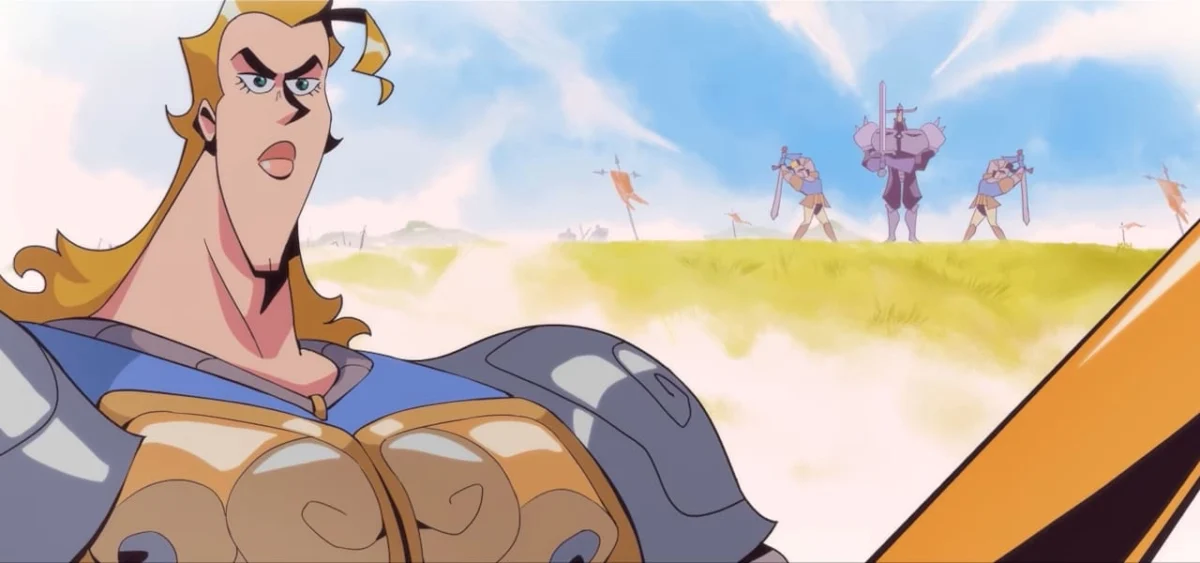
The animated short film My Husband captures a uniquely human emotional paradox: the simultaneous experience of deep, aching affection and profound, white-hot exasperation. Produced by the creative studio Remus & Kiki in collaboration with visual artist Mitko Karakolev, the film made its official debut on YouTube via Dropout’s curated Toonout animated shorts series.
At its core, the project centers on Otto, a man caught in a turbulent psychological tug-of-war. Otto loves his husband fiercely, yet he simultaneously despises him. This single contradiction drives the narrative, establishing a world where desire and resentment sit uncomfortably close together. The film posits a provocative, darkly humorous truth about long-term relationships: being utterly furious with a partner does not necessarily diminish their physical or emotional pull.
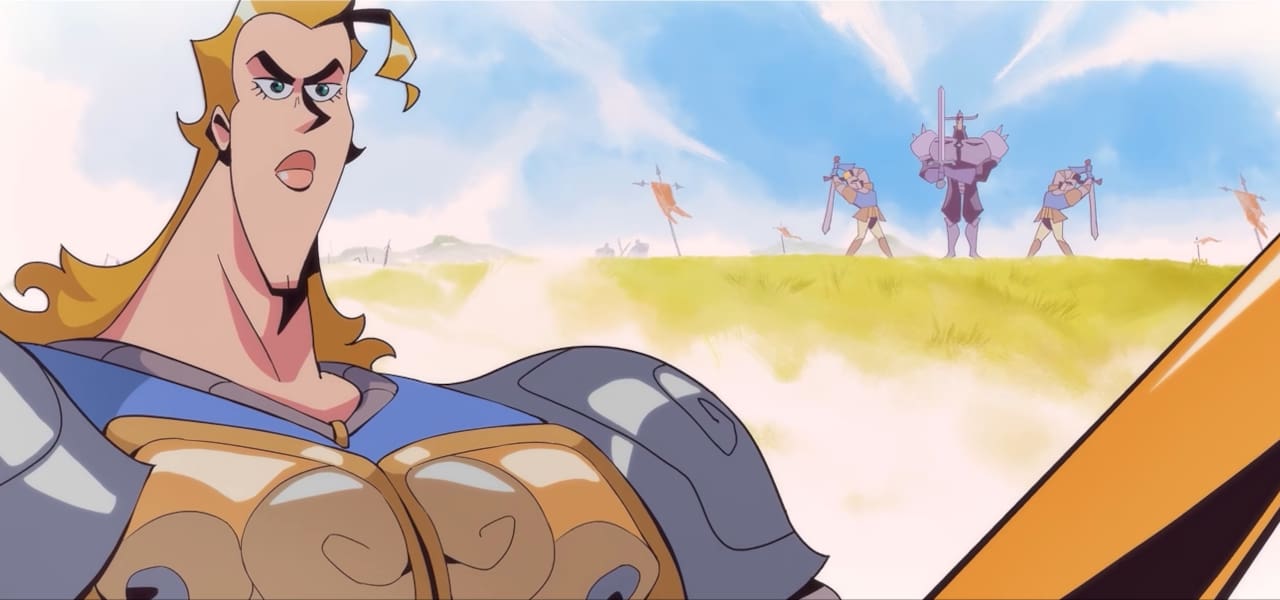
Voiced with frantic, theatrical energy by Sam C. Wilson, Otto acts as the neurotic anchor of the production. His grievances turn ordinary marital frustration into heightened melodrama. Through striking, over-the-top character designs and hyper-kinetic animation that mirrors Otto’s wild oscillations between longing and loathing, My Husband delivers an artistic experience that is simultaneously funny, provocative, and meticulously crafted.
Chronology: From Concept to Screen
The journey of My Husband from a visual concept to a featured digital release highlights the growing influence of alternative animation incubators like Dropout’s Toonout.
- The Conceptual Phase: Visual artist Mitko Karakolev, known for his distinct aesthetic sensibilities, originally conceptualized the dynamic between Otto and his enigmatic, handsome spouse. The core idea focused on the claustrophobia of domestic life and the psychological space a partner can occupy—often entirely uninvited—in one’s own head.
- Collaboration with Remus & Kiki: To bring the project to life, Karakolev teamed up with studio Remus & Kiki. The team focused on developing an animation style that could physically manifest emotional instability, leaning into exaggerated character deformations and frantic pacing.
- Casting and Audio Production: Actor and voice talent Sam C. Wilson boarded the project to voice Otto. Wilson’s performance provided the vital vocal anchoring necessary to translate the character’s rapid-fire pivots between adoration and bitter complaint.
- Distribution via Dropout’s Toonout: Seeking a platform that champions bold, creator-driven, and alternative comedic animation, the creators partnered with Dropout. The short was integrated into the Toonout programming slate, launching globally on YouTube on September 30, 2026.
Supporting Data and Production Details
While independent animated shorts often struggle to capture mainstream attention, My Husband benefits from a tightly managed production pipeline and a clear understanding of its target digital demographic.
- Platforms and Reach: Released through Dropout’s Toonout initiative, the short leverages the streaming platform’s established cult following of comedy and animation enthusiasts. By utilizing YouTube as its primary hosting hub, the film bypasses traditional gatekeeping models, allowing immediate access to global audiences.
- Visual Identity: The artistic direction relies heavily on dynamic framing and fluid character animation. The stark contrast between moments of static, heavy brooding and sudden, erratic explosions of physical comedy underscores Otto’s internal state.
- Voice Talent: Sam C. Wilson’s vocal delivery is central to the short’s pacing. The performance requires rapid shifts in tone—moving seamlessly from sultry, romantic contemplation to shrill, petty grievances within the span of a single sentence.
- Thematic Elements Explored:
- The Eroticism of Irritation: Examining how conflict can inadvertently fuel passion.
- Domestic Claustrophobia: The feeling of a partner’s presence dominating every corner of a protagonist’s mental landscape.
- Emotional Messiness: Rejecting sanitized representations of romance in favor of erratic, unpredictable human behavior.
Official Responses and Creative Insights
The release of My Husband has sparked conversations across the independent animation community regarding the shifting boundaries of comedic storytelling in short-form media.
Speaking about the project’s foundational themes, the creative team noted that the inspiration stemmed from observing the unspoken tensions of long-term domesticity. Rather than framing love as a purely tranquil, redemptive force, the creators sought to explore affection as a complication—an excuse to be utterly miserable, and conversely, misery as an excuse to obsess over the person who caused it.
.png)
Mitko Karakolev’s visual style has received early praise for its refusal to play it safe. The character designs are deliberately expressive and slightly distorted, serving as visual metaphors for the distorted perceptions we hold of the people we are closest to.
Dropout representatives have similarly championed Toonout as a vital space for artists who want to push boundaries without network censorship or format constraints. By giving shorts like My Husband a global stage, the platform continues to foster content that appeals directly to mature audiences looking for humor rooted in psychological realism rather than traditional slapstick.
Implications for Independent Animation and Toonout
The success and visibility of My Husband on Dropout’s Toonout signal broader trends within the contemporary animation landscape:
- The Rise of Adult-Oriented Short-Form Content: Platforms are increasingly realizing that adult audiences crave short-form animation that tackles complex emotional and psychological themes, rather than relying solely on juvenile gags or action tropes.
- Alternative Distribution Models: Traditional film festivals remain important, but digital-first platforms like Dropout offer creators immediate, direct-to-consumer pipelines that bypass years of festival circuit negotiations. This ensures rapid audience feedback and global discoverability.
- Blurring the Lines Between Art House and Comedy: My Husband bridges the gap between European-influenced visual art animation and American alternative comedy. This fusion broadens the appeal of indie shorts, proving that visually sophisticated projects can also be sharply funny and deeply relatable.
Ultimately, My Husband stands out as a triumph of tone and execution. By treating marital aggravation not as a flaw to be smoothed over, but as a fascinating, combustible fuel source, Remus & Kiki, Mitko Karakolev, and Sam C. Wilson have delivered a standout entry in the modern animation canon—proving that sometimes, the person you want to strangle is the only one you want to hold.
