
The Blueprint of Imagination: Mastering the Animation Pipeline
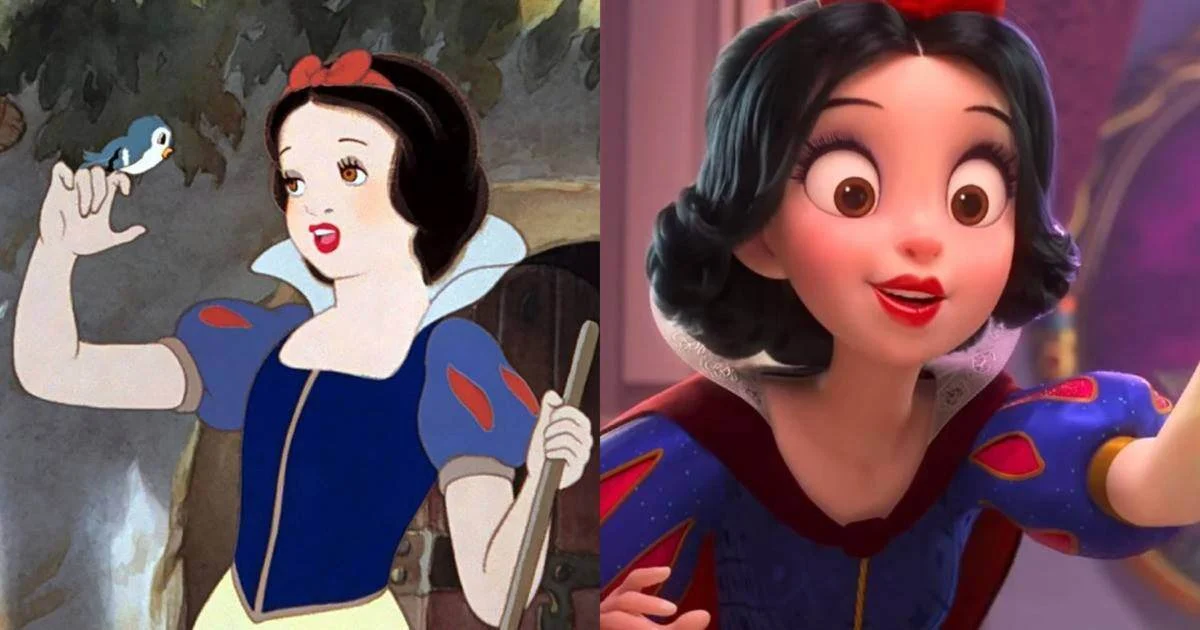
Ever wondered how your favorite animated TV shows, feature films, and immersive video games evolve from a simple sketch on a napkin into a breathtaking, living world? Behind every frame of seamless motion lies a complex, highly synchronized choreography of artistry and engineering known as the "animation pipeline." Whether you are a fan of traditional 2D artistry or a devotee of cutting-edge 3D CGI, the journey from conception to final output is a rigorous process that demands technical precision and boundless creativity.
Understanding the animation pipeline is not just an academic exercise; it is the fundamental roadmap for any aspiring professional. By deconstructing the lifecycle of an animated project, we gain insight into the intricate collaboration between writers, concept artists, modelers, animators, and compositors.
Main Facts: The Three Pillars of Animation
The animation pipeline is fundamentally structured into three major phases: Pre-Production, Production, and Post-Production. While the specific software and hardware tools may shift depending on whether a project is 2D or 3D, the logic remains universal.
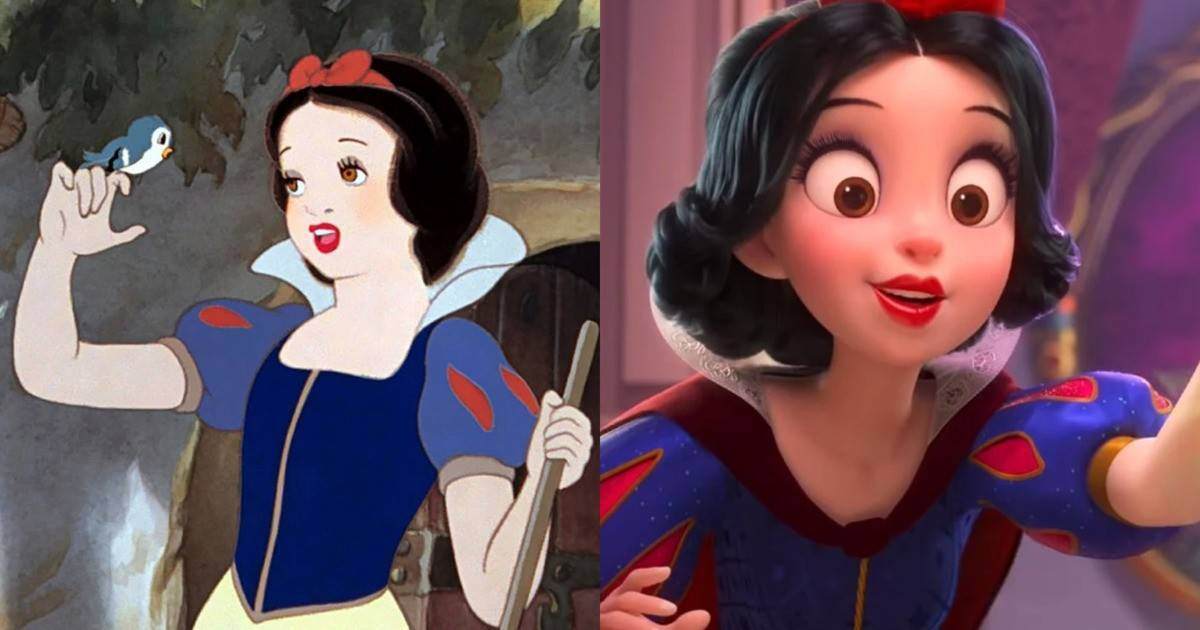
- Pre-Production: This is the creative incubator. It covers ideation, scriptwriting, character design, and storyboarding. It is here that the visual and narrative foundations are laid.
- Production: The "heavy lifting" phase where assets are built, rigged, and animated. This is where the static designs from pre-production are imbued with motion and life.
- Post-Production: The final polish. This phase involves compositing layers, color grading, integrating sound design, and the final rendering of the project for distribution.
Chronology: A Step-by-Step Breakdown
Phase I: Pre-Production – Architecting the Vision
The genesis of every project begins with a concept. Scripting brings these ideas into a structured format, dictating dialogue and action sequences.
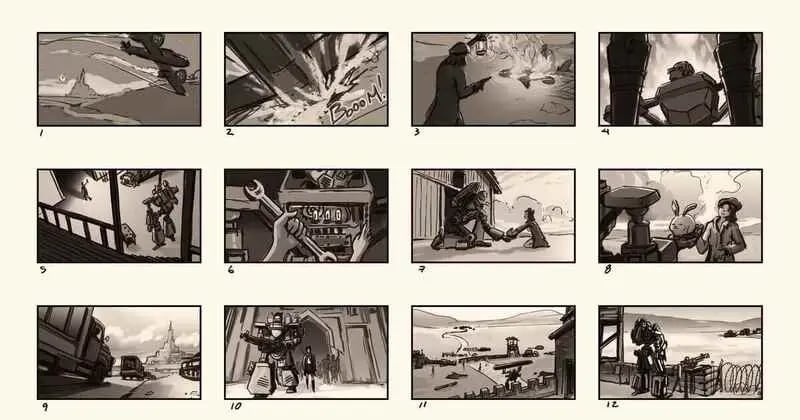
- Storyboarding: Often referred to as the "visual blueprint," storyboards act as a comic-strip version of the final film. They establish camera angles, framing, and character movement. A wide shot, for instance, is used to establish scale and setting, while close-ups focus on the emotional resonance of a scene.
- Concept Art: Concept artists define the visual language of the project—the mood, color palettes, costume aesthetics, and environmental architecture. These designs serve as the "source of truth" for all subsequent teams.
- Character Design: Beyond appearance, characters are defined by their history and personality. Designers create "turnarounds"—views of the character from every angle—to ensure that when multiple artists work on the same model, the character remains consistent across every scene.
Phase II: Production – Bringing Life to Assets
Once the designs are approved, the production phase begins, shifting from static imagery to functional, moving assets.
- Modeling and Rigging (3D): 3D modelers create the digital architecture of characters. To save time and system resources, animators often use "low-poly" (simplified) models for blocking out movement, only switching to high-fidelity, high-polygon models for the final render. A "rig" is then attached—a digital skeleton that allows the animator to manipulate the model like a marionette.
- Layout and Design: This phase defines the 3D space or 2D environment. In 3D, environment artists build the stage, while 2D artists focus on composition and background layering.
- Blocking and Keyframing: The actual animation starts with "blocking," where animators place the character in the most important poses of a sequence. Once the flow is established, they add "breakdowns" and "in-betweens" to smooth out the transition between movements. In 3D, computers assist this via "splining," where software calculates the curves between keyframes, whereas traditional 2D requires manual "cel" drawing or digital frame-by-frame adjustments.
Phase III: Post-Production – The Final Polish
The final phase is where the individual components of the film are synthesized into a coherent visual experience.
- Compositing: This is the art of layering. Compositors take the raw animation, the lighting passes, the visual effects (VFX), and the backgrounds and combine them into a single frame. Whether it is adding smoke and fire or blending a 3D character into a live-action shot, the compositor ensures that everything looks like it belongs in the same space.
- Sound Design and Music: Sound brings the "feel." Foley artists, voice actors, and sound engineers create the auditory world—the crunch of leaves, the hum of a spaceship, or the subtle emotional cues of a musical score.
- Rendering and Output: This is the final conversion of all data into a visual sequence. Rendering a 3D film can take massive amounts of computing power, as the machine must calculate light, texture, and shadow for every single pixel across thousands of frames.
Supporting Data: The Efficiency of the Pipeline
The modern animation pipeline has been revolutionized by technology, but the core challenges remain time and budget. Studios utilize "render farms"—vast networks of computers—to handle the heavy lifting of final output. By using standardized file-naming conventions and centralized asset management systems, studios can prevent the "versioning nightmare," where artists accidentally work on outdated versions of a file.
A key piece of data in the industry is the Polygon Budget. By utilizing lower-resolution models during the animation-blocking phase, studios can iterate on movement significantly faster, leading to higher-quality performance at a lower computational cost. This strategic use of assets is what allows massive, high-budget features to reach completion within their allocated schedules.
Official Perspectives: Industry Insights
Industry veterans, such as Scott Claus (who worked on Disney’s Pocahontas) and contributors to Love, Death + Robots, emphasize that the pipeline is only as strong as its communication.

According to Mark Pullyblank, Department Head of 3D Animation at CG Spectrum, transitioning into animation is not just about learning software—it’s about understanding the "why" behind the movement. "Animation is acting," Pullyblank notes. The technical pipeline provides the tools, but the animator provides the soul. Whether one is working on a short film or a AAA video game, the ability to collaborate across departments—talking to the rigger about why a joint isn’t moving correctly, or discussing the lighting with a compositor—is what defines a professional.
Implications: The Future of Animation
The implications of a well-organized pipeline are profound:
- Cost Efficiency: A streamlined workflow reduces "re-work," saving millions in production costs.
- Creative Freedom: When the technical hurdles are managed, artists spend less time troubleshooting broken rigs and more time refining performances.
- Career Longevity: For the individual, mastering the pipeline makes one a "plug-and-play" professional. Studios prioritize animators who understand how their work affects the next person in the chain.
The rise of real-time rendering engines (like Unreal Engine) is currently beginning to blur the lines between production and post-production, allowing directors to see "final-quality" lighting and composition in real-time. This is expected to shorten production times and democratize the creation of high-quality animation, making the industry more accessible to smaller, independent teams.

Conclusion: Starting Your Career
The animation pipeline is a rigorous, high-stakes, and incredibly rewarding journey. It is a bridge between the abstract imagination of a creator and the tangible experience of an audience. By understanding the flow from storyboarding to final render, you move from being a casual viewer to a potential architect of worlds.
Whether you are drawn to the technical complexity of 3D modeling or the expressive nature of 2D performance, mastering this pipeline is your first step toward success. The industry is constantly evolving, and the need for professionals who can navigate these stages with precision and passion has never been greater.
Are you ready to turn your passion into a career? The world of animation is waiting for your unique vision. By seeking mentorship, mastering industry-standard software, and respecting the collaborative nature of the pipeline, you can turn your ideas into the stories that define a generation. Embrace the process, keep iterating, and start building your portfolio today. The future of animation is being written—or rather, animated—by those who understand how to bring a vision to life.
