
Bringing Eternia to Life: The Visual Effects Mastery Behind Travis Knight’s Masters of the Universe
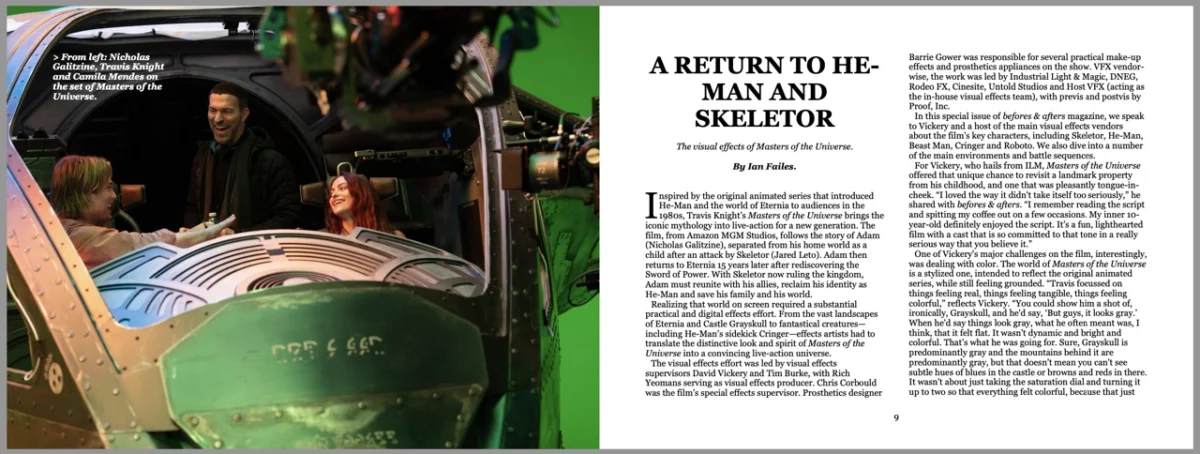
The nostalgia of the 1980s has found a new, high-octane home in the live-action reimagining of Masters of the Universe. Under the directorial vision of Travis Knight, the iconic world of Eternia—once confined to the limitations of Saturday morning animation and limited-budget cult classics—has been thrust into the modern era of filmmaking. In Issue #67 of befores & afters magazine, we pull back the curtain on the Herculean effort required to translate the beloved mythology into a visceral, cinematic experience for Amazon MGM Studios.
The Narrative Foundation: A Mythos Reborn
The film serves as both an origin story and a grand spectacle. It follows Prince Adam, portrayed by Nicholas Galitzine, who is exiled from his home world as a child following a catastrophic assault by the villainous Skeletor, played with sinister gravitas by Jared Leto. Fifteen years later, Adam’s discovery of the legendary Sword of Power acts as the catalyst for his return.
Upon arriving back on Eternia, he finds a world transformed; Skeletor now holds the kingdom in an iron grip. To save his family and reclaim his birthright, Adam must undergo a transformation, physically and metaphorically, to become He-Man. This narrative arc provided the creative team with the perfect canvas to blend high-fantasy environments with gritty, realistic character design.
The Architecture of Eternia: A Technical Chronology
The production of Masters of the Universe was a multi-year odyssey that demanded a sophisticated integration of practical craftsmanship and cutting-edge digital wizardry.
Pre-Production and Design
The process began with the conceptualization of Eternia’s geography. The design team, led by Knight, sought to maintain the "retro-futuristic" aesthetic of the original toy line and cartoon while grounding it in a tactile reality. Proof, Inc. was instrumental during this stage, utilizing previs and postvis to choreograph the complex action sequences that would define the film’s third act.
Principal Photography
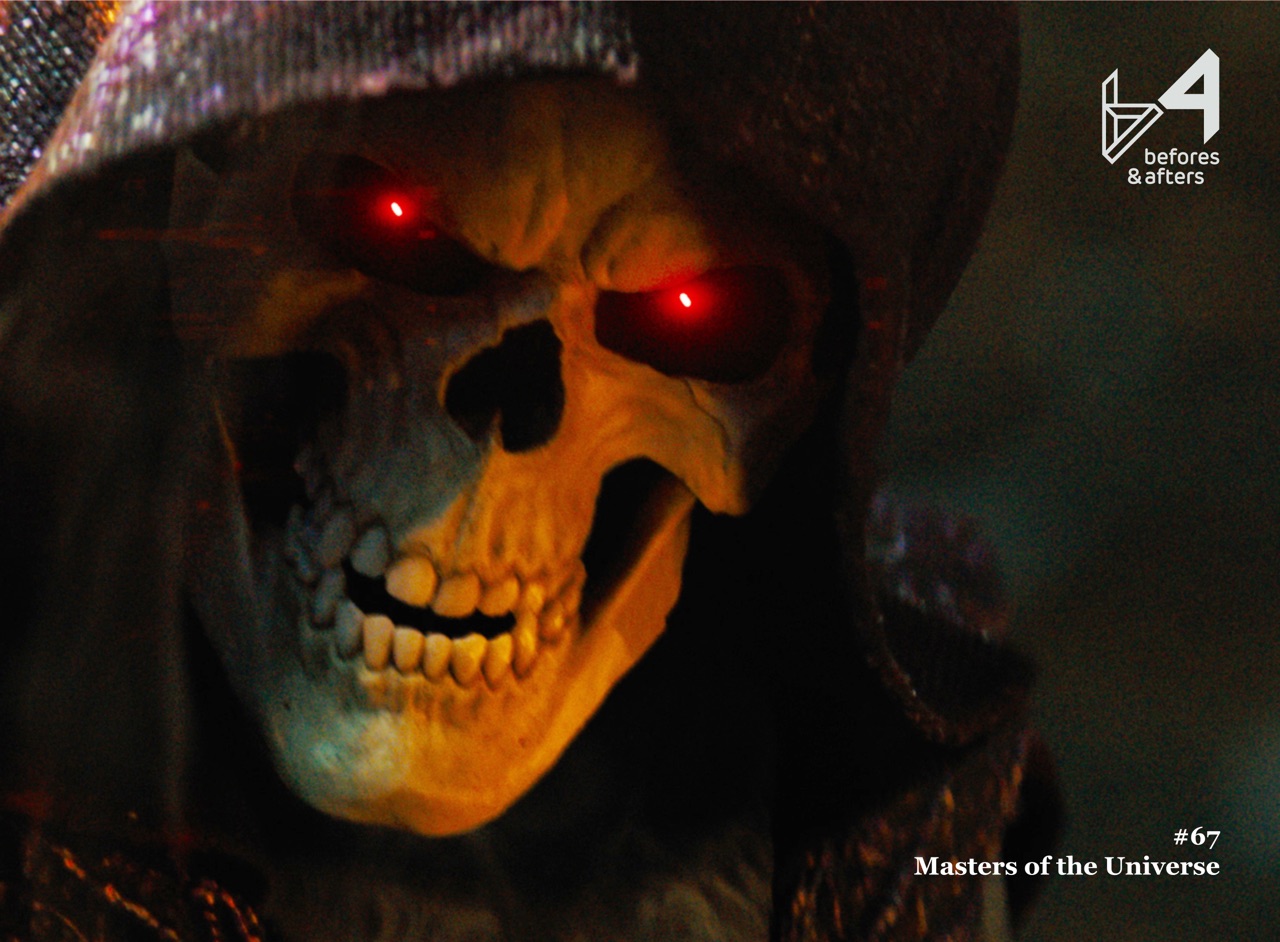
During production, the focus shifted to the physical presence of the characters. Barrie Gower, renowned for his work in creature design and prosthetics, spearheaded the creation of the film’s iconic inhabitants. Unlike previous adaptations that relied heavily on pure CGI, Knight’s vision prioritized "in-camera" believability. This necessitated a delicate dance between Gower’s practical prosthetic appliances and the digital enhancements provided by the VFX teams.
Post-Production Integration
Once the footage was in the edit, the visual effects teams—a veritable "Avengers" of the industry including Industrial Light & Magic (ILM), DNEG, Rodeo FX, Cinesite, and Untold Studios—began the heavy lifting. Host VFX acted as the central hub, managing the in-house visual effects team to ensure a cohesive visual language across the various external vendors.
Supporting Data: The VFX Powerhouse
The sheer scale of the visual effects effort is reflected in the team of industry veterans assembled for the project.
- VFX Supervisors: David Vickery and Tim Burke
- VFX Producer: Rich Yeomans
- Special Effects (SFX) Supervisor: Chris Corbould
- Prosthetics Designer: Barrie Gower
The collaboration between these departments was vital. For example, the creation of Cringer—He-Man’s loyal, often fearful feline companion—required a hybrid approach. The team had to strike a balance between the creature’s expressive, almost human personality and the anatomical reality of a predatory beast. Similarly, the design of Roboto necessitated an intricate blend of mechanical textures and fluid movement, requiring the digital teams to simulate the interaction of metal, gears, and light in ways that felt authentic to the environment of Grayskull.
Official Perspectives: Inside the Creative Process
In our exclusive deep-dive for Issue #67, we sat down with visual effects supervisor David Vickery to discuss the philosophy behind the film’s aesthetic. Vickery emphasized that the goal was never to replace the "magic" of the original series but to enhance it with modern technology.

"When you are dealing with a franchise as beloved as Masters of the Universe, you have an immense responsibility to the fans," Vickery stated during our interview. "We spent months discussing the ‘feel’ of the magic. It couldn’t look too digital; it had to feel like it had weight, heat, and history. Whether it was the glowing energy of the Sword of Power or the decaying, dark magic surrounding Skeletor’s throne room, every pixel had to earn its place."
The collaboration with the vendors was described as highly iterative. The team at Untold Studios was particularly praised for their work on the environmental world-building, creating the sweeping, panoramic vistas of Eternia that give the film its epic, widescreen scope.
Implications for the Genre: A New Standard for Fantasy
The release of this film and the subsequent technical breakdown in befores & afters signals a shift in how studios approach high-fantasy adaptations. By prioritizing practical prosthetics for character work—such as the intricate makeup on Skeletor—and reserving digital assets for world-building and creature animation, the production has created a template for "grounded fantasy."
This approach addresses a common criticism in modern blockbusters: the "CGI fatigue" that audiences often feel when characters and environments lack tactile feedback. By balancing the grit of Barrie Gower’s prosthetics with the limitless possibilities offered by ILM and DNEG, the team behind Masters of the Universe has managed to make a world of sorcery and sci-fi feel like a place that could actually exist.
Exclusive Access: The Digital and Print Magazine
For those who wish to explore the technical breakdowns, including frame-by-frame analyses of the battle sequences and detailed interviews regarding the rigging of the mechanical characters, Issue #67 of befores & afters is essential reading.

Digital Access:
befores & afters members can download the full issue immediately through our Patreon portal. The digital edition includes high-resolution stills, behind-the-scenes concept art, and exclusive video clips detailing the animation process of the film’s various fantastical creatures.
Print Access:
For those who prefer a physical copy, the issue is available for order via Amazon. To ensure the fastest shipping and best pricing, we recommend visiting your local Amazon storefront:
- USA: https://www.amazon.com/dp/B0HLW4WG13
- UK: https://www.amazon.co.uk/dp/B0HLW4WG13
- Canada: https://www.amazon.ca/dp/B0HLW4WG13
- Germany: https://www.amazon.de/dp/B0HLW4WG13
- France: https://www.amazon.fr/dp/B0HLW4WG13
- Spain: https://www.amazon.es/dp/B0HLW4WG13
- Italy: https://www.amazon.it/dp/B0HLW4WG13
- Australia: https://www.amazon.com.au/dp/B0HLW4WG13
- Japan: https://www.amazon.co.jp/dp/B0HLW4WG13
- Sweden: https://www.amazon.se/dp/B0HLW4WG13
- Poland: https://www.amazon.pl/dp/B0HLW4WG13
- Netherlands: https://www.amazon.nl/dp/B0HLW4WG13
Conclusion
Travis Knight’s Masters of the Universe is more than just a reboot; it is a masterclass in the collaborative nature of modern filmmaking. By bridging the gap between legacy IP and contemporary technical capability, the production team has successfully invited a new generation to shout, "By the Power of Grayskull!" Whether you are a professional in the VFX industry or simply a fan of high-end cinema, Issue #67 provides an unparalleled look at the craft, sweat, and digital artistry that went into making this dream a reality.
