
The 28th Indie Memphis Film Festival Returns with an Audacious Slate for a Fractured Present
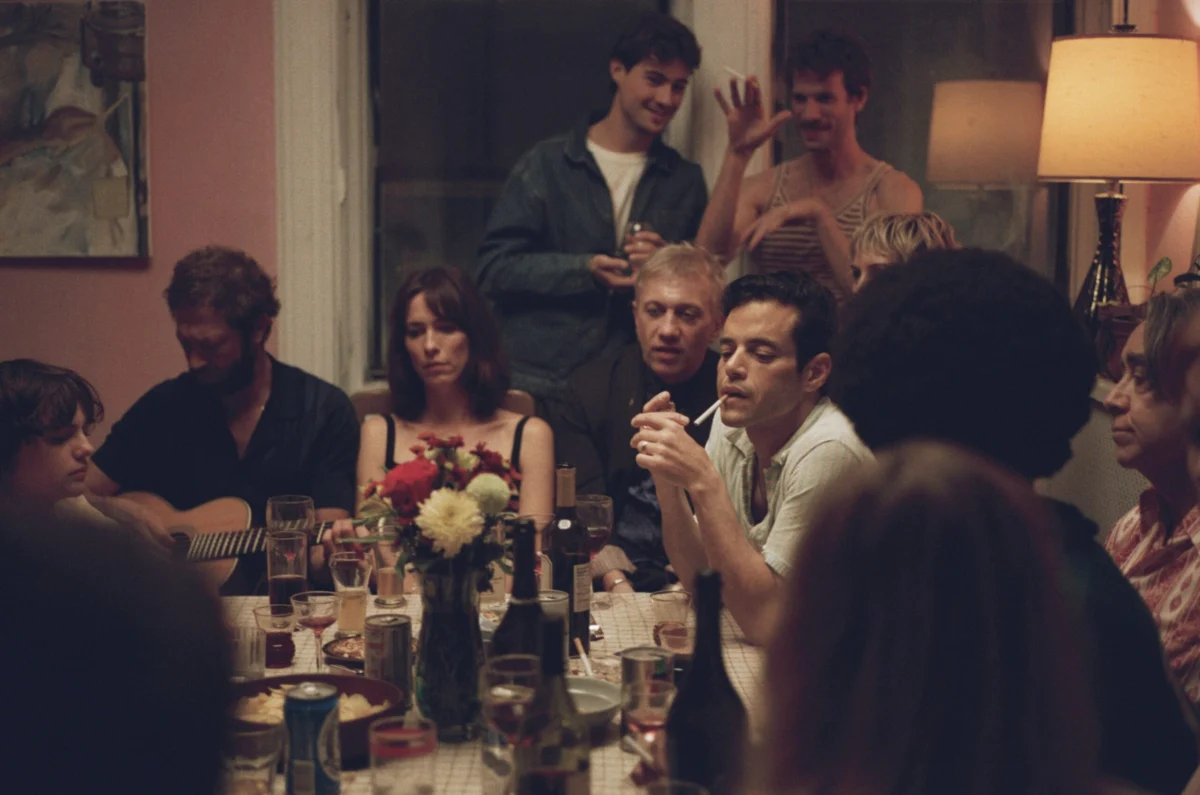
MEMPHIS, Tenn. — Regional film festivals occupy a vital, irreplaceable niche in the global cinematic ecosystem. While massive international showcases often cater to major studio machinery and Oscar-heavy prestige items, regional festivals function as the cultural beating hearts of their respective communities. They provide a vital platform for boundary-pushing independent films, local storytelling, and vital cinematic retrospectives that might otherwise slip through the cracks of commercial distribution.
Among the crown jewels of the American regional festival circuit is the Indie Memphis Film Festival. Returning for its highly anticipated 28th edition this November, the festival is once again poised to transform Tennessee into a haven for cinephiles, filmmakers, and industry tastemakers alike. Running from November 5 through November 8, this year’s four-day convergence will unfold across two of the city’s premier cultural hubs: the Halloran Centre for the Performing Arts and Education and the Malco Powerhouse.
Boasting a carefully curated selection of recent festival circuit hits, biting documentaries, formal experiments, and historic cinematic restorations, the 28th edition promises an unyielding examination of the modern human condition through the distinct lens of independent auteurs.
Main Facts: A Landmark Return for Tennessee’s Premier Cinephile Gathering
After a brief hiatus that left a noticeable void in the regional cultural calendar, Indie Memphis is staging a triumphant comeback. The 28th edition runs from November 5 to November 8, taking over the Halloran Centre and the Malco Powerhouse in downtown Memphis.
The festival schedule is anchored by high-profile bookends. Opening night will feature The Lorraine directed by acclaimed filmmaker Sam Pollard, setting a contemplative and historically resonant tone for the proceedings. Closing out the four-day event is Ira Sachs’ latest feature, The Man I Love, promising audiences an emotionally rich and intimate narrative experience.
Between these two bookends lies a robust, multidisciplinary program divided into distinct thematic sections: Departures, Documentary, Hometowner, Narrative, Sounds, and Throwbacks. From cutting-edge experimental works to locally produced narratives and vital musical spotlights, the 2025 lineup demonstrates a deep commitment to championing diverse perspectives and formal audacity.
Chronology: The Evolution and Path to the 28th Edition
The Road to November: Programming a Vision
The journey toward the 28th Indie Memphis Film Festival has been characterized by intense curatorial ambition. Stepping into the role of Artistic Director for this milestone year, veteran film programmer and creator Brandon Harris faced the distinct challenge of mounting a comeback after a year away. Rather than relying on a safe, standard program of reliable festival crowd-pleasers, Harris and his curatorial team set out to construct a slate that actively engages with the socio-political and cultural fractures of contemporary life.
Months of scouting, submissions review, and logistical planning culminated in the final selection announced this fall. The festival’s timeline is tightly packed into a high-octane four-day sprint from November 5 to November 8, demanding that attendees curate their viewing schedules with precision. Tickets and passes have officially gone on sale via the festival’s ticketing platform, drawing high demand from regional and national film enthusiasts eager to secure seats for limited-capacity screenings.
Supporting Data: The 2025 Indie Memphis Film Festival Complete Lineup
Opening & Closing Nights
- Opening Night: The Lorraine (Dir. Sam Pollard, 87m)
- Closing Night: The Man I Love (Dir. Ira Sachs, 96m)
Departures Section
- Aanikoobijigan (Dirs. Adam & Zach Khalil, 85m)
- Chronovisor (Dirs. Kevin Walker & Jack Auen, 100m)
- A City in a Forest (Dirs. Nolan Huber & Lev Omeichenko, 98m)
- Clay (Dir. Kevin Jerome Everson, 62m)
- Every Contact Leaves a Trace (Dir. Lynne Sachs, 83m)
- Feelings (Dir. Jeanetta Rich, 70m)
- Humboldt USA (Dir. G. Anthony Svatek, 89m)
- Sour Minnows (Dir. Harrison Atkins, 83m)
Documentary Section
- All of the Above (Dir. Allison Walsh, 85m)
- Bucks Harbor (Dir. Pete Muller, 96m)
- Cheyenne (Dir. Taimi Arvidson, 105m)
- Fears of a Clown (Dir. Bart Vanderver, 90m)
- The Great Experiment (Dir. Eric Daniel Metzgar, 100m)
- Jane Elliott Against The World (Dir. Judd Ehrlich, 90m)
- Malama Makua (Dir. Michael Inouye, 48m)
- Once Upon a Time in Harlem (Dir. William Greaves, 100m)
- Possum Town (Dir. Daniel Christian, 99m)
- TheyDream (Dir. William D. Caballero, 89m)
- True North (Dir. Michele Stephenson, 96m)
- Uncle Roy (Dir. Keri Pickett, 90m)
- Uncommitted (Dir. Razi Jafri, 88m)
- When a Witness Recants (Dir. Dawn Porter, 112m)
- Who Killed Alex Odeh? (Dirs. Jason Osder & William Youmans, 84m)
- Who Moves America (Dir. Yoni Golijov, 87m)
Hometowner Section
- Hallelujah Station (Dir. Christian Walker, 45m)
- Hoop Street (Dir. Princeton James, 91m)
- Outside Ain’t Free (Dir. Malik Martin, 50m)
- Safe & Sound (Dir. Glenn Payne, 102m)
Narrative Section
- Act One (Dir. Sophia Takal, 104m)
- Assets & Liabilities (Dir. Zach Weintraub, 62m)
- Bagworm (Dir. Oliver Bernsen, 96m)
- Inter-State (Dir. Sam Gorman, 90m)
- Mother Future Self (Dir. Tori Lancaster, Runtime unlisted)
- Ponderosa (Dir. Rob Rice, 90m)
- The Projectionist (Dir. Alexandre Rockwell, 94m)
- Revelations of Divine Love (Dir. Caroline Golum, 73m)
- Riptides (Dir. Alex Karpovsky, 80m)
- Take Me Home (Dir. Liz Sargent, 91m)
- What Can’t Be Mentioned (Dir. Dan Sallitt, 61m)
Sounds Section
- The Best Summer (Dir. Tamra Davis, 84m)
- Bobby Rush: King of the Chitlin Circuit (Dir. Al Warren, 84m)
- Figaro Up, Figaro Down (Dir. Javid Soriano, 75m)
- Joybubbles (Dir. Rachael Morrison, 79m)
- Ronzo (Dir. Jon Brick, 75m)
Throwbacks Section
- Curse of the Seven Jackals (Dir. Chris Jolly, 60m, 2001)
- Embalmer (Dir. S. Torriano Berry, 90m, 1996)
- Junebug (Dir. Phil Morrison, 106m, 2005)
- Police Beat (Dir. Robinson Devor, 81m, 2006)
Official Responses: Artistic Direction and Curatorial Vision
The curatorial ethos of the 28th edition is defined by its new leadership. In an official statement released alongside the lineup announcement, Artistic Director Brandon Harris offered profound insight into the intellectual and creative framework guiding this year’s festival.
"Stepping into the Artistic Director role for this 28th edition feels like coming home to a city that simply refuses to be ignored or categorized," Harris stated, emphasizing the rebellious and resilient cultural identity of Memphis itself.
Addressing the festival’s brief hiatus, Harris made it clear that the programming team viewed the absence not as a setback, but as an opportunity for reinvention. "After a year away, we knew we couldn’t just come back with a standard program; we had to return with a slate that speaks urgently to our fractured present."
Harris further elaborated on the aesthetic criteria driving the selection process, prioritizing films that reject complacency in favor of formal invention and emotional honesty. "I’ve programmed this year’s festival to reflect the restless, boundary-pushing spirit of independent cinema, looking for films that possess a certain southern grit, a formal audacity, and an unflinching eye for the immense complexities of modern life."
This mission statement is vividly illustrated across the board, from Dawn Porter’s probing documentary When a Witness Recants to Alexandre Rockwell’s narrative feature The Projectionist, and through the regional focus of the Hometowner slate, which highlights the wealth of cinematic talent originating from Memphis and its surrounding areas.
Implications: The Cultural and Economic Footprint of Regional Cinema
The return of the Indie Memphis Film Festival carries significant implications for both the local economy and the broader landscape of independent film distribution.
Boosting the Regional Creative Economy
Events like Indie Memphis serve as vital economic catalysts for downtown businesses, hotels, restaurants, and local arts venues such as the Halloran Centre and Malco Powerhouse. By drawing visitors, visiting filmmakers, critics, and industry professionals from across the United States, the festival injects vital revenue into the city’s hospitality and entertainment sectors. Furthermore, the Hometowner section provides tangible career momentum for Tennessee-based filmmakers, offering them a high-visibility platform to showcase their work to peers, distributors, and potential investors without needing to relocate to traditional coastal industry hubs.
Countering Industry Homogenization
In an era dominated by corporate consolidation, algorithmic streaming recommendations, and risk-averse studio slates, regional film festivals act as essential bastions of artistic freedom. Indie Memphis’s deliberate pairing of contemporary underground experiments—such as those found in the Departures section—with under-seen historical restorations in the Throwbacks program (including Phil Morrison’s beloved 2005 indie breakout Junebug and S. Torriano Berry’s 1996 feature Embalmer) creates a cross-generational dialogue about the evolution of indie storytelling.
By platforming challenging documentaries like Razi Jafri’s Uncommitted and William Greaves’ archival treasure Once Upon a Time in Harlem, the festival reinforces the notion that cinema can—and should—interrogate complex social realities.
Ultimately, the 28th Indie Memphis Film Festival proves that regional festivals are not merely secondary stops on the circuit, but rather essential incubators of cultural resistance, community building, and cinematic innovation. As screens light up this November at the Halloran Centre and Malco Powerhouse, Memphis will once again assert itself as an indispensable capital of American independent film.
