
The Haunting of Masculinity: An In-Depth Look at Mats Udd’s ‘Don’t Be Afraid’
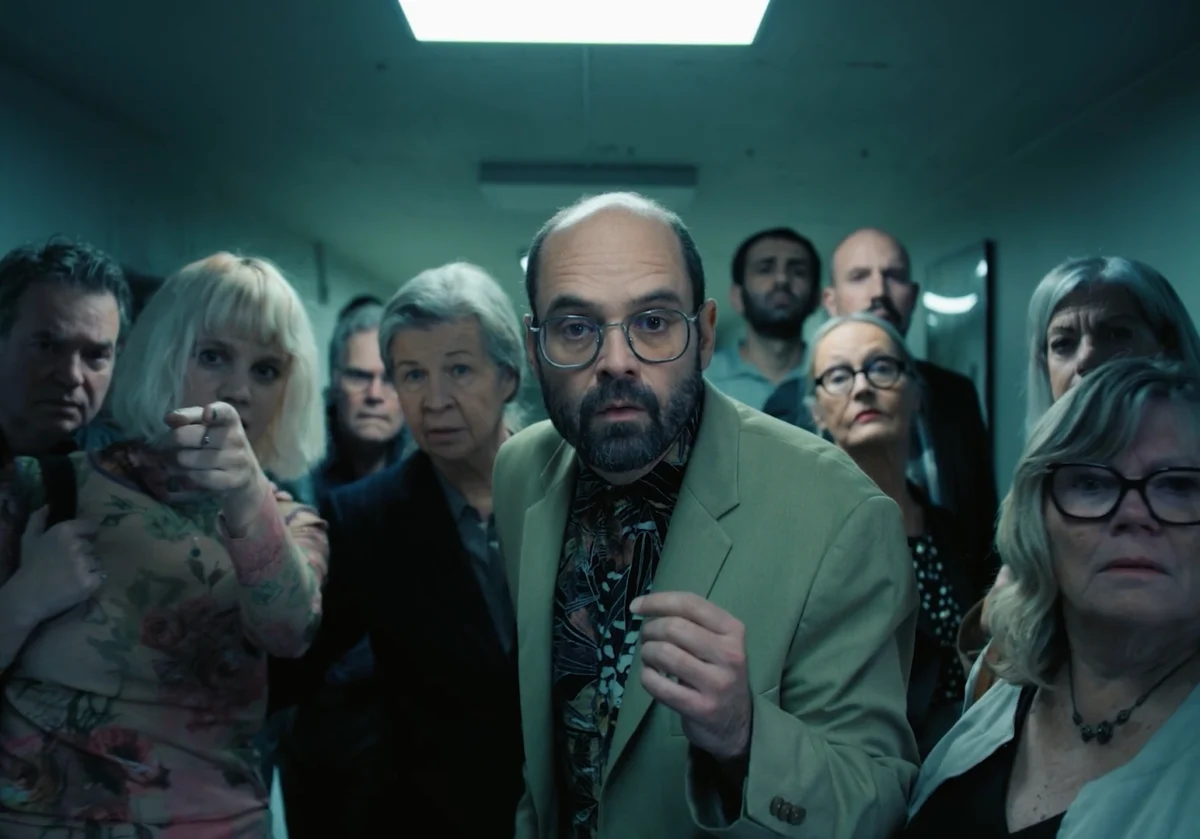
When it comes to the architecture of fear, few subjects are as devastating as the loss of a child. It is a primal, existential terror that has served as the bedrock for some of cinema’s most enduring and haunting masterpieces. In his latest short film, Don’t Be Afraid, Swedish writer-director Mats Udd taps into this well of sorrow, crafting a deeply unsettling psychological narrative that serves as both a gripping ghost story and a surgical examination of modern masculinity, mental health, and the cyclical nature of trauma.
The film, which has garnered significant critical acclaim across the European festival circuit, stands as a testament to the power of genre filmmaking to distill complex human experiences into visceral, terrifying imagery.
The Genesis of Unease: A Premise Rooted in Reality
The inception of Don’t Be Afraid was not born from a love of horror tropes, but rather from a fascination with the mundane artifacts of tragedy. Udd reveals that the project took shape after he became intrigued by real-world cases of missing persons, specifically the haunting nature of the photographs left behind by those who vanished.
"I was captivated by the idea that these images might hold clues—not just to the disappearance, but to the psyche of the person who took them," Udd explains. He began constructing a narrative around the unsettling phenomenon of "liminal photography"—images that seem innocuous at first glance but reveal something deeply disturbing upon a second, more scrutinized look. This deceptively simple premise acts as the film’s engine, exploiting the viewer’s inherent human instinct to search for patterns and meaning in visual data, while simultaneously nurturing a creeping suspicion that we, like the protagonist, have missed the most important detail.
A Chronology of Grief and Revelation
The narrative structure of Don’t Be Afraid is a masterclass in tension-building. The film opens with a brief, atmospheric sequence set in the woods on the night the young Pelle disappears. This prologue serves as the emotional anchor for everything that follows.
The story then pivots to a significant time jump, finding the father, Magnus—a professional photographer—in the throes of preparing for a high-stakes comeback exhibition. The film utilizes this professional milestone as a pressure cooker; the exhibition is meant to be a moment of personal redemption, but it quickly transforms into a site of psychological excavation.
An uncomfortable, probing interview provides the audience with essential backstory, grounding the film in the reality of the characters’ fractured lives. The turning point arrives during the exhibition launch, when an attendee notices an anomaly in one of Magnus’s photographs. This singular discovery acts as a catalyst, causing Magnus’s carefully constructed veneer of professional stability to unravel. As the film progresses, the dread transitions from the abstract to the specific; details about the night of the disappearance bleed into the present, forcing the audience to confront the guilt that has haunted Magnus for years.
The final act shifts the balance once more. When the tormented photographer returns to the site of his son’s disappearance—this time equipped with his camera—the film abandons the safety of purely psychological thriller territory and leans into the supernatural. By returning to the genesis of his trauma, Magnus invites the "ghosts" of his past to materialize in a way that feels both earned and terrifyingly tangible.
Supporting Data: Technical Craft and Cinematic Lineage
For the cinephile, Don’t Be Afraid offers more than just narrative thrills; it is a technical achievement that demonstrates a profound understanding of film history and equipment.
The Infrared Aesthetic
The film’s most striking visual element is its use of infrared photography. To achieve the film’s signature "uncanny" look, cinematographer Viktor Skogqvist tracked down a specifically remodified RED camera, which had previously been utilized by Fredrik Wenzel for the night sequences in Ruben Östlund’s Triangle of Sadness.
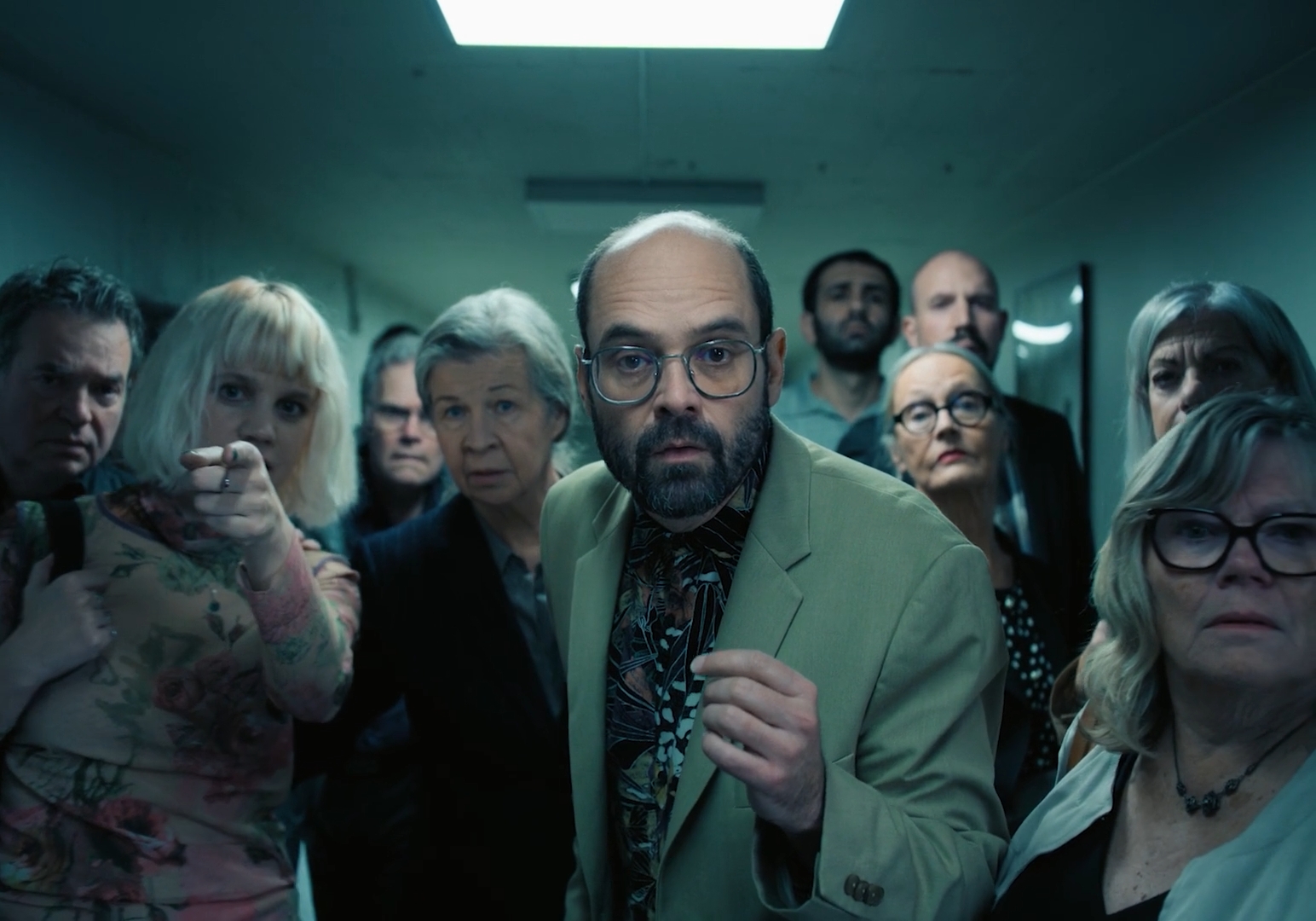
The choice was not merely an aesthetic flourish. By having lead actor David Dencik navigate the darkness using genuine infrared technology, the filmmakers achieved a heightened sense of authenticity. The resulting imagery is sterile, alien, and deeply unsettling, effectively mirroring the protagonist’s descent into a reality where the lines between the physical and the metaphysical have dissolved.
The Dencik Factor
The performance of David Dencik is central to the film’s success. Udd describes casting Dencik as a "dream" scenario. The actor brings a weary, brittle intensity to the role of Magnus. Interestingly, a piece of cinematic trivia links this performance to another of his notable roles: the glasses Dencik wears in the film are the same custom-made frames he sported as the Bond villain Valdo Obruchev in No Time to Die. This subtle nod to his previous work adds an unexpected layer of artifice to the character, perhaps hinting at the "mask" Magnus wears to conceal his inner turmoil.
Official Responses and Accolades
Don’t Be Afraid arrived in the public consciousness with a formidable reputation, having swept the festival circuit throughout 2025. The film secured the Méliès d’Argent for Best European Fantastic Genre Short Film at SLASH Vienna and the prestigious Méliès d’Or for Best European Fantastic Short Film at the Sitges Film Festival.
Juries praised the film for its "aesthetic confidence" and "emotional maturity," noting that it successfully bridges the gap between high-concept genre filmmaking and intimate character study. The consensus among critics is that Udd has managed to create a piece of art that respects the conventions of horror while refusing to rely on jump scares, opting instead for a sustained, atmospheric dread that lingers long after the credits roll.
Implications: The Monstrosity of Expectations
While the film functions effectively as a "ghost story," Udd is clear that the supernatural elements are merely a vehicle for a broader cultural critique.
"On the surface, it’s a haunting," Udd notes, "but underneath, it deals with mental health, control, and something deeply traumatic that has happened—something that refuses to go away."
The "monster" in Don’t Be Afraid is not a creature in the shadows, but rather the internal and societal pressures placed upon the male figure. The film explores the "quiet, everyday pressure to become someone you are not," and the catastrophic damage that occurs when an individual cannot reconcile these societal expectations with their own need for emotional vulnerability.
The implication here is profound: by forcing men to suppress their grief and maintain a rigid facade of strength, society inadvertently creates its own monsters. The trauma, when unaddressed, doesn’t disappear; it festers, it warps, and it eventually demands to be seen. In this light, the supernatural elements of the film become a metaphor for the return of the repressed—the past, in all its agonizing detail, inevitably finds a way to break through the surface of the present.
As we enter the "spooky season," Don’t Be Afraid stands as a quintessential viewing experience. It is a rare short film that possesses the ambition of a Hollywood blockbuster while maintaining the raw, emotional vulnerability of an indie classic. By challenging the viewer to look closer—not just at the photographs on the screen, but at the societal structures that govern our lives—Mats Udd has delivered a work that is as thought-provoking as it is terrifying. It is, ultimately, a film about the courage required to confront one’s own darkness, and the devastating price of refusing to do so.
