
Glitch Productions Greenlights ‘Gameoverse’: A New Era for Indie Animation
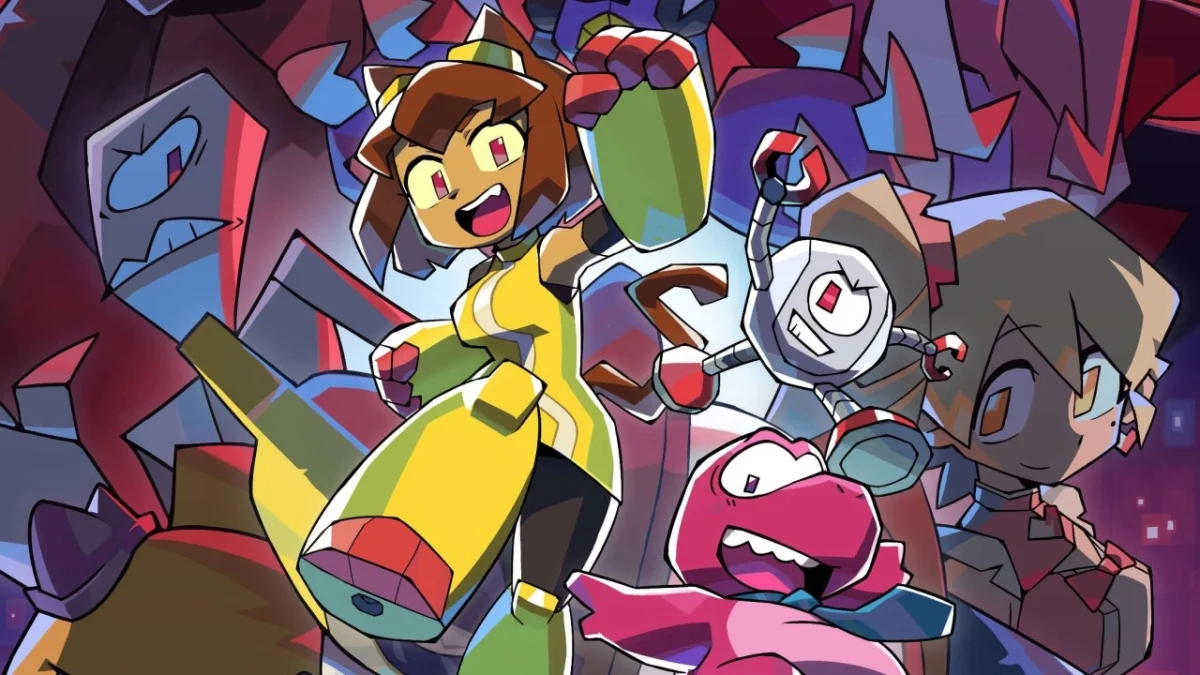
In a landmark move for independent digital animation, Glitch Productions—the powerhouse studio behind viral sensations The Amazing Digital Circus and Murder Drones—has officially greenlit a full, eight-episode season of Gameoverse. The action-comedy series, created by veteran animator and internet personality Ross O’Donovan (widely known as RubberRoss), has been one of the most anticipated projects in the creator-led animation space. Following the explosive success of its pilot, which amassed over 31 million views on YouTube since its release this past May, the studio has confirmed that fans can expect the series to begin its rollout on May 21, 2027.
The announcement signals a significant expansion of Glitch Productions’ portfolio. As the studio continues to redefine how animation is produced, distributed, and monetized outside the traditional studio system, Gameoverse stands as a testament to the power of community-driven content and long-term creative incubation.
The Narrative Premise: A Digital Dystopia
Gameoverse introduces audiences to a high-concept digital universe where every planet functions as a self-contained video game. The series follows the protagonist, Kit—voiced by Erica Lindbeck—and her crew, "Team Nimble," as they navigate these disparate worlds. However, the show subverts classic gaming tropes with a cynical, high-stakes twist: the moment a hero achieves victory in their game, the planet is destroyed.
This destruction releases a volatile, precious energy source known as "Float." Because the energy is tied to the conclusion of a hero’s journey, saving a world effectively means ensuring its villain can never truly be defeated. If the hero wins, the world dies; if the villain wins, the world survives, but at the cost of the inhabitants’ freedom.
The primary antagonist of the series is "Syntax," a malevolent force that manipulates heroes into winning their respective games. By forcing these victories, Syntax harvests the resulting Float energy, leaving a trail of decimated digital realities in its wake. This premise provides a rich, darkly comedic foundation for the series, blending the frenetic energy of video game aesthetics with a poignant commentary on the cost of "winning" and the cyclical nature of narrative tropes.
Chronology and Development: A Decade in the Making
The path to the screen for Gameoverse has been anything but conventional. While many YouTube series are conceived and produced in a matter of months to chase trends, Ross O’Donovan has been developing the concept for over a decade. This prolonged gestation period allowed O’Donovan to refine the lore, character dynamics, and visual language of the show before ever presenting it to a studio.

- 2017: Kevin and Luke Lerdwichagul found Glitch Productions in Sydney, Australia, establishing a self-funded model that prioritizes creative control and direct-to-audience distribution.
- May 2026: The pilot for Gameoverse is released on YouTube. It quickly becomes a viral phenomenon, signaling to the industry that O’Donovan’s unique brand of humor and high-fidelity animation has massive commercial appeal.
- Late 2026: Glitch Productions confirms that they are moving into production for a full season, following the studio’s earlier greenlight of Knights of Guinevere.
- May 21, 2027: The official premiere date for the first batch of episodes.
- August 27 and October 29, 2027: The scheduled release windows for subsequent episodes, suggesting a staggered rollout that keeps the audience engaged throughout the year.
Supporting Data: The Power of the Indie Model
The success of Gameoverse is part of a larger trend of independent animation studios eclipsing legacy media in terms of engagement. Glitch Productions, founded by the Lerdwichagul brothers, has become the gold standard for this transition. By retaining ownership and funding their own projects, they have bypassed the "gatekeeping" often associated with television networks and major streaming platforms.
The 31 million views on the Gameoverse pilot are not merely a metric of popularity; they serve as a proof-of-concept for investors and the industry at large. In the digital age, audience size is the ultimate currency. With millions of subscribers and a highly loyal fanbase, Glitch has managed to create an ecosystem where the audience feels personally invested in the success of the shows. This is a radical departure from traditional models where shows are often canceled before they find their footing.
Furthermore, the production values for Gameoverse are top-tier. By utilizing high-end talent, including voice actors such as Chris Sabat, Arin Hanson, Elsie Lovelock, JSchlatt, and Michael Cusack, the series maintains a professional polish that rivals major animated features. The inclusion of legendary video game composers Grant Kirkhope (Banjo-Kazooie) and Jake Kaufman (Shantae) further cements the series’ credibility within the gaming community it satirizes.
Official Responses and Creative Vision
The partnership between Ross O’Donovan and Glitch Productions appears to be one of mutual respect and creative synergy. In a statement posted to his YouTube channel, O’Donovan expressed his enthusiasm: "My series Gameoverse has been greenlit for a full season with 8 episodes. I’m really excited to share with you all what me and my team have been cooking."
Luke Lerdwichagul emphasized the importance of honoring the creator’s long-term vision during the production process. "We understand that this project is more than just a story for Ross," Lerdwichagul stated. "It is a deeply personal work that has been years in the making. We’re committed to honoring that vision and bringing it to the screen with the care it deserves."
This commitment to the creator’s voice is the cornerstone of Glitch’s success. Unlike traditional studios that often strip projects of their idiosyncrasies to appeal to a broader, "safer" demographic, Glitch has built its brand on the very elements that make its creators unique.

Implications for the Animation Industry
The greenlighting of Gameoverse carries significant implications for the future of the animation industry.
1. The Death of the "Gatekeeper"
For decades, animators were required to pitch ideas to networks, often sacrificing creative control, ownership, and pacing. Gameoverse represents a shift toward a creator-first economy. When an independent creator can generate 31 million views on a pilot, the necessity for a traditional network to "greenlight" a project is effectively rendered obsolete. The audience has already voted with their time and attention.
2. High-Budget Independent Production
There was a time when "YouTube animation" was synonymous with low-fidelity, Flash-based web cartoons. Glitch Productions has shattered that perception. By proving that 3D-rendered, high-fidelity action animation can be produced outside of major studios, they have set a new bar for quality. Other independent studios are now taking note, leading to a "renaissance" of high-quality, long-form storytelling on digital platforms.
3. Sustainability Through Merchandising and Digital Rights
While the article focuses on the creative aspects, the financial model behind Gameoverse is equally critical. By keeping the show independent, Glitch retains the rights to merchandise, digital assets, and potential spin-offs. In an era where streaming services are aggressively pruning their catalogs to save on "residuals," ownership is the only way to ensure long-term sustainability. This model allows the studio to pay their animators fairly and reinvest profits into future projects like Knights of Guinevere.
Conclusion
As the industry looks toward the May 2027 premiere, Gameoverse stands as a beacon for what is possible when talented creators are given the resources and the creative freedom to realize their vision. Ross O’Donovan has spent a decade crafting this digital universe, and with the backing of Glitch Productions, he is poised to deliver a series that is as intellectually stimulating as it is visually spectacular.
The success of this project will likely serve as a roadmap for other independent animators. As the lines between "YouTuber" and "Professional Studio" continue to blur, projects like Gameoverse remind us that the future of storytelling isn’t necessarily found in a boardroom, but in the minds of those who understand their audience best. Whether the series can maintain the momentum of its pilot remains to be seen, but one thing is certain: the landscape of animation has changed, and it is never going back.
