
The Megastudio Era: Paramount Skydance and Warner Bros. Discovery Finalize Historic $111 Billion Merger

By Jamie Lang | Updated October 1, 2026
Main Facts
The landscape of global entertainment has shifted irrevocably. Paramount Skydance’s monumental $111 billion acquisition of Warner Bros. Discovery (WBD) has cleared its final legal hurdle, paving the way for the creation of one of the largest media conglomerates in human history.
The transaction received its ultimate blessing on Wednesday when U.S. District Judge Araceli Martínez-Olguín formally approved a crucial settlement between Paramount and a coalition of 12 state attorneys general. These state officials had previously filed a coordinated antitrust lawsuit seeking to permanently block the merger. With the state-level opposition now officially withdrawn, the mega-deal is scheduled to officially close on October 6, formally dissolving Warner Bros. Discovery as an independent corporate entity and absorbing its vast library, studios, and cable networks into the Paramount Skydance ecosystem.
The final agreement—designed to appease antitrust regulators after months of intense legal wrangling—includes several operational concessions. Paramount has committed to releasing a minimum of 30 theatrical feature films annually for the next two years, bolstering domestic production spending within the United States, and establishing a $47.5 million relief fund earmarked specifically for industry workers who lose their jobs as a direct result of corporate restructuring.
However, despite these regulatory concessions, the fundamental reality of the transaction remains unchanged: two of Hollywood’s historic “Big Five” studios are becoming one, further consolidating an entertainment industry that has already endured years of aggressive downsizing, workforce layoffs, and corporate contraction.
Chronology of a Mega-Merger
The path to the Paramount Skydance and Warner Bros. Discovery combination was fraught with regulatory battles, strategic pivots, and intense behind-the-scenes negotiations.
- Early 2026: Rumors and preliminary talks regarding a potential combination of Paramount Skydance and Warner Bros. Discovery begin circulating through financial markets, signaling a renewed wave of consolidation in the wake of the previous WarnerMedia-Discovery merger.
- Spring 2026: Paramount Skydance formally unveils its jaw-dropping $111 billion bid to acquire WBD. The announcement immediately triggers widespread concern among labor unions, independent creators, and antitrust advocates regarding the potential monopolization of the entertainment sector.
- June 2026: The U.S. Department of Justice (DOJ) concludes its preliminary antitrust review, clearing the transaction to proceed at the federal level—a surprising green light that nevertheless leaves state-level regulators skeptical.
- July 2026: A coalition of 12 state attorneys general files a formal antitrust lawsuit in federal court to block the acquisition, arguing that the merger will severely harm competition in the theatrical film marketplace and basic cable distribution. Later that month, U.S. District Judge Araceli Martínez-Olguín grants a temporary halt to the transaction, ruling that the states had presented a compelling, legally sound case indicating potential consumer and market harm.
- September 2026: Facing prolonged judicial delays and mounting pressure, Paramount engages in intensive settlement talks with the dissenting state attorneys general, offering structural commitments regarding theatrical output and labor support.
- September 30, 2026: The 12 state attorneys general officially drop their lawsuit following the finalization of the settlement terms.
- October 1, 2026: Judge Martínez-Olguín signs off on the settlement, clearing the final legal obstacle standing in the way of the acquisition.
- October 6, 2026: The $111 billion merger is officially slated to close, merging the corporate infrastructure of Paramount Skydance and Warner Bros. Discovery.
Supporting Data and Financial Metrics
To understand the sheer magnitude of the Paramount Skydance-WBD deal, one must look at the unprecedented scale of the assets, libraries, and financial commitments involved:
- Acquisition Valuation: $111 billion, making it one of the largest corporate mergers in the history of the entertainment and media sector.
- Theatrical Output Mandate: Paramount has legally committed to producing and distributing at least 30 theatrical films annually for a duration of two years as part of the state settlement—an effort to maintain box office supply and exhibition stability.
- Labor Restructuring Fund: A $47.5 million relief package has been allocated to support displaced union and non-union workers impacted by corporate redundancies and studio downsizing.
- Litigation Coalition: 12 state attorneys general participated in the antitrust lawsuit against the merger, arguing that the reduction in competing studios violated regional and national fair-competition standards.
- Federal Stance: The U.S. Department of Justice (DOJ) chose not to block the transaction, creating a jurisdictional friction point that ultimately forced the states to negotiate concessions rather than pursuing a total prohibition of the deal.
Official Responses and Industry Reactions
The finalization of the merger has elicited starkly contrasting reactions from corporate executives, legal advocates, and labor representatives.
Industry leadership has framed the merger as an absolute necessity for survival in a hyper-competitive media ecosystem dominated by trillion-dollar technology conglomerates and global streaming giants. In public statements, Paramount representatives emphasized that combining the two storied studios will yield operational efficiencies, enhance technological infrastructure, and create a more robust, globally competitive streaming service capable of going toe-to-toe with the world’s largest tech platforms.
Conversely, creator advocacy groups, labor unions, and independent production associations have expressed profound disappointment. For months, organizations representing animators, writers, directors, and technical crew members warned that the elimination of a major studio buyer would inevitably depress creative wages, limit greenlight opportunities for diverse or risk-taking projects, and concentrate editorial control over legendary intellectual property into the hands of a microscopic corporate elite.
Legal analysts noted that while the 12 state attorneys general successfully extracted financial concessions and production minimums, their ultimate failure to block the merger highlights the severe limitations of modern U.S. antitrust enforcement, particularly when federal agencies like the DOJ decline to challenge massive vertical and horizontal integrations.
Implications for the Future of Entertainment
As the dust settles on the legal battlefield, the long-term ramifications of the Paramount Skydance and Warner Bros. Discovery merger will reshape the entertainment industry for decades to come.
.png)
1. For Hollywood Workers and Labor Unions
The most immediate and painful impact will be felt by the workforce. Merging two global entertainment titans inevitably leads to massive structural redundancy. While the $47.5 million worker relief fund provides a temporary cushion, thousands of administrative, technical, and creative positions across both companies are expected to be eliminated in the ensuing months. With one fewer major employer operating in Hollywood, displaced professionals will find a significantly contracted job market with fewer alternative landing spots.
2. For Creators and Independent Producers
In a healthy creative ecosystem, artists benefit from multiple competing buyers bidding for their scripts, series concepts, and animated features. The absorption of Warner Bros. Discovery—home to iconic brands like DC Comics, Cartoon Network, HBO, and Warner Bros. Pictures—into Paramount Skydance means creators face a heavily consolidated buyer’s market. Risk aversion typically spikes following mega-mergers, as corporate leadership prioritizes safe, established intellectual property over original storytelling.
3. For Consumers and the Theatrical Ecosystem
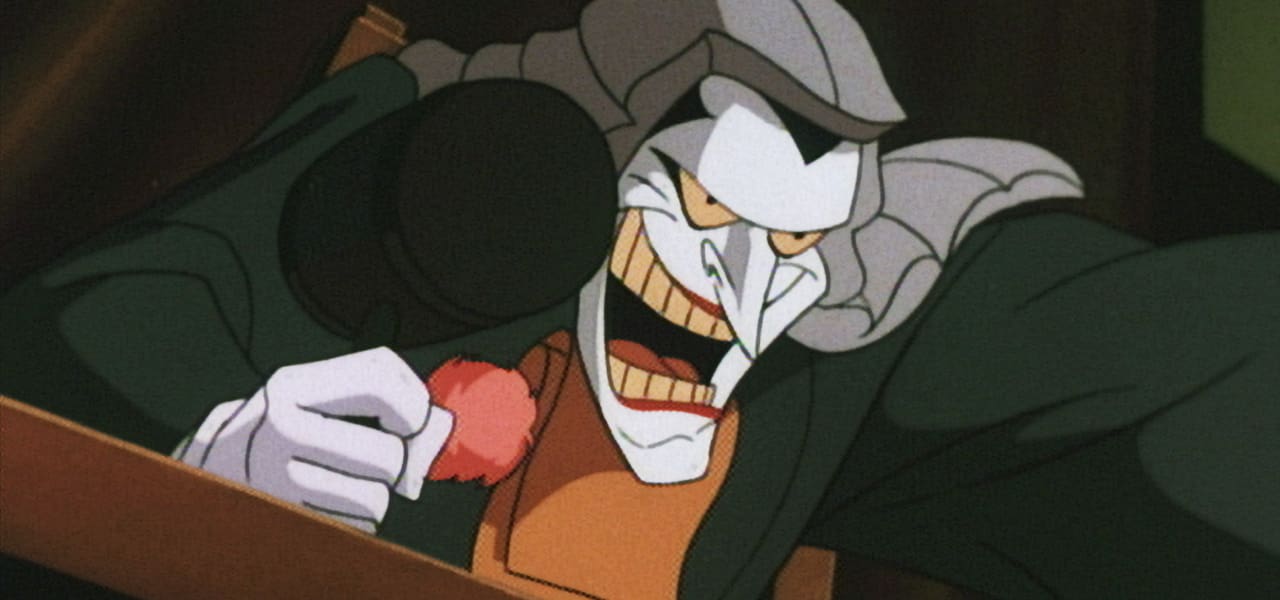
Audiences will soon navigate a streaming and cinematic landscape where two legendary Hollywood libraries—encompassing everything from the classic Looney Tunes and Batman: The Animated Series to Paramount’s historic film catalog—are governed by the same corporate boardrooms. While the two-year mandate for 30 annual theatrical releases offers a temporary guarantee of big-screen content, film historians and theater owners worry about the long-term health of mid-budget cinema in an era dominated by mega-budget corporate synergy.
Ultimately, the Paramount Skydance-WBD merger signals the twilight of the traditional studio system as it was known for a century. As the industry enters this new era of hyper-consolidation, the question remains whether any regulatory body retains the authority—or the inclination—to check the relentless march toward total media monopoly.
