
Firehouse 51 Faces the Heat: NBC Unveils High-Stakes Trailer for Chicago Fire Season 15, Episode 3
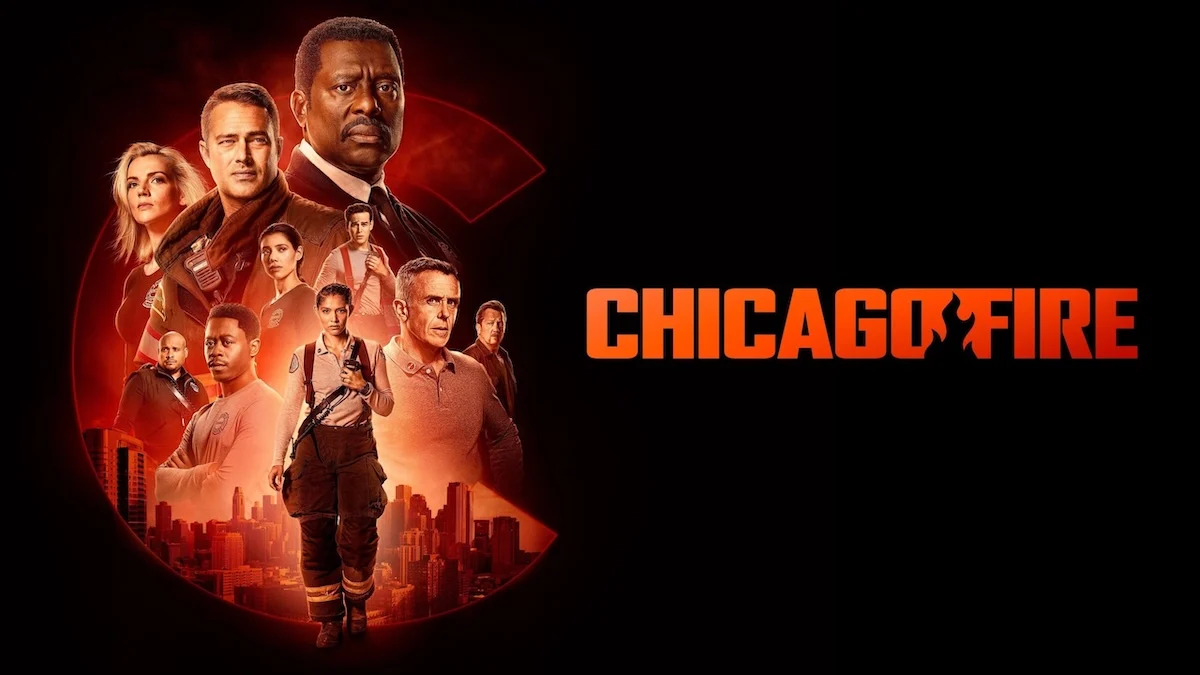
The heartbeat of Chicago’s emergency services continues to pulse with relentless intensity as NBC drops the official trailer for the third episode of Chicago Fire Season 15, titled "Take the Hit." As the long-running procedural drama deepens its exploration of the professional hazards and personal tribulations faced by the personnel at Firehouse 51, this latest installment promises to push the boundaries of the team’s resilience.
Main Facts: The Stakes of "Take the Hit"
"Take the Hit" arrives as a critical juncture in the fifteenth season of Dick Wolf’s juggernaut franchise. The episode centers on the volatile environment of Firehouse 51, where the line between duty and personal sacrifice is perpetually blurred. While specific plot spoilers remain tightly under wraps, the trailer suggests an escalation in the tactical challenges facing Lieutenant Kelly Severide (Taylor Kinney), Lieutenant Christopher Herrmann (David Eigenberg), and Lieutenant Stella Kidd (Miranda Rae Mayo).
The title itself, "Take the Hit," serves as a thematic anchor for the episode, implying a narrative arc where the characters must absorb the consequences of a recent decision or a physical confrontation. For the veteran firefighters of Rescue Squad 3 and Truck 81, the episode is set to test their internal cohesion, forcing them to balance the demands of high-risk rescue operations with the emotional toll of a life-or-death profession.
Chronology: A Legacy of Grit
Since its premiere, Chicago Fire has evolved from a standard procedural into a cornerstone of American television. The chronology of the series has seen Firehouse 51 survive massive structural reorganizations, leadership shifts, and the profound loss of beloved team members.
Season 15 finds the station in a state of calculated stability under the steadying influence of Deputy District Chief Wallace Boden (Eamonn Walker). However, this stability is frequently disrupted by the unpredictable nature of the city they serve. The current season has been building upon the established dynamics of recent years, integrating the expertise of veterans like Randy "Mouch" McHolland (Christian Stolte) and Joe Cruz (Joe Minoso) with the evolving roles of newer, albeit established, members such as paramedic Violet Mikami (Hanako Greensmith) and the dedicated Darren Ritter (Daniel Kyri).
The progression of the current season suggests a narrative trajectory that prioritizes long-form character development. By the time viewers reach Episode 3, the audience has already been primed to expect the visceral, heart-pounding action sequences that have become the series’ trademark, juxtaposed against the quiet, often strained domestic lives of those who inhabit the firehouse.
Supporting Data: The Powerhouse Behind the Scenes
The longevity of Chicago Fire is not accidental; it is the result of a meticulously crafted production environment. Executive produced by industry titan Dick Wolf, alongside Andrea Newman, Reza Tabrizi, Matt Whitney, and Peter Jankowski, the series is a flagship production of Universal Television, a division of Universal Studio Group, in association with Wolf Entertainment.
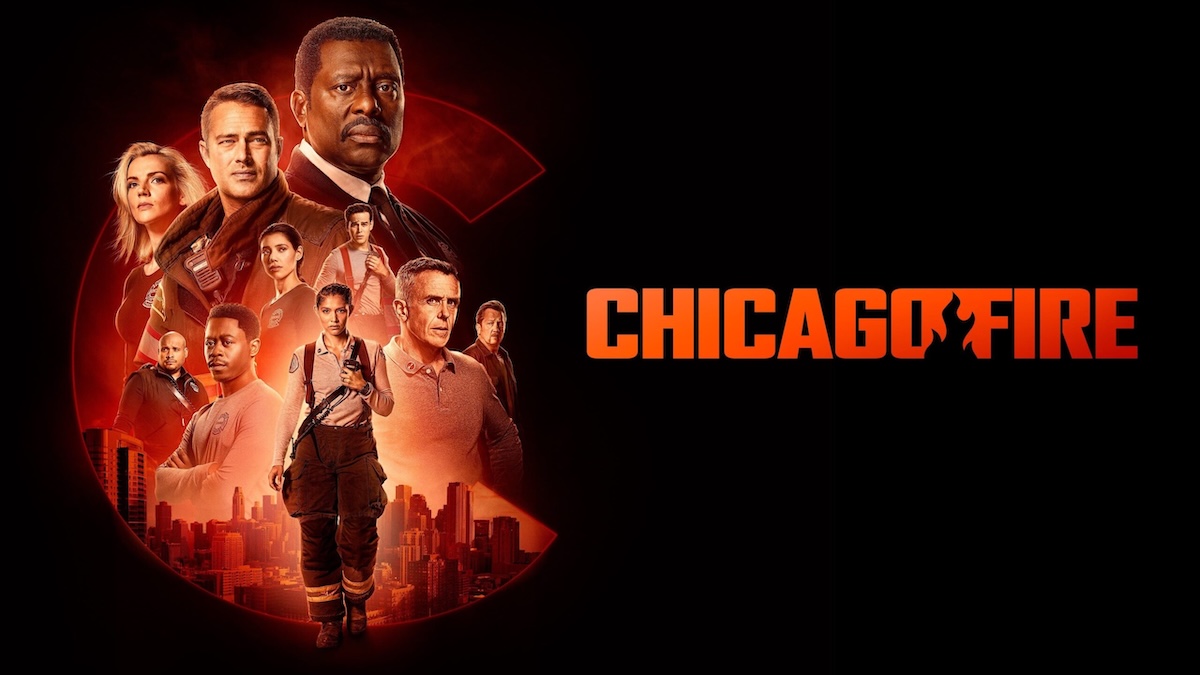
The cast remains a pivotal component of the show’s success. The ensemble includes:
- Jesse Spencer (returning as a touchstone of the series’ history)
- Taylor Kinney (Lt. Kelly Severide)
- Monica Raymund
- Eamonn Walker (Chief Wallace Boden)
- David Eigenberg (Lt. Christopher Herrmann)
- Joe Minoso (Joe Cruz)
- Yuri Sardarov
- Christian Stolte (Randy "Mouch" McHolland)
- Kara Killmer (Sylvie Brett)
- Miranda Rae Mayo (Lt. Stella Kidd)
This roster represents a blend of seasoned actors who have grown alongside their characters, providing an authenticity that resonates with viewers. The production quality, characterized by practical effects and a commitment to realistic fire-ground depiction, ensures that the show maintains its status as a top-tier drama on the NBC network.
Official Responses and Industry Context
The release of the trailer for "Take the Hit" follows the standard promotional cadence for modern television. In an era where digital engagement is paramount, the trailer acts as a vital bridge between linear broadcast and streaming platforms like Peacock.
Industry analysts note that the marketing strategy for Chicago Fire has shifted to emphasize "event television." By releasing high-intensity trailers that highlight specific episodic conflicts, NBC and Wolf Entertainment manage to maintain high engagement levels even as viewing habits migrate toward on-demand services. The trailer is designed not merely to provide a glimpse of the action, but to evoke the emotional stakes that define the "family" aspect of the Firehouse 51 dynamic.
The producers have consistently maintained that the goal of the series is to represent the duality of the firefighter experience: the adrenaline-fueled urgency of the job and the profound, quiet bonds formed in the firehouse kitchen. The promotional material for Episode 3 leans heavily into this duality, suggesting that the "hit" being taken is both physical—in the field—and emotional—in their personal connections.
Implications: The Future of Firehouse 51
What does "Take the Hit" portend for the remainder of Season 15? As the season progresses, the narrative implications are significant. The show is known for its "no one is safe" approach to character arcs, meaning that any incident in an episode can have lasting ramifications for the station’s roster.
- Leadership Dynamics: With Lieutenants Severide, Herrmann, and Kidd at the helm of their respective units, the episode will likely explore the pressures of command. As they are forced to make split-second decisions, the fallout of these choices often creates friction within the house.
- The "Family" Unit: The series’ core premise remains the idea that these professionals are a family. When one member is forced to "take a hit," it ripples through the entire house. This collective burden is what sustains the show’s emotional gravity.
- The Evolution of Paramedics: With the presence of experienced paramedics like Violet Mikami, the show continues to bridge the gap between fire rescue and emergency medical services, providing a comprehensive look at the crisis-response spectrum in Chicago.
Conclusion: A Must-Watch Episode
As fans eagerly await the broadcast of "Take the Hit," the anticipation serves as a testament to the enduring appeal of the Chicago franchise. Whether it is the spectacle of the rescue missions or the intricate, ongoing character dramas, Chicago Fire continues to command a loyal audience.
The trailer for Episode 3 is a visceral reminder of why this series remains a staple of NBC’s prime-time lineup. It is a show that asks its characters to run into the flames while simultaneously navigating the complexities of their own lives. For the audience, the invitation is simple: to witness the courage, the failure, and the ultimate triumph of the men and women of Firehouse 51.
As the episode approaches, viewers are encouraged to tune into NBC for the live broadcast and explore the aftermath of the episode on Peacock. With the stakes higher than ever, "Take the Hit" promises to be an essential chapter in the storied history of one of television’s most resilient firefighting units.
For those seeking to stay informed, detailed coverage of Chicago Fire, including episode recaps, character deep-dives, and exclusive industry news, remains available through official network channels and dedicated entertainment platforms.
