
A Historic Bid: How ‘Hanging by a Wire’ Is Redefining Pakistani Cinema at the Oscars
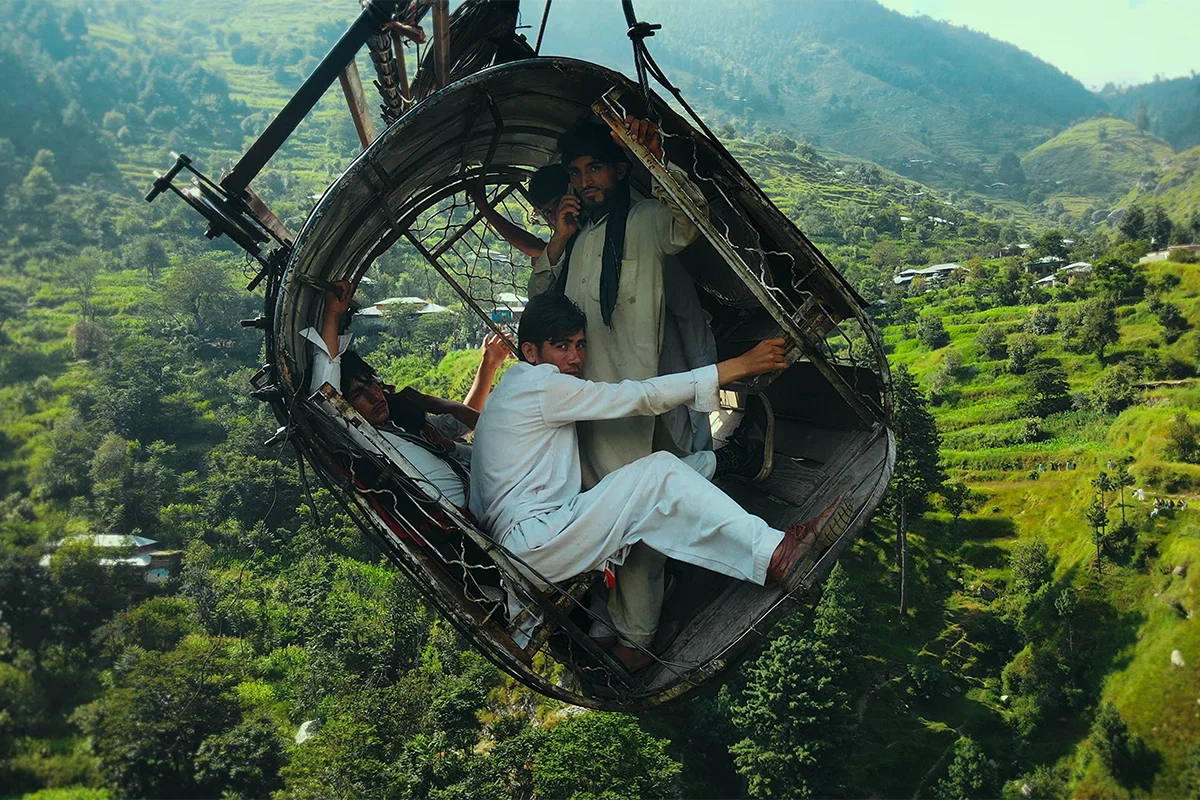
In a landmark decision that signals a shift in the global perception of non-fiction storytelling, the Pakistan Academy Selection Committee has officially tapped Mohammed Ali Naqvi’s high-octane documentary thriller, Hanging by a Wire, as the nation’s official submission for the International Feature Film category at the 99th Academy Awards. This selection is historic, marking the first time a documentary has been chosen to represent Pakistan in this prestigious category, challenging the traditional boundaries of what constitutes an “international feature.”
The film, a harrowing examination of one of the most nerve-wracking rescue operations in modern history, is set to carry the hopes of a nation as it navigates the competitive gauntlet of the Oscars. With its blend of documentary rigor and cinematic tension, Hanging by a Wire represents a maturation of Pakistani filmmaking, proving that the country’s stories are not merely regional anecdotes but globally resonant narratives of human endurance.
The Battagram Crisis: A Narrative of Suspense
At the heart of the film lies the terrifying ordeal of August 22, 2023. In the mountainous Battagram district of northern Pakistan, a simple commute turned into a nightmare when the cables of a local chairlift snapped. Eight passengers—six schoolboys and two adults—were left suspended 900 feet above a jagged ravine. For over 15 hours, the world watched in collective anxiety as the cable car swayed precariously in the wind, held by only a single, frayed line.
Naqvi’s documentary does not merely recount the events; it reconstructs the visceral terror of the experience. By utilizing raw footage captured by witnesses on the ground, intimate testimonies from the survivors, and carefully choreographed reenactments involving the actual rescue participants, the film creates a sense of immediacy that is rarely found in the documentary genre. It explores the psychological toll on the trapped passengers and the desperate, clock-is-ticking efforts of the Pakistani military and local zip-line experts to execute a daring rescue in high-altitude, treacherous conditions.
A Chronology of the 2023 Rescue
To understand the weight of the film, one must look at the timeline of the actual event, which Hanging by a Wire masterfully preserves:
- 07:00 AM: Eight passengers board a makeshift chairlift in Allai Valley, Battagram, to cross a deep gorge for school and work.
- 08:00 AM: A main cable snaps, leaving the car dangling at a 900-foot altitude.
- 09:00 AM – 02:00 PM: News of the crisis breaks. The Pakistani public is glued to live news feeds. International media outlets pick up the story, highlighting the precarious nature of rural infrastructure in the region.
- 03:00 PM – 06:00 PM: Multiple helicopter rescue attempts fail due to extreme winds and the risk of the downdraft destabilizing the remaining cable.
- 07:00 PM: As night falls, the temperature drops, and the survivors’ physical exhaustion reaches a breaking point.
- 08:00 PM – 11:00 PM: Local zipline experts, working in total darkness, reach the cable car. In a series of breathtaking maneuvers, the eight passengers are extracted one by one.
- 11:30 PM: The final survivor is brought to safety, concluding a day that captivated the global consciousness.
The Creative Engine: Behind the Lens
Directed by Mohammed Ali Naqvi and written and produced in collaboration with Bilal Sami, Hanging by a Wire is the product of an international production coalition. The film was brought to life through the combined efforts of EverWonder Studio, Universal Pictures Content Group, Mindhouse Productions, and 64th Street Media.
The documentary’s journey to the Oscars began on the festival circuit, where it received critical acclaim for its technical ambition. It debuted at the 2026 Sundance Film Festival as part of the prestigious World Cinema Documentary Competition, where it was praised for its "unflinching look at systemic vulnerability." It later made waves at the Tribeca Festival, cementing its status as a must-see piece of non-fiction cinema.
The distribution strategy for the film is equally ambitious. Dogwoof has secured theatrical rights for the United Kingdom, while Abramorama manages the U.S. theatrical rollout. On October 28, the film will reach a wider audience via a global streaming release on Paramount+, ensuring that the story of the Battagram survivors reaches millions of homes before the Oscar voting cycle concludes.
Official Responses and the Selection Process
Sana Zahra Jafri, the deputy chair of the Pakistan Academy Selection Committee, formally announced the selection, framing it as a turning point for the nation’s film industry. "This is a historic milestone," Jafri stated. "By selecting Hanging by a Wire, we are acknowledging that the lines between documentary and narrative feature are blurring. This film represents the best of our storytelling—it is urgent, deeply moving, and technically brilliant."
The committee, which consists of prominent figures in Pakistani cinema, faced a difficult task in a year defined by a resurgence in local production quality. However, the decision to pivot toward a documentary was seen as a bold endorsement of the creative risks taken by Naqvi and his team.
Implications for Pakistani Cinema
Pakistan’s history with the Academy Awards has been one of perseverance. Since its first submission in 1959, the country has submitted 13 films, yet an official nomination has remained elusive. The closest the nation has come was in 2022 with Saim Sadiq’s Joyland, which broke barriers by making the shortlist, signaling that the international voting body was finally paying attention to the unique cultural tapestries being woven in Pakistani cinema.
By submitting Hanging by a Wire, Pakistan is making a strategic play. The documentary genre is currently enjoying a "golden age" in the Academy, with more non-fiction films competing in broader categories than ever before. If Hanging by a Wire manages to secure a nomination, it would not only be a personal victory for Naqvi but a validation of the growing technical sophistication of the Pakistani film industry.
Furthermore, the film highlights a critical issue: the intersection of infrastructure, geography, and human resilience. By bringing the Battagram rescue to the international stage, the film forces a conversation about the safety of mountain communities and the lack of infrastructure that leaves millions of people, particularly children, in a state of "hanging by a wire" every single day.
The Path to the 99th Academy Awards
As the campaign season begins, the team behind Hanging by a Wire faces the formidable task of standing out in a crowded field of international submissions. The film’s strength lies in its universal appeal; the fear of falling and the desperation of a rescue mission are human experiences that transcend language and borders.
The international feature film category is historically dominated by traditional dramas, but the Academy’s recent inclusion of documentaries—such as Collective and Honeyland—suggests a growing openness to diverse forms of storytelling. Naqvi’s film, with its high-stakes tension and cinematic reenactments, is perfectly positioned to bridge the gap between "hard" documentary and the narrative-driven storytelling that Oscar voters traditionally favor.
For the Pakistani audience, the film is a source of immense pride. It documents a moment when a nation stood still, watching with bated breath as the impossible was achieved. For the global audience, it is a testament to the power of the human spirit. As the 99th Academy Awards approach, all eyes will be on the Battagram rescue, hoping that this time, the recognition will finally arrive.
In the final analysis, Hanging by a Wire is more than just a submission; it is a declaration of intent. It asserts that Pakistani filmmakers are no longer satisfied with being on the periphery of the global cinematic conversation. They are, quite literally, reaching for the heights, and if the early critical reception is any indicator, they may well find themselves on the biggest stage of all.
