Painting with Neon and Shadows: How Cinematographer John Matysiak and Astera Recreated 1970s Grindhouse Grit for Motor City
Main Facts
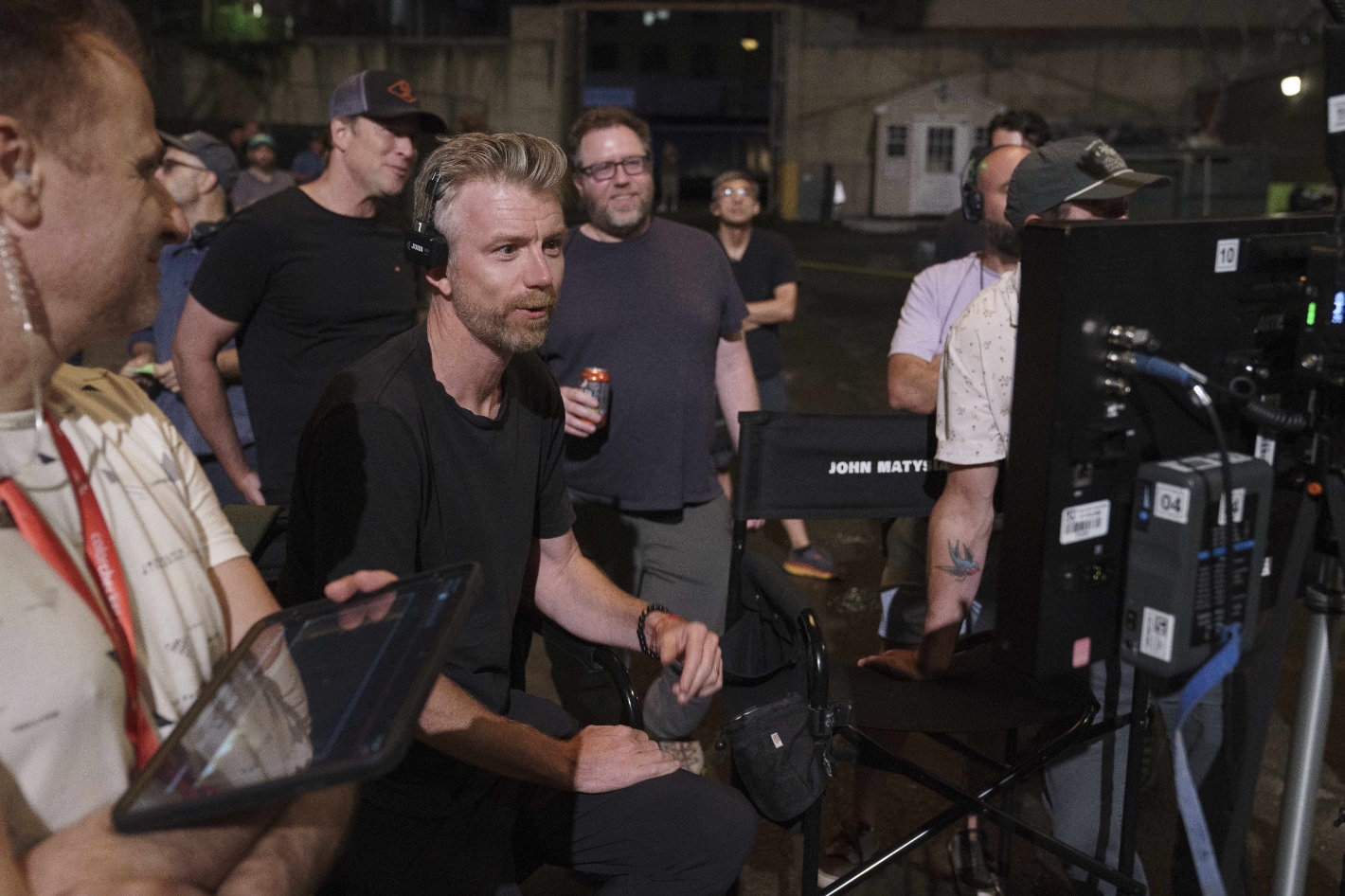
Directed by Potsy Ponciroli and lensed by acclaimed cinematographerJohnMatysiak (Old Henry, Winning Time, Big George Foreman), the high-octane crime thriller MotorCity plunges audiences into a visceral, near-wordless cinematic experience. Starring Alan Ritchson, Ben Foster, and Shailene Woodley, the film relies heavily on atmospheric tension, striking visual poetry, and raw physicality rather than traditional exposition. Containing fewer than a dozen lines of dialogue in its entire runtime, the movie operates as a kinetic throwback to the gritty, pulse-pounding grindhouse cinema of the 1970s.
To achieve this distinct aesthetic, Matysiak partnered with gaffer Jason Velez to merge period-authentic lighting design with cutting-edge technology. Rather than relying solely on traditional fixtures or purely digital environments, the production utilized Astera LED tubes—specifically Titan and Hyperion models—paired seamlessly with visual effects (VFX). This hybrid approach allowed the crew to paint scenes with vibrant neon hues, simulate the natural imperfections of vintage electrical grids, and construct an immersive, graphic-novel-inspired visual landscape that defines the turbulent underbelly of Detroit. Captured predominantly in New Jersey using ARRI Alexa 35 cameras and Master Anamorphic lenses, Motor City stands as a masterclass in modern cinematography mimicking analog grit.
Chronology
The visual identity of Motor City was forged through a meticulous, multi-stage production timeline that prioritized pre-planning and on-set flexibility.
1. Pre-Production and Visual Conception
Long before cameras began rolling, director Potsy Ponciroli and John Matysiak engaged in extensive visual research. The duo immersed themselves in 1970s cinema, analyzing not just the color palettes of the era, but the behavioral quirks and physical inconsistencies of older lighting sources. They established a core creative challenge: how to capture the larger-than-life characters and gritty industrial atmosphere of Detroit while shooting largely in New Jersey locations. The collaboration between Matysiak and gaffer Jason Velez during location scouting proved pivotal; they identified spaces that organically warranted neon signage, planning how practical LEDs could substitute for real-world fixtures to interact dynamically with actors, streets, and reflective surfaces.
2. Principal Photography and Practical Lighting Execution
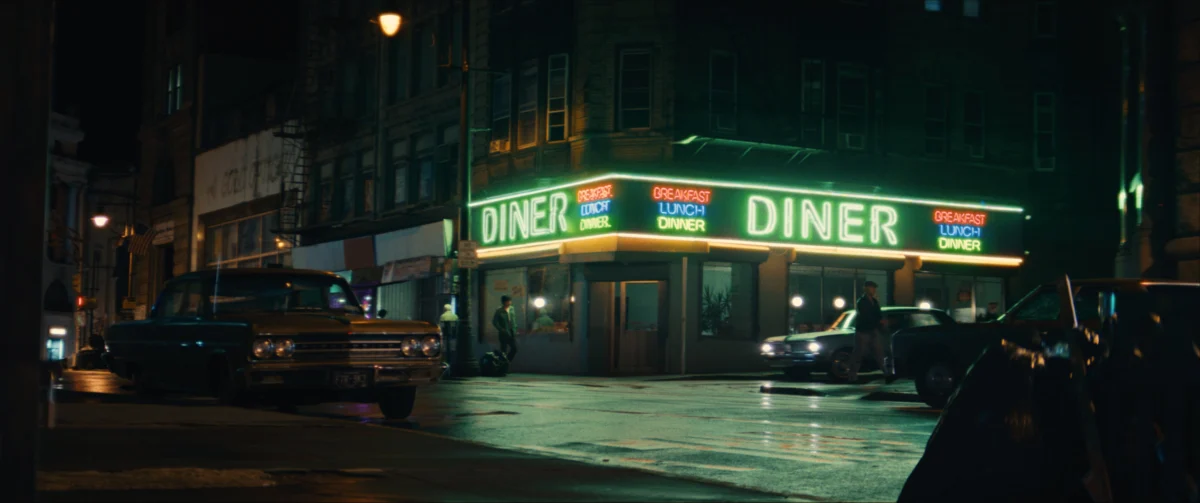
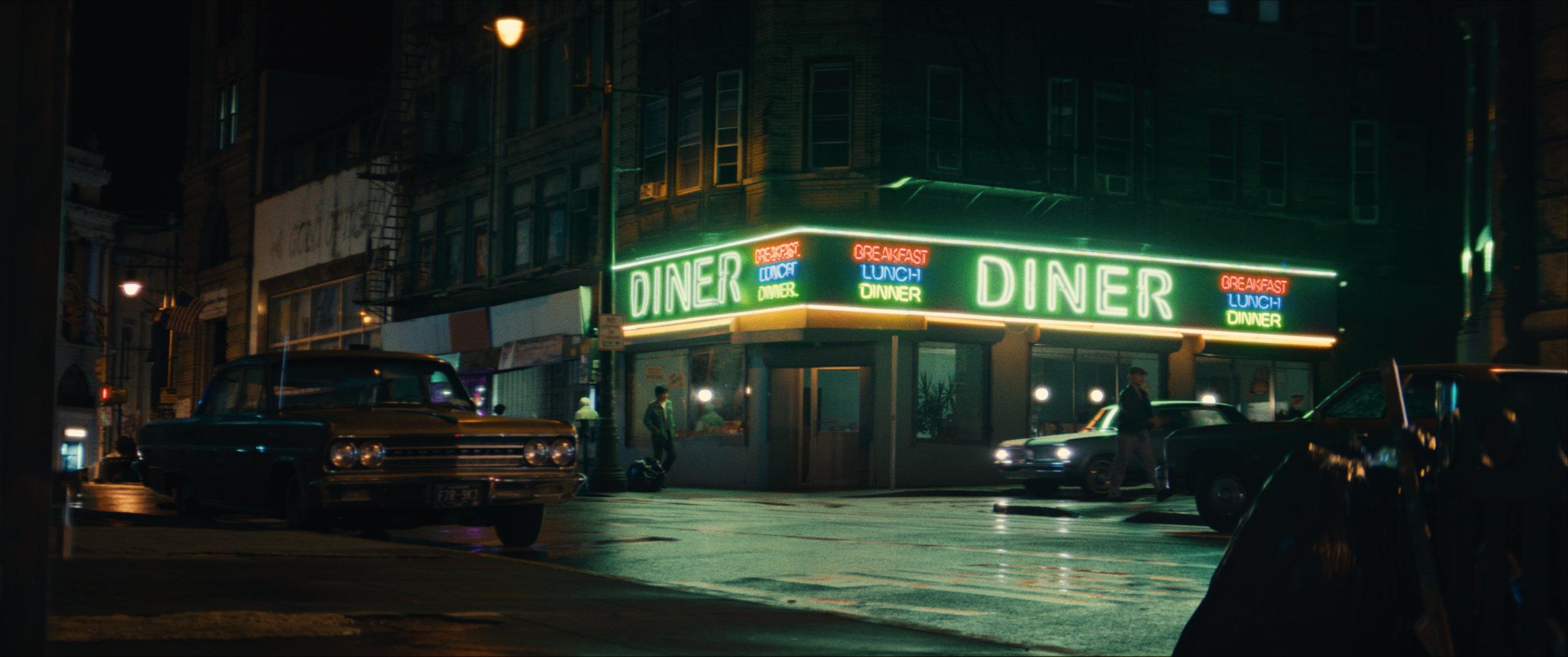
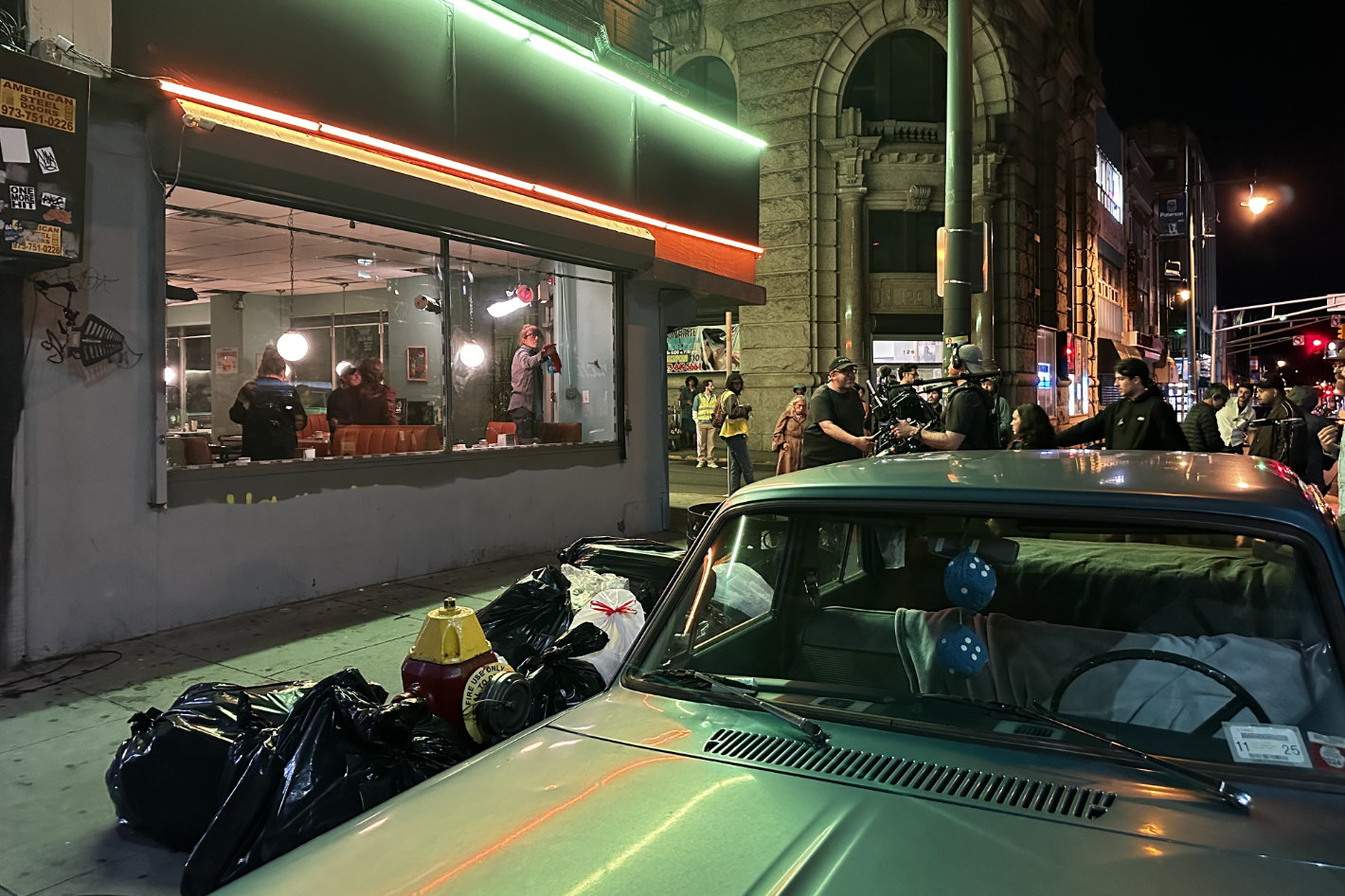
During production, the crew utilized state-of-the-art Astera Hyperion and Titan Tubes to construct complex lighting setups. Instead of installing fragile, expensive, and potentially dangerous vintage neon or fluorescent tubes, the production team relied on Astera fixtures embedded directly into set designs or placed strategically off-camera. For exterior sequences, such as the glowing green-and-orange "Diner" sign where Sophia (Shailene Woodley) and Reynolds (Ben Foster) share a pivotal confrontation, Astera Hyperion Tubes were mounted just above the windows. This provided precise, chromatic color spill and reflections on the actors and wet pavement, which digital artists later used as a foundational blueprint to layer in period-accurate neon signage via VFX during post-production.
3. Post-Production and Final Integration
In the final stages, the physical light emitted by the Astera tubes guided the digital effects team in rendering glowing signs, fluorescent overheads, and dynamic light sources that matched the recorded environmental reflections. This symbiotic workflow ensured that actors’ skin tones, wardrobe textures, and set dressings were naturally illuminated by real light rather than artificially grafted digital glows, cementing the analog illusion and elevating the film’s high-contrast, graphic-novel aesthetic.
Supporting Data
The visual architecture of Motor City is supported by specific technical choices and equipment integrations that highlight the evolution of modern LED lighting in narrative filmmaking:
Camera and Optics: The production utilized the ARRI Alexa 35 digital cinema camera paired with Master Anamorphic lenses, often capturing sequences in slow motion to amplify the visceral, dreamlike quality of the narrative.
Lighting Hardware: Astera Hyperion Tubes and Titan Tubes served as the backbone of the production’s lighting design. Their high color-rendering index (CRI), wireless DMX capabilities, and battery-powered mobility allowed the crew to hide them inside tight architectural spaces—such as overhead elevator banks and cramped interrogation rooms.
Dialogue Economy: With under a dozen lines of spoken dialogue in the entire film—predominantly consisting of short sentence fragments tied to physical actions—the lighting and sound design carry 100% of the emotional and narrative weight.
Cast Lineup: Headlined by Alan Ritchson (portraying wrongfully accused protagonist John Miller), Ben Foster (as the menacing Reynolds), and Shailene Woodley (as Sophia), the ensemble cast delivers high-intensity performances reliant on physical expression.
Official Responses
Reflecting on the unique creative hurdles of the production, cinematographer John Matysiak emphasized the paradox of using ultra-precise modern technology to recreate a less-than-precise historical era.
"We asked ourselves, ‘how do we represent that 1970s era in a way that feels authentic and grounded, given these larger-than-life characters?’" Matysiak explained. "We spent a lot of time watching films from the 1970s, trying to understand not just what the sources were, but how they behaved. Older sources have inconsistencies… Practically, Astera gave us a way to recreate a lot of those imperfect effects. The paradox is that we then used some of the most precise lighting technology available to recreate a world that was much less precise."
Discussing the practical execution of the film’s neon-drenched streetscapes and interiors, Matysiak highlighted the immense creative freedom provided by wireless LED systems:
"While location scouting, gaffer Jason Velez and I looked for places that seemed like they would organically have a neon sign. Then we’d use a combination of Astera Tubes, either actually building them into the set via the production design, or if we planned a VFX lighting element placed somewhere, we would use the output of the Tubes to light our subjects, streets, and reflections. Then in post, the actual fixtures themselves would be replaced by period-accurate neon signs."
Matysiak further underscored the value of adaptability during high-pressure action sequences, such as the brutal elevator fight near the film’s climax:
"From the beginning, we knew we wanted the flexibility and control that Astera gives you. That’s really the advantage—it’s not only the quality of the light, but also being able to make those intuitive decisions right up until we roll. We were able to refine the lighting over and over again up until the camera rolled. It gives you more choices."
Implications
The cinematography and production techniques deployed in Motor City signal a broader shift in how filmmakers approach period pieces and action-driven narratives. By marrying high-output wireless LED technology—such as Astera’s tube ecosystem—with modern visual effects, productions can bypass the safety hazards, high maintenance costs, and electrical limitations of vintage neon and fluorescent practicals without sacrificing visual authenticity.
Furthermore, Motor City proves that minimalist storytelling can thrive in the modern cinematic landscape. In an industry frequently dominated by heavy exposition and dialogue-driven scripts, the film demonstrates that lighting, color theory, and camera movement can successfully shoulder the narrative burden. By treating light as a primary emotional language—painting characters in muddy greens, harsh fluorescent whites, and bleeding neon reds—Matysiak and his crew have established a blueprint for visceral, atmospheric filmmaking that resonates deeply with audiences long after the credits roll. Motor City is currently available to stream on Amazon Prime.