
Inside the Digital Ecosystem: How Modern VFX Studios Have Evolved From Hired Hands to Creative Partners
Over the past three decades, computer-generated imagery (CGI) and digital effects have transformed from specialized novelties into the fundamental scaffolding of modern filmmaking. No longer relegated to the tail end of a linear production pipeline, visual effects (VFX) studios are increasingly operating as core creative partners, shaping everything from early-stage conceptual design and real-time pre-visualization to final post-production execution.
However, this maturation of digital technology has coincided with a period of profound industry restructuring. Driven by shifting streaming economics, pandemic-era workflow innovations, and recent labor strikes, the relationship between production companies and VFX vendors is undergoing a dramatic evolution.
Main Facts: The Modern VFX Landscape
The contemporary visual effects industry is characterized by deep integration, technological acceleration, and a complex web of logistical relationships. Key developments defining the current era include:
- Early Departmental Integration: Fueled by remote toolsets and cloud-based collaboration accelerated during the COVID-19 pandemic, filmmaking has shifted from a rigid, linear assembly line to a vertical, highly collaborative process. Departments like editing, sound, and visual effects are entering the fold much earlier.
- The Rise of Real-Time Tech: Tools like Unreal Engine are no longer reserved for gaming; they are now staples of VFX pre-visualization. Studios utilize them to lock down camera blocking, test assets, and iterate in real-time alongside directors and cinematographers.
- The "Taboo" Paradox: Despite VFX being an absolute necessity for modern storytelling, marketing campaigns frequently downplay or entirely erase its usage, creating a persistent morale challenge for artists who see their work dismissed in public-facing PR narratives.
- Post-Strike Financial Realignment: Following the turbulent fallout of the recent actors’ and writers’ strikes, production budgets have contracted. Financial stakeholders have clamped down on the runaway spending of the early streaming wars, forcing a new economic equilibrium across the industry.
Chronology: From Linear Pipelines to Vertical Ecosystems
To understand how visual effects reached its current operational model, industry veterans point to a multi-decade evolution in studio workflows and production pipelines.
The Traditional Era (Late 1990s – 2010s)
For years, the VFX pipeline operated on a strict, sequential basis. Principal photography would wrap, editorial would assemble a rough cut, and shots would then be "tossed over the wall" to multiple vendors piecemeal. Studios functioned primarily as hired hands tasked with executing isolated, heavy-lift shots—such as a sci-fi space battle or a complex creature creation—with very little input into the foundational design of the production.
The Pandemic Catalyst (2020 – 2022)
The global pandemic fundamentally forced the entertainment industry to rethink remote collaboration. Out of necessity, studios adopted cloud-based infrastructures and real-time communication tools. This operational shift broke down traditional departmental silos. Editors, sound designers, and VFX supervisors began interfacing during pre-production rather than post-production, establishing a dynamic blueprint for projects before cameras even rolled.
The Streaming Boom and Subsequent Correction (2022 – 2025)
Following the lockdowns, traditional linear networks and streaming giants engaged in a fierce race for content volume, commissioning an unprecedented wave of productions that overtaxed the global VFX pipeline. However, corporate accountants eventually reined in the unchecked spending. The subsequent industry-wide strikes served as a hard reset, prompting financial stakeholders to pump the brakes and usher in a more deliberate, cost-conscious era that has stabilized into a new normal.
Supporting Data: Perspectives from Industry Leaders
The nuances of this evolving ecosystem are best understood through the experiences of the top-tier studios navigating its challenges and opportunities.
Ecosystems and Sole Vendors
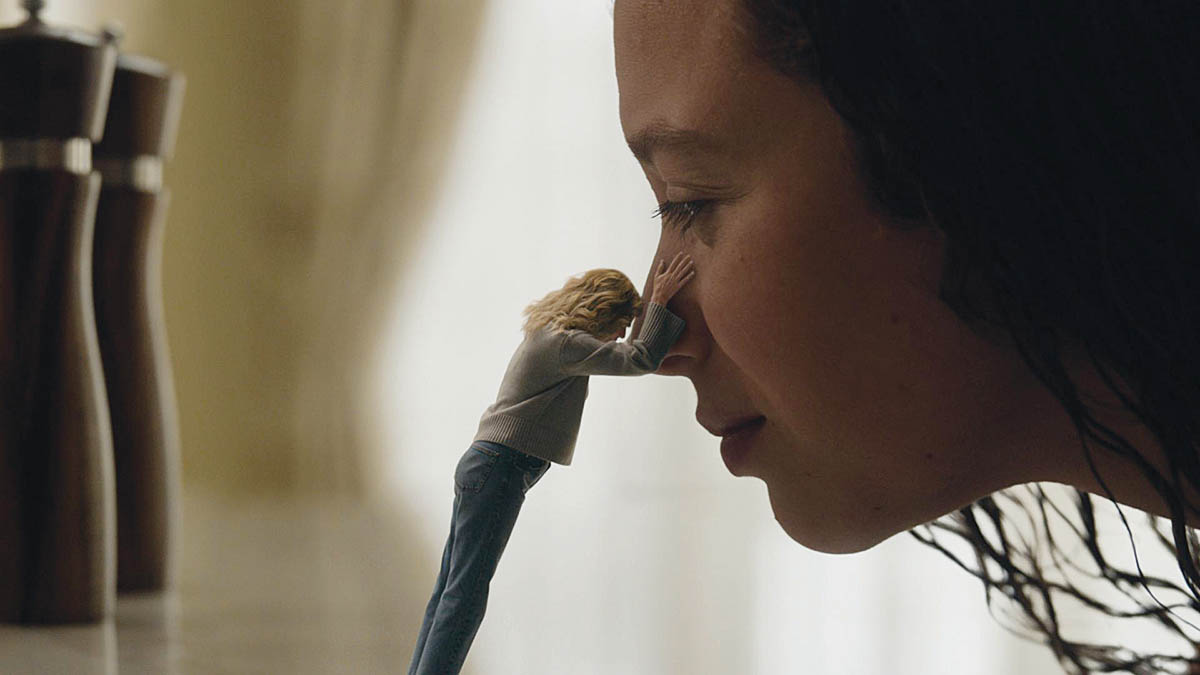
Chris Jones, Founder and Executive Creative Director of Zoic Studios—known for their work on projects like Peacock’s The Miniature Wife—highlights the structural differences of modern show ecosystems.
"It’s an incredibly fluid world right now," Jones states. "Each show seems to have its own ecosystem. In some scenarios, we are the sole vendor, which is advantageous for a lot of reasons. The show is not being piecemealed out across a ton of different vendors, so you have a much greater view of the overall project and can contribute at a higher level."
When a vendor-side supervisor is involved early, they can help shape creative solutions within budgetary limits to maximize production value. Conversely, production-side supervisors allow vendor studios to lean heavily into their core competencies, minimizing administrative distractions.
Real-Time Pre-Visualization and Rocket Science VFX
Christa Tazzeo Morson, Vice President of Global Partnerships and Executive Visual Effects Producer at Rocket Science VFX, notes that the integration of Unreal Engine has redefined client interactions, particularly on high-profile series like Netflix’s Wednesday.
"Clients are continually pushing for higher standards. They want to see more advancement and efficiency in the process," Morson explains. "Unreal Engine allows us to work in real-time, back and forth with our clients. Also, it sets a stronger foundation for the production. We can develop cameras and blocking and work more collaboratively."
Cross-Departmental Collaboration at CoSA VFX
Tom Mahoney, Founder and Partner of CoSA VFX, emphasizes that visual effects cannot exist in a vacuum. Because VFX touches virtually every aspect of physical and post-production, communication is paramount.
"On a given project, there’s almost no way I’m not in close communication with the stunts supervisor, special effects supervisor, cinematographer, camera operators, wardrobe, makeup, transportation, and props," Mahoney notes.
Mahoney advocates for a pragmatic approach to practical versus digital effects: "If something can’t be done physically, like shooting in space, then visual effects come in. If it’s not safe… or if it’s too expensive or logistically prohibitive to do it practically, like one shot of a cruise ship on the horizon… sure, you could shoot that practically, but it’s going to be a lot cheaper to do a visual effect there."
BlueBolt and the Changing Scope of Indie Filmmaking
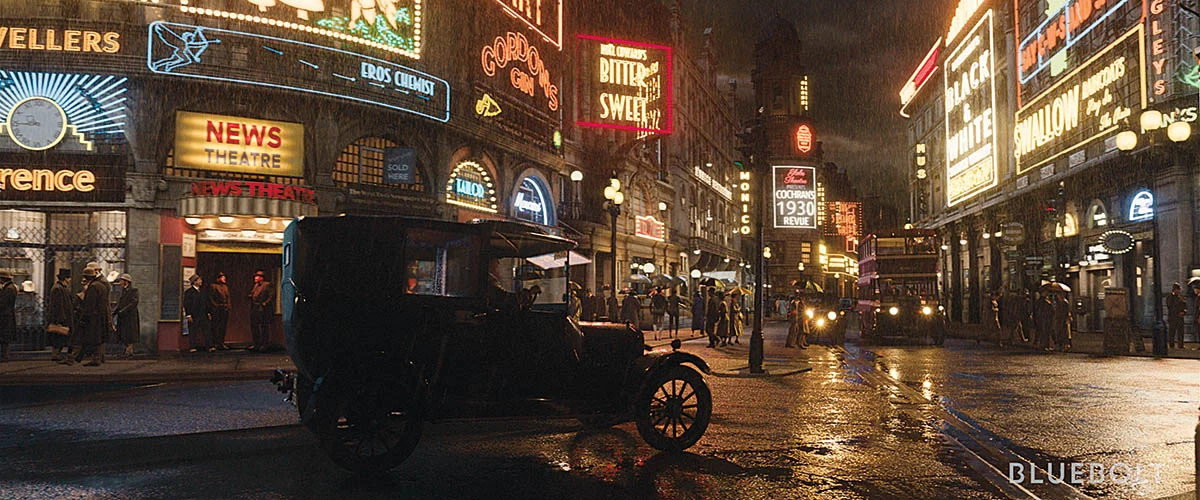
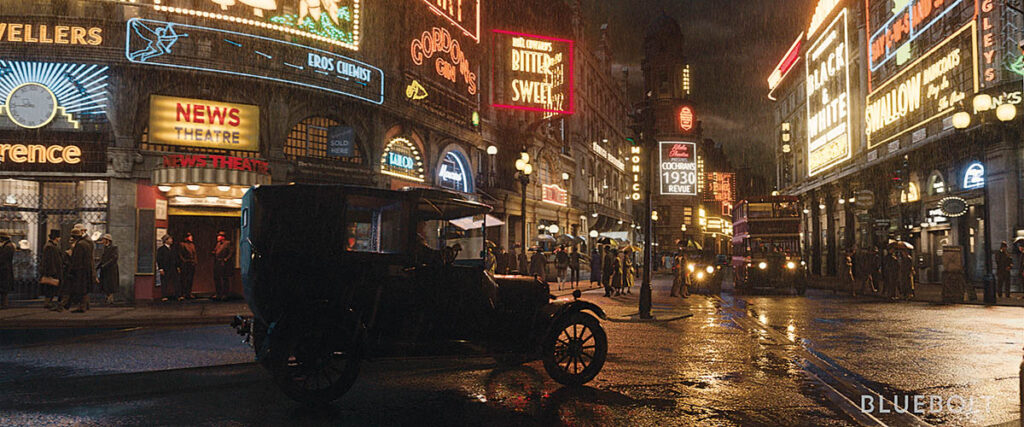
Henry Badgett and Tracy McCreary of BlueBolt—whose credits include Nosferatu and Downton Abbey: The Grand Finale—have observed a radical shift in how independent and mid-tier films utilize visual effects.
"The indie films we used to do at MPC 25 years ago would have five to 10 visual effects shots, with a maximum of 20," Badgett recalls. "Now the same sort of indie film will come along, and they will have absolutely no limits on what they’re going to ask us to bid on."

Furthermore, audience expectations for polish have skyrocketed. McCreary points out that invisible cleanup work—such as removing stray crew reflections, modern infrastructure, or digital wire artifacts—is no longer optional. "No film can go out there with things that need to be cleaned up remaining on the project. They have to find the money for these things because audiences have such different expectations these days."
Official Responses and Industry Sentiment
While the technical relationship between filmmakers and VFX artists is stronger than ever, cultural friction points persist, particularly regarding marketing transparency and financial recovery.
The Morale Dilemma of "Invisible" Effects
A persistent point of contention among digital artists is the Hollywood PR trend of marketing films by boasting about the absence of digital effects.
Chris Jones addresses the psychological toll this takes on creative teams:
"As far as affecting the creative, it affects the morale of the artists more than anything… Every artist goes into it knowing the work they’re putting on the screen is the best it can possibly be… When filmmakers turn around and say, ‘There were no visual effects in it,’ from a company standpoint, you understand that, smile, and know deep inside that there were hundreds of visual effects in it."
Tom Mahoney echoes this frustration, drawing a parallel to other foundational crafts:
"I would also like to see visual effects valued for what it is. It’s neither good nor bad. We can’t use visual effects because it’s bad, or market it by saying we didn’t use visual effects, even though a ton were used. It’s like cinematography, editing, or art direction."
Post-Strike Economic Realities
Reflecting on the impact of the recent actors’ and writers’ strikes, Mahoney explains how the disruption forced a long-overdue valuation check across the board.
"The actors’ strike gave every accountant a chance to say, ‘Put the brakes on what you’re doing. We can’t be spending money like crazy as we’ve been doing for the past 10 months,’" Mahoney says. Rather than snapping back to pre-strike spending habits in 2025, the industry has slowly settled into a deliberate, sustainable equilibrium.
Implications for the Future of Filmmaking
As the dust settles on post-pandemic expansion and strike-induced contractions, the visual effects industry is poised for a period of refined maturity. Several key implications emerge from this new paradigm:
- Redefined Studio Roles: VFX houses are shedding their old reputation as passive rendering factories. By embedding artists and supervisors into the earliest phases of pre-production, studios are actively helping filmmakers solve complex logistical and narrative puzzles.
- Standardized Digital Tools: The bleeding edge of real-time rendering engines (like Unreal Engine) and shared digital art departments mean that live-action and post-production crews are finally "speaking the same language." This reduces costly miscommunications—which Mahoney notes can bleed hundreds of thousands of dollars from a production.
- Balancing Vision and Collaboration: Directors generally fall into two camps: visionary auteurs like Robert Eggers, who meticulously control every pixel of the frame, and collaborative directors who rely on VFX studios to bring options and toolkits to the table. Modern VFX studios must remain flexible enough to cater to both approaches.
- The Need for Cultural Recognition: For long-term industry health, cultural attitudes toward visual effects must mature. Just as audiences and marketers learned to appreciate the art of cinematography and editing decades ago, acknowledging VFX as an essential pillar of storytelling—rather than a deceptive shortcut—will be crucial for preserving artist morale and studio sustainability.
Ultimately, the future belongs to those visual effects studios that combine elite technical execution with robust interpersonal relationships. As Chris Jones summarizes, "The key is for VFX studios and talent to do what they do best and build relationships with their clients. Ultimately, that’s where there will be success."
