
Rumor Mill Goes Into Overdrive: Is Sigma Preparing to Launch the Cine-Focused fp II with a Built-In EVF?
By Global Tech & Photography Desk
Published: October 2023 / Updated for Industry Analysis
Main Facts
The digital imaging community is currently buzzing with intense speculation following an exclusive report from the trusted camera rumor outlet L-Rumors. According to multiple sources close to the supply chain and manufacturing sector, Sigma is preparing to launch a spiritual—and literal—successor to its cult-classic modular full-frame mirrorless cameras: the Sigma fp II.
While industry insiders urge a healthy degree of skepticism given the volatile nature of pre-release leaks, the rumored specifications point to a heavily video-centric device designed to shake up the independent filmmaking and hybrid creator markets. The core highlights of the rumored Sigma fp II include:
- Built-in Electronic Viewfinder (EVF): Resolving one of the primary criticisms of the original Sigma fp and fp L models, the fp II is rumored to feature an integrated EVF, eliminating the need for bulky, awkward external bolt-on units like the previous EVF-11.
- 24-Megapixel Full-Frame Sensor: In a surprising pivot from the high-resolution 61-megapixel sensor found in the fp L, the new model is said to utilize a 24MP full-frame sensor, signaling a decisive return to prioritizing low-light sensitivity, read-out speeds, and video performance over ultra-high-resolution stills.
- Advanced Cine Capabilities: The camera is heavily rumored to feature open-gate recording capabilities and internal RAW video capture, cementing its status as a pocket-sized cinema powerhouse within the L-Mount Alliance ecosystem.
- Price Point: Industry whispers peg the anticipated retail price at approximately $2,500 USD.
- Potential Announcement Window: Speculation suggests an announcement could be right around the corner, with dates as early as late October—specifically pointing toward October 24—or November floating through the rumor channels.
If these specifications hold true, the Sigma fp II could redefine what filmmakers expect from an ultra-compact, modular full-frame cine camera, directly challenging dominant players in the sub-$3,000 video production sector.
Chronology of the Sigma fp Lineup
To understand why the rumored Sigma fp II is causing such a massive stir within the photographic and cinematic communities, it is essential to trace the history of the fp series. Sigma’s journey into the full-frame mirrorless market has been characterized by radical design choices, modularity, and an unwavering refusal to follow conventional industry roadmaps.
2019: The Birth of the Original Sigma fp
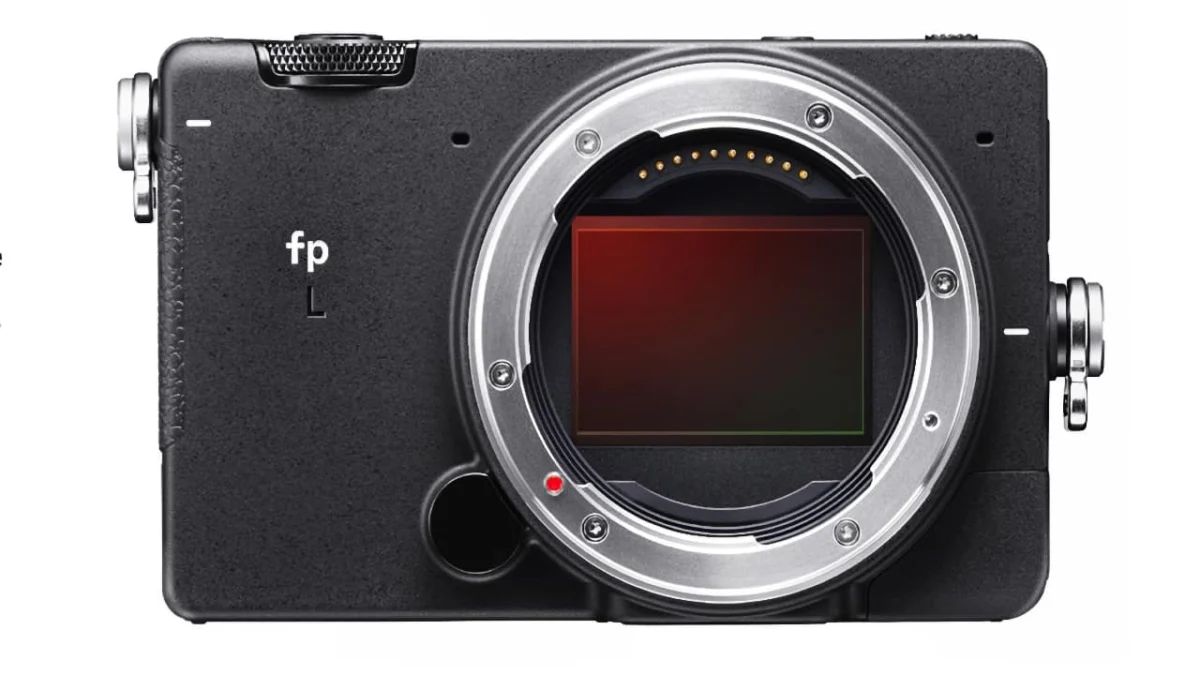
In July 2019, Sigma announced the original Sigma fp, capturing the industry’s attention by billing it as the world’s smallest and lightest full-frame mirrorless camera. Built around a 24.6-megapixel backside-illuminated (BSI) Bayer sensor, the camera was completely devoid of a mechanical shutter, relying entirely on an electronic shutter. Its boxy, industrial "brick" design featured zero handgrips out of the box, relying instead on a modular "pocketable" concept that could be built up with cages, handles, external monitors, and SSD recorders for professional cinema applications.
2021: The Resolution Bump with the Sigma fp L
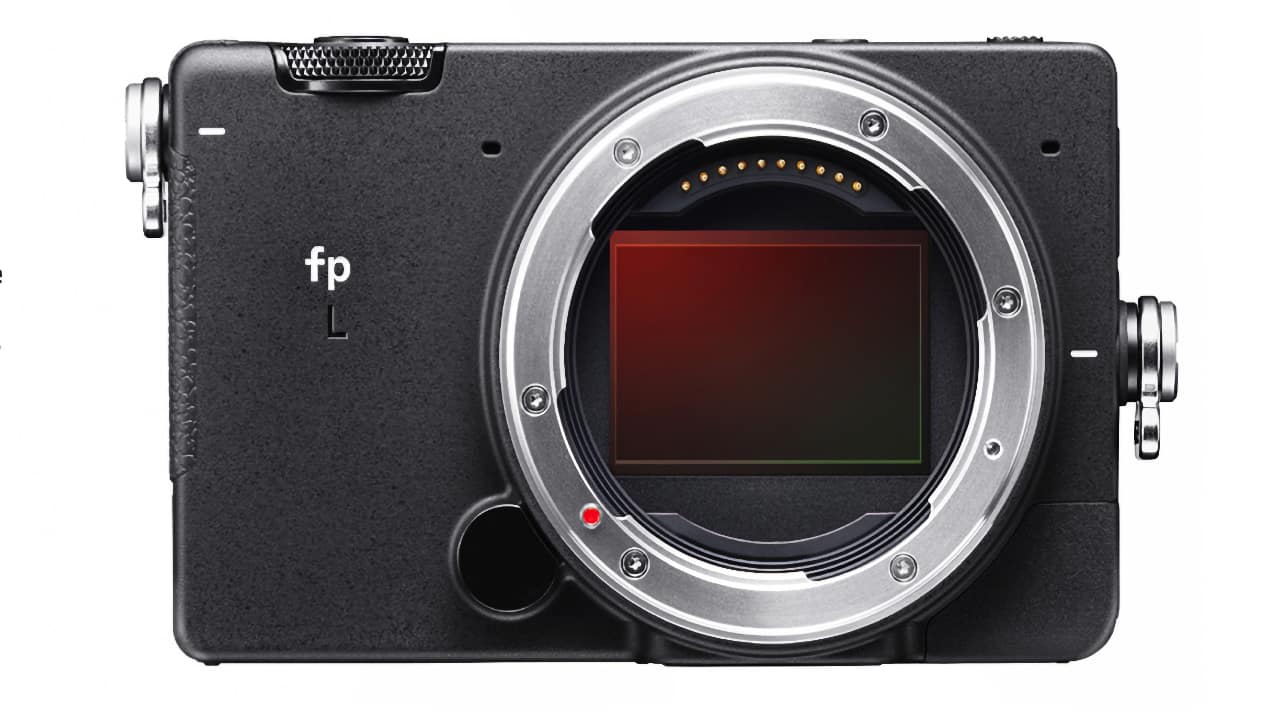
In March 2021, Sigma expanded the lineup with the fp L. While maintaining the exact same ultra-compact physical chassis as its predecessor, the fp L introduced a massive 61-megapixel full-frame sensor—borrowed from high-resolution landscape photography standards—alongside phase-detection autofocus (PDAF), which was entirely absent on the original model. Alongside the fp L, Sigma introduced the EVF-11, an external electronic viewfinder that connected via the side USB-C and HDMI ports. While functional, users frequently criticized the EVF-11 for compromising the minimalist, pocket-sized aesthetic that made the fp series so unique.
Mid-2025: Discontinuation and Market Shifts
A major plot twist in the timeline occurred in June 2025, when Sigma quietly discontinued both the original fp and the fp L shortly after launching the Sigma BF. During this period, general industry sentiment suggested that Sigma might be shifting its focus away from niche, cine-heavy camera bodies and consolidating its resources around traditional photographic lines and L-mount lenses. This context is precisely why the L-Rumors report of an fp II has caught the industry completely off guard—moving from a perceived wind-down of the cine-compact concept straight into a dedicated, redesigned successor.
Supporting Data and Market Analysis
Evaluating the feasibility of the Sigma fp II requires analyzing the current competitive landscape of the digital camera market, particularly regarding pricing, sensor technology, and structural gaps.
The Megapixel Debate: Why 24MP Makes Sense for Cine
The decision to revert from the 61-megapixel count of the fp L down to a rumored 24-megapixel full-frame sensor might initially look like a regression on spec sheets. However, for a dedicated cine-focused hybrid camera, 24 megapixels is widely considered the "sweet spot."
- Pixel Pitch and Low Light: Larger pixels on a 24MP full-frame sensor capture significantly more light than heavily crammed 61MP pixels, resulting in superior dynamic range, cleaner high-ISO performance, and reduced thermal noise during long recording sessions.
- Readout Speeds: Lower resolution sensors inherently suffer from less rolling shutter artifacting due to faster electronic sensor readout speeds—a critical factor for a camera lacking a mechanical shutter and relying heavily on electronic rolling shutter control for video.
- Open Gate and Anamorphic Shooting: Open-gate recording utilizes the entire sensor area (height and width), making a balanced 24MP sensor ideal for cropping into various aspect ratios (2.39:1, 16:9, 4:3) without pushing files into unwieldy, storage-heavy data sizes.
Filling the Market Void: The "Sony FX5-Sized Hole"
Market analysts have pointed out a fascinating vacuum in current cinema camera lineups. While manufacturers offer entry-level mirrorless bodies (like the Sony FX30 or Panasonic Lumix S5IIX) and high-end cinema systems (like the FX3 or Canon EOS C80), there remains what industry observers call a "Sony FX5-sized hole"—a space for a dedicated, raw-capable, modular full-frame powerhouse priced comfortably around the mid-tier bracket.
At an anticipated price point of $2,500, the rumored Sigma fp II would undercut many high-end cinema competitors while offering unique selling points that larger, traditional camcorder-style bodies simply cannot match. Its modular nature appeals heavily to drone operators, gimbal users, crash-cam setups, and indie filmmakers who demand uncompressed internal RAW output without paying cinema-camera taxes.
Official Responses and Industry Reactions
As is standard practice for pre-launch leaks, Sigma Corporation has maintained a strict official policy of silence regarding the L-Rumors report. Representatives for Sigma have declined to comment on speculation surrounding unannounced products, reiterating the company’s ongoing commitment to the L-Mount Alliance and the continuous development of high-quality photographic lenses and camera bodies.
However, the reaction from the broader photography and videography community has been overwhelmingly vocal:
- The Enthusiast Perspective: Across forums like Reddit’s r/videography and various L-Mount user groups, the inclusion of a built-in EVF is being celebrated as a massive quality-of-life upgrade. Many users noted that while they loved the raw video output of the original fp, the lack of an integrated viewfinder made daytime outdoor shooting nearly impossible without purchasing the bulky, expensive EVF-11 add-on.
- Skepticism Over Timing: Given that Sigma only recently discontinued the fp and fp L lines in mid-2025, veteran tech journalists remain cautious. Some argue that developing an entirely new sensor housing and redesigning the chassis to incorporate an EVF contradicts the recent wind-down of the original modular platform.
- L-Mount Alliance Synergy: Alliance partners Panasonic and Leica have each carved out distinct identities within the L-mount ecosystem. While Panasonic dominates active hybrid cooling and video codecs, and Leica targets luxury craftsmanship, Sigma’s role has always been the avant-garde disruptor. An fp II would comfortably re-establish Sigma’s unique brand identity within the partnership.
Implications for the Industry and Creators
If Sigma officially announces the fp II this autumn—with October 24 and November serving as the primary speculative milestones—the implications for the mirrorless and cine markets will be profound.
- Pressure on Competitors: Manufacturers like Sony, Canon, and Panasonic will be forced to look closely at how they price their entry-to-mid-tier full-frame video tools. A camera offering internal RAW, open-gate recording, and an integrated EVF for $2,500 represents an aggressive value proposition.
- Redefining Modular Design: By listening to user feedback and integrating an EVF without completely sacrificing the compact footprint, Sigma proves that modular camera systems can evolve to meet practical field demands. It bridges the gap between the ultra-minimalist aesthetic users fell in love with and the ergonomic necessities required for professional run-and-gun filmmaking.
- The Future of L-Mount: The success or failure of the fp II will heavily influence how deeply Sigma invests in its camera division moving forward. If the rumored specs translate into real-world performance, it could cement Sigma not just as a legendary lens manufacturer, but as a premier destination for independent filmmakers seeking uncompromising cinematic tools at an accessible price point.
As the rumored announcement windows approach, all eyes remain fixed on Sigma headquarters. Whether this report turns out to be "more smoke than fire" or the dawn of a revolutionary new cinema camera, the tech world is watching closely to see what curveball Sigma throws next.
